Friday, August 21, 2026

Week in Science: What really happened on Easter Island

Plus, why solar is taking over                    

August 21—Historians have claimed that Easter Island's Indigenous population was to blame for its decline. But new research has found that theory doesn't hold up under scrutiny. Plus, how our brains are wired for storytelling, and why solar energy is becoming a global powerhouse. Enjoy our entire September issue here!

Do you know what happened in science this week? Take our Friday quiz to test your knowledge and find out.

Emma Gometz, Newsletter Editor

How are you liking this newsletter? Email newsletters@sciam.com anytime.

Top Stories
How psilocybin alters consciousness to create a sense of ‘oneness’

Psychedelics can create a new “hidden order” in brain activity that could explain how these drugs alter our sense of self

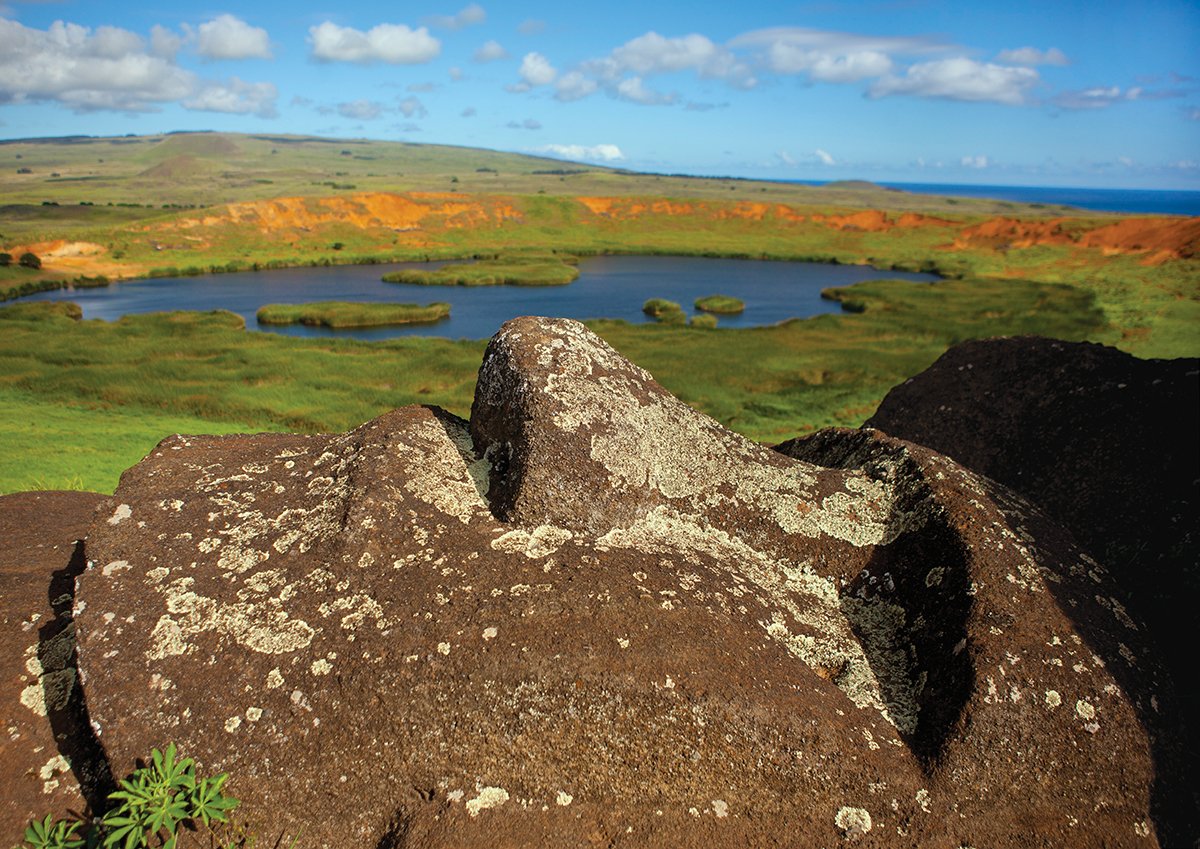
What really happened on Easter Island?

For decades, an influential theory blamed the Rapanui for their own downfall—a story made famous by Jared Diamond’s book Collapse. New evidence tells a different tale

Travel with Scientific American
Discover the Wonder: The Monarch Butterfly Migration

Reservations now open! Take an extraordinary trip to the Mexican mountains to witness the annual monarch butterfly migration. See oyamel fir forests transformed into living tapestries with Chief Newsletter Editor Andrea Gawrylewski as your guide. Learn More

Why solar power is taking over the world

Here are four reasons solar energy has seen a meteoric rise in recent years

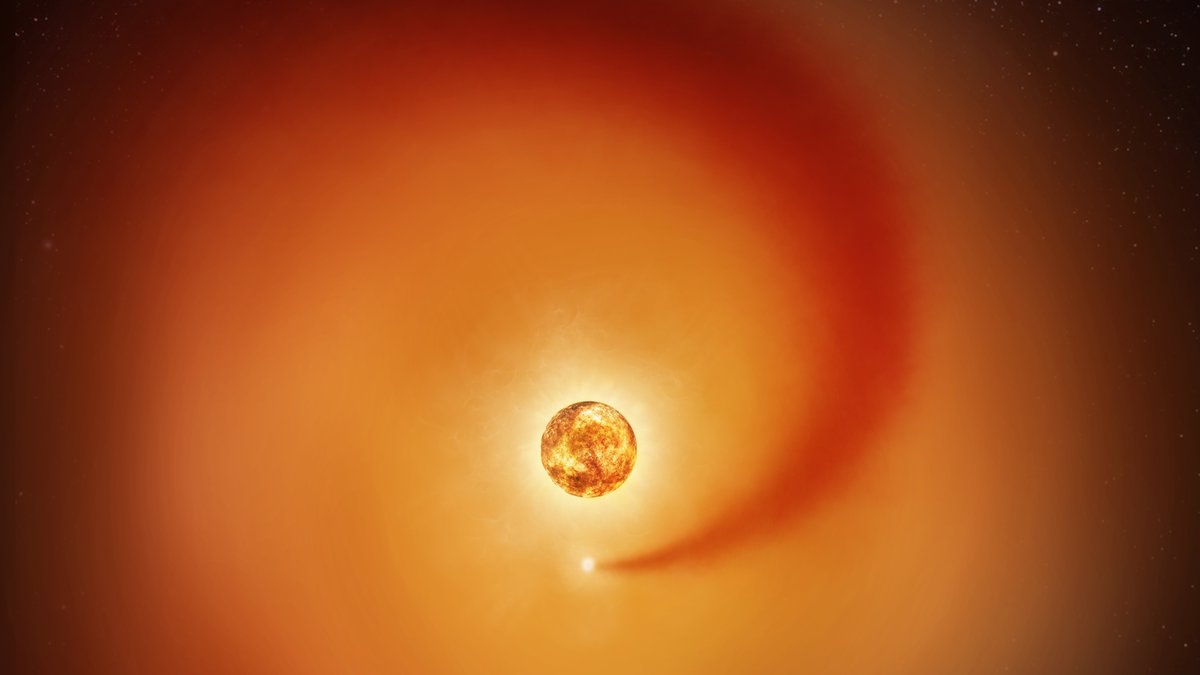
What happens when Betelgeuse blows its top?

Betelgeuse, the sky’s most famous red supergiant, is well studied but poorly understood

Support science journalism you can trust with a subscription to Scientific American: Get 90 days of digital access for just $1!
Why your brain turns life into stories

Neuroscience is revealing how our brains are wired for narrative

388 years ago Galileo worked out why human giants can’t exist—and explained a law of physics

Giants have featured in stories for millennia, but the reason why they don’t exist helps explain the natural world

Solid-state batteries have reached a make-or-break moment

Two American companies are pursuing rival manufacturing strategies for these long-promised cells in an industry China dominates

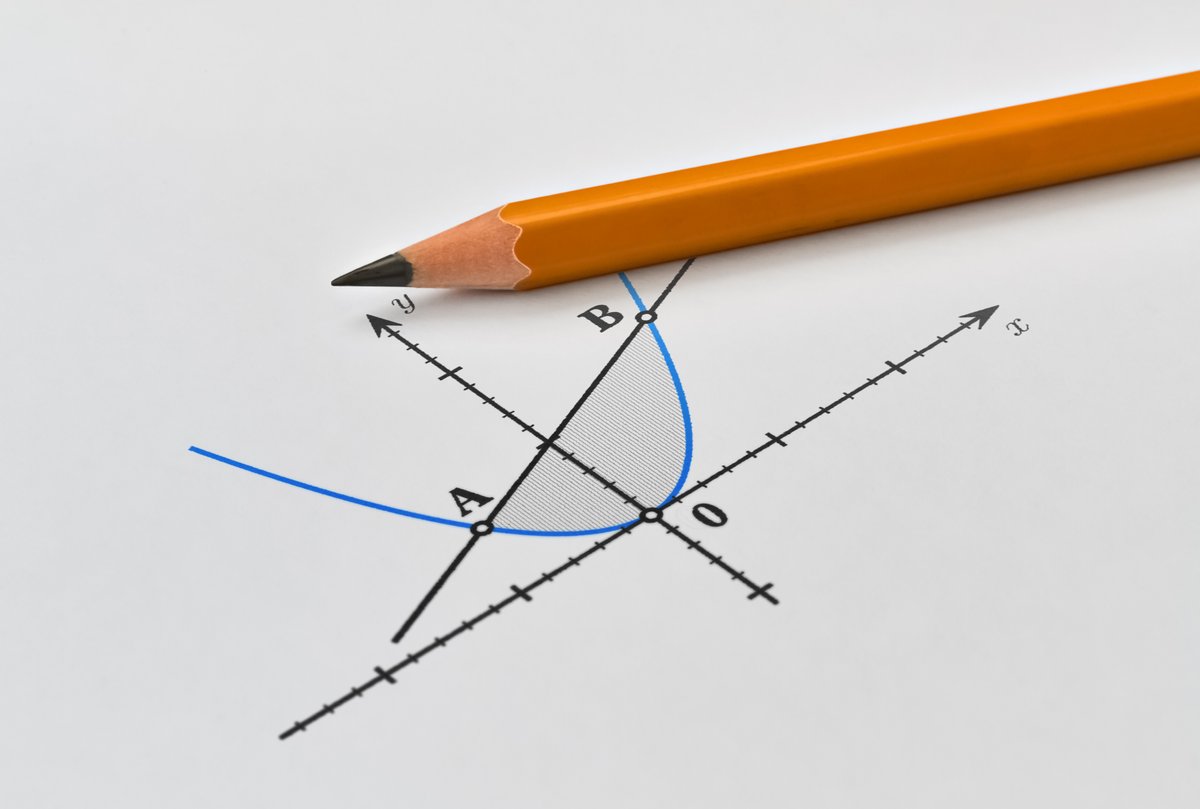
Why parabolas are crucial to cryptography

Cryptographers use points along a curve to build tough codes

Super agers have an immune system superpower

Could this secret cellular weapon be the key to longevity?

Life’s ‘last universal common ancestor’ may predate life itself

A groundbreaking study hints at a hazy boundary between “life” and “non-life,” as well as two distinct origins of biology on Earth

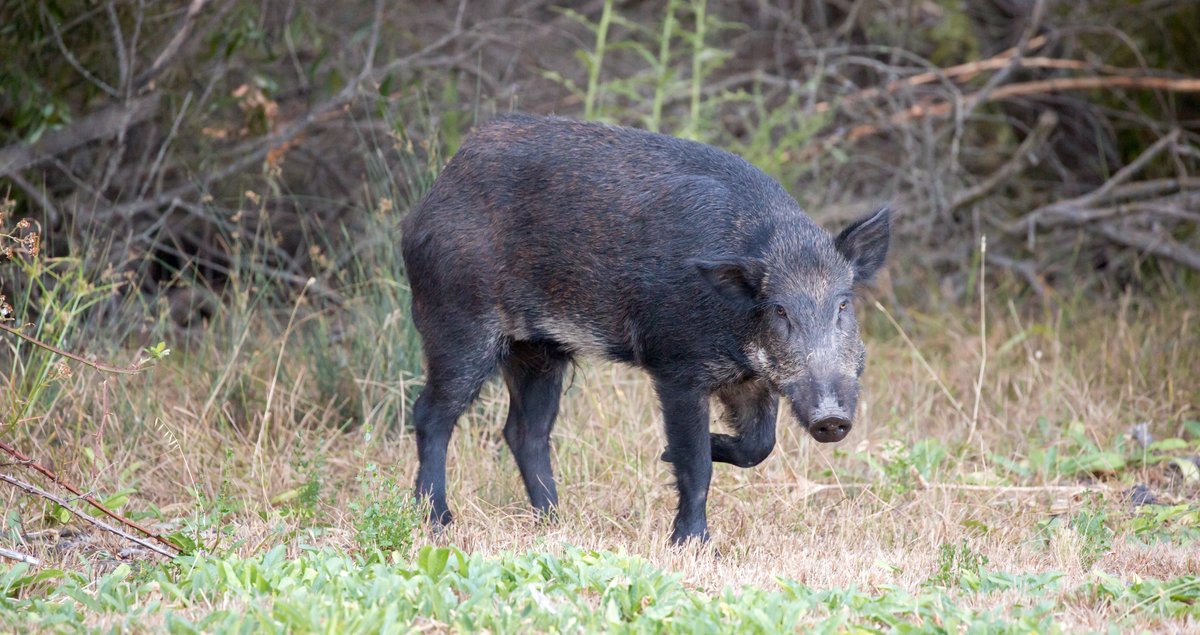
Why it may be impossible to eradicate feral hogs

The U.S. is spending millions to try to control feral hogs, but are those efforts in vain?

Scientist Pankaj

Week in Science: What really happened on Easter Island

Plus, why solar is taking over                     ...