Thursday, August 6, 2026

Space & Physics: Solar “whirlpools” stun astronomers

Plus, SpaceX plans for robotic factories on the moon                    

August 6—This week, we’re covering strange whirlpools seen in the sharpest-ever images of the sun’s surface, SpaceX’s audacious plans for robotic factories on the moon (which hopefully won’t be bombarded by the company’s spent rocket stages), a potential quantum breakthrough on math’s hardest problem and more. Enjoy!

Thoughts? Questions? Let me know via e-mail (lbillings@sciam.com), X or Bluesky.

Lee Billings, Senior Editor, Physical Sciences

Top Stories
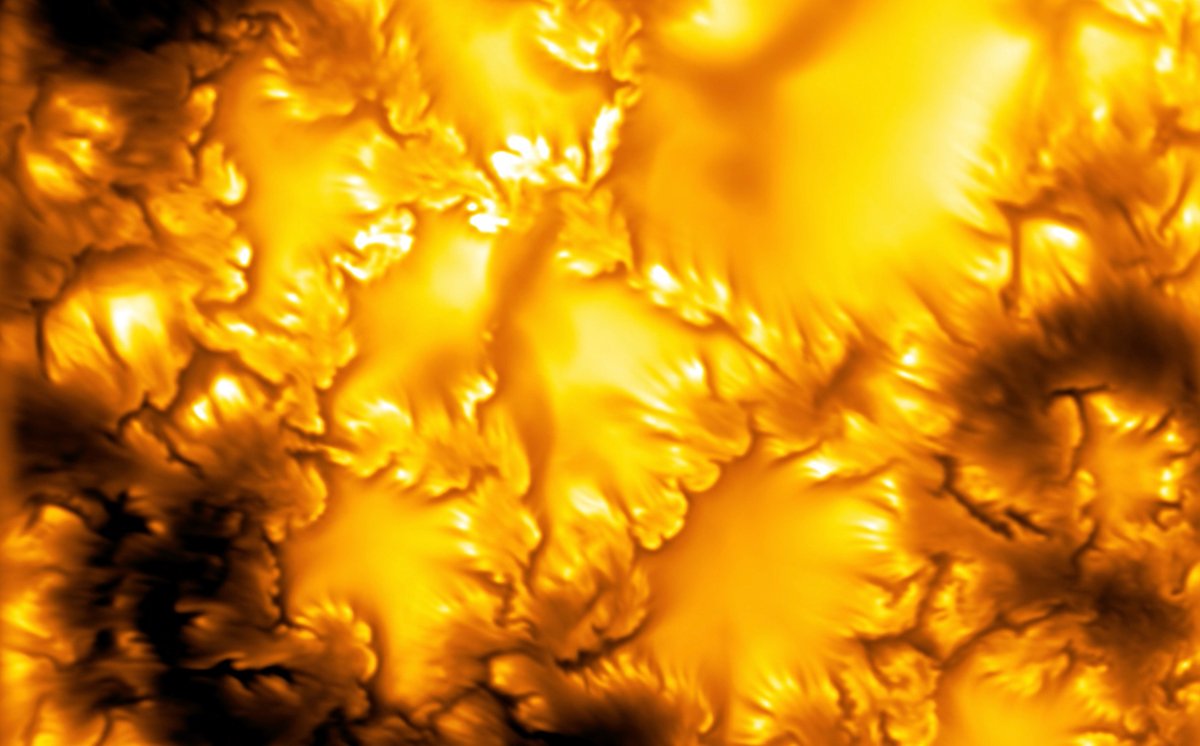
Spectacular images reveal never-before-seen whirlpools on the sun

Strange whirlpools of plasma seen in the sharpest images ever captured of our star help explain the deep origins of Earth-threatening space weather and more

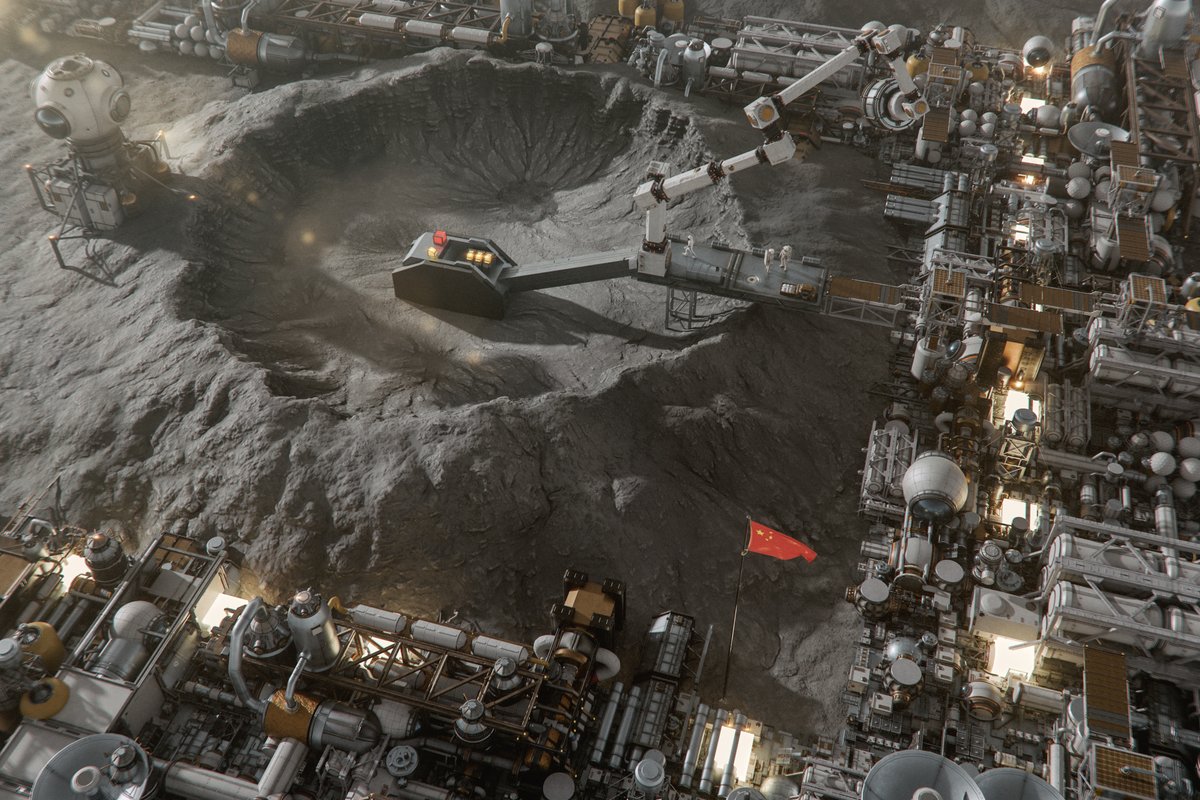
Elon Musk reveals SpaceX plans to build satellite factories on the moon

Musk outlined his vision to investors after SpaceX posted a $542-million loss from its space launch sector in its first quarter as a public company

Big universe, tiny cost. Immerse yourself in science with a subscription to Scientific American. Get 90 days for just $1!
Can quantum computers solve math’s hardest problem?

A million-dollar math mystery may someday be resolved in a physics lab. A new study brings this vision one step closer.

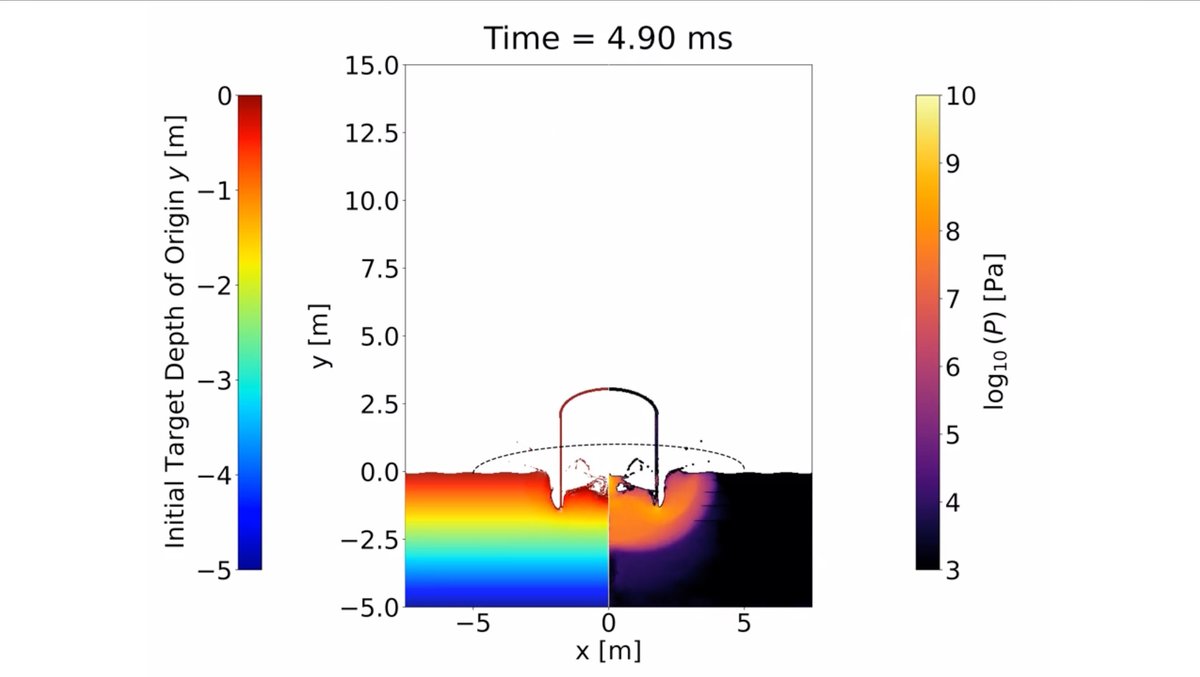
A SpaceX rocket is about to hit the moon—these videos show what could happen

Astronomers’ simulations predict what this lunar impact—and its aftermath—will look like

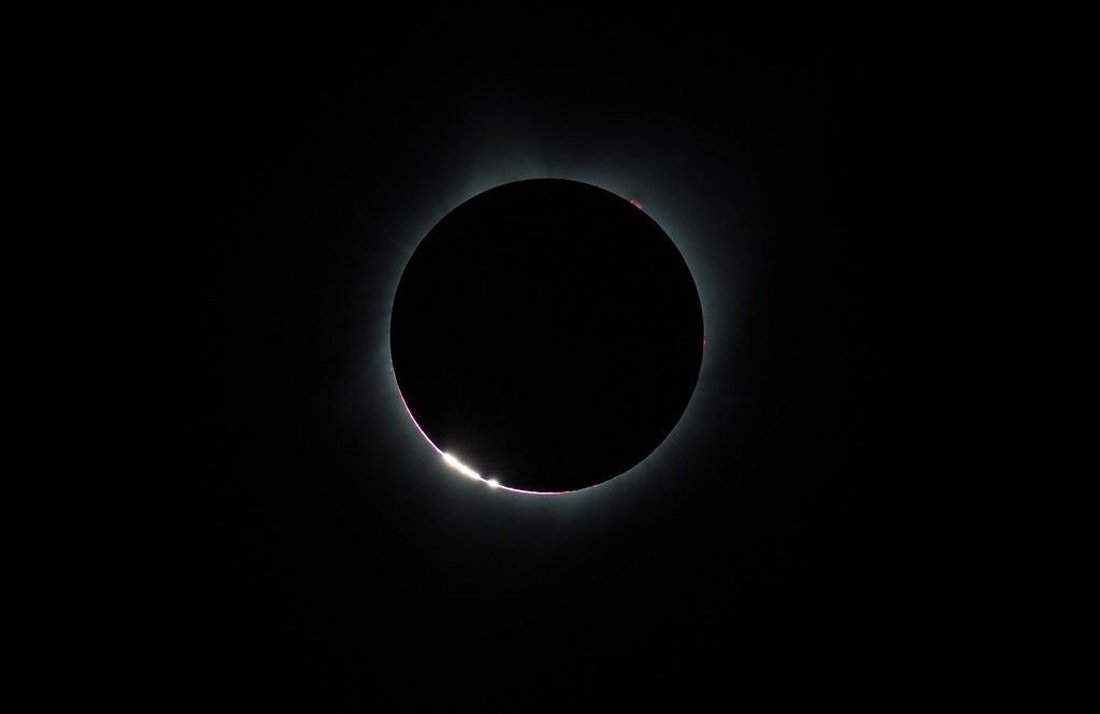
A complete guide to the 2026 total solar eclipse

Here’s everything you need to know about this eclipse, from the weather to the best viewing locations

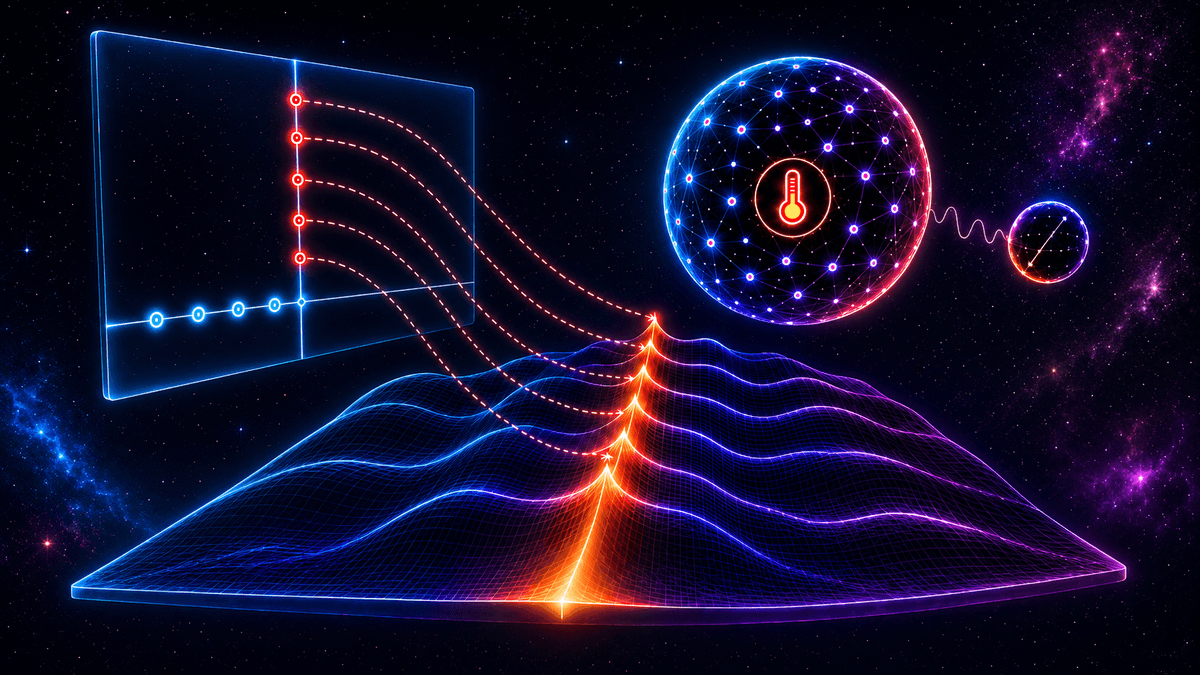
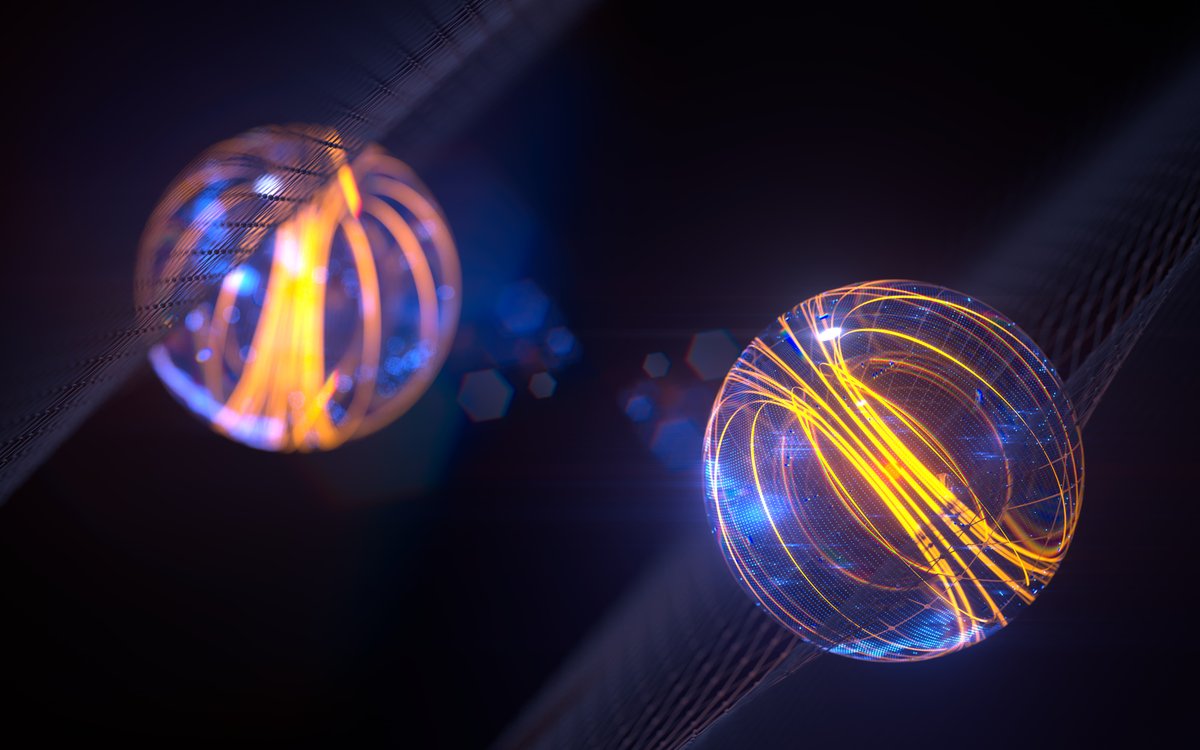
Sunlight could be the key to making quantum computers less energy-hungry

A proof-of-principle experiment used concentrated sunlight to produce entangled photons

Mathematicians make a breakthrough on Gauss’s riddle, unsolved for 200 years

A solution to part of the Cohen-Lenstra conjecture helps resolve a long-standing mystery about quadratic forms

Wormholes could be the key to time travel

Wormholes are one way that physicists have imagined traveling into the past. But if something gets there, is it physically possible to change anything?

Surf’s up! Here’s how to ride the waves on Saturn’s moon Titan

Lakes of liquid methane on Titan, Saturn’s largest moon, could offer exhilarating—and terrifying—opportunities for otherworldly surfing

The U.S. military needs tungsten, but pristine NASA site may stand in the way

A unique landform is vital for calibrating NASA’s satellites, but it’s likely sitting atop a vast deposit of this heavy metal, which is crucial for making munitions

Two research efforts gave AI the same open problem. Their papers were submitted three hours apart

An M.I.T. Ph.D. student and two University of California system cryptographers used GPT-5.6 Sol Ultra in different ways, raising new questions about independent discovery and scientific credit

What We're Reading
  • Here’s how engineers plan to save the satellite sent to save NASA’s Swift mission | Ars Technica
  • New Glenn explosion linked to rocket engine valve | Space News
  • A Ton of Space Junk Tumbles Unpredictably to Earth Every Week | The New York Times

From the Archive
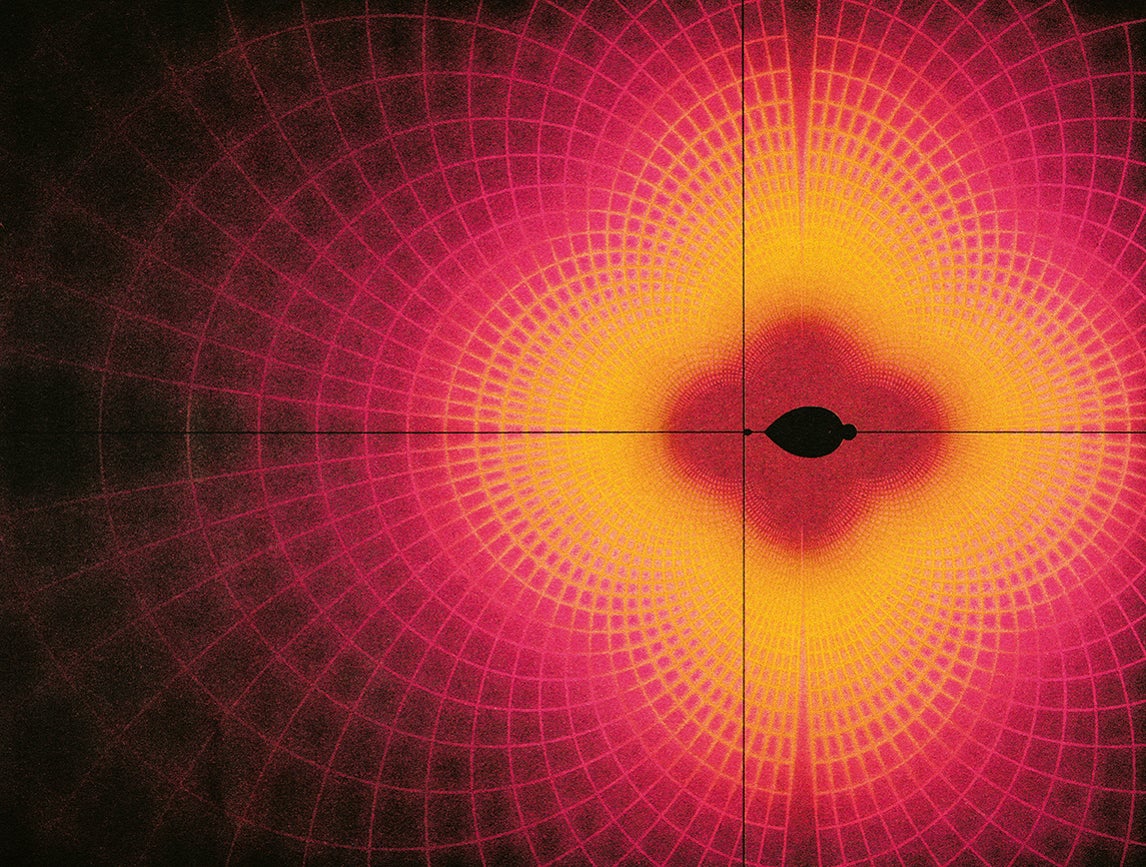
The million-dollar math problem hardly anyone is trying to solve

The intimidating legacy of the scariest problem in mathematics

Scientist Pankaj

Space & Physics: Solar “whirlpools” stun astronomers

Plus, SpaceX plans for robotic factories on the moon                     ...