The neuroscience of how our brains make meaning out of constant input. ͏ ͏ ͏ ͏ ͏ ͏ ͏ ͏ ͏ ͏ ͏ ͏ ͏ ͏ ͏ ͏ ͏ ͏ ͏ ͏ ͏ ͏ ͏ ͏ ͏ ͏ ͏ ͏ ͏ ͏ ͏ ͏ ͏ ͏ ͏ ͏ ͏ ͏ ͏ ͏ ͏ ͏ ͏ ͏ ͏ ͏ ͏ ͏ ͏ ͏ ͏ ͏ ͏ ͏ ͏ ͏ ͏ ͏ ͏ ͏ ͏ ͏ ͏ ͏ ͏ ͏ ͏ ͏ ͏ ͏ ͏ ͏ ͏ ͏ ͏ ͏ ͏ ͏ ͏ ͏ ͏ ͏ ͏ ͏ ͏ ͏ ͏ ͏ ͏ ͏ ͏ ͏ ͏ ͏ ͏ ͏ ͏ ͏ ͏ ͏ ͏ ͏ ͏ ͏ ͏ ͏ ͏ ͏ ͏ ͏ ͏ ͏ ͏ ͏ ͏ ͏ ͏ ͏ ͏ ͏ ͏ ͏ ͏ ͏ ͏ ͏ ͏ ͏ ͏ ͏ ͏ ͏ ͏ ͏ ͏ ͏ ͏ ͏ ͏ ͏ ͏ ͏ ͏ ͏ ͏ ͏ ͏ ͏ ͏ ͏
August 20, 2026—Today, we do a deep-dive into how our brains use storytelling as a way to make meaning of a constant influx of information. Plus, NASA calls off a bold rescue mission and drug companies reveal striking results of an mRNA treatment for cancer.
—Andrea Gawrylewski
Chief Newsletter Editor
|
|
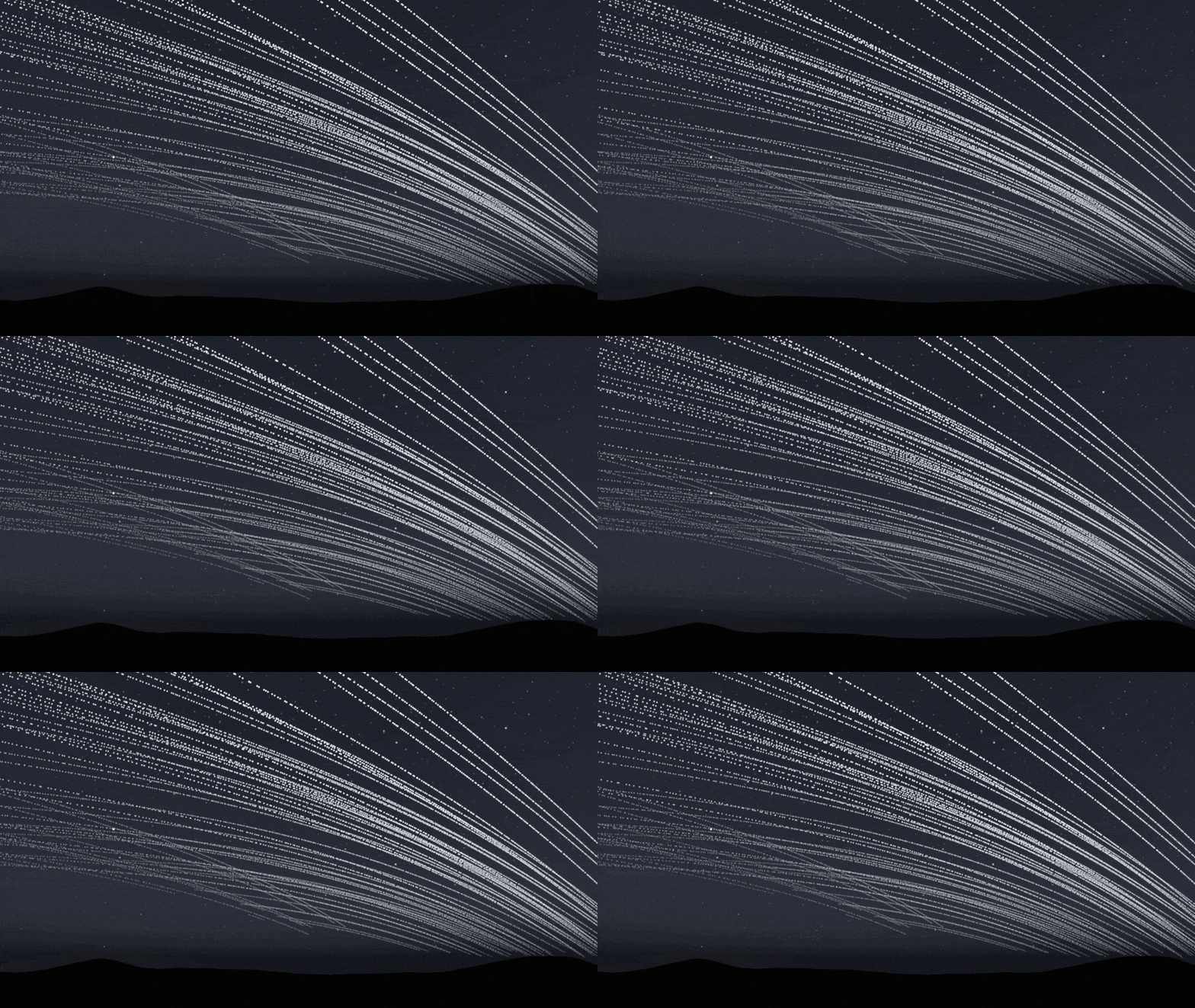
This 10x-speed animation shows a simulated view of 500,000 orbital data center satellites proposed by SpaceX, as seen from Blacksburg, Virginia, 80 minutes after sunset (assuming no reflectivity mitigation). Shane Ross
|
|
Researchers modeled how bright orbital data centers proposed by three companies (including SpaceX) would be. Worst case scenario, the satellites could outnumber visible stars by a factor of 100. | 4 min read
Join the discussion: Building data centers in orbit around Earth would offload some of the environmental burden of building them on the ground. Would this be a good tradeoff? Do you think we should build data centers in space? Share your thoughts here.
A bold rescue mission to save NASA's Neil Gehrels Swift Observatory from its decaying orbit has failed. The telescope will burn up in Earth's atmosphere sometime at the end of this year. Sad. | 2 min read
Life on Earth may have begun not once, but twice. A bold new paper argues that both occurrences trace their roots to the same common ancestor that was itself not yet truly alive, but more of a chemical system. | 7 min read
Pharma companies Merck and Moderna announced results of a clinical trial that shows a combination therapy using mRNA can significantly reduce recurrence rates of skin cancer. | 3 min read
Europe is on fire. But the area of Europe affected by fires will essentially triple by 2100, assuming humans keep emitting high amounts of carbon, according to a new calculation. | 2 min read
Do you need to take testosterone? Testosterone is a longtime favorite of the bodybuilding crowd, but now the hormone is being touted for treating perimenopause, “looks maxxing” and more. Here's what the experts say. | 5 min read
|
|
Support science journalism you can trust with a subscription to Scientific American. Join us: 90 days for just $1.
|
|
Wired for Story
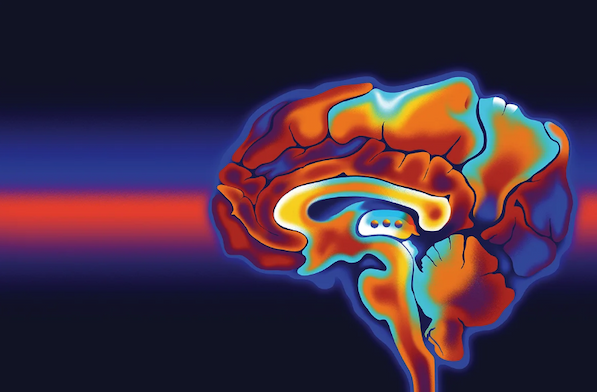
How does the human brain make sense of the world and weave together what happens from moment to moment? Well, it uses story. It transforms a continuous stream of experience into discrete events and links those events through cause and effect, filtering them through prior knowledge and contexts to construct a coherent story or narrative. “Stories are this fundamental way in which people see the world and respond to the world,” says Ben Rogers, an organizational behavior researcher at Boston College.
How it works: Many studies over decades show how the human brain makes meaning out of life’s events. And lots of that data comes from scanning participants’ brains while they watch movies and shows, since those are canned stories.
-
Brains sync. Five people watched 30 minutes of the 1966 film The Good, the Bad and the Ugly while undergoing fMRI. Their brains showed synchronized activity in response to changes in scenery, dialogue and even plot, suggesting that people share some common neural responses to narratives.
-
Scene editing. Participants were scanned while watching and later recalling the first episode of the 2010 TV series Sherlock. Brain activity was synchronized across viewers during both viewing and recall, but during recall all participants' brains showed an altered pattern, suggesting that the brain edits a story as it stores it in memory.
-
People watched and recalled movie scenes while undergoing MRI. Scenes that were causally connected to many other scenes produced greater activity in parts of the brain’s default mode network (a kind of interchange place between lived experience and memory), and greater activity was associated with a higher likelihood of remembering those scenes.
-
Scene segmentation. Reanalysis of the Sherlock fMRI data found that sharp shifts in neural activity in the prefrontal cortex corresponded to perceived scene changes. The brain appeared to automatically segment the continuous narrative into discrete events or scenes.
-
Character memory. Researchers found a specific pattern of neural activity in part of the default mode network whenever a particular actor appeared in a video. The pattern disappeared when the actor was absent and remained consistent regardless of whether the character was in different settings, suggesting a neural representation of the character independent of location.
What the experts say: “The purpose of a story for the human being is to make sense of disparate things that have happened to you,” says Janice Chen, a cognitive neuroscientist at Johns Hopkins University involved in several of the experiments above. “You need to bring [them] together into a coherent causal structure in order to understand what happened.” People naturally draw boundaries within stories or experiences where they perceive shifts in place, time or situation. And these segments, it now turns out, are a natural product of the brain. “The world in its entirety and people in their entirety actually cannot be understood,” says Jesse Andrews, a writer for the film studio Pixar. “But with the skillful editing that we do spontaneously, that we do without thinking about it, we can understand the world in part and understand each other in part.”
|
|
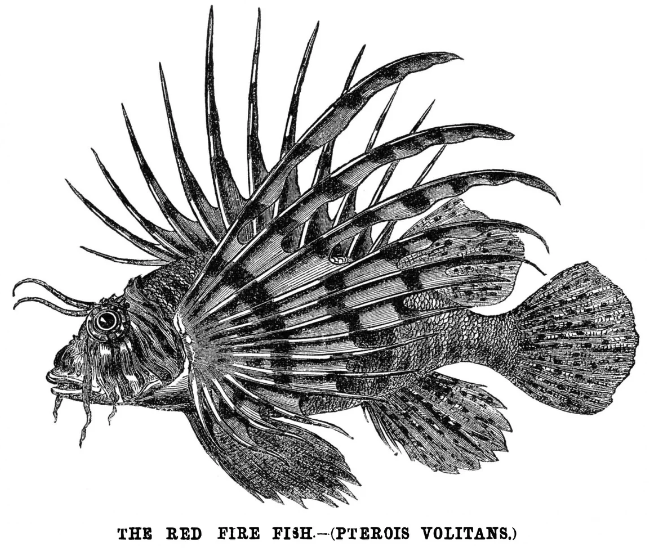
Scientific American, Vol. 34, No. 17; April 1876
|
|
|
|
|
From the April 1976 issue: "The singularly weird-looking fish shown in our engraving is a native of the Indian Ocean, and it is represented in all parts of the tropical seas of the eastern hemisphere, on the coasts of Africa, India, Ceylon, New Guinea and Australia."
|
|
I am a bit biased here because I tell stories (based in fact) for a living, but humans so depend on narrative that framing your own life story in a particular way can affect your moods and mental health. Researchers discovered, based on the life stories of more than 1,200 people, that individuals who had more elements of a "hero’s journey" in their own tales reported more meaning in life, more flourishing and less depression. Stories are powerful: they helped human ancestors navigate their earliest periods on Earth, and I'm sure some of the darkest. How does the story of your life affect you? Can you imagine reframing it in a more "heroic" way? Share your thoughts here on our online discussion or by emailing me.
|
|
I can't wait to hear from you on this one. Thank you for being a part of this science storytelling community. Reach out anytime: newsletters@sciam.com. See you tomorrow!
—Andrea Gawrylewski, Chief Newsletter Editor
|
|
|
|
|
Subscribe to this and all of our newsletters here.
|
|
Scientific American
1000 N West Street, Suite 1200
|
|
|
|
|