Thursday, August 20, 2026

Space & Physics: The battle for the night sky is underway

Plus, NASA abandons Swift telescope rescue mission                    

August 20—Hey folks, I'm filling in for Lee today. This week, a look ahead at what will happen if SpaceX and other companies get their way and put two million satellites into orbit around Earth. Plus, the Nancy Grace Roman Telescope is primed to launch and begin its mission to study the mysteries of dark matter and dark energy—this observatory has a wild origin story. And in other telescope news, sadly, NASA has called off its mission to rescue the Swift telescope from its sinking orbit. All that and much more below!

Thoughts? Questions? Let us know via e-mail (newsletters@sciam.com).

Andrea Gawrylewski, Chief Newsletter Editor

Top Stories
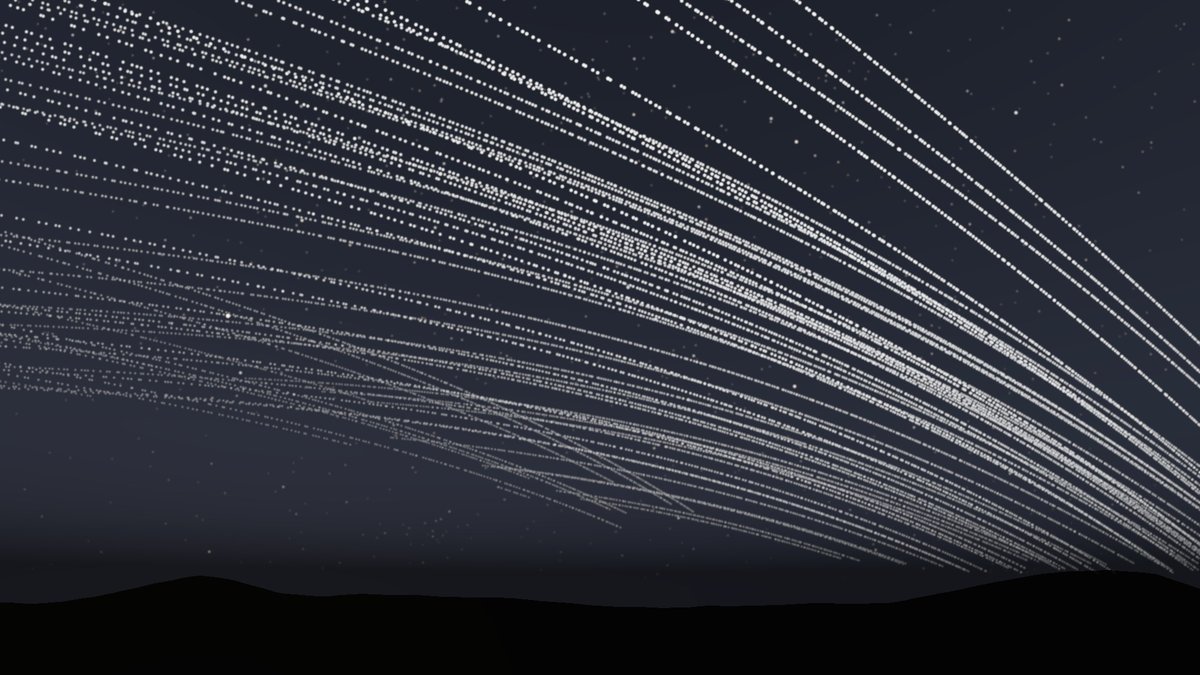
The battle for the night sky

SpaceX and other companies want to put millions of satellites into space. Could orbit run out of room?

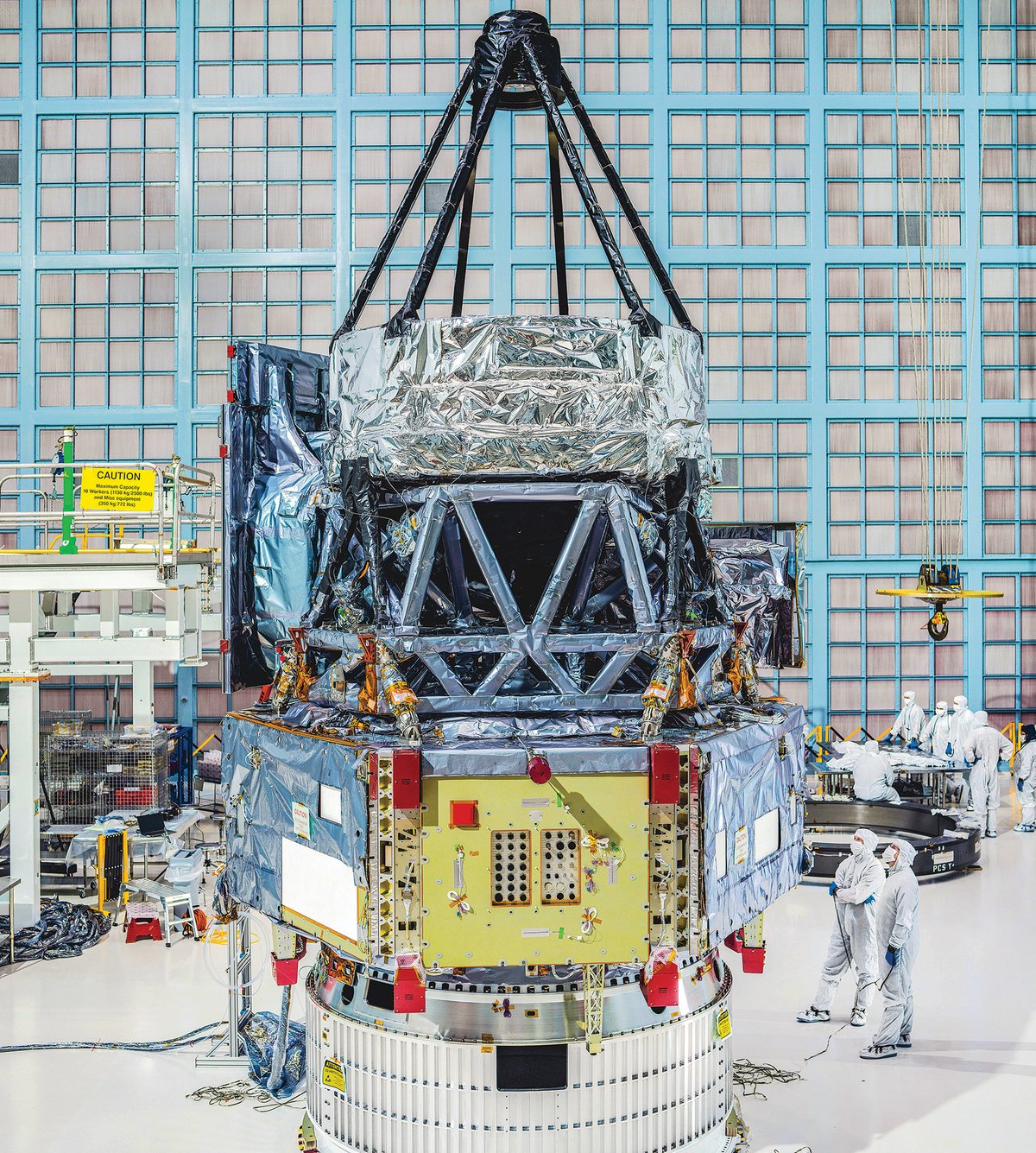
How NASA turned a spy satellite into its new dark energy telescope

NASA’s Nancy Grace Roman Space Telescope will soon launch to unravel the mysteries of dark energy and dark matter

Big universe, tiny cost. Immerse yourself in science with a subscription to Scientific American. Get 90 days for just $1!
Orbital data centers could transform our night sky forever

Without drastic interventions, data centers in space could disrupt scientific observations and fragile ecosystems by adding almost innumerable new “stars” to the heavens above

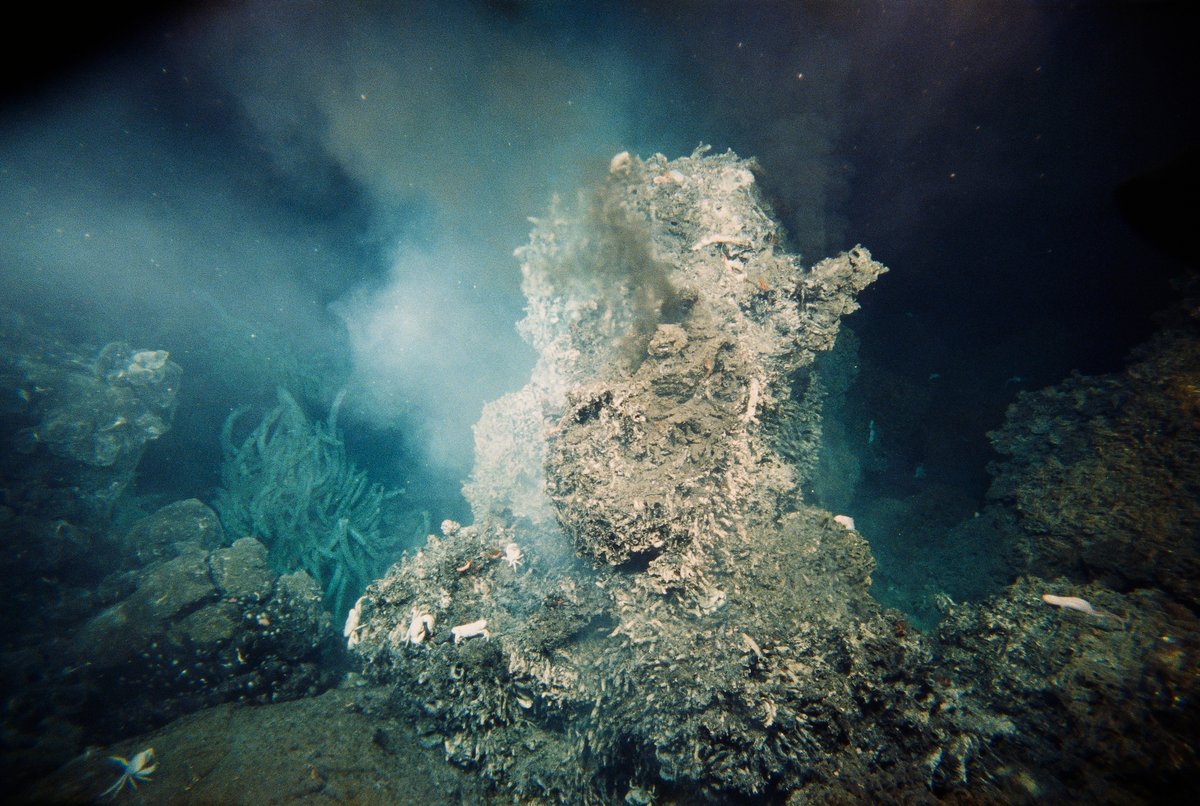
Life’s ‘last universal common ancestor’ may predate life itself

A groundbreaking study hints at a hazy boundary between “life” and “non-life,” as well as two distinct origins of biology on Earth

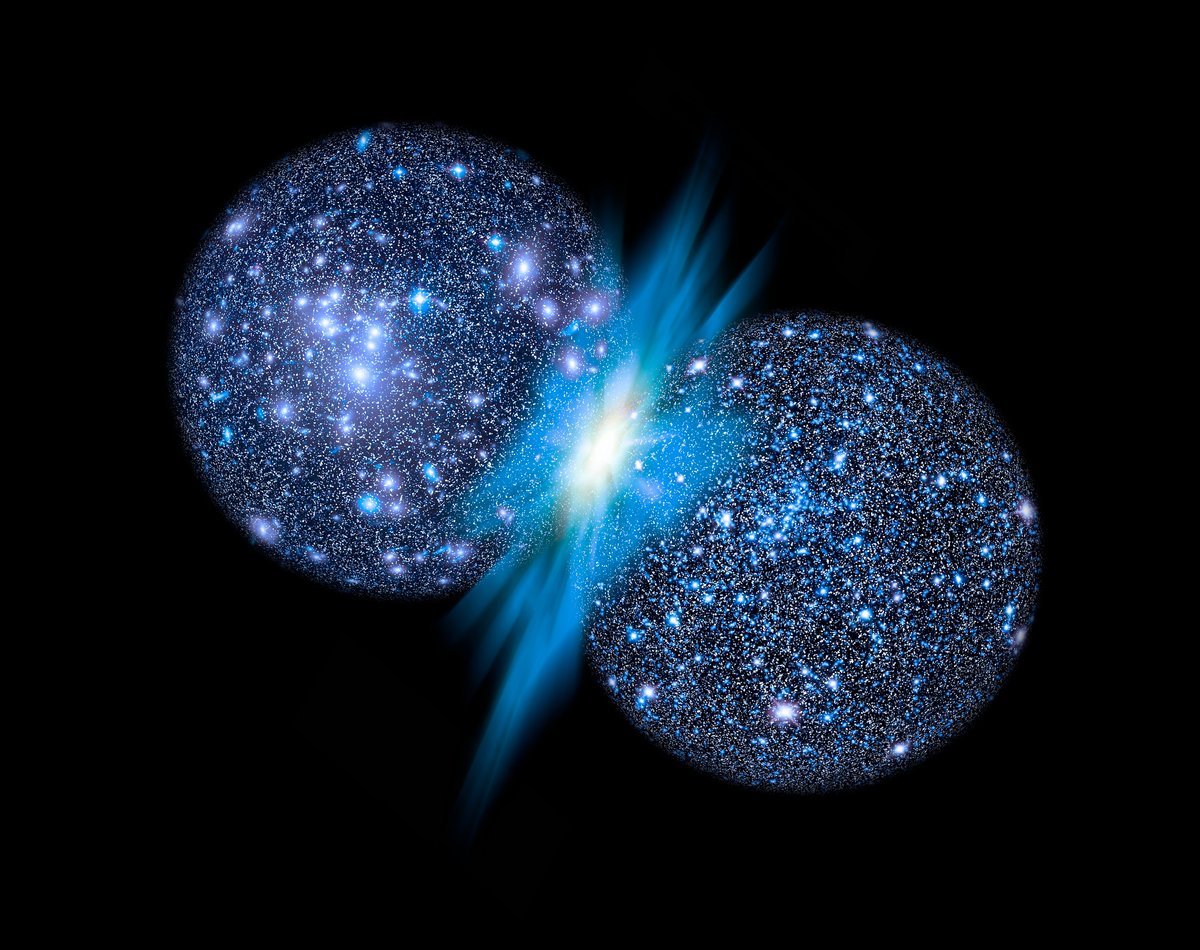
Physicists are closing in on the origin of matter

Researchers have nailed down an elusive quantity called baryon number, which may be responsible for the cosmic mismatch between matter and antimatter

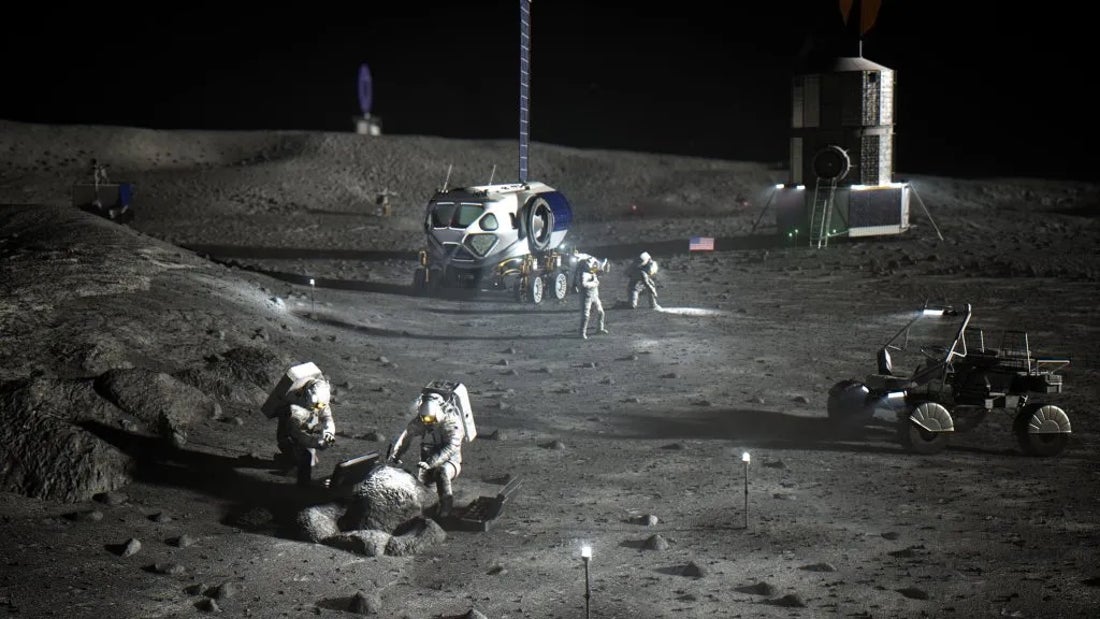
China is going back to the moon in search of water ice

The country’s latest mission, Chang’e 7, will be the first ever to land directly at the moon’s south pole. Whatever it finds there could radically reshape a new space race

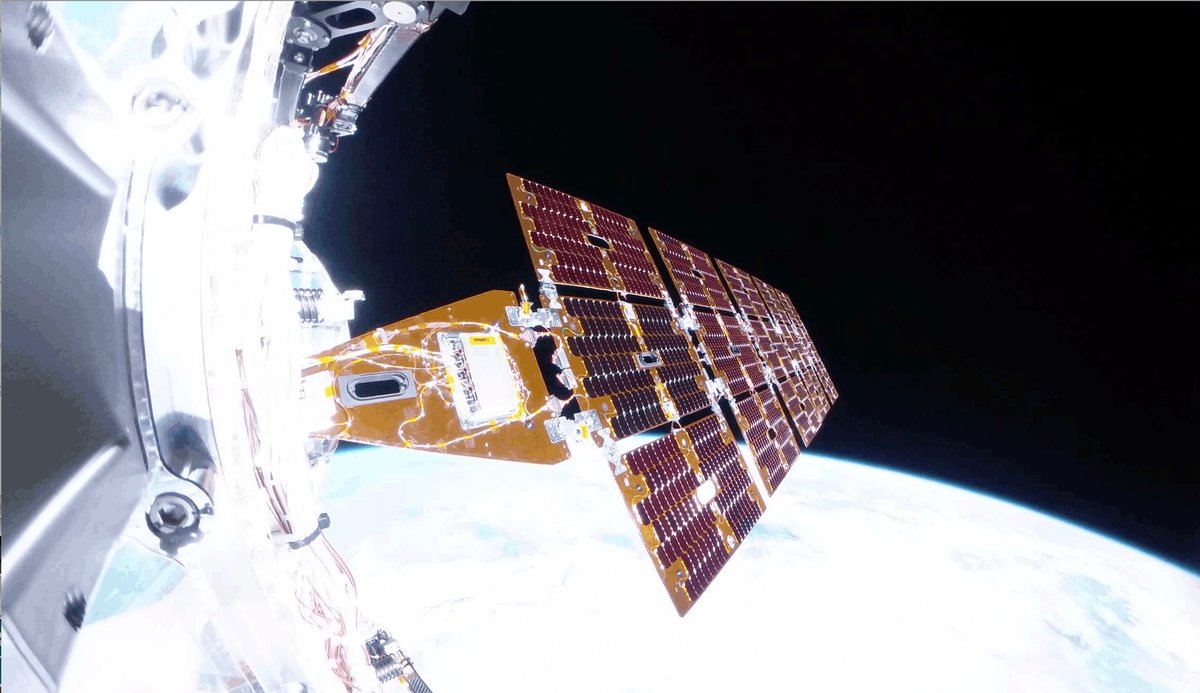
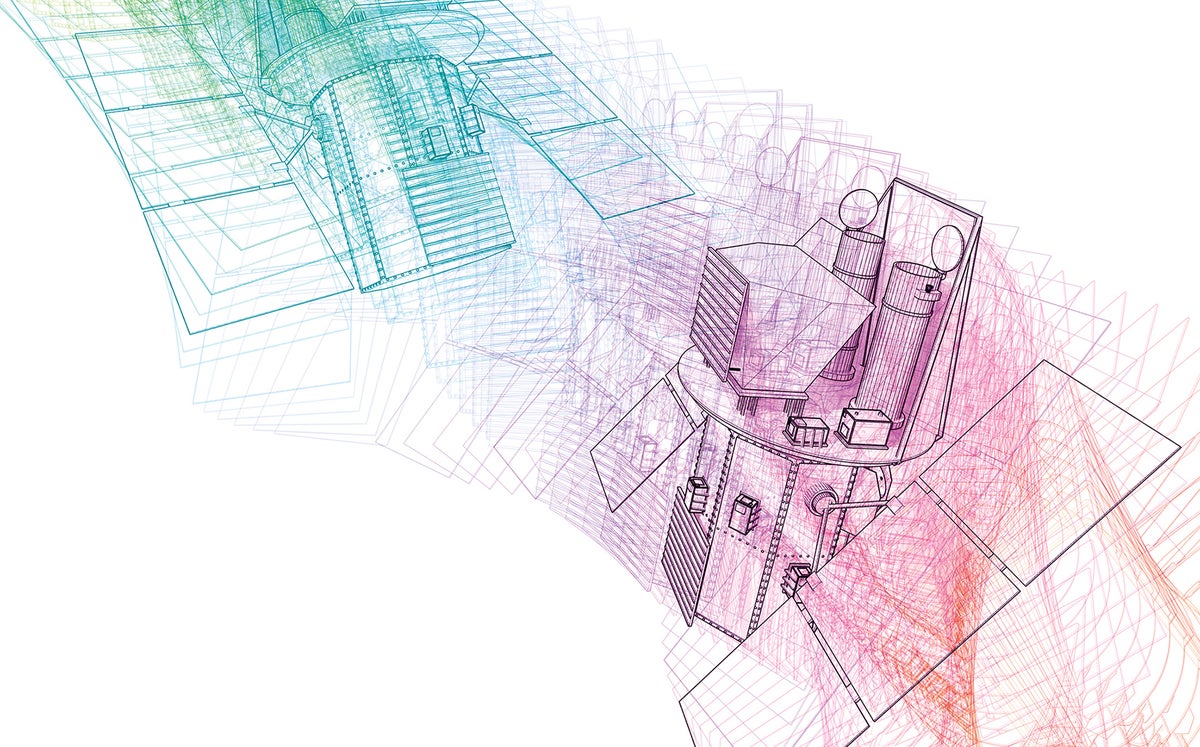
NASA’s rescue mission for the Swift space telescope has failed

The space agency’s Neil Gehrels Swift Observatory, which studied cataclysmic cosmic explosions, is expected to burn up in Earth’s atmosphere later this year

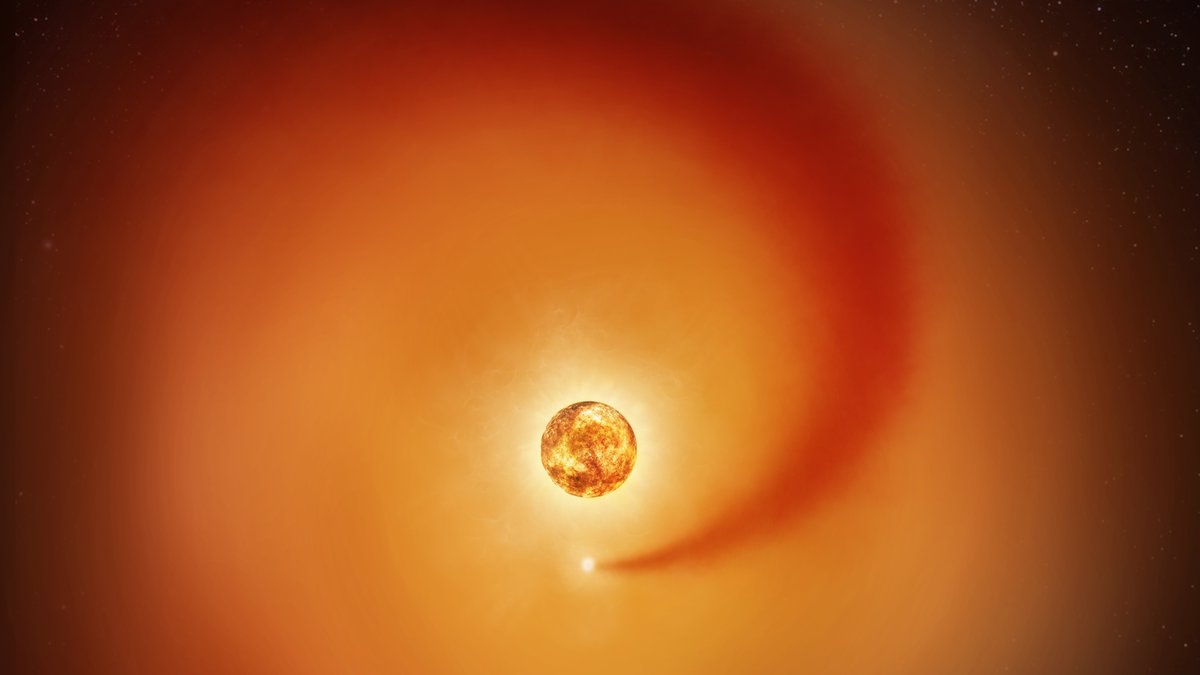
What happens when Betelgeuse blows its top?

Betelgeuse, the sky’s most famous red supergiant, is well studied but poorly understood

Some microbes could survive on the moon—that’s a big problem for NASA

Five common microorganisms found on Earth could survive at the lunar south pole, a new study finds, presenting a contamination risk for future human missions

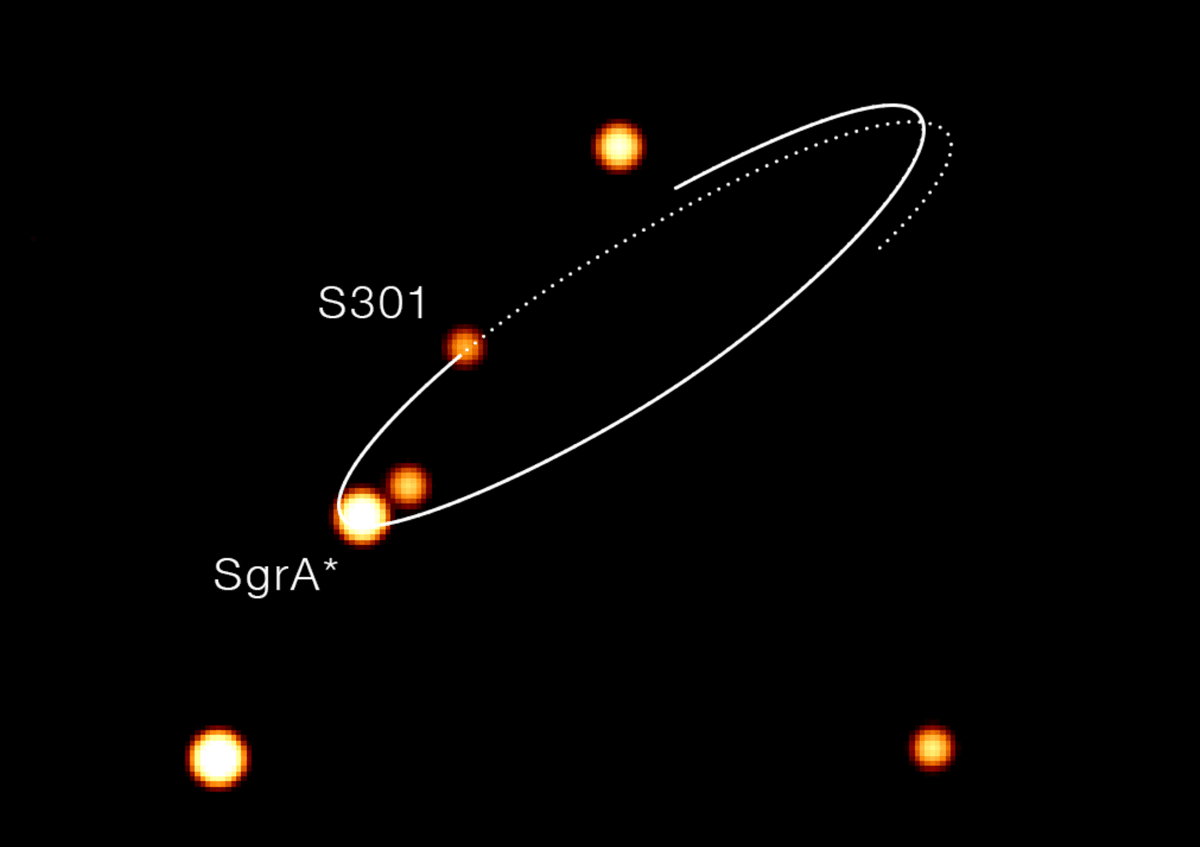
The Milky Way’s fastest star could expose our black hole’s spin

The star S301 swoops so close to our galaxy’s supermassive black hole that it could, for the first time ever, reveal that dark behemoth’s rotation

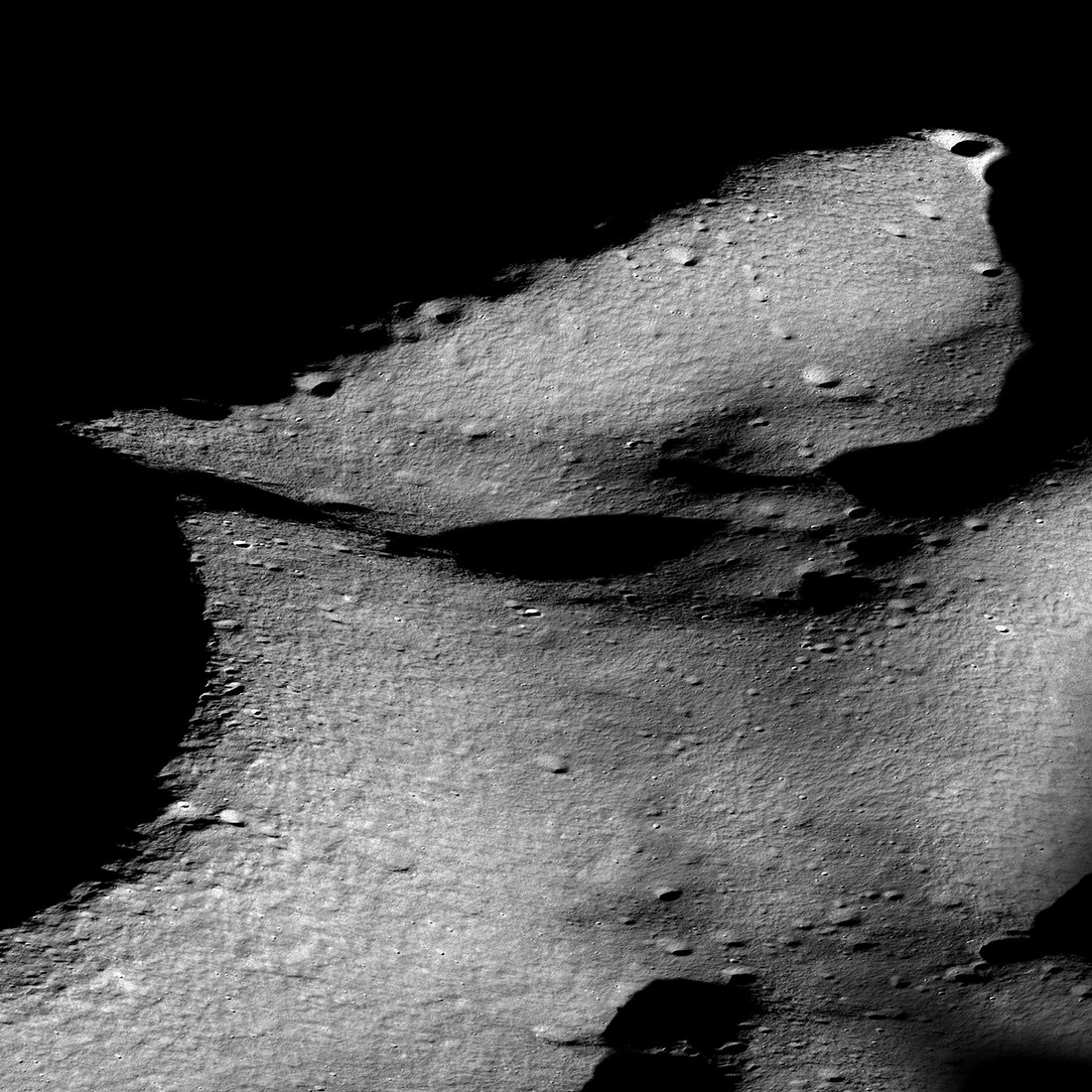
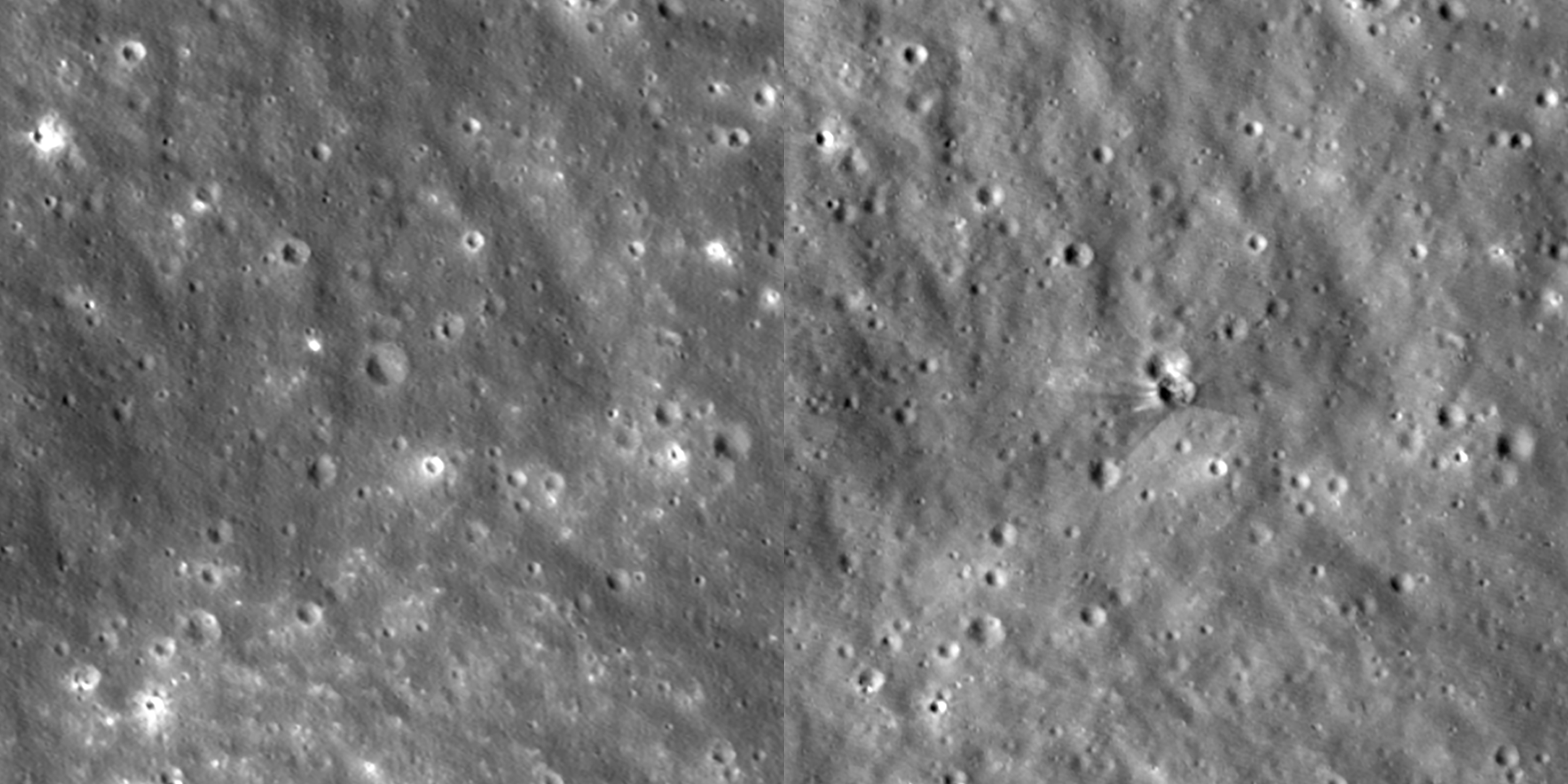
NASA images reveal 60-foot-wide crater on moon left by SpaceX rocket

The SpaceX rocket fragment hit the moon at several times the speed of sound on August 5

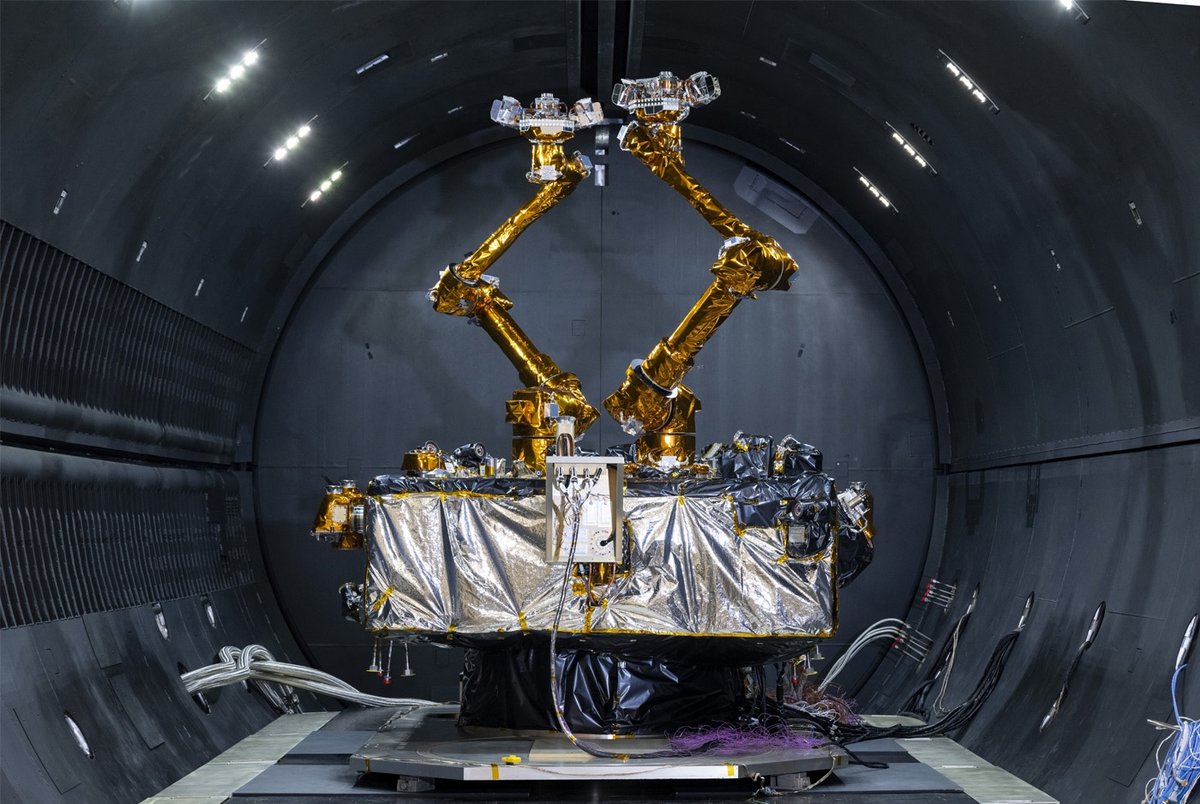
Robotic rescue missions are sparking a spaceflight revolution

Two new missions are revealing how robotic repair and assembly could become routine on the final frontier

388 years ago Galileo worked out why human giants can’t exist—and explained a law of physics

Giants have featured in stories for millennia, but the reason why they don’t exist helps explain the natural world

What We're Reading
  • A detailed look at NASA's plans to keep the Voyager spacecrafts alive. | The New York Times
  • Scientists discover whale calls adhere to Einstein's theory of special relativity. | Gizmodo
  • Most places on Earth have lost their dark skies and it's contributing to declining mental health. | Space Daily

From the Archive
Inside NASA’s audacious plan to save a doomed space telescope

NASA’s Swift space telescope is doomed to burn up in Earth’s atmosphere later this year. A daring mission to boost it to safety could have big implications for science

Scientist Pankaj

Russian 'space activity' changes US Air Force flight

Private mission to save NASA's ...