Plus, how hidden math prevents texting gibberish ͏ ͏ ͏ ͏ ͏ ͏ ͏ ͏ ͏ ͏ ͏ ͏ ͏ ͏ ͏ ͏ ͏ ͏ ͏ ͏ ͏ ͏ ͏ ͏ ͏ ͏ ͏ ͏ ͏ ͏ ͏ ͏ ͏ ͏ ͏ ͏ ͏ ͏ ͏ ͏ ͏ ͏ ͏ ͏ ͏ ͏ ͏ ͏ ͏ ͏ ͏ ͏ ͏ ͏ ͏ ͏ ͏ ͏ ͏ ͏ ͏ ͏ ͏ ͏ ͏ ͏ ͏ ͏ ͏ ͏ ͏ ͏ ͏ ͏ ͏ ͏ ͏ ͏ ͏ ͏ ͏ ͏ ͏ ͏ ͏ ͏ ͏ ͏ ͏ ͏ ͏ ͏ ͏ ͏ ͏ ͏ ͏ ͏ ͏ ͏ ͏ ͏ ͏ ͏ ͏ ͏ ͏ ͏ ͏ ͏ ͏ ͏ ͏ ͏ ͏ ͏ ͏ ͏ ͏ ͏ ͏ ͏ ͏ ͏ ͏ ͏ ͏ ͏ ͏ ͏ ͏ ͏ ͏ ͏ ͏ ͏ ͏ ͏ ͏ ͏ ͏ ͏ ͏ ͏ ͏ ͏ ͏ ͏ ͏ ͏
September 18, 2026—Living fog, first cosmic light at NASA’s latest space telescope and a dolphin that scares fish and eats their semi-digested lunch.
—Robin Lloyd, Contributing Editor
|
|
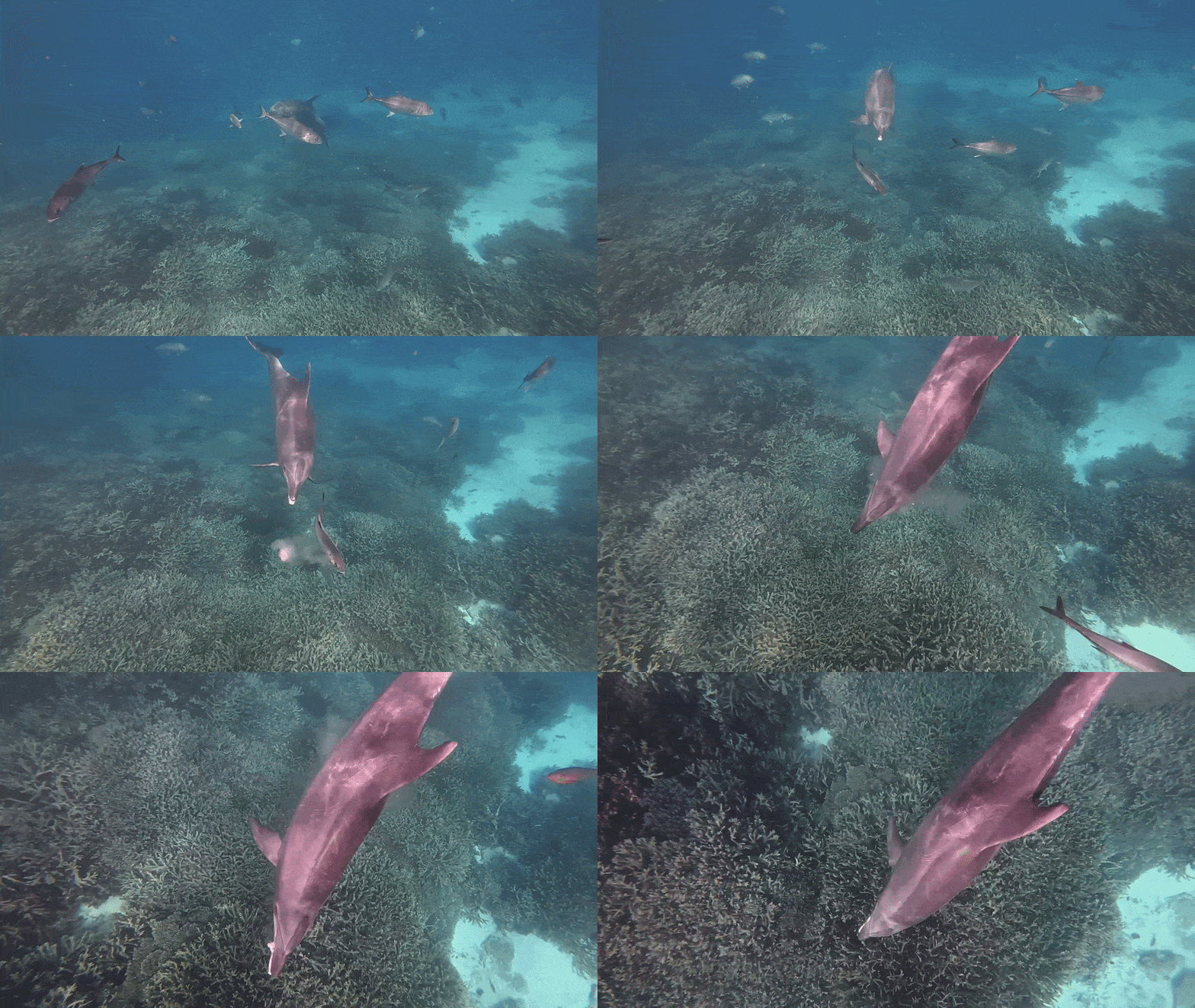
This dolphin terrifies fish until they puke—and then eats it. The observations offer compelling evidence of kleptoparasitism—the act of stealing food from other animals—in a cetacean. | 2 min read
NASA’s newest space telescope has glimpsed its first cosmic light. The Nancy Grace Roman telescope is set to scour the universe for signs of dark matter and energy. | 2 min read
Hidden math, derived from a field called high-dimensional sphere packing, keeps your text messages from turning to gibberish. | 8 min read
With measles cases rising in the U.S., Canada and Mexico, as well as a deadly measles outbreak in Bangladesh, experts assess what it would take to reach out-of-control case levels in the U.S. | 2 min read
Our sun is on a long, strange trip to its eventual demise. Here are the key stops along the way, from our star’s life to its death. | 5 min read
Cumulative high-temperature exposures over an entire school year take a toll on education, eroding students’ ability to learn. | 3 min read
What does changing “Lake Ontario” to “Lake America” mean for weather forecasts, now that the National Weather Service has conformed to the presidential mandate? | 3 min read
|
|
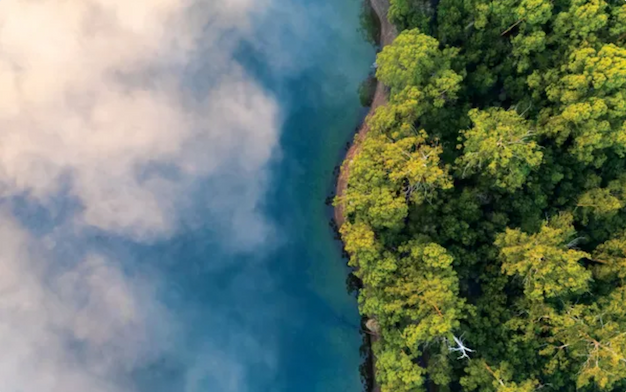
Researchers are finding microbes thriving in their own ecosystems of fog. Justin Paget/Getty Images
|
|
Living Fog
Fog can provide moisture for ecosystems and circulate nutrients and microscopic organisms. But is it a habitat or even an ecosystem in its own right? One recent study shows that microbe populations grew and thrived in fog water collected in Pennsylvania. Inside the fog droplets, scientists found bacteria munching on simple carbon compounds and formaldehyde. Combined with other new fog microbiology results, evidence is building for fog as a habitat.
Why this is interesting: For another fog study, scientists identified more than a dozen different species of fungi and bacteria in samples of early-morning fog collected in the Amazon rainforest. Many of the identified organisms are important players in better known ecosystems, breaking down dead material and cycling nutrients. For now, whether or not these organisms fulfill those roles in fog is “as elusive as the fog itself,” writes independent science journalist Meghan Bartels.
What the experts say: It is now clear that life inside fog droplets can change the chemistry of the atmosphere, says Eli Dueker, an environmental microbiologist at Bard College. “It might be more ephemeral or temporary than an island,” he adds, “but fog droplets are creating tiny microhabitats.”
—Emma Gometz, Newsletter Editor
|
|
|
|
|
Sugar Superuser
Metformin, primarily used to treat or prevent type 2 diabetes, is one of the most prescribed drugs in the U.S., but how it works has been something of a mystery. In a recent study, researchers discovered that the drug essentially transforms a person’s gut cells into a sugar sink, resulting in lowered levels of glucose in the blood. The mechanism: At high-enough levels, metformin blocks oxygen use in the mitochondria, prompting gut cells to switch to a different metabolic pathway that uses much more sugar to produce energy, writes freelance science writer Viviane Callier.
Why this is interesting: The result is counterintuitive. Who would expect that blocking oxygen use in mitochondria, essentially inhibiting the body’s power centers, could end up enhancing health? A 1989 study was on the right track, but it was long overlooked. At the time, French metabolic researcher Jean Girard and his colleagues described how metformin increased the amount of glucose absorbed in the intestines of rats.
What the experts say: “The broader lesson is that inhibiting mitochondria may be beneficial when it is done in the right cells, for the right amount of time, without exposing the whole body to the broad toxicity of a mitochondrial inhibitor,” says Northwestern University mitochondrial biologist Navdeep Chandel.
—Emma Gometz, Newsletter Editor
|
|
|
|
|
|
TRAVEL WITH SCIENTIFIC AMERICAN
|
|
Join us with expert Joseph Howlett, senior reporter, to explore scientific innovation across Switzerland. Each day delves into a different branch of Swiss excellence — from particle physics in Geneva to viticulture science in the vineyards of Lavaux to pioneering energy research in Lausanne, and more! Spaces are limited, book today!
|
|
|
|
|
How closely did you read Scientific American this week? Test yourself with today's science quiz. If you spot any science words missing from Spellements, email them to games@sciam.com. In recent days, reader Tim F and Patrick O found oncogene, and Edward P found esker.
|
|
|
MOST POPULAR STORIES OF THE WEEK
|
|
See the first new species of cat discovered in more than a century—it’s adorable. | 2 min read
If AI can do math, what’s the point of mathematicians? | 13 min read
Why doing nothing is good for your brain. | 4 min read
|
|
Tiny investment, enormous universe: subscribe to Scientific American for 90 days for just $1 and help keep this newsletter going.
|
|
Please send your thoughts, comments or feedback on this newsletter to: newsletters@sciam.com. Andrea will be back on Monday!
—Robin Lloyd, Contributing Editor
|
|
|
|
|
Subscribe to this and all of our newsletters here.
|
|
Scientific American
1000 N West Street, Suite 1200
|
|
|
|
|