Friday, September 11, 2026

Week in Science: What's math without mathematicians?

Plus, 25 years after 9/11 survivors are still getting sick                    
View in web browser
Sponsored by

September 11—This week, AI is running circles around mathematicians. Reporter Joe Howlett spoke to a few about how AI is prompting an existential crisis in the field, and what math could look like without humans. It’s a juicy read. Plus, 25 years after 9/11, survivors are still getting sick. We give you the numbers.

A lot happened in the world of science this week! Take our Friday quiz to test your knowledge.

Emma Gometz, Newsletter Editor

Have thoughts or feedback on our coverage? Email newsletters@sciam.com anytime.

Top Stories
25 years after 9/11, survivors are still getting sick—here are the numbers

A quarter of a century after the Twin Towers fell, those who lived through the attacks are still seeking care for myriad illnesses, including cancers, post-traumatic stress disorder, and more

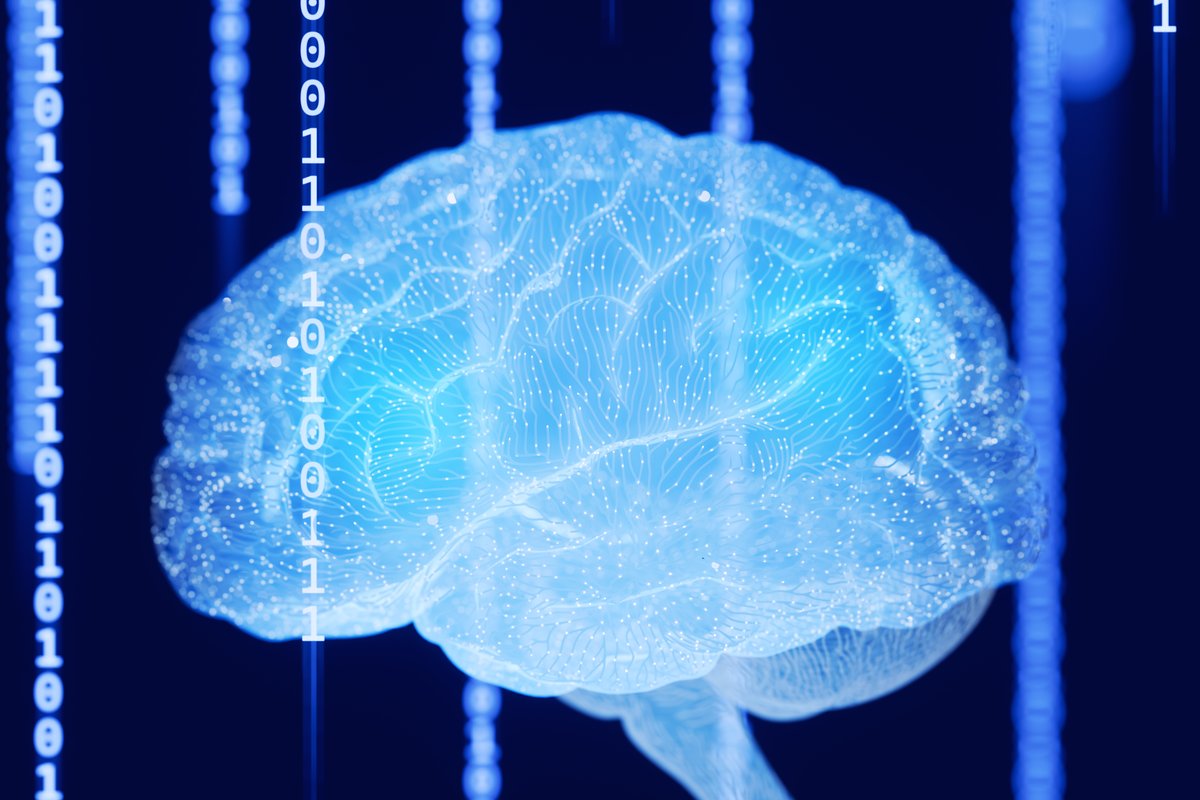
If AI can do math, what’s the point of mathematicians?

What happens when machines surpass the most brilliant human minds? Mathematicians are finding out

Sponsored Content by Archaeological Paths
Join the Egypt Tour of the Century

Join Archaeological Paths on the most extraordinary tour of Egypt ever created. Witness the “Eclipse of the Century”—the longest total solar eclipse of our lifetime—from the Lost Golden City, Egypt’s own “Discovery of the Century.” Learn more

AI may have just solved a million-dollar math problem. The field will never be the same

A mathematician compared the feat to the history-making chess competition in which IBM’s Deep Blue computer beat Garry Kasparov in 1997

Scientists unlock new clues to what a mysterious ancient human ancestor looked like

An analysis of ancient bones found in a Chinese cave offer glimpses of how Denisovans lived more than 130,000 years ago

A subscription to Scientific American helps make this newsletter possible—and gives you full access to the stories that spark your curiosity. Start your subscription today: 90 days for just $1.
OpenAI claims blockbuster math breakthrough amid swirl of controversy

Prior to the announcement, rumors were circulating online among mathematicians over the proof’s origins—OpenAI has denied all allegations

Was this record-setting encryption crack a fluke—or the new normal?

A researcher’s social media post that revealed how to break part of a popular encryption protocol has gone viral. But did he really do it with just “good old paper and pencil”?

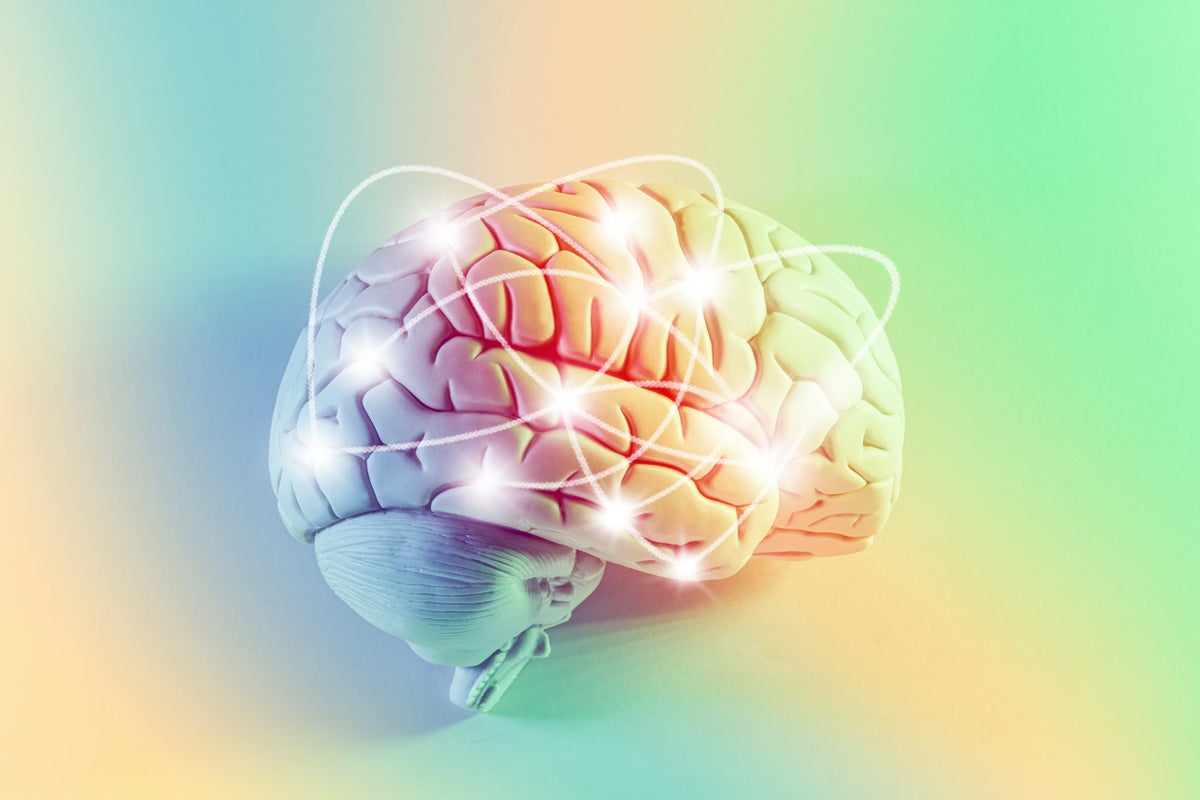
Something unique seems to be happening to the brain in menopause

A new study finds sharp contrasts between brain changes in menopause and those during pregnancy and puberty

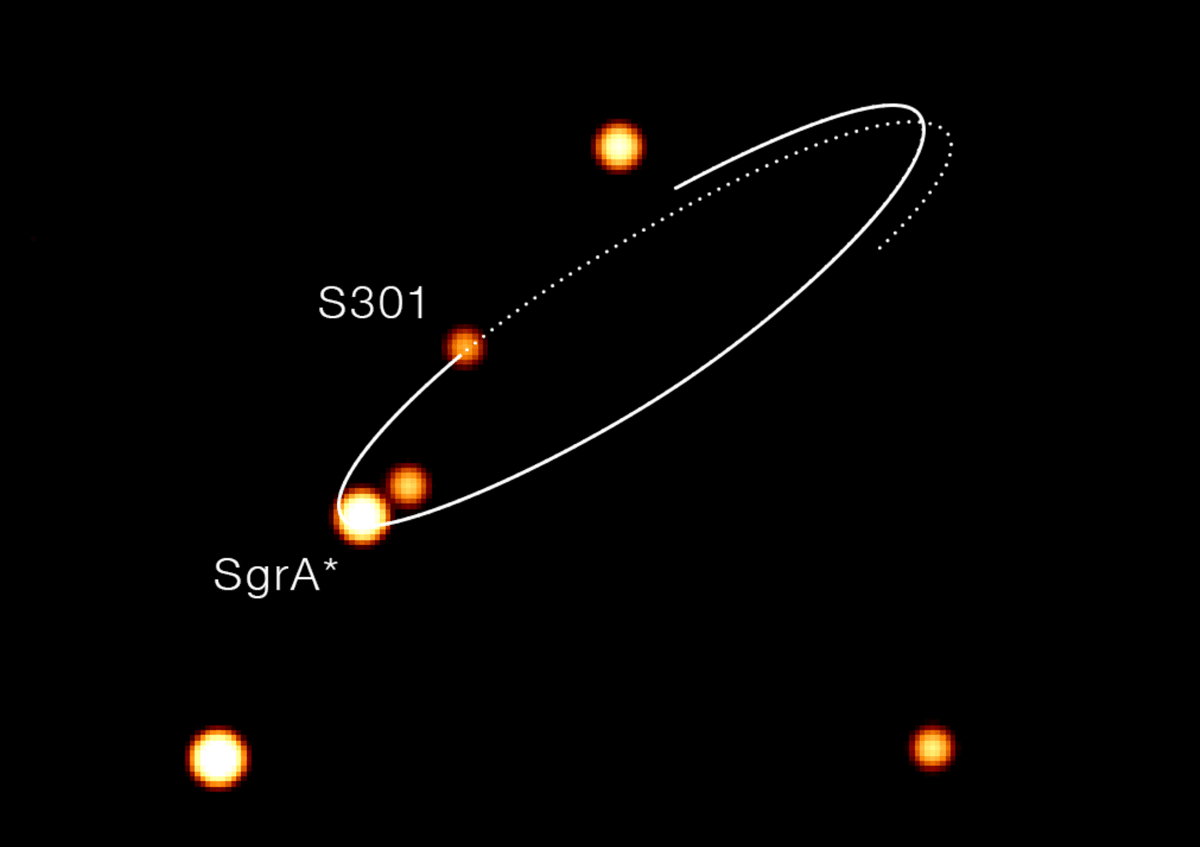
The strangest sky in the galaxy

The newfound star S301 orbits the Milky Way’s supermassive black hole so closely that its view of the heavens gets twisted

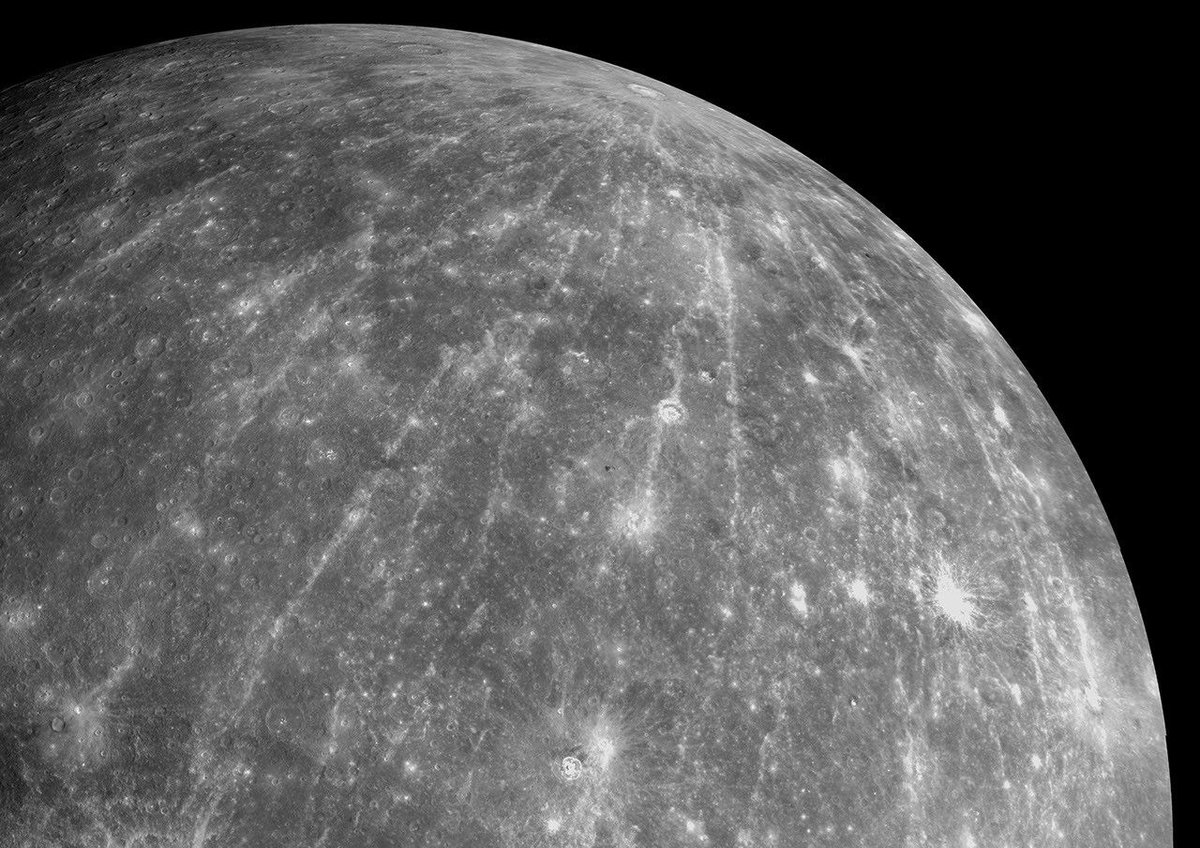
The planet Mercury is shrinking far faster than we thought

The planet’s “wrinkles” give scientists a clue into how the world is contracting in size

Music helps soothe the brain when we are stressed

Music doesn’t just mask stress; it guides our brains back to a calm state

Gray whales are washing up dead on the West Coast. The reason is alarming

Up and down the Pacific coast, dead gray whales are mysteriously washing ashore—and scientists think they know why

Indonesian volcano erupts with enough force to see from space

NASA’s satellites captured the aftermath of the eruption, which lasted for more than a day

2026 Ig Nobels honor cockroach milk, interspecies kissing, taunting venomous snakes, and more

The silliest science awards of the year are here, but the Ig Nobels aren’t just funny business

Scientist Pankaj

"Odd couple" black holes can find each other in space

Plus, 9/11 survivors are still getting sick—here are the numbers ͏  ͏  ͏  ͏  ͏  ͏  ͏  ͏  ͏  ͏  ͏  ͏  ͏  ͏  ͏  ͏  ͏  ͏  ͏  ͏  ͏  ͏  ͏  ͏  ͏...