Thursday, September 3, 2026

Space & Physics: Did we just discover dark matter?

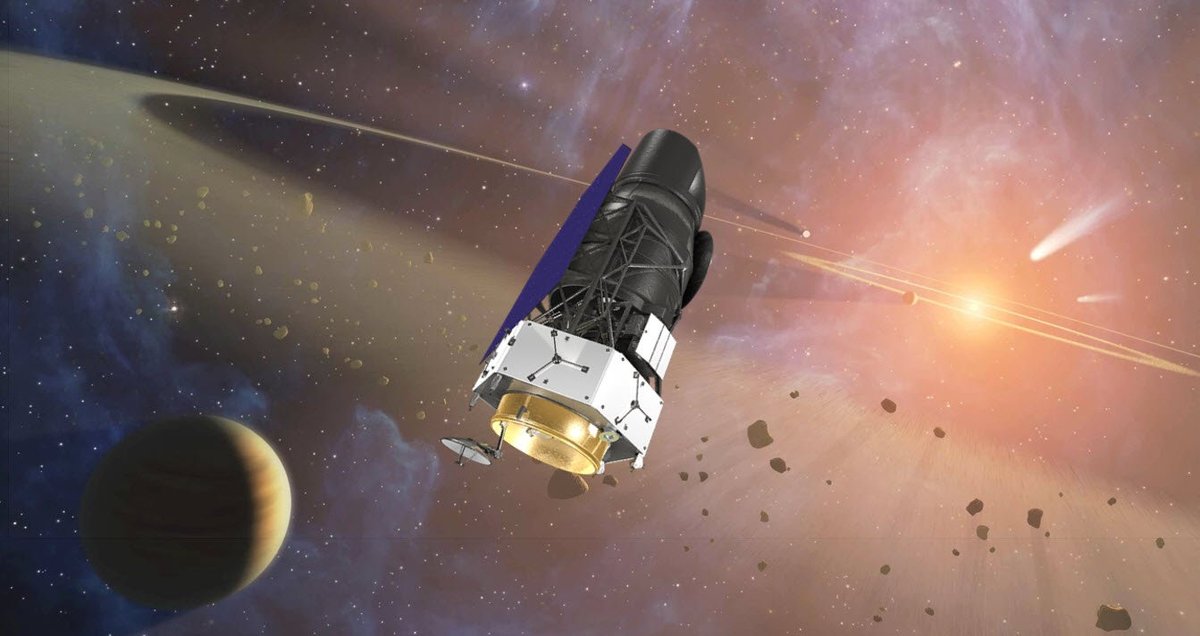
Plus, NASA's Roman Space Telescope launches                    

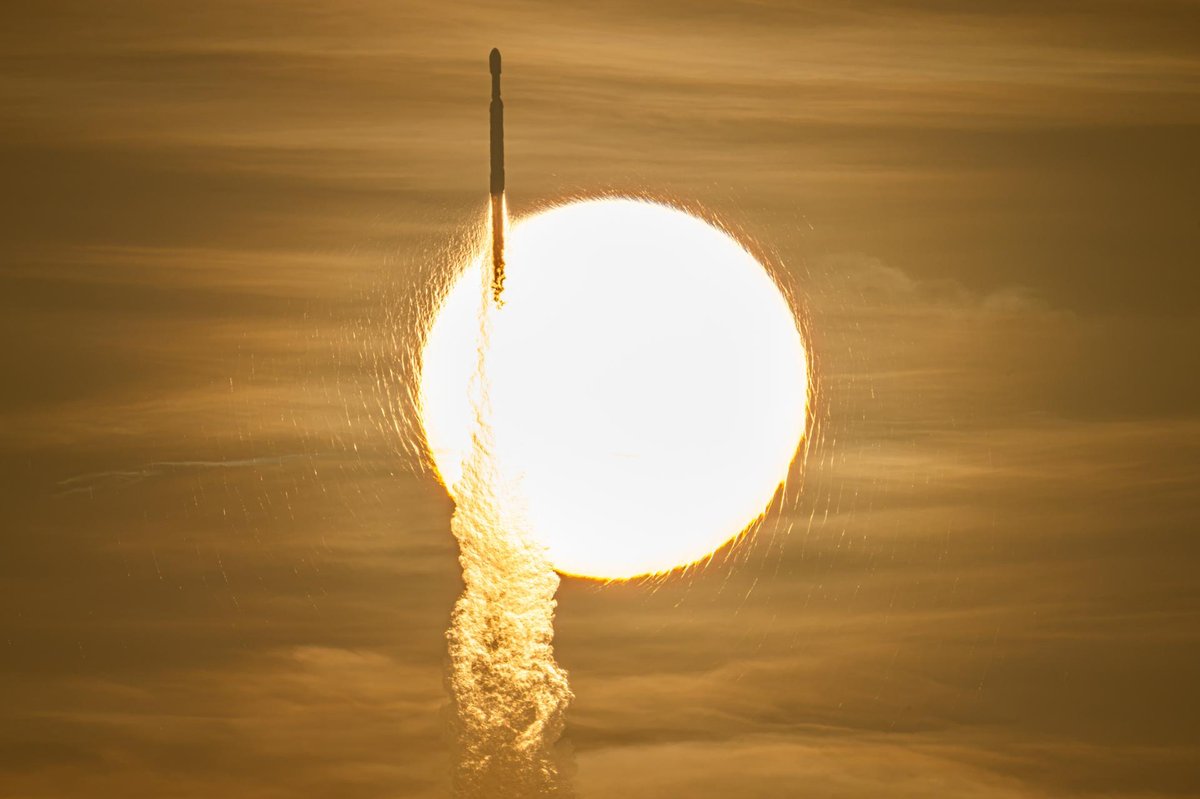
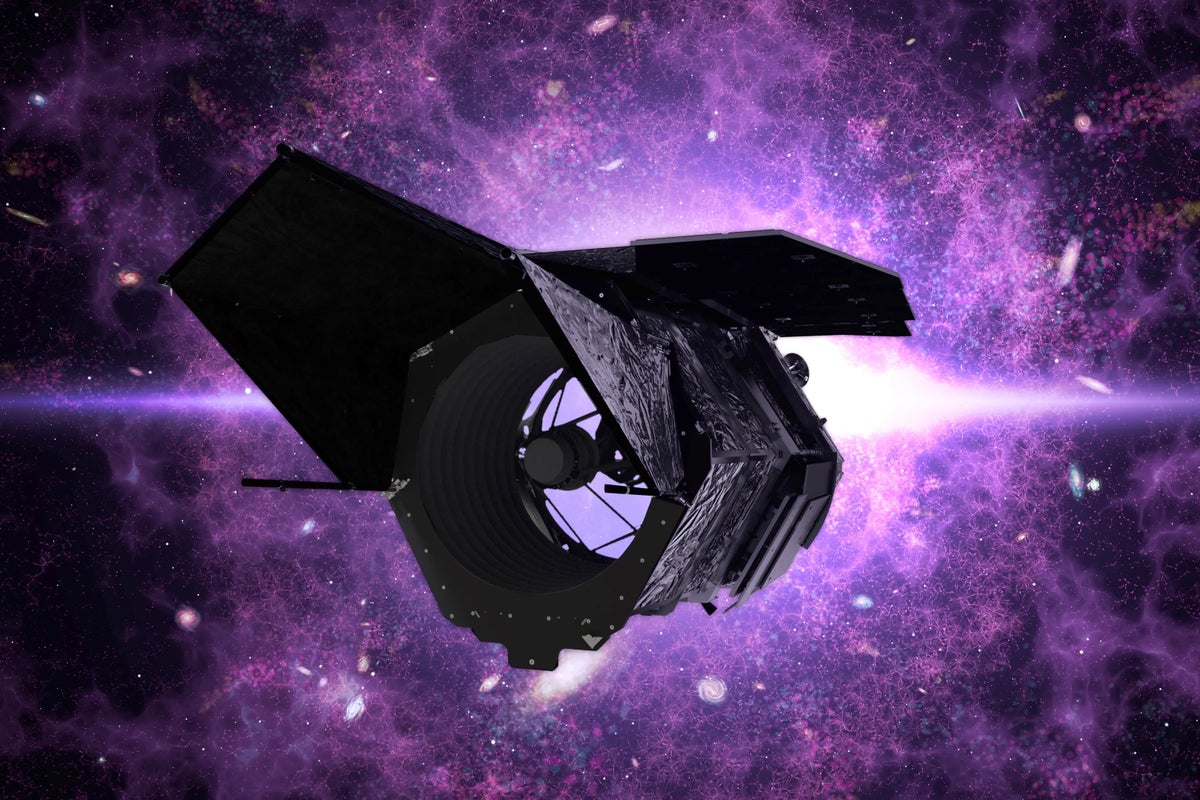
September 3—This week, we’re full-up with stories about the debut of NASA’s Nancy Grace Roman Space Telescope, which launched Sunday morning on a mission to study (among other things) dark matter. But by chance a potential dark-matter breakthrough came two days later, not from the heavens above but from a laboratory buried a mile beneath the ground. There, scientists say, they may have found the first-ever particle of dark matter detected on Earth. All that and more is below. Enjoy!

Thoughts? Questions? Let me know via e-mail (lbillings@sciam.com), X or Bluesky.

Lee Billings, Senior Editor, Physical Sciences

Top Stories
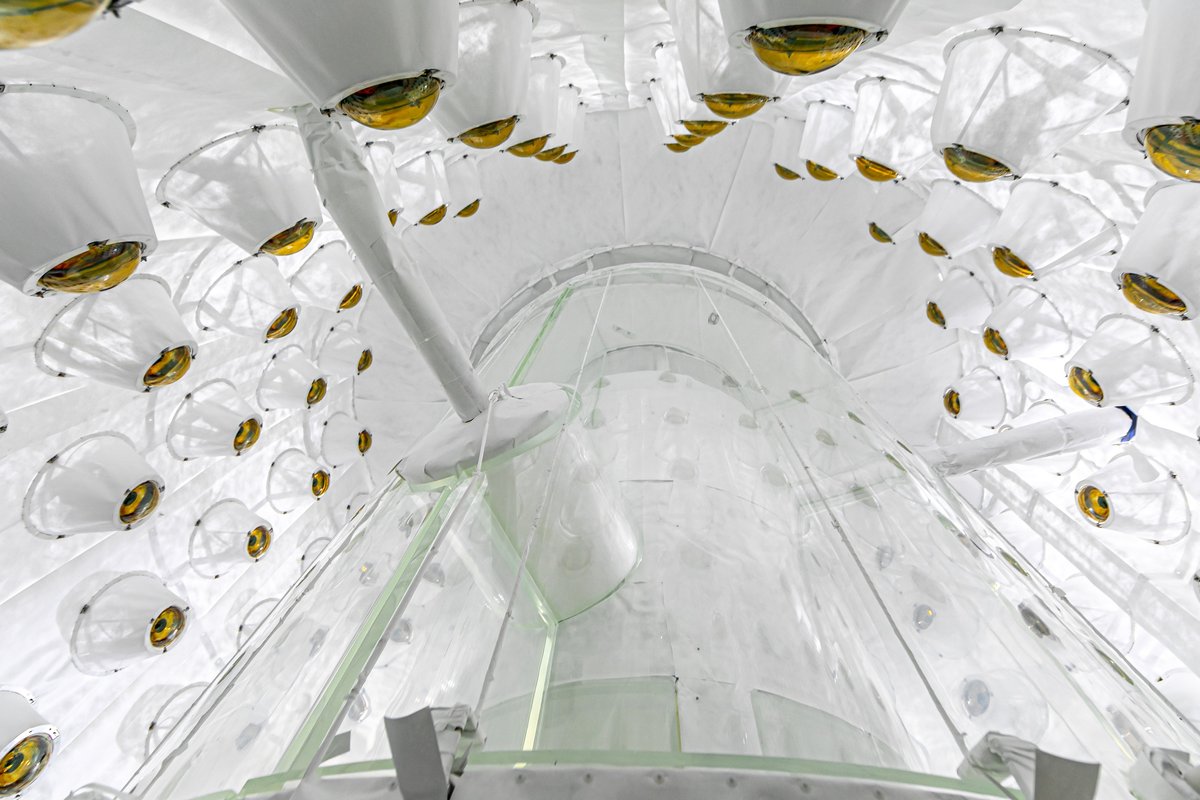
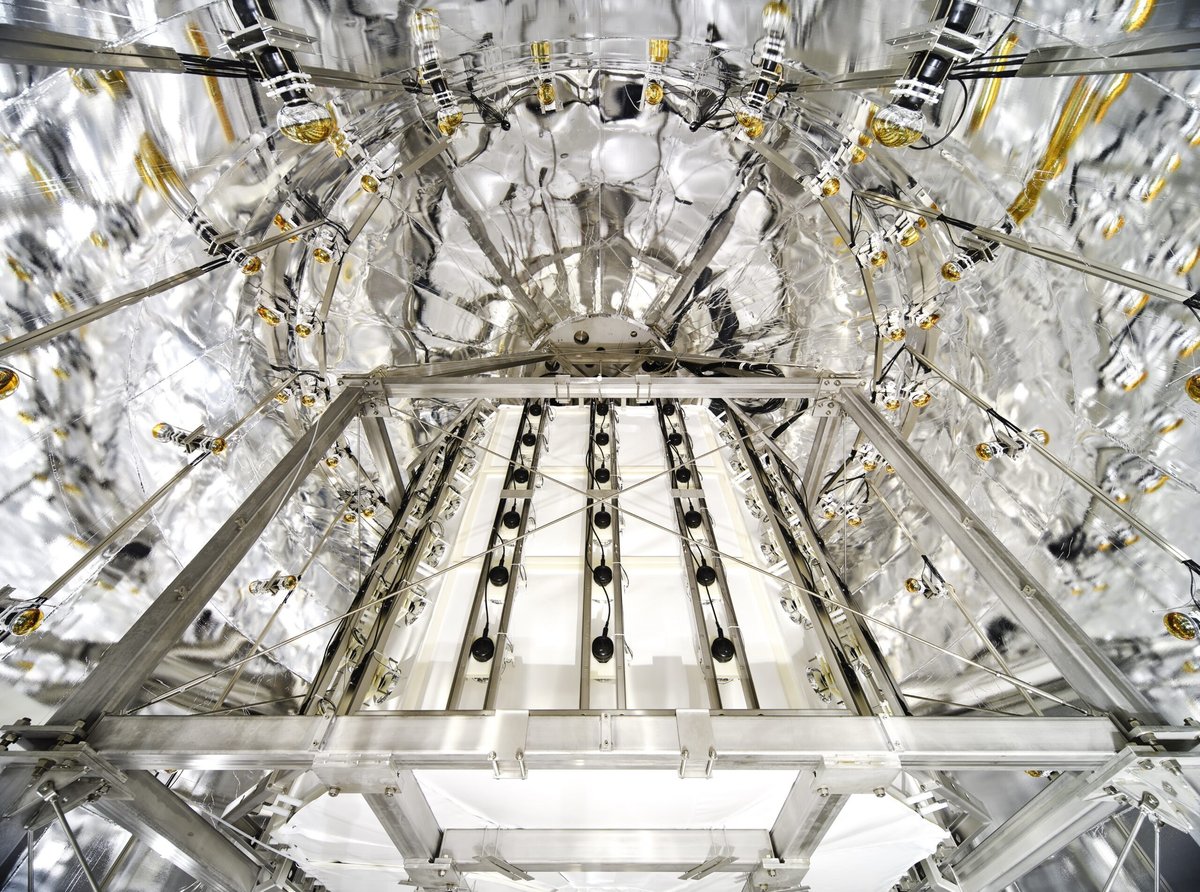
Have we finally found dark matter?

The world’s biggest dark matter search saw a particle it cannot explain

Ten cosmic discoveries we’ll get from NASA’s Roman Space Telescope

NASA’s Roman Space Telescope will open a whole new window on the cosmos. Here are 10 things it’s likely to show us

Big universe, tiny cost. Immerse yourself in science with a subscription to Scientific American. Get 90 days for just $1!
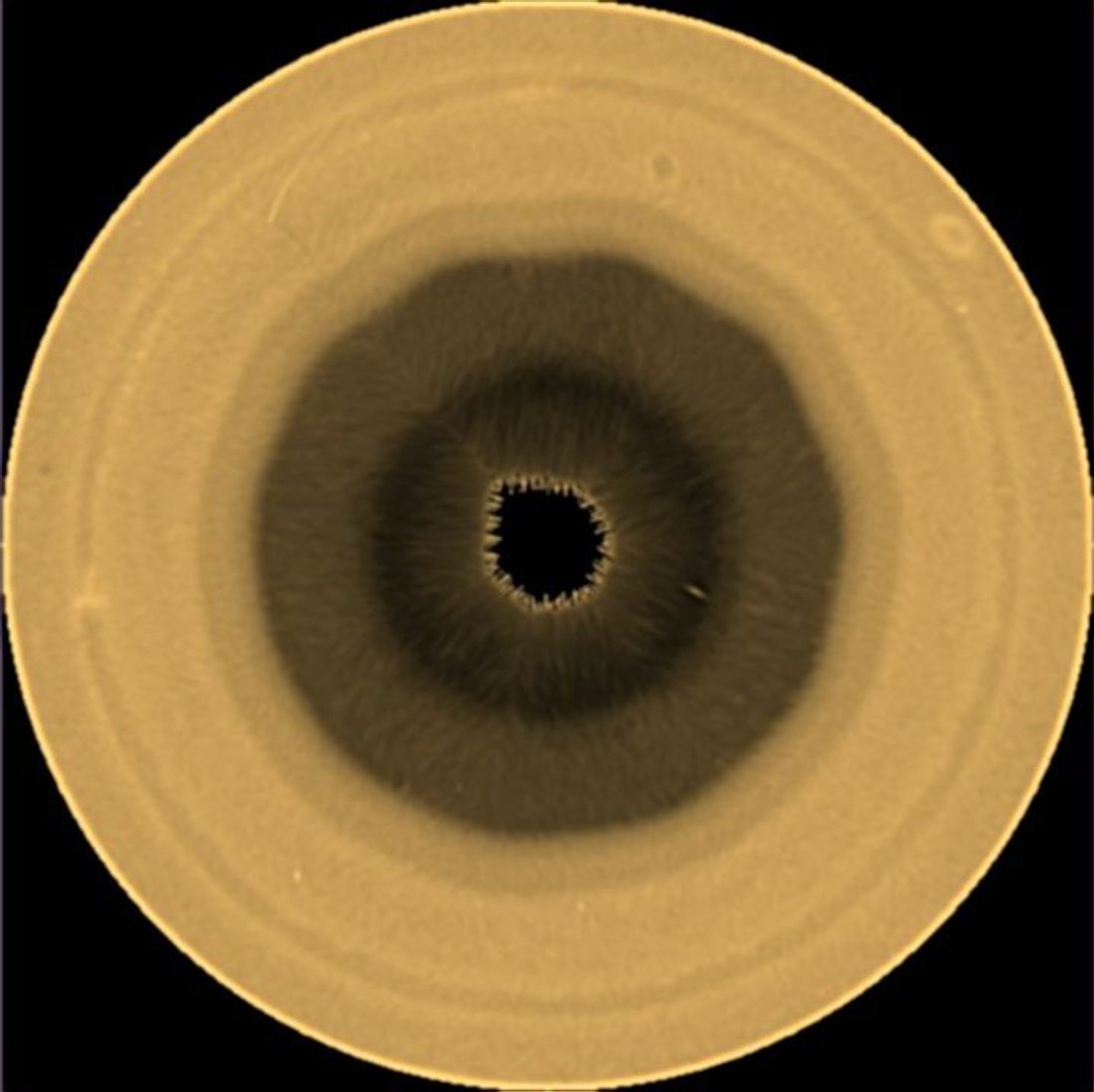
Scientists discover a mysterious wave shaped like a decagon in Saturn’s atmosphere

The strange structure appears to have formed recently, but nobody can explain exactly why

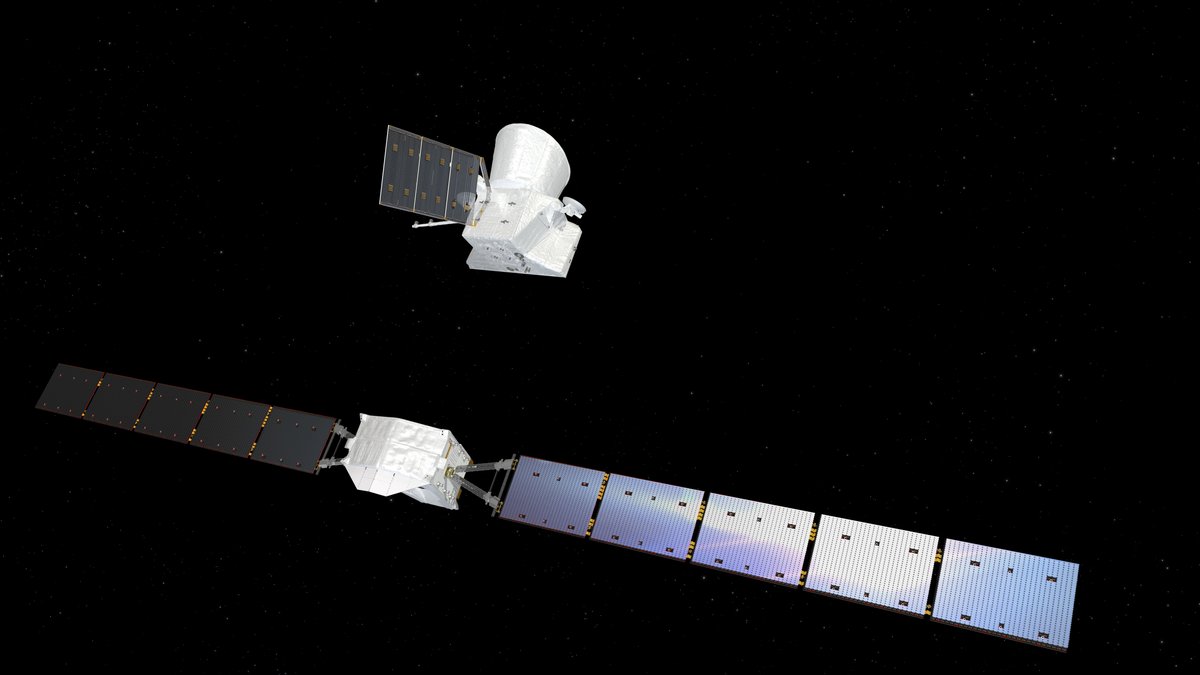
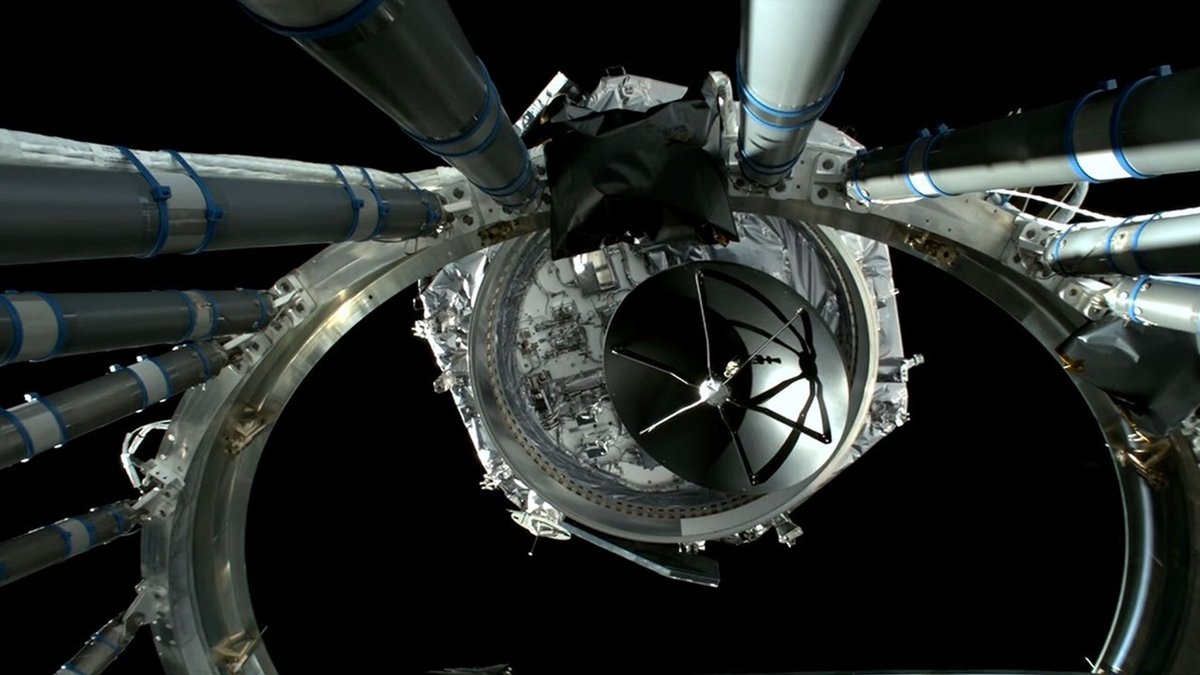
After 8 years in space, the spacecraft BepiColombo is finally nearing Mercury

In a critical maneuver on Thursday, the mission successfully deployed its two science orbiters—beginning the final phases of its arrival at Mercury

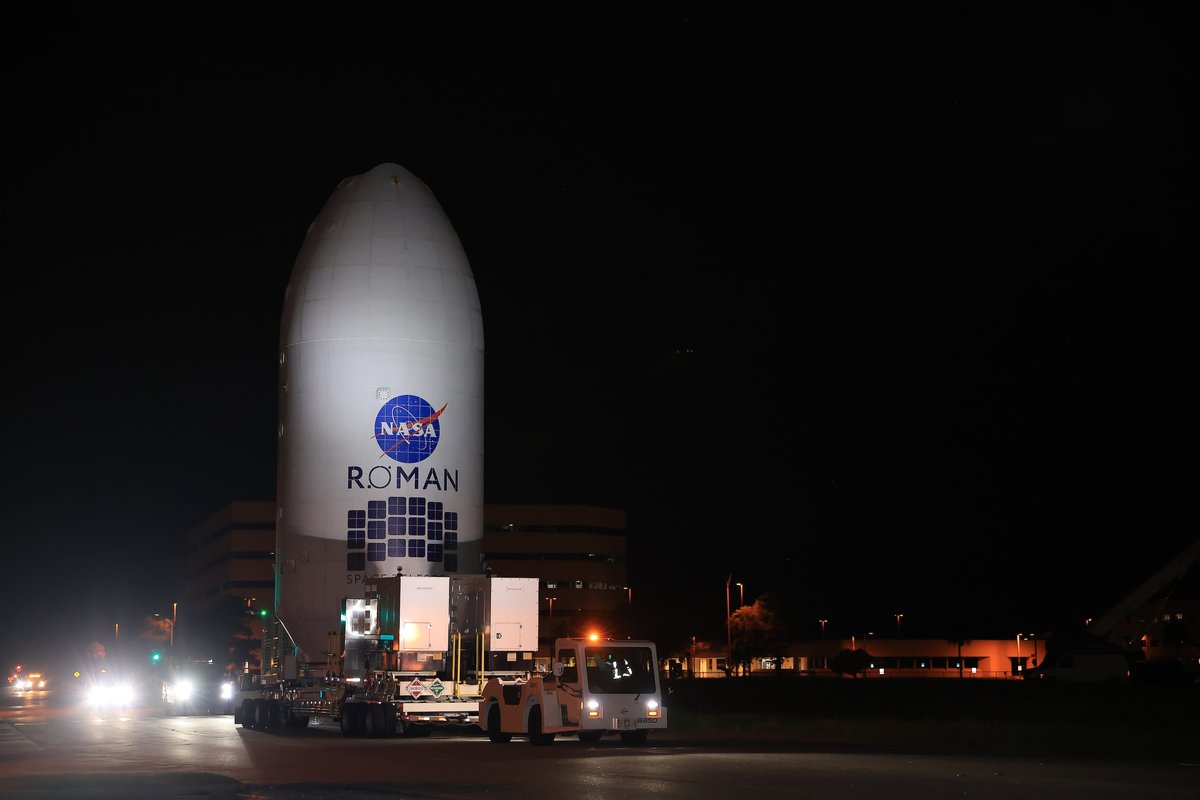
NASA’s Roman Telescope lifts off, starting a mission to explore the universe’s biggest mysteries

The Nancy Grace Roman Telescope will probe dark matter and dark energy, discover exoplanets and study stars

What’s next for NASA’s new Roman Space Telescope?

After a flawless launch, the Nancy Grace Roman Space Telescope is on a mission to solve some of the universe’s biggest mysteries

NASA’s Roman Space Telescope could find alien Earths—but not like you think

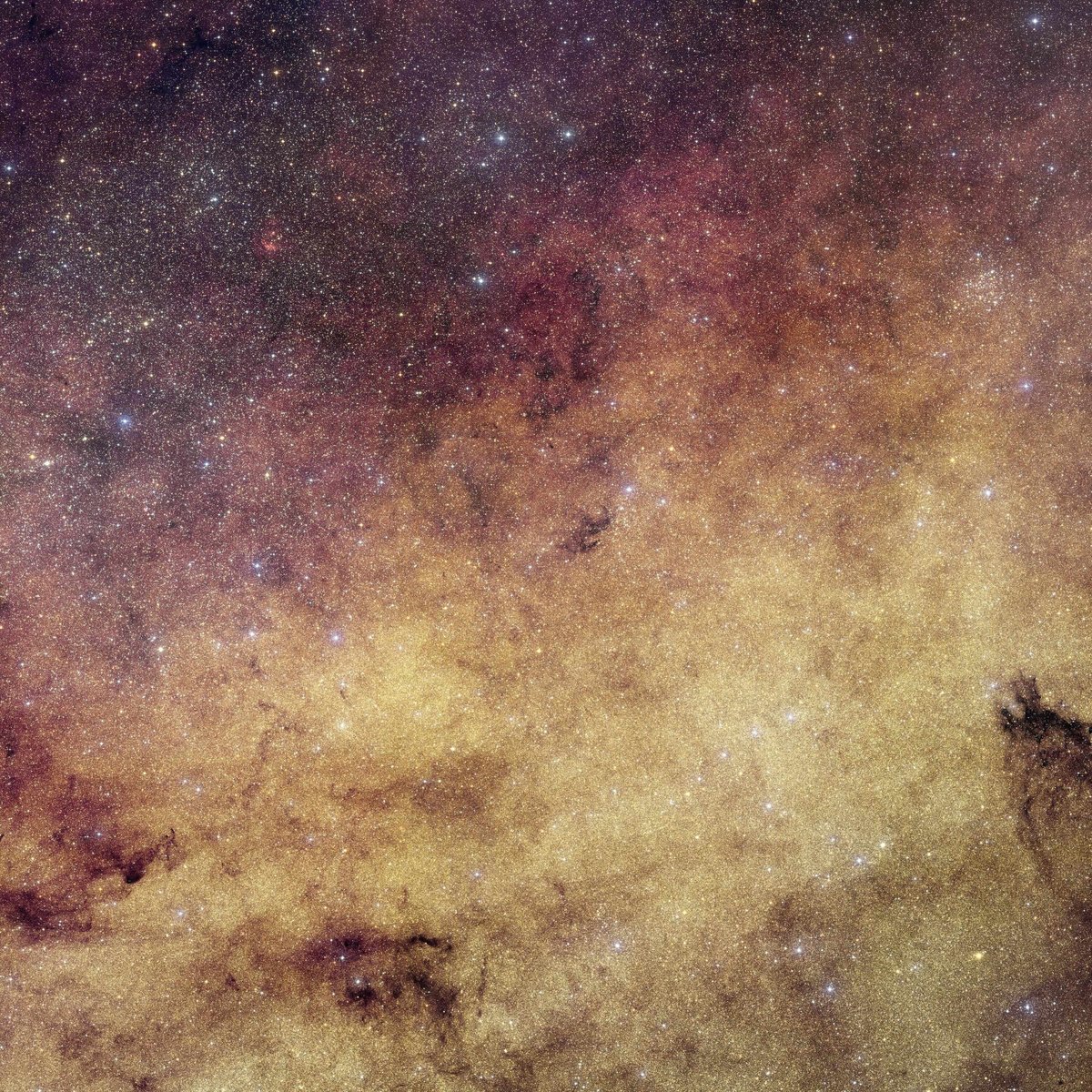
The Roman Space Telescope will spend more than a quarter of its time staring at the Milky Way’s bulge, a star-packed central region of our galaxy that may swarm with small, rocky exoplanets

This quirky spot in space is where NASA’s Roman Telescope will call home

The Nancy Grace Roman Telescope is headed toward a Lagrange point, a critical position in outer space where gravitational forces behave in specific ways

To see exoplanets, NASA’s Roman Space Telescope will throw shade on stars

NASA’s newest major observatory will include the most advanced planet-imaging tech ever flown in space. Here’s how it works

Dark matter experiment catches quietest neutrinos ever measured

In its hunt for dark matter, the XENONnT experiment has detected the rare, feeble glow of neutrinos smacking into electrons

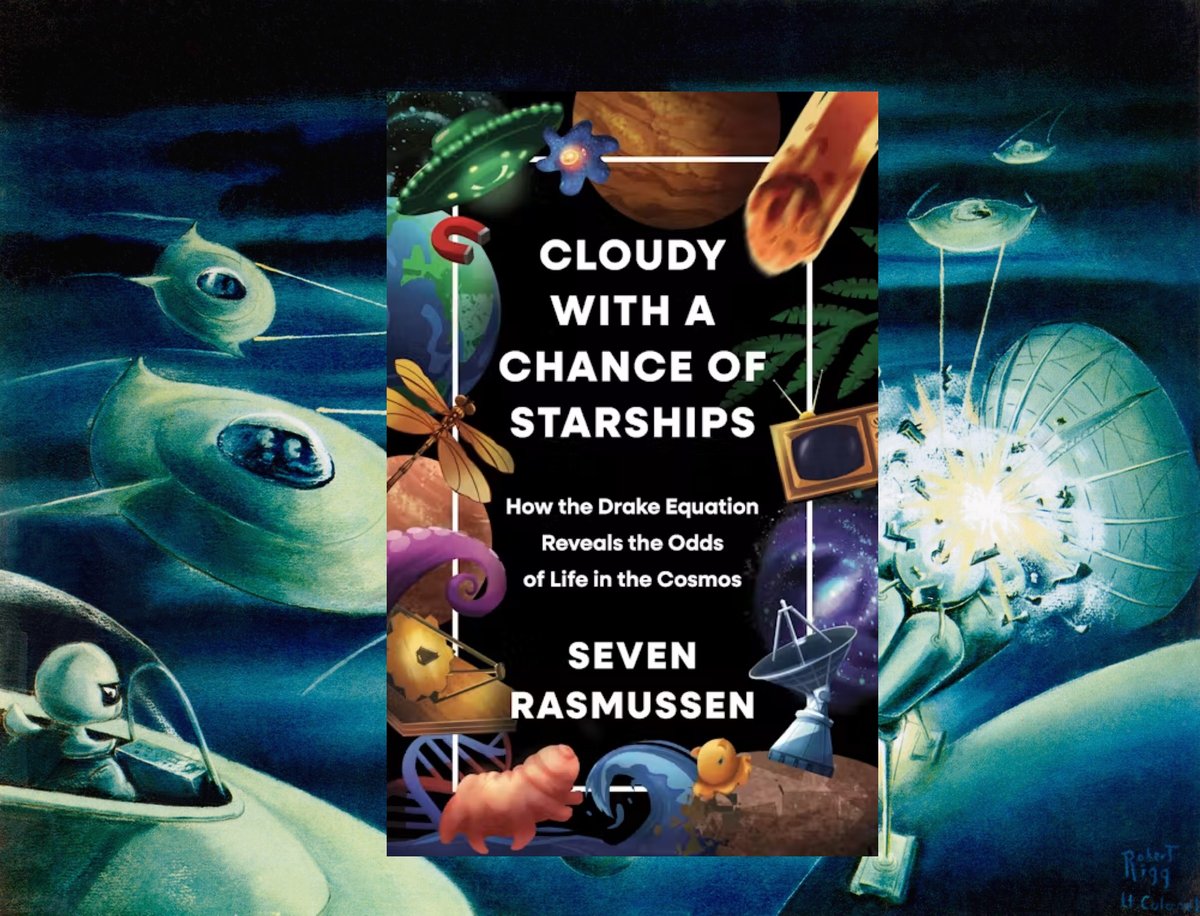
Where are all the aliens? A new book explores possible answers

Seven Rasmussen, an astrobiologist and author of the new book Cloudy with a Chance of Starships, gives readers a tour of the astonishing science behind modern searches for alien life

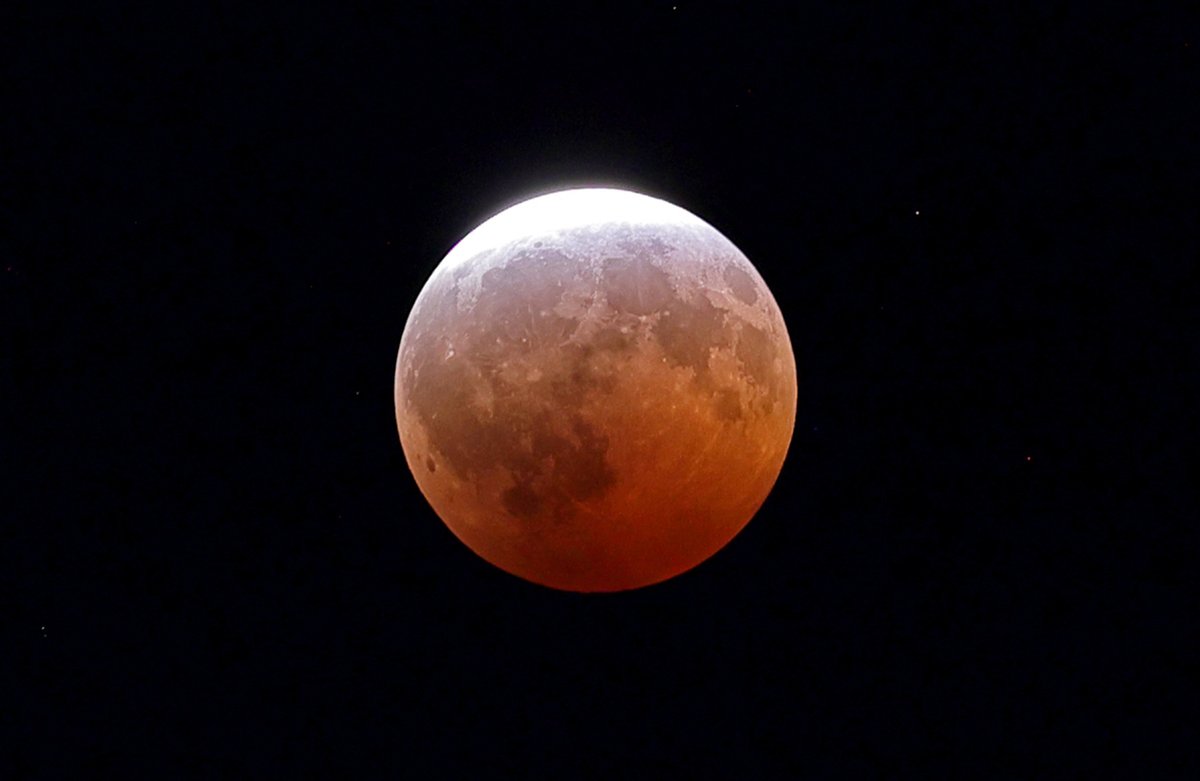
See last night’s ‘blood moon’ eclipse from around the world

In a near-total lunar eclipse, the moon turned red-orange for viewers in North America, Europe and Africa

What We're Reading
  • Nonprofit wants to launch 80,000-year mission to Alpha Centauri in 2029 | Space.com
  • Wary of Artemis IV timeline, NASA is changing lunar spacesuit design | Ars Technica
  • How to Train An Astronaut: Visiting NASA in Houston | Supercluster

From the Archive
In the Dark about Dark Matter

Recent disappointments have physicists looking beyond WIMPs for dark matter particles

Scientist Pankaj

Space & Physics: Did we just discover dark matter?

Plus, NASA's Roman Space Telescope launches                     ...