Consciousness researchers can't agree on what it even means ͏ ͏ ͏ ͏ ͏ ͏ ͏ ͏ ͏ ͏ ͏ ͏ ͏ ͏ ͏ ͏ ͏ ͏ ͏ ͏ ͏ ͏ ͏ ͏ ͏ ͏ ͏ ͏ ͏ ͏ ͏ ͏ ͏ ͏ ͏ ͏ ͏ ͏ ͏ ͏ ͏ ͏ ͏ ͏ ͏ ͏ ͏ ͏ ͏ ͏ ͏ ͏ ͏ ͏ ͏ ͏ ͏ ͏ ͏ ͏ ͏ ͏ ͏ ͏ ͏ ͏ ͏ ͏ ͏ ͏ ͏ ͏ ͏ ͏ ͏ ͏ ͏ ͏ ͏ ͏ ͏ ͏ ͏ ͏ ͏ ͏ ͏ ͏ ͏ ͏ ͏ ͏ ͏ ͏ ͏ ͏ ͏ ͏ ͏ ͏ ͏ ͏ ͏ ͏ ͏ ͏ ͏ ͏ ͏ ͏ ͏ ͏ ͏ ͏ ͏ ͏ ͏ ͏ ͏ ͏ ͏ ͏ ͏ ͏ ͏ ͏ ͏ ͏ ͏ ͏ ͏ ͏ ͏ ͏ ͏ ͏ ͏ ͏ ͏ ͏ ͏ ͏ ͏ ͏ ͏ ͏ ͏ ͏ ͏ ͏
September 16, 2026—We consider another intractable problem in science: What is consciousness? Plus, the state of the ozone hole and a Nobel-winning physicist says we're not worried enough about nuclear war.
—Andrea Gawrylewski,
Chief Newsletter Editor
|
|
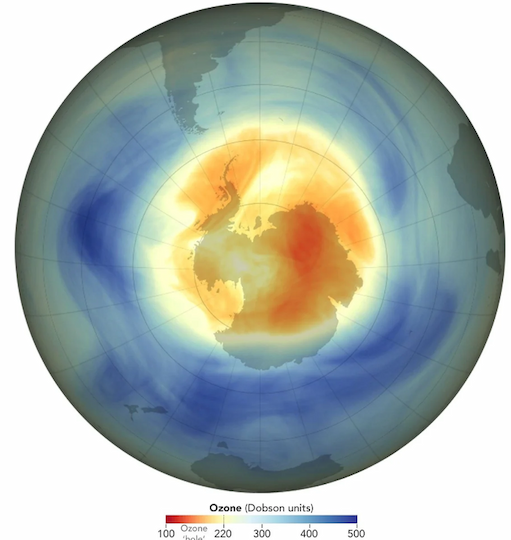
A map shows the size and shape of the ozone hole over the South Pole on the day of its maximum extent in 2025. NASA Earth Observatory image by Lauren Dauphin, using data courtesy of NASA Ozone Watch and GEOS-5 data from the Global Modeling and Assimilation Office at NASA GSFC
|
|
The hole in Earth’s ozone layer is significantly smaller than it’s been in recent history, though it's healing at a slower rate than scientists had predicted it might, according to an annual checkup. | 2 min read
A new blood test, called PANXEON, can accurately detect pancreatic cancer in its early stages and could even identify precancerous signs, enabling doctors to quickly intervene and treat the disease. | 2 min read
A search for the most complex elliptic curves has taken mathematicians years. Claude beat the record in days. | 3 min read
Some AI experts and lawmakers are calling for an AI "kill switch." Here's how that might work. | 3 min read
|
|
What is Mind?
One of science’s enduring mysteries: consciousness. We humans know we are conscious, but can barely define what it means. In some disciplines, “consciousness” means “sentience”; in others, “awareness.” Still others use it interchangeably with “experience” or “qualia,” writes Tim Bayne, a philosopher of mind and cognitive science at Monash University in Melbourne, Australia. These are all states that it “feels like something” to be in (as opposed to the unfeeling of dreamless sleep), and which philosopher Ned Block called “phenomenal consciousness.”
Why this matters: To fundamentally understand the concept, we may need to release our preconceived notions about it (no matter how undefined). Take the example of pansychism, the philosophical view that consciousness is a fundamental feature of the natural world. This may certainly represent a radically different form of consciousness than the one we humans experience, and to understand it, we may need to forge new concepts. Or in the case of AI, as it becomes increasingly sophisticated, we might find it irresistible to apply the language of consciousness to such systems, even though it doesn’t quite share that ineffable human quality of mind.
What it means: “Science requires concepts that support prediction, explanation and understanding,” writes Bayne. “A good scientific concept is one that cuts nature ‘at its joints,’ bundling together phenomena that share an underlying nature.” For those seeking to understand the nature of awareness, new perspectives may be what’s needed.
|
|
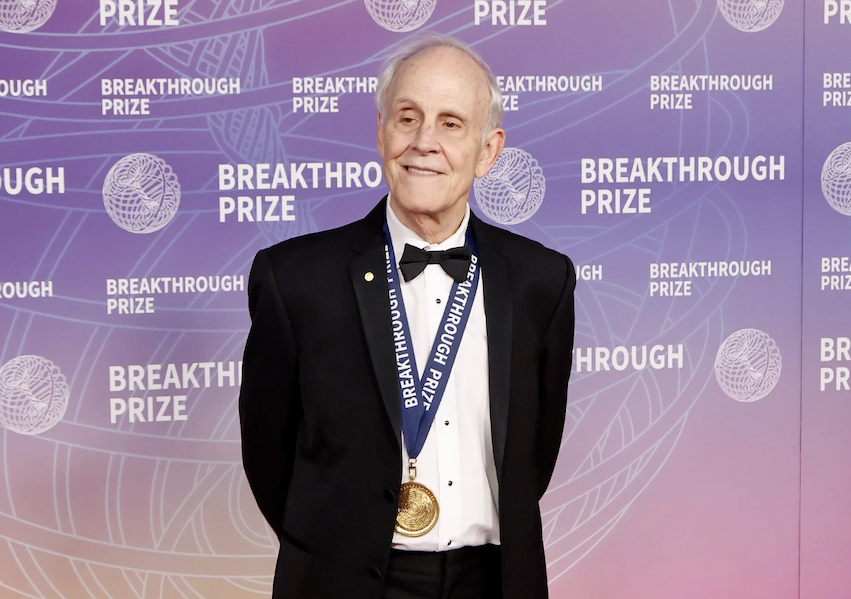
Theoretical physicist David J. Gross attends the 12th Breakthrough Prize Ceremony at Barker Hangar on April 18, 2026, in Santa Monica, Calif., where he received a Special Breakthrough Prize in Fundamental Physics. Taylor Hill/FilmMagic/Getty Images
|
|
Is Nuclear War Imminent?
Experts estimate the likelihood of nuclear war to be about one percent annually, says David J. Gross, a Nobel Prize winner in physics and the recent winner of the Special Breakthrough Prize in Fundamental Physics. “Nuclear arms control treaties have been abrogated, proliferation has expanded as more countries gain or seek nuclear weapons, and there’s even a major war with nuclear-armed Russia going on in Europe,” he adds, suggesting that now the likelihood may be at two percent. Mathematically, that puts a mean lifetime of someone born today at “about 35 years.”
A physicist’s view: When asking other scientists about their biggest concerns, Gross says the most common answers are things like climate change or economic inflation. He fears this is because nuclear disarmament hasn’t had the same 40-some years of consistent and unified speaking out in the scientific community like climate change has had in recent decades. After the Cold War, protests against nuclear testing waned. Today, “the lack of knowledge of the real danger is extreme,” Gross says.
What can be done: Gross was part of a meeting of about 20 Nobel Laureates in July 2025 that resulted in a published list of steps that could be taken worldwide to reduce the risk of nuclear war. These steps include instituting a “two-person rule” that ensures at least two individuals are involved in any decision about the use of nuclear force, finding a successor to the 2010 New Strategic Arms Reduction Treaty between Russia and the U.S., and recommit to a moratorium on nuclear explosive testing. —Emma Gometz, Newsletter Editor
|
|
|
|
|
|
SPONSORED CONTENT BY BIOFUTURE
|
|
Your Science Deserves the Right Stage and Audience.
|
|
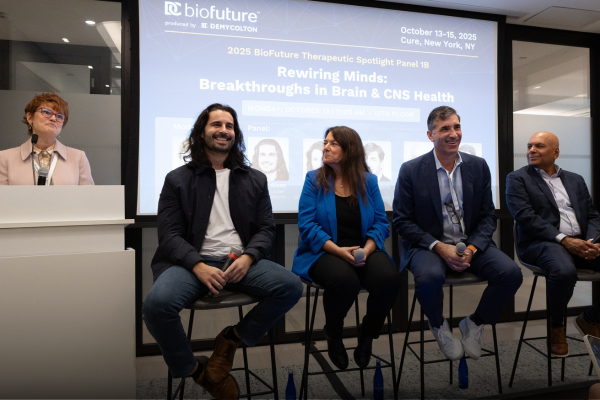
Industry analyst-led Spotlight Panels put emerging companies and their science in the spotlight, giving attendees a closer look at innovative technologies, breakthroughs and trends shaping biotech.
Hear directly from industry experts and company leaders, gain valuable insights, and discover new opportunities to connect and collaborate.
|
|
|
|
|
Amanda Montañez; Source: Climate Central
|
|
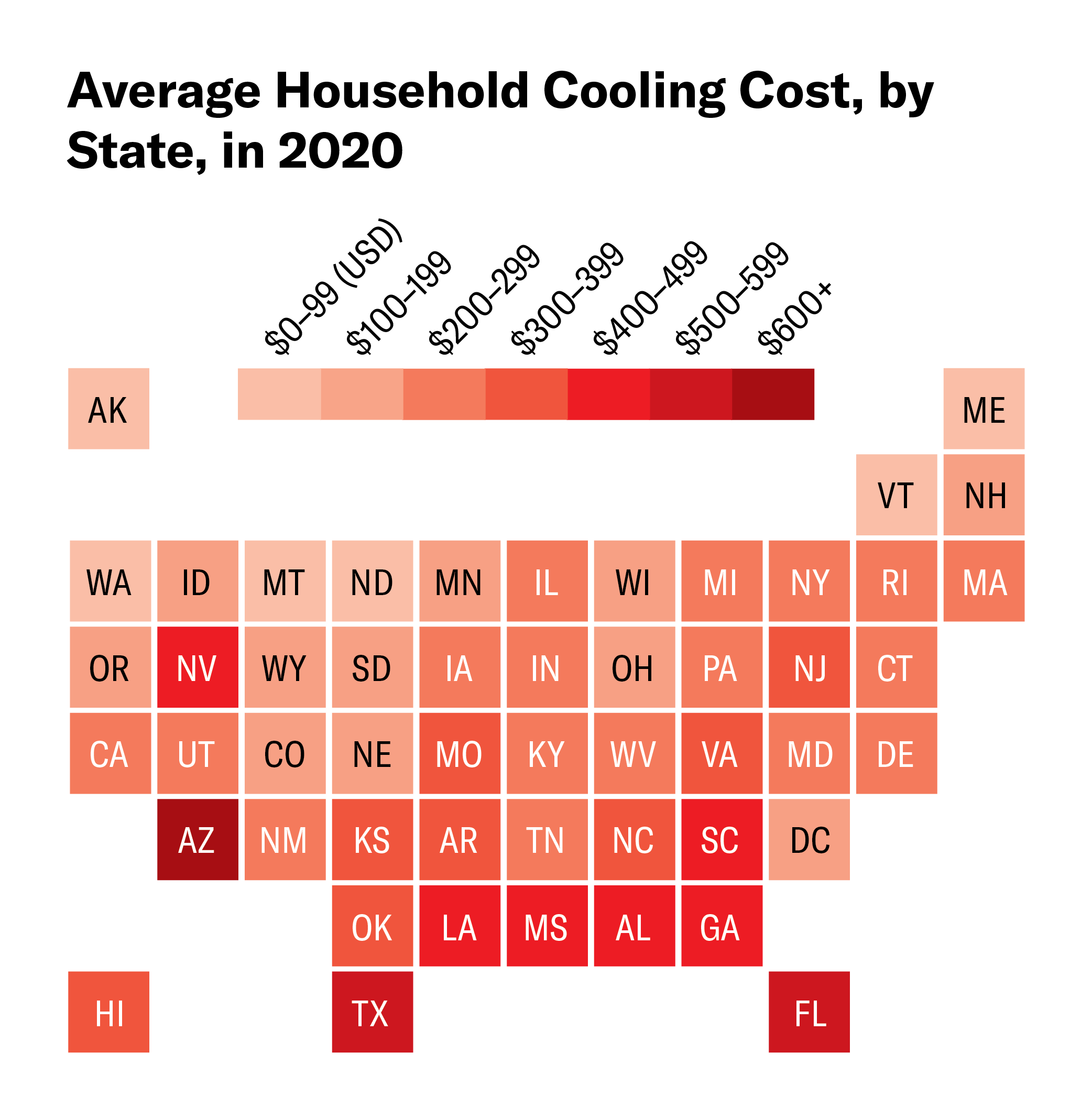
Summers are getting hotter. In the last 40 years, the energy demand to cool buildings has increased in 97 percent of the 241 major U.S. cities, according to one analysis. And these cities have seen a 37 percent increase in cooling demand, on average. More air conditioning means rising energy bills. The above map shows the average household cooling cost by state in 2020. But the situation is more dire now: between 2020 to 2025, residential electricity prices in the U.S. rose by 31 percent amid a surge in electricity demand fueled in part by data centers.
|
|
The battle is on to trap European green crabs and stop them from destroying the ecology of the Puget Sound. | The New York Times ($)
Berry giant Driscoll's gave blueberries to China with the hope of expanding its market. But China stole the secrets to growing the fruit. | The Wall Street Journal ($)
ICE is detaining a record number of pregnant women. But they stopped counting the number of miscarriages among detainees after October 3, 2025. | The Guardian
|
|
A subscription to Scientific American helps make this newsletter possible—and gives you full access to the stories that spark your curiosity. Start your subscription today: 90 days for just $1.
|
|
The question "What is consciousness" is one I suspect will be front-of-mind for more people than just neuroscientists and philosophers in the coming years. As I wrote last year, the better AI gets at mimicking the human experience we’re left to confront an uneasy problem: If a machine can fake awareness so well, what exactly is the real thing?
|
|
—Andrea Gawrylewski,
Chief Newsletter Editor
|
|
|
|
|
Subscribe to this and all of our newsletters here.
|
|
Scientific American
1000 N West Street, Suite 1200
|
|
|
|
|