Friday, September 4, 2026

Week in Science: Did we just find dark matter?

Plus, 1.5 degrees of warming "unavoidable"                    

September 4—This week, a tantalizing discovery that may bring scientists closer than ever to finding dark matter. Also, GLP-1 medication slows aging in mice, and the world is on track to reach 1.5 degree Celsius of warming within the next few years.

A lot happened in the world of science this week! Take our Friday quiz to test your knowledge.

Emma Gometz, Newsletter Editor

Have thoughts or feedback on our coverage? Email newsletters@sciam.com anytime.

Top Stories
Why your ability to cope with stress changes with time

Seasonal changes have more effects on your biology and behavior than you might realize

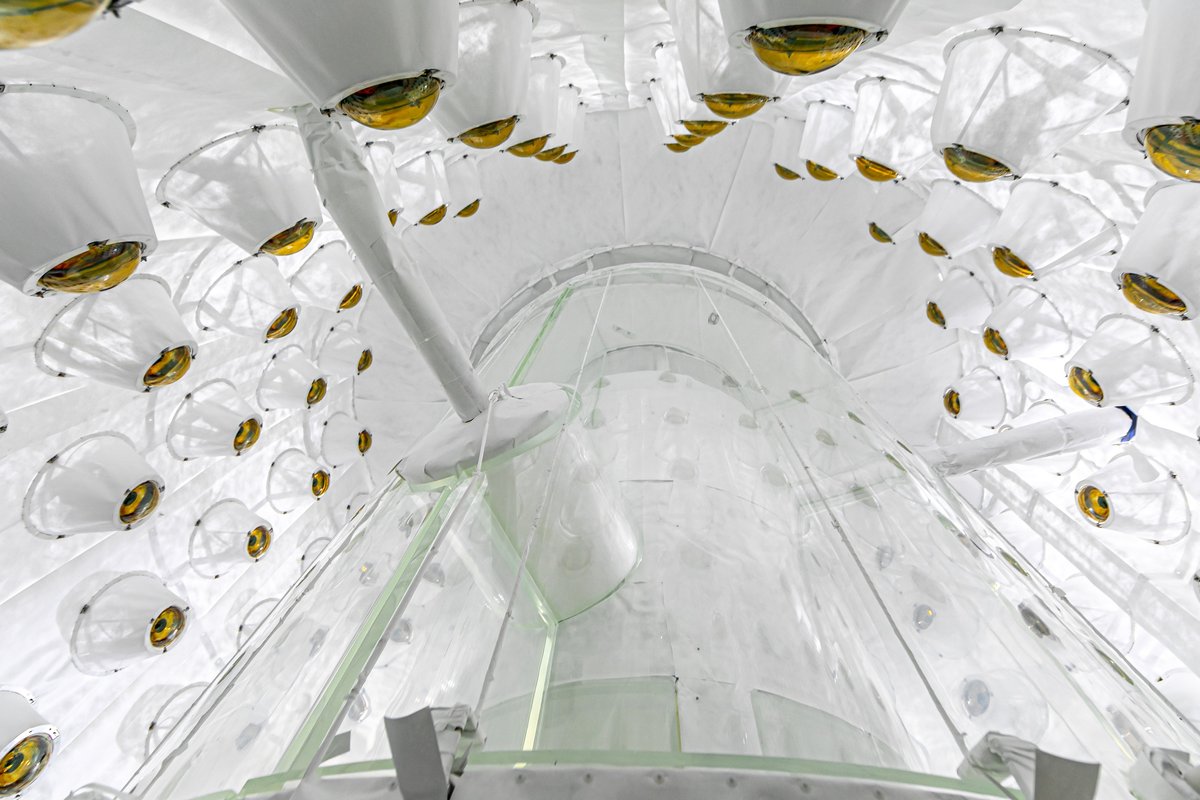
Have we finally found dark matter?

The world’s biggest dark matter search saw a particle it cannot explain

Travel with Scientific American
Discover the Wonder: The Monarch Butterfly Migration

Reservations now open! Take an extraordinary trip to the Mexican mountains to witness the annual monarch butterfly migration. See oyamel fir forests transformed into living tapestries with Chief Newsletter Editor Andrea Gawrylewski as your guide. Learn More

Could GLP-1 weight-loss drugs help you live longer?

Giving old mice semaglutide—commonly sold as Wegovy or Ozempic—extends their lifespan remarkably, a new study finds

‘Unparalleled’ study finds psilocybin protects against nerve damage from chemotherapy

The findings, which were made in mice, may offer a new way to prevent a common chemotherapy side effect that can last well beyond treatment

A subscription to Scientific American helps make this newsletter possible—and gives you full access to the stories that spark your curiosity. Start your subscription today: 90 days for just $1.
Top medical leaders urge Americans to get their flu and COVID shots in lieu of CDC vaccine campaign

The Trump administration has so far been silent on flu, COVID and RSV vaccine guidance for the coming season, even as these diseases kill thousands of people every year

Why the Grand Canyon flash flood was so devastating

Experts explain why a monsoon storm turned so deadly

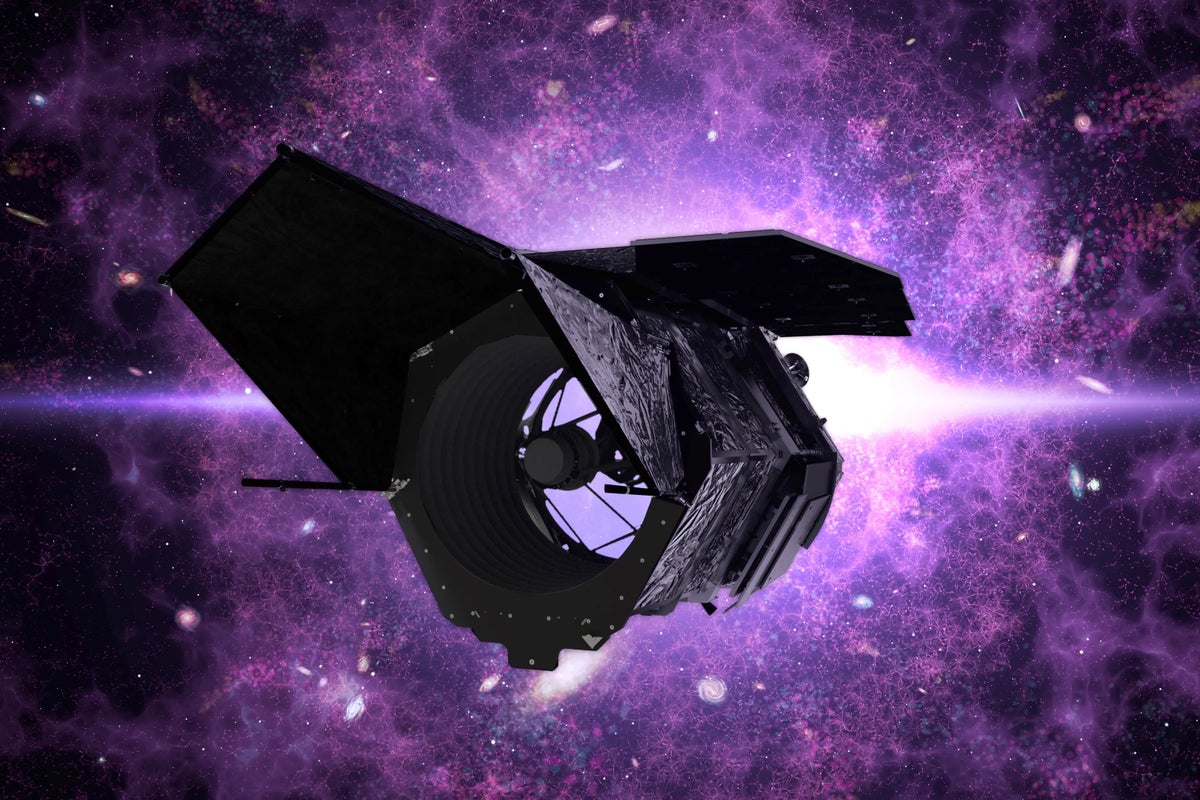
This quirky spot in space is where NASA’s Roman Telescope will call home

The Nancy Grace Roman Telescope is headed toward a Lagrange point, a critical position in outer space where gravitational forces behave in specific ways

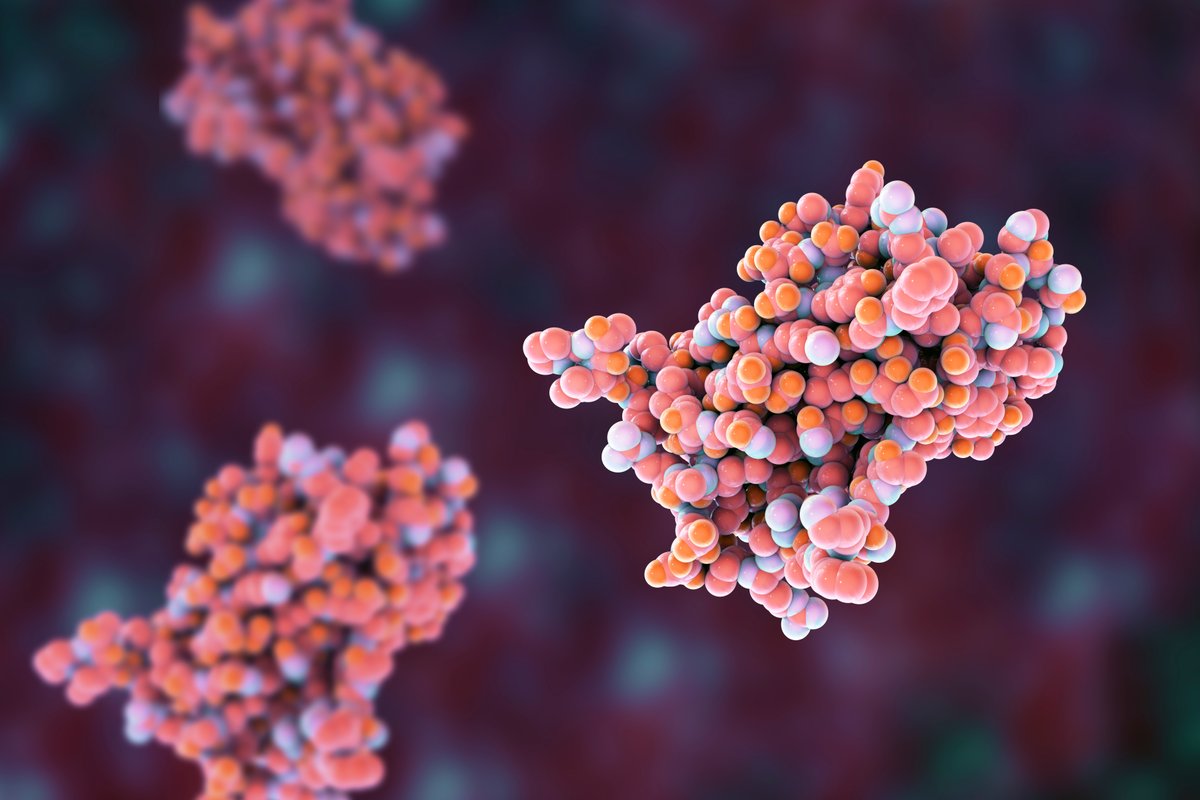
The murky science behind human growth hormone peptides

Sermorelin, tesamorelin and other growth hormone peptides are being touted as antiaging elixirs, but what evidence is behind those claims?

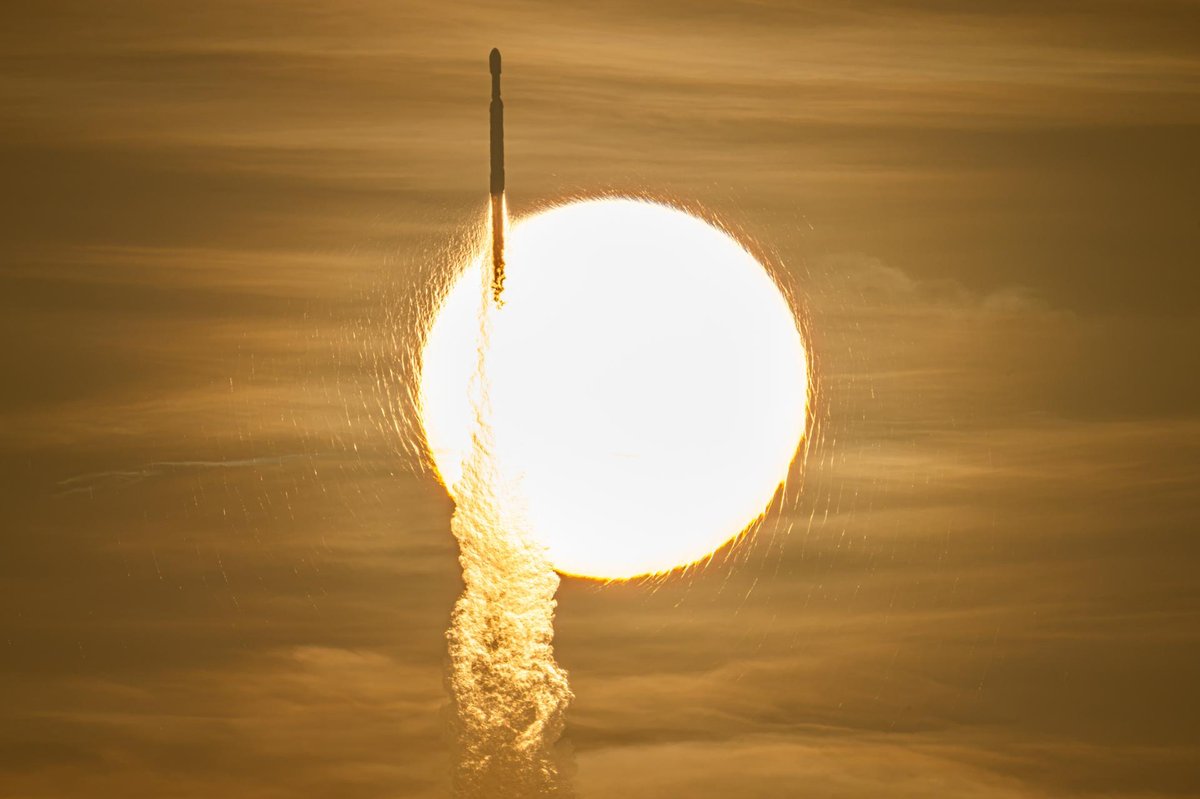
NASA’s Roman Telescope lifts off, starting a mission to explore the universe’s biggest mysteries

The Nancy Grace Roman Telescope will probe dark matter and dark energy, discover exoplanets and study stars

Why this Canadian island appeared to disappear

A floating island in a Canadian reservoir moved more than 30 kilometers across the water—here’s why

U.N. admits exceeding the 1.5-degree-Celsius global warming target is ‘unavoidable’

The world is set to blow past the Paris Agreement’s longtime threshold “within the next few years,” according to a new report

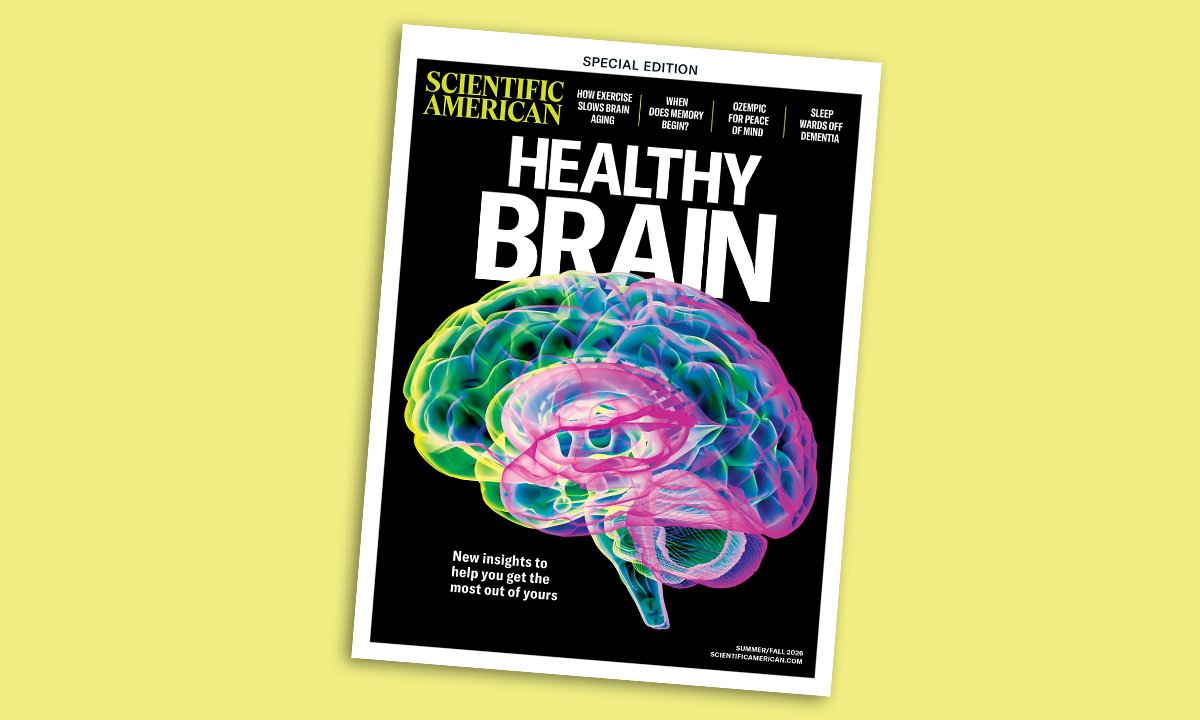
The brain, solved

The human brain has upward of 86 billion neurons, connected by some 100 trillion synapses

Scientist Pankaj

Week in Science: Did we just find dark matter?

Plus, 1.5 degrees of warming "unavoidable"                     ...