It's so long it could stretch to Proxima Centauri and back ͏ ͏ ͏ ͏ ͏ ͏ ͏ ͏ ͏ ͏ ͏ ͏ ͏ ͏ ͏ ͏ ͏ ͏ ͏ ͏ ͏ ͏ ͏ ͏ ͏ ͏ ͏ ͏ ͏ ͏ ͏ ͏ ͏ ͏ ͏ ͏ ͏ ͏ ͏ ͏ ͏ ͏ ͏ ͏ ͏ ͏ ͏ ͏ ͏ ͏ ͏ ͏ ͏ ͏ ͏ ͏ ͏ ͏ ͏ ͏ ͏ ͏ ͏ ͏ ͏ ͏ ͏ ͏ ͏ ͏ ͏ ͏ ͏ ͏ ͏ ͏ ͏ ͏ ͏ ͏ ͏ ͏ ͏ ͏ ͏ ͏ ͏ ͏ ͏ ͏ ͏ ͏ ͏ ͏ ͏ ͏ ͏ ͏ ͏ ͏ ͏ ͏ ͏ ͏ ͏ ͏ ͏ ͏ ͏ ͏ ͏ ͏ ͏ ͏ ͏ ͏ ͏ ͏ ͏ ͏ ͏ ͏ ͏ ͏ ͏ ͏ ͏ ͏ ͏ ͏ ͏ ͏ ͏ ͏ ͏ ͏ ͏ ͏ ͏ ͏ ͏ ͏ ͏ ͏ ͏ ͏ ͏ ͏ ͏ ͏
September 2, 2026—The CDC is deafeningly silent on vaccine recommendations this year. Plus, a staggering global network of fungi and, in British Columbia, the mysterious case of the vanishing island.
—Andrea Gawrylewski
Chief Newsletter Editor
|
|
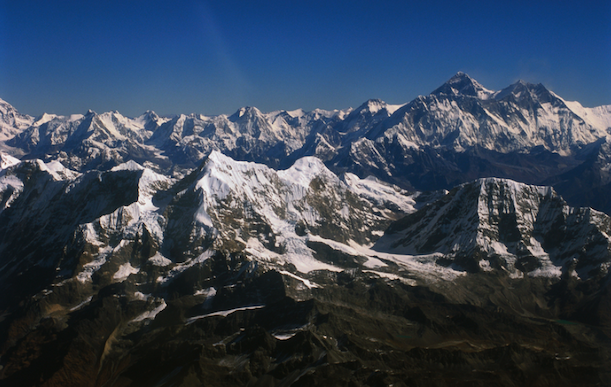
Mount Everest, in the Mahalangur Himal sub-range of the Himalayas. etc fotos/Getty Images
|
|
This year is expected to see one of the strongest El Niño events ever recorded. It could have unpredictable effects on Nepal, Tibet and the Himalayas, experts say. | 3 min read
Giving old mice semaglutide—commonly sold (to humans) as Wegovy or Ozempic—extends the animals' lifespan remarkably, a new study finds. | 3 min read
Earlier this summer, boaters spotted an island that wasn't there before in Williston Lake, an artificial reservoir and the largest body of fresh water in British Columbia. The island then disappeared and reappeared 30 km away. What the heck is going on? | 2 min read
The House passed a stopgap bill that pauses changes to the federal science grant-making process which would have given control of science funding to appointed bureaucrats. | 1 min read
The rate of high blood pressure in pregnant women has increased by 73 percent between 2016 and 2024, according to the CDC. | 4 min read
|
|
All science, all the time. Read about what you care about with a subscription to Scientific American. Try it out for 90 days for just $1!
|
|
Scientific American; Rachel Feltman, Fonda Mwangi, Alli Rodgers & Alex Sugiura
|
|
On today's episode of Science Quickly we sat down with Eric Geller, a senior reporter at Cybersecurity Dive, who recently wrote about the computer hackers who volunteer their time to help critical infrastructure projects like power plants, water systems and hospitals beef up their cybersecurity. Watch the full interview here.
|
|
Vaccine Season
We’re into September and flu season will soon be upon us. This time of year the Centers for Disease Control and Prevention (CDC) usually release a large public outreach campaign encouraging people to get vaccinated against respiratory diseases, but this year, nada. Today, six large public health organizations (including the American Medical Association) released recommendations indicating that the vast majority of people should get vaccinated against influenza, COVID and respiratory syncytial virus (RSV).
Why this matters: Respiratory illnesses place a significant burden on hospitals.
-
COVID. Between 15,000 and 42,000 people die of the disease every year in the U.S., while up to 240,000 people are hospitalized. The COVID shots cut the risk of hospitalization for adults over 65 by 53 percent and by 58 percent for pregnant women.
-
Flu. Since 2010 (with the 2020-21 COVID pandemic years excepted) between 120,000 and 710,000 people are hospitalized each year because of flu. The vaccine cuts its hospitalization rate among adults over 65 by 31 percent and reduces deaths among infants and children by 80 percent.
-
RSV. An estimated 110,000 to 180,000 adults ages 50 and older in the United States are hospitalized due to RSV each year, according to the CDC. The disease can be particularly dangerous for children, and tens of thousands are hospitalized each year. Hospitalization rates for RSV are reduced by up to 83 percent among people over 60 by the vaccine, while vaccination during pregnancy reduced hospitalization for the resulting infants by up to 70 percent.
What the experts say: It is also unclear at this time if the CDC’s Vaccines for Children program, which provides shots for families that can’t afford them, will cover the cost of the recommended shots. “Last year, Vaccines for Children covered all of the recommended vaccines that we had put in our vaccine schedule,” says Andrew Racine, president of the American Academy of Pediatrics. “I can't say necessarily what's going to happen going forward, but it’s our anticipation that the federal government, with Vaccines for Children and other programs that they run, have a responsibility and an interest in making sure that children of any income get all of the care that they need in order to keep them health healthy and safe.”
|
|
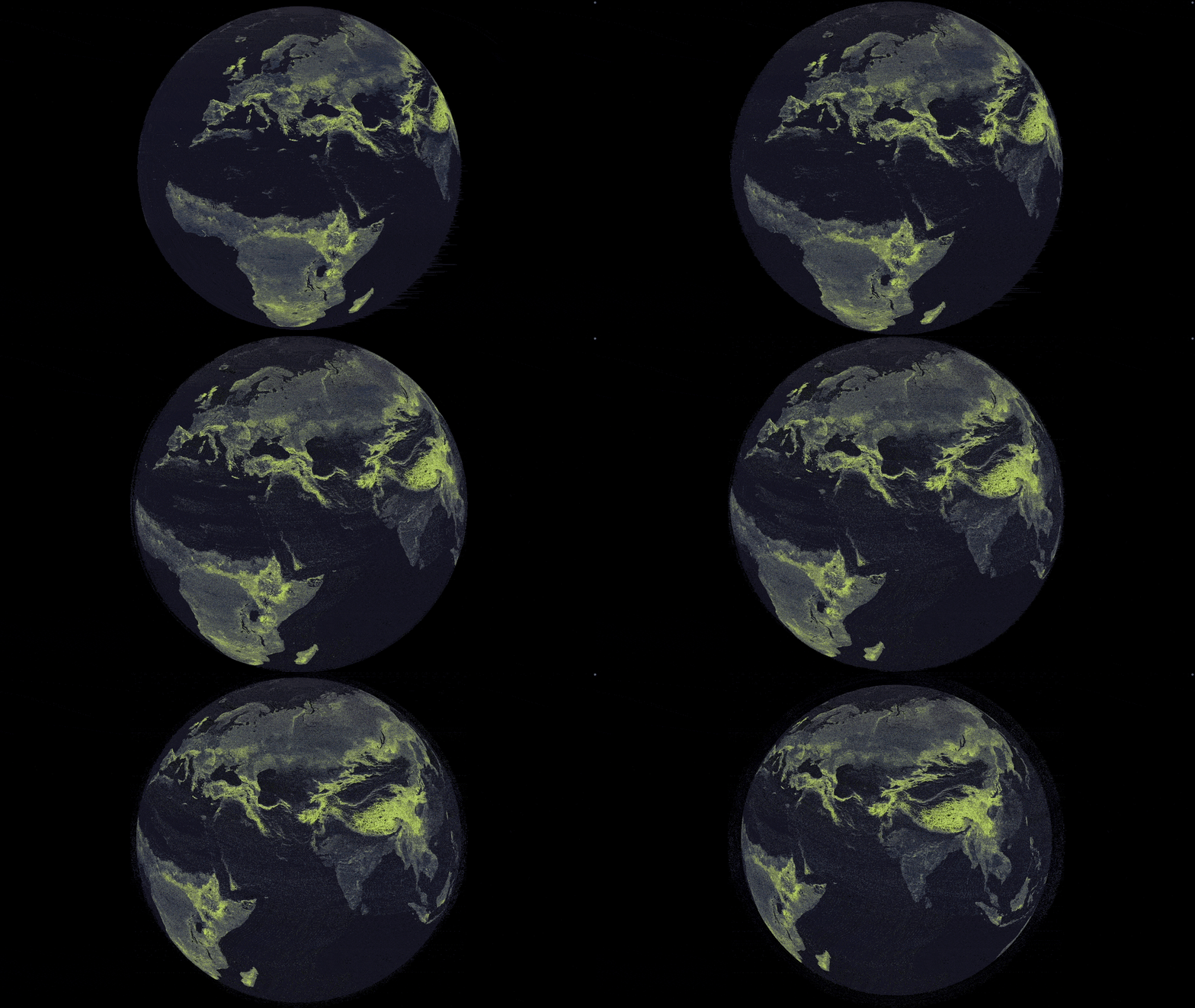
Map of global AM fungi down to the square kilometer. Moritz Stefaner/Truth & Beauty/Society for the Protection of Underground Networks
|
|
Fungal Map
Underground, there’s a network of arbuscular mycorrhizal (AM) fungi—a symbiotic fungus that helps plants communicate—connecting a mind-boggling 70 percent of plant species on Earth. In a recent study, scientists used data from more than 300 studies to estimate the total global biomass of AM fungi. It was no easy task: the team custom-built a robot named Prince, which measured more than 300,000 samples of AM attached to plant roots. The team then combined those measurements with mathematical modeling and existing data on the global range of AM fungi to estimate global fungal biomass. To top it all off, they created an interactive mycorrhizal-infrastructure map covering Earth’s landmasses down to single square kilometers.
What they found: By biomass, the world’s AM fungi weigh roughly five times as much as all humans combined. And if you measure it by length, it's even larger—Earth’s topsoil contains an estimated 110 quadrillion kilometers of AM fungi if measured end to end. That’s enough to stretch from Earth to our neighboring star Proxima Centauri and back, or to cross the 11.9 light-years to Tau Ceti, the setting of Andy Weir’s 2021 sci-fi book (and recent hit film) Project Hail Mary.
What the experts say: These fungal networks are massive, but the researchers expected the final amount to be even higher than what they found. “When we first calculated how heavy these fungi were,” says study co-author Justin D. Stewart, a data scientist at the Society for the Protection of Underground Networks, “I think we spent two or three weeks recalculating it to make sure we weren’t missing zeros.” —Emma Gometz, Newsletter Editor
|
|
|
|
|
More than 100 science-focused federal committees have been terminated under the second Trump administration. | NPR
A drug-resistant ringworm is spreading across the globe. | Gizmodo
Want to save seeds from your garden to grow next year? Here's everything you need to know. | The New York Times ($)
|
|
If you have time, I recommend playing around with the interactive global map of fungal distribution created by the researchers in the story above. The scientists are making really interesting discoveries. For example, in the soil under agricultural croplands, the AM fungal network densities are on average 47 percent lower than in non-cropland soils. We know these fungal networks are vital for transferring minerals and nutrients among the plants of Earth, and less dense networks diminish soil’s ability to store carbon, cycle nutrients, and resist stress. How cool to have such a tangible representation of what was once a hidden circulatory system.
|
|
Thanks for reading and send any other comments, observations or questions: newsletters@sciam.com. I'll be back tomorrow.
—Andrea Gawrylewski, Chief Newsletter Editor
|
|
|
|
|
Subscribe to this and all of our newsletters here.
|
|
Scientific American
1000 N West Street, Suite 1200
Wilmington, Delaware 19801
|
|
|
|
|