Thursday, September 24, 2026

Space & Physics: NASA's Goddard Space Flight Center is in shambles

Plus, a fresh crater on the moon                    

September 24—This week, we’re exploring the largest fresh impact crater ever seen in the solar system (on the moon, no less!), checking in on NASA’s embattled Goddard Space Flight Center and asking whether a recent AI-powered math breakthrough addressed the wrong problem. All that—and much more—is below. Enjoy!

Thoughts? Questions? Let me know via e-mail (lbillings@sciam.com), X or Bluesky.

—Lee Billings, Senior Editor, Physical Sciences

Top Stories
Did OpenAI solve the wrong Navier-Stokes problem?

OpenAI’s proof seems eligible for a $1-million prize—but only by using a controversial loophole

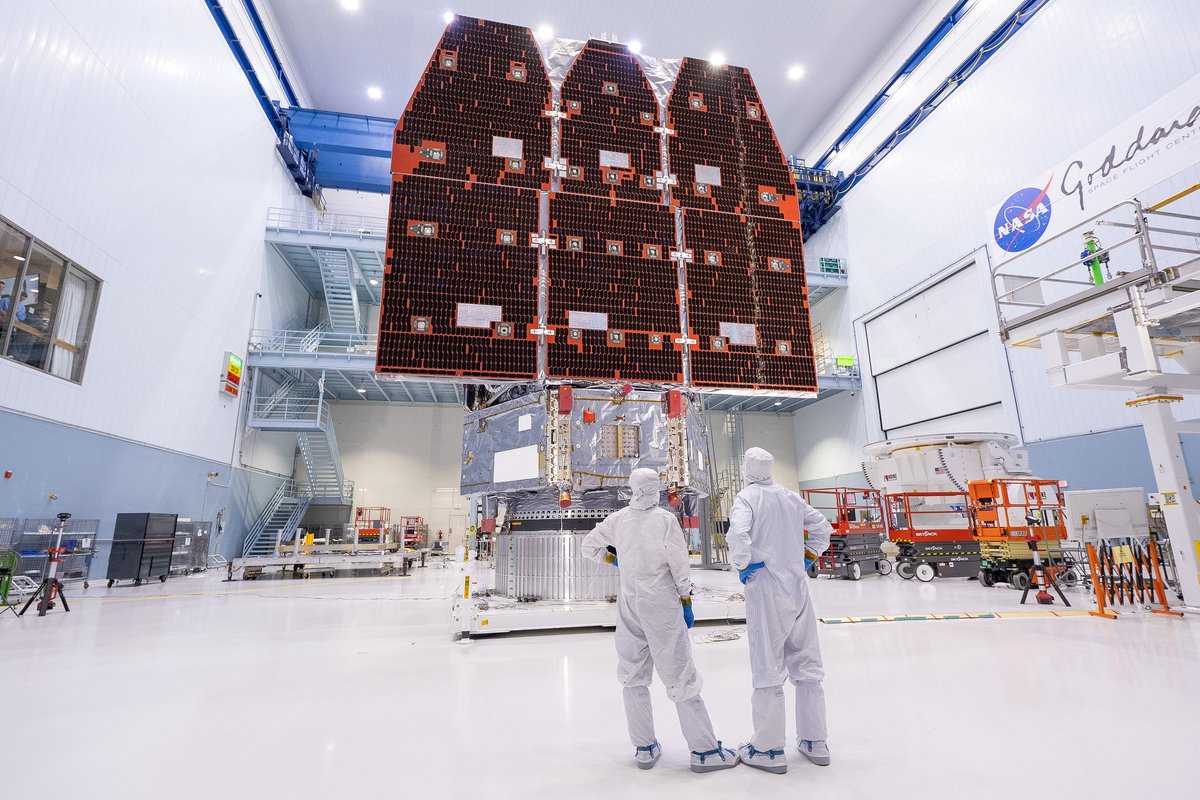
After brutal cuts, can this NASA center still build multibillion-dollar space telescopes?

2025 was a brutal year of budget cuts and workforce attrition at NASA’s Goddard Space Flight Center, the home base for the Nancy Grace Roman Space Telescope. Experts worry Goddard—and NASA’s space science—may never recover

Travel with Scientific American
Experience Swiss Innovations and Alpine Inspirations

Join us with expert Joseph Howlett, senior reporter, to explore scientific innovation across Switzerland. Each day delves into a different branch of Swiss excellence—from particle physics in Geneva to viticulture science in the vineyards of Lavaux to pioneering energy research in Lausanne, and more! Spaces are limited; book today! 

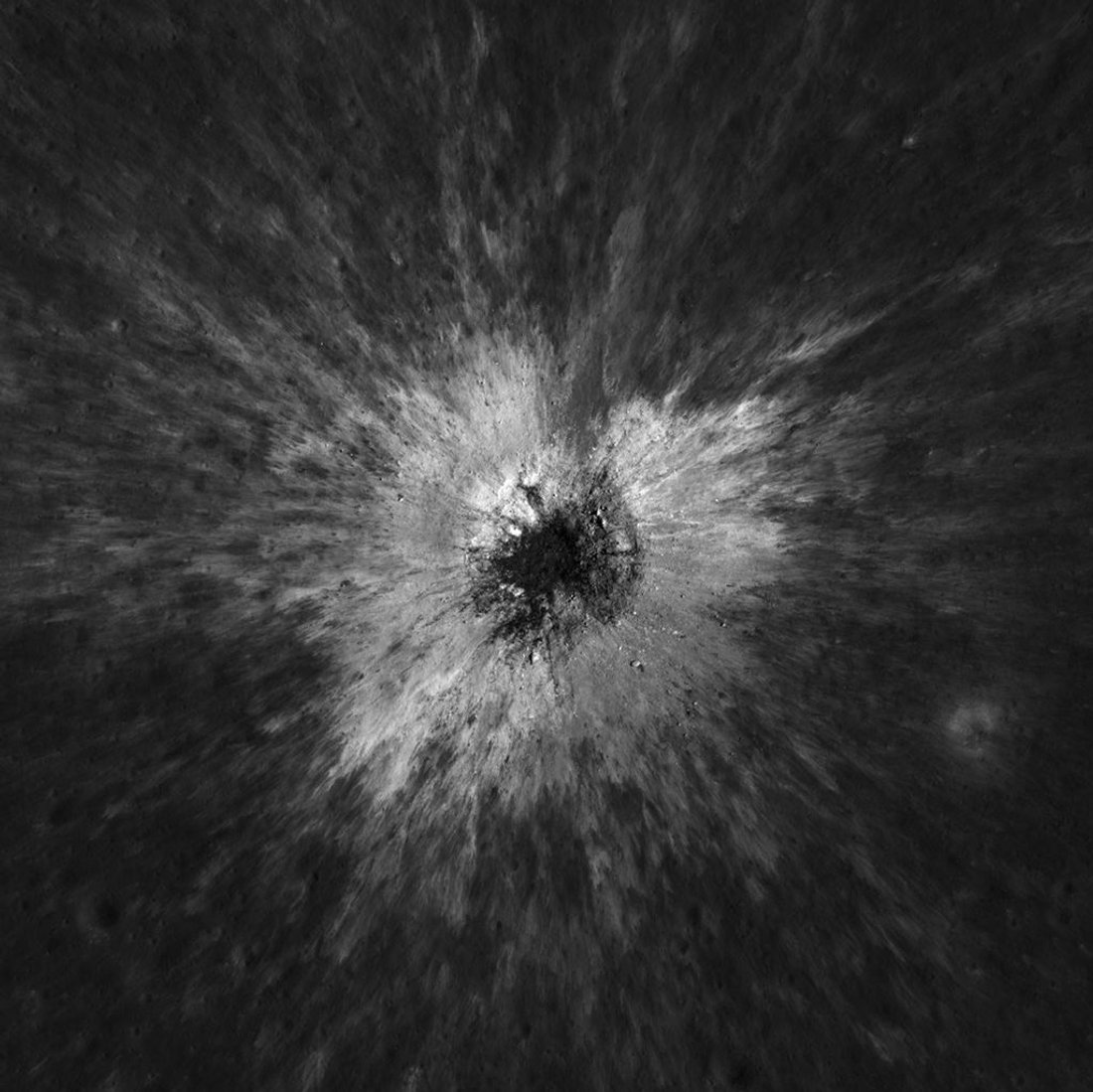
Scientists discover largest new impact crater in the solar system ever—on our moon

The crater, named after geologist and lunar surface expert Tom McGetchin, spans more than two football fields wide

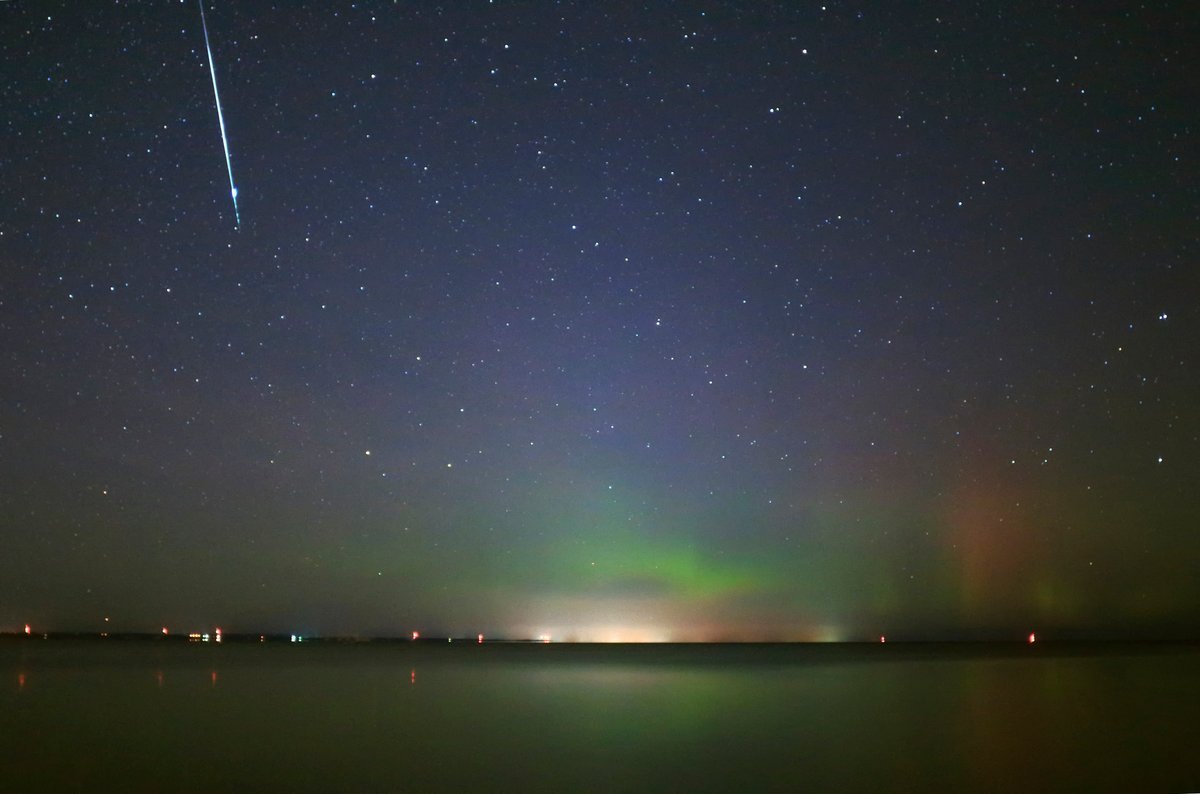
See the Taurids light up the fall sky with brilliant shooting stars

Lasting from mid-September until mid-November, the Taurid meteor showers are among the longest of the year

Immerse yourself in the newest space updates with a subscription to Scientific American. Get 90 days for just $1!
AI solves 79-year-old mathematical mystery

Can a six-dimensional sphere be described using imaginary numbers? For decades, experts puzzled over this question. Now an AI has apparently answered it

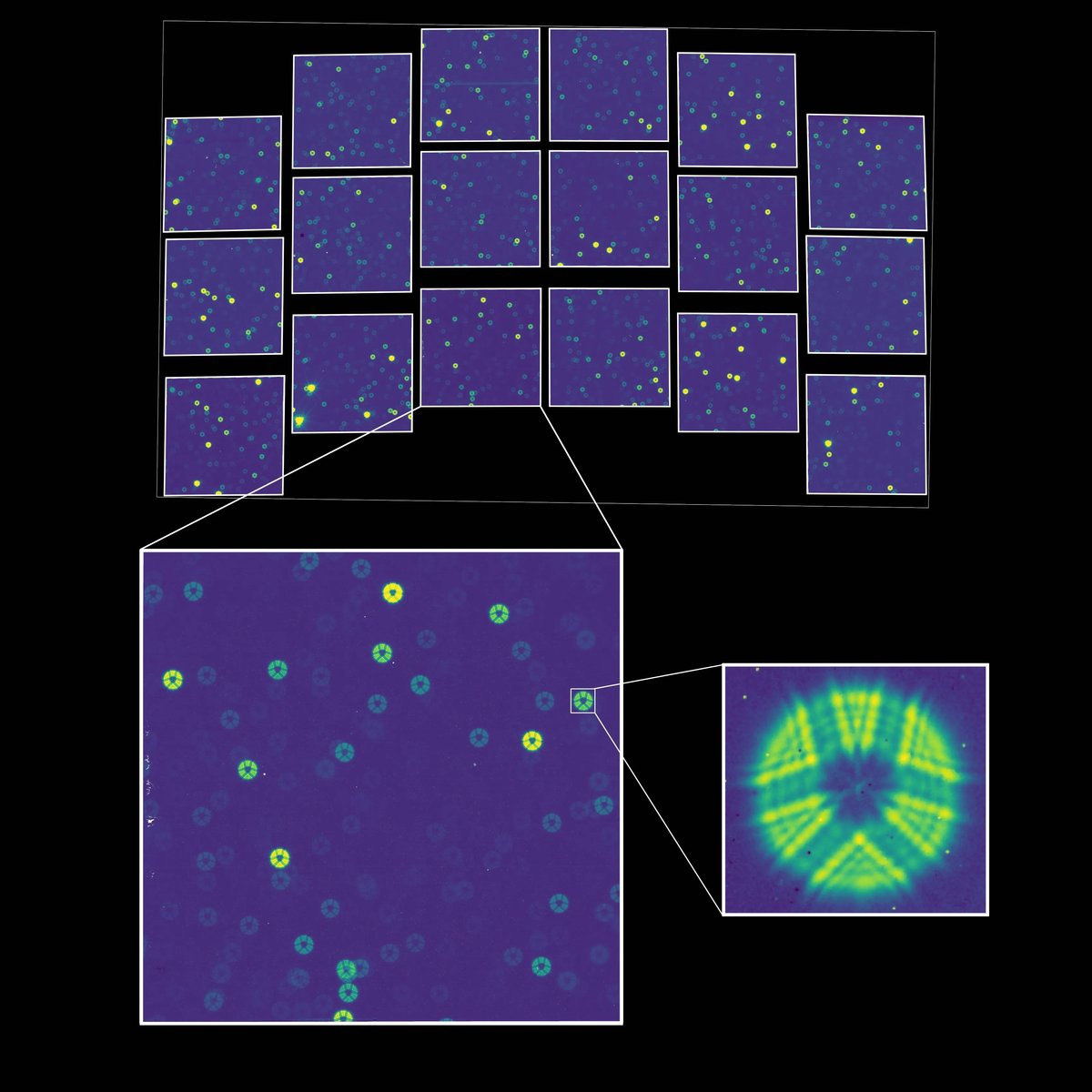
NASA’s Nancy Grace Roman Telescope glimpses its first cosmic light

The space telescope is set to reveal thousands of new exoplanets and scour the universe for signs of dark matter and energy

Why mathematicians are suddenly hiding research results

Google made a major breakthrough in quantum computing. To prevent the results from being misused, the company kept them secret. That backfired

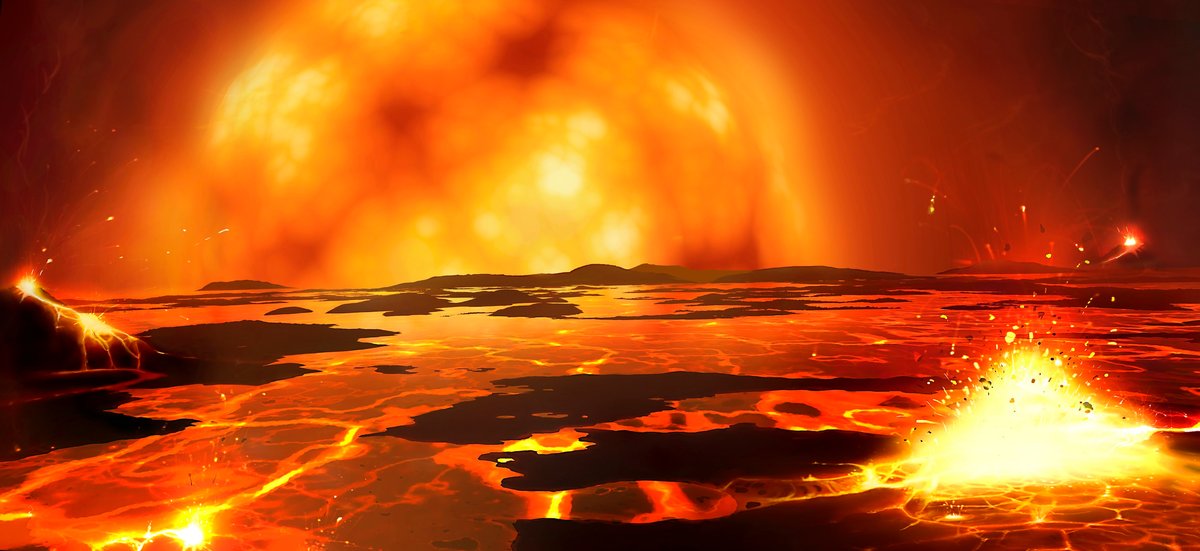
The life and death of the sun

Our sun is on a long, strange trip to its eventual demise. Here are the key stops along the way

Mathematicians use AI to find mysterious symmetries, solving decades-old problem

In parallel, a race by amateurs and mathematicians has found all 25,000 cases of one “inverse Galois problem”

What We're Reading
  • NASA Selects Far-Infrared Telescope as First in New Mission Class| NASA
  • NASA chief concerned China may deny access to parts of Moon’s south pole | Ars Technica
  • SpaceX given unique access to classified DoD space tracking data, sources say | Breaking Defense

From the Archive
If AI can do math, what’s the point of mathematicians?

What happens when machines surpass the most brilliant human minds? Mathematicians are finding out

Scientist Pankaj

Space & Physics: NASA's Goddard Space Flight Center is in shambles

Plus, a fresh crater on the moon                     ...