One in eight cancers can be prevented by this simple tactic ͏ ͏ ͏ ͏ ͏ ͏ ͏ ͏ ͏ ͏ ͏ ͏ ͏ ͏ ͏ ͏ ͏ ͏ ͏ ͏ ͏ ͏ ͏ ͏ ͏ ͏ ͏ ͏ ͏ ͏ ͏ ͏ ͏ ͏ ͏ ͏ ͏ ͏ ͏ ͏ ͏ ͏ ͏ ͏ ͏ ͏ ͏ ͏ ͏ ͏ ͏ ͏ ͏ ͏ ͏ ͏ ͏ ͏ ͏ ͏ ͏ ͏ ͏ ͏ ͏ ͏ ͏ ͏ ͏ ͏ ͏ ͏ ͏ ͏ ͏ ͏ ͏ ͏ ͏ ͏ ͏ ͏ ͏ ͏ ͏ ͏ ͏ ͏ ͏ ͏ ͏ ͏ ͏ ͏ ͏ ͏ ͏ ͏ ͏ ͏ ͏ ͏ ͏ ͏ ͏ ͏ ͏ ͏ ͏ ͏ ͏ ͏ ͏ ͏ ͏ ͏ ͏ ͏ ͏ ͏ ͏ ͏ ͏ ͏ ͏ ͏ ͏ ͏ ͏ ͏ ͏ ͏ ͏ ͏ ͏ ͏ ͏ ͏ ͏ ͏ ͏ ͏ ͏ ͏ ͏ ͏ ͏ ͏ ͏ ͏
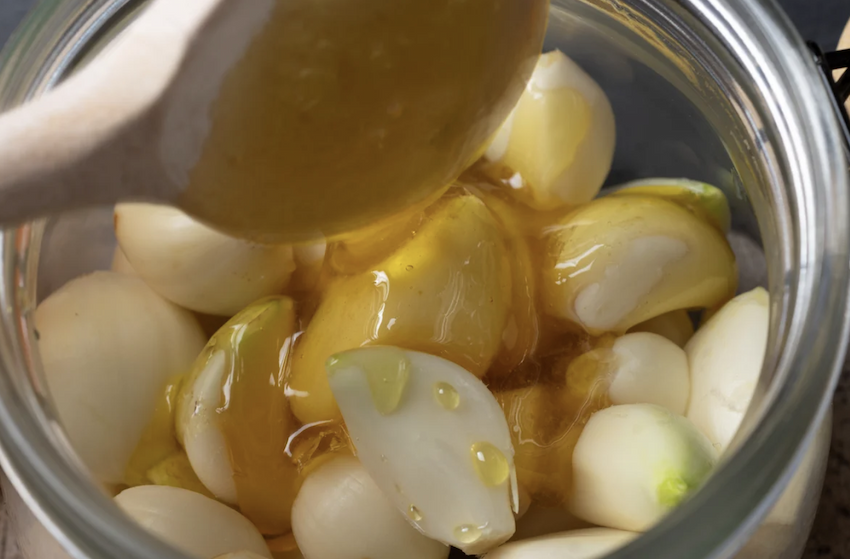
September 29, 2026—Please do not go fermenting garlic in honey for your health. Plus, the Juice spacecraft snapped some cool photos of Earth on its fly-by yesterday, and we have a simple, easy way to prevent many types of cancer.
—Andrea Gawrylewski,
Chief Newsletter Editor
|
|
Daniel Tamas Mehes/Getty Images
|
|
Preventable Cancers
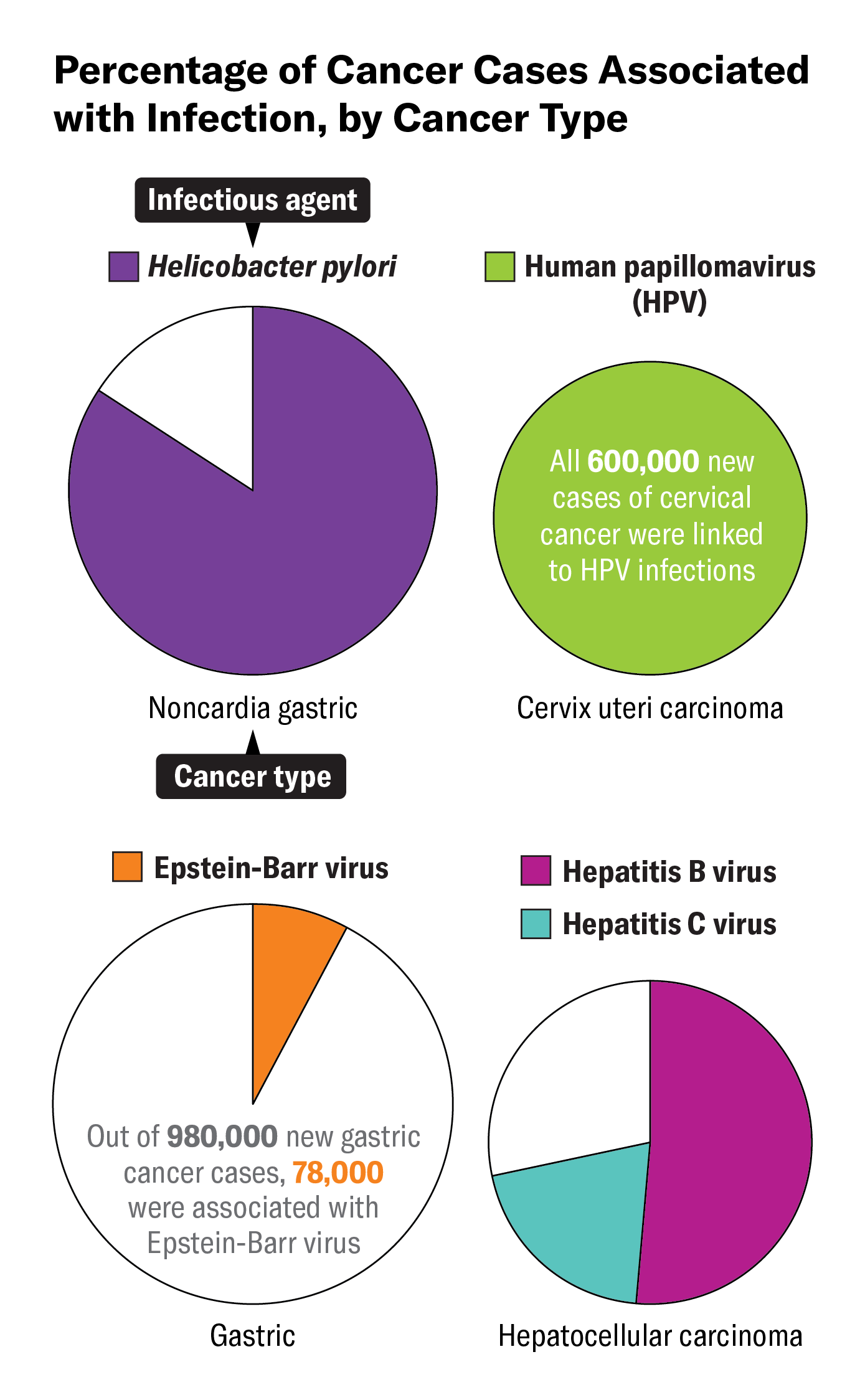
An estimated one in eight cancer cases worldwide may be caused by infections, according to a new study. The scientists estimate that infections were responsible for approximately 2.3 million cancer cases, or about 12 percent of diagnoses, worldwide in 2024. Helicobacter pylori bacteria and human papillomavirus (HPV) combined accounted for more than an estimated 1.5 million cancer cases. And 360,000 cancer cases were linked to hepatitis B infections, and 260,000 cases were caused by the Epstein-Barr virus.
|
|
Amanda Montañez; Source: “Global Burden of Cancer Attributable to Infections in 2024: A Worldwide Incidence Analysis,” by Harriet Rumgay et al., in Lancet Oncology, Vol. 27. Published online September 28, 2026 (data)
|
|
Each pie chart above represents one type of cancer and is scaled according to how many new cases of that cancer were diagnosed worldwide in 2024. The colored areas indicate how many of those cases were associated with infections.
What can be done: Vaccines! Millions of cancers are preventable, including some of the most prevalent. The HPV vaccine, for instance, was first introduced in the U.S. in 2006. It can prevent six different cancers, including cervical cancer, throat cancer and anal cancer. In the 20 years since it’s been available in the U.S. rates of cervical cancer have dropped in some states by more than 50 percent among women aged 20 to 31. Please read that again: 50 percent.
What the experts say: “Serious mortal diseases can be prevented with a simple population-based equality-driven jab in the arm,” says Gary Clifford, the study’s senior author and an epidemiologist at the International Agency for Research on Cancer. “It’s really very simple and straightforward.”
|
|
Smart Bricks
In a recent experiment, researchers created a set of virtual cubes, each cube with its own individual neural network. The virtual cubes were then assembled with thousands others into nearly 500 shapes in seven categories—boats, cars, chairs, guitars, houses, planes and tables. And each cube contained a list of numbers called a vector that amounted to a guess about which shape they were a part of, and that guess could evolve over time. Each cube’s neural network told it how to update its vector based on its neighbors’. After the neural network was trained on local information, the cubes could guess what shape they were with 85-100 percent accuracy. When they tested the neural network with real blocks, up to 197 blocks were able to accurately identify what object they were assembled into 100 percent of the time.
Possible applications: The long-term idea behind this technology is to bring us closer to self-healing circuits, computers that can assess and repair damage as it happens or maybe even modular robots that assemble themselves, no instruction manual required. For now, the most direct application is edutainment: build a dinosaur that then roars.
What the experts say: A future in which machines build themselves is “all about local self-organization where you don’t have one failure point,” says Sebastian Risi, the paper’s senior author and a computer scientist at IT University of Copenhagen and Sakana AI. —Emma Gometz, Newsletter Editor
|
|
|
|
|
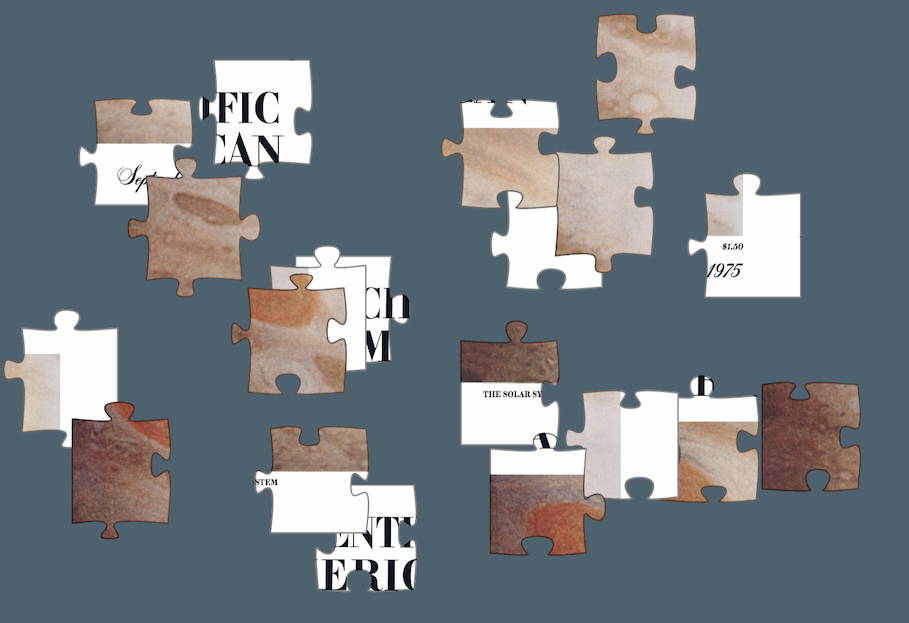
Can you reassemble this image of our September 1975 cover? This cover features the Great Red Spot, a stormy region of Jupiter that’s about the size of Earth. This issue is all about the solar system and features reflections on exploration from Carl Sagan; an analysis of Earth and its “restless activity,” otherwise known as life; and stories on what else scientists in 1975 knew about space, from the sun to meteoroids to the outer planets (which, at the time, were considered to include Pluto). Unlimited subscribers can download the whole issue here.
|
|
Every subscription helps fund the science reporting and stories behind this newsletter. Start your Scientific American subscription: 90 days for just $1.
|
|
When I'm feeling a little run down, I make a family vegetable soup recipe that feels like a nutrient powerhouse. And I prioritize time at home and going to bed early. Flu and cold season is setting in, so what about you? How do you take care of your health? Join the discussion or reply to this newsletter to let me know.
|
|
—Andrea Gawrylewski,
Chief Newsletter Editor
|
|
|
|
|
Subscribe to this and all of our newsletters here.
|
|
Scientific American
1000 N West Street, Suite 1200
|
|
|
|
|