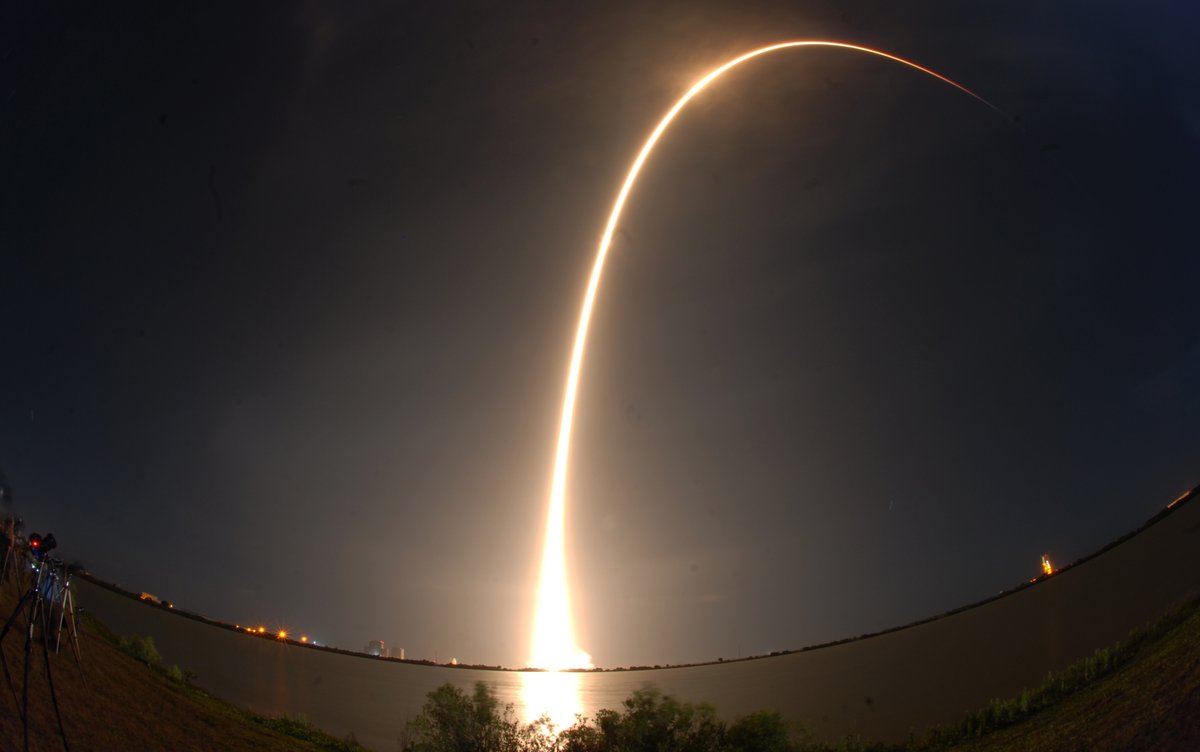
Plus, a push for more U.S. spaceports
September 10—This week, we’re covering a major AI-fueled math breakthrough—the biggest one yet, in fact—and its profound implications for science and society. On Tuesday, OpenAI announced its resolution of a million-dollar math problem concerning the motion of fluids that has vexed human researchers for centuries. But some mathematicians are crying foul, and the controversy reflects increasing unease about AI’s disruptive effects on academic research. Will this be remembered as the summer when AI ate mathematics? Elsewhere, we also have stories about the strangest sky in the galaxy, a push for more U.S. spaceports, the mysterious shrinkage of Mercury, and much more. Enjoy!
Thoughts? Questions? Let me know via e-mail (lbillings@sciam.com), X or Bluesky.
—Lee Billings, Senior Editor, Physical Sciences
|
|
|
Travel with Scientific American
Explore the Dutch Waterways and Tulip Fields
Travel with us on a river cruise through the Netherlands, a country at the forefront of environmental management and agricultural innovation, with expert guide Eric Sullivan, senior editor of technology and engineering. Spaces are limited, book today!
|
|
|
The summer AI ate math
What happens when machines surpass the most brilliant human minds? Mathematicians are finding out
|
|
|
-
A Satellite Falling Out of Orbit Embarks on Its Final Mission | WIRED
-
With another huge infusion of cash, Stoke Space goes even bigger | Ars Technica
-
Gamma ray burst may have been two supernovae in one | New Scientist
|
|
|