Plus, decoding elephant rumble calls ͏ ͏ ͏ ͏ ͏ ͏ ͏ ͏ ͏ ͏ ͏ ͏ ͏ ͏ ͏ ͏ ͏ ͏ ͏ ͏ ͏ ͏ ͏ ͏ ͏ ͏ ͏ ͏ ͏ ͏ ͏ ͏ ͏ ͏ ͏ ͏ ͏ ͏ ͏ ͏ ͏ ͏ ͏ ͏ ͏ ͏ ͏ ͏ ͏ ͏ ͏ ͏ ͏ ͏ ͏ ͏ ͏ ͏ ͏ ͏ ͏ ͏ ͏ ͏ ͏ ͏ ͏ ͏ ͏ ͏ ͏ ͏ ͏ ͏ ͏ ͏ ͏ ͏ ͏ ͏ ͏ ͏ ͏ ͏ ͏ ͏ ͏ ͏ ͏ ͏ ͏ ͏ ͏ ͏ ͏ ͏ ͏ ͏ ͏ ͏ ͏ ͏ ͏ ͏ ͏ ͏ ͏ ͏ ͏ ͏ ͏ ͏ ͏ ͏ ͏ ͏ ͏ ͏ ͏ ͏ ͏ ͏ ͏ ͏ ͏ ͏ ͏ ͏ ͏ ͏ ͏ ͏ ͏ ͏ ͏ ͏ ͏ ͏ ͏ ͏ ͏ ͏ ͏ ͏ ͏ ͏ ͏ ͏ ͏ ͏
October 1, 2026—Google is launching an AI processor into space today. Also, a newly-discovered crystal at the Trinity test site, and how gravitational wave detection works. Andrea will be back tomorrow!
—Emma Gometz,
Newsletter Editor
|
|
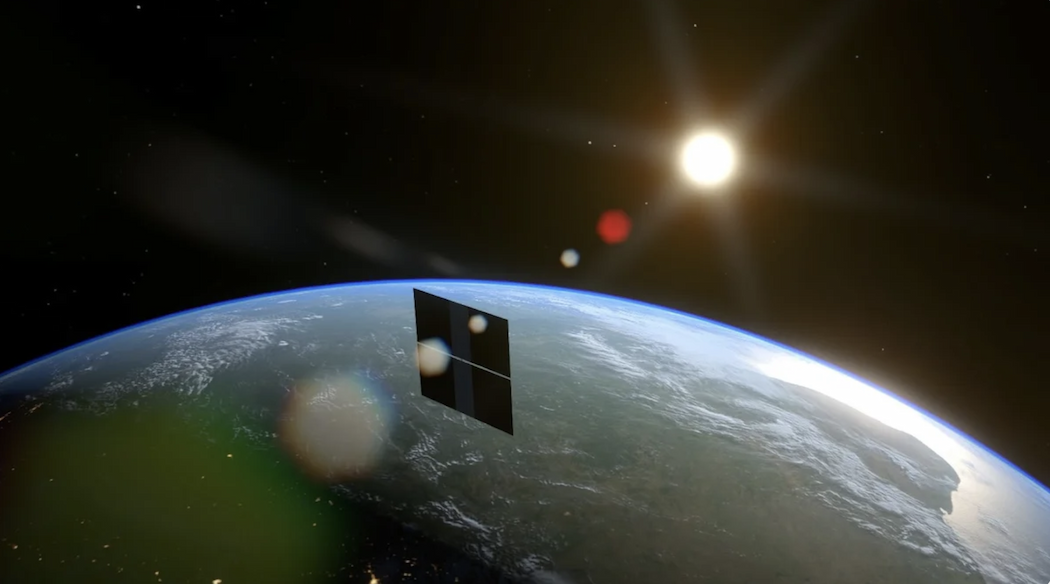
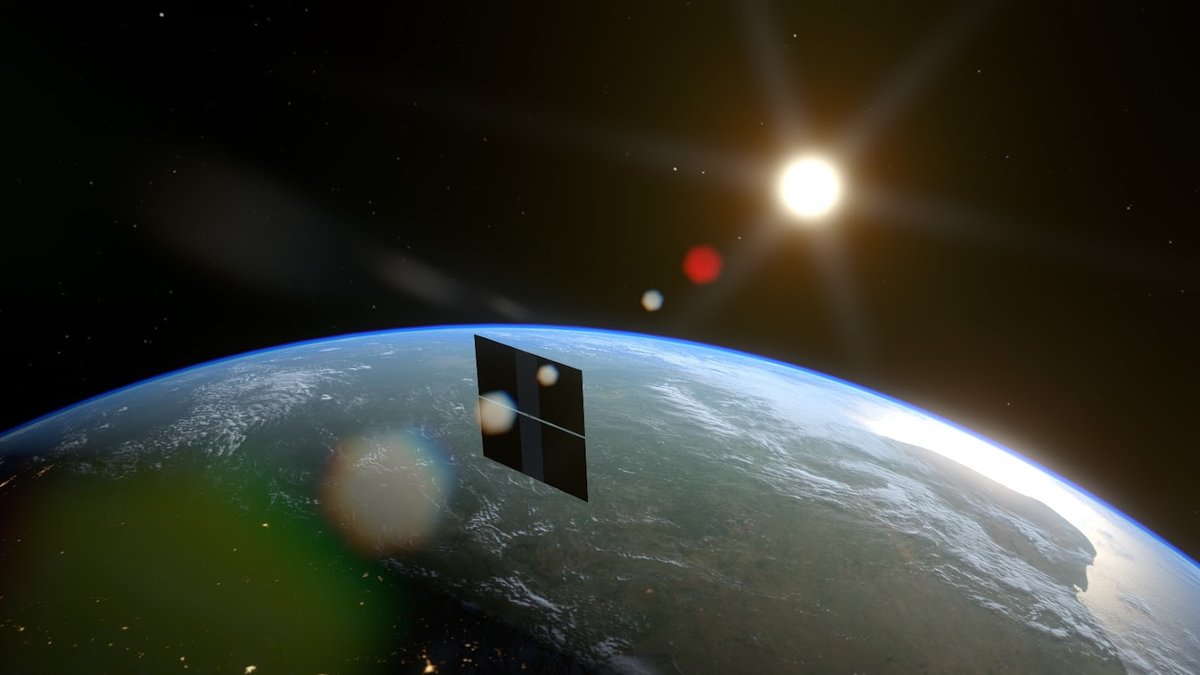
An artist's rendition of a data center in space. Today Google is launching its own satellite equipped with artificial intelligence computing chips. This will be the first launch in the company’s experimental Project Suncatcher. Credit: Starcloud
|
|
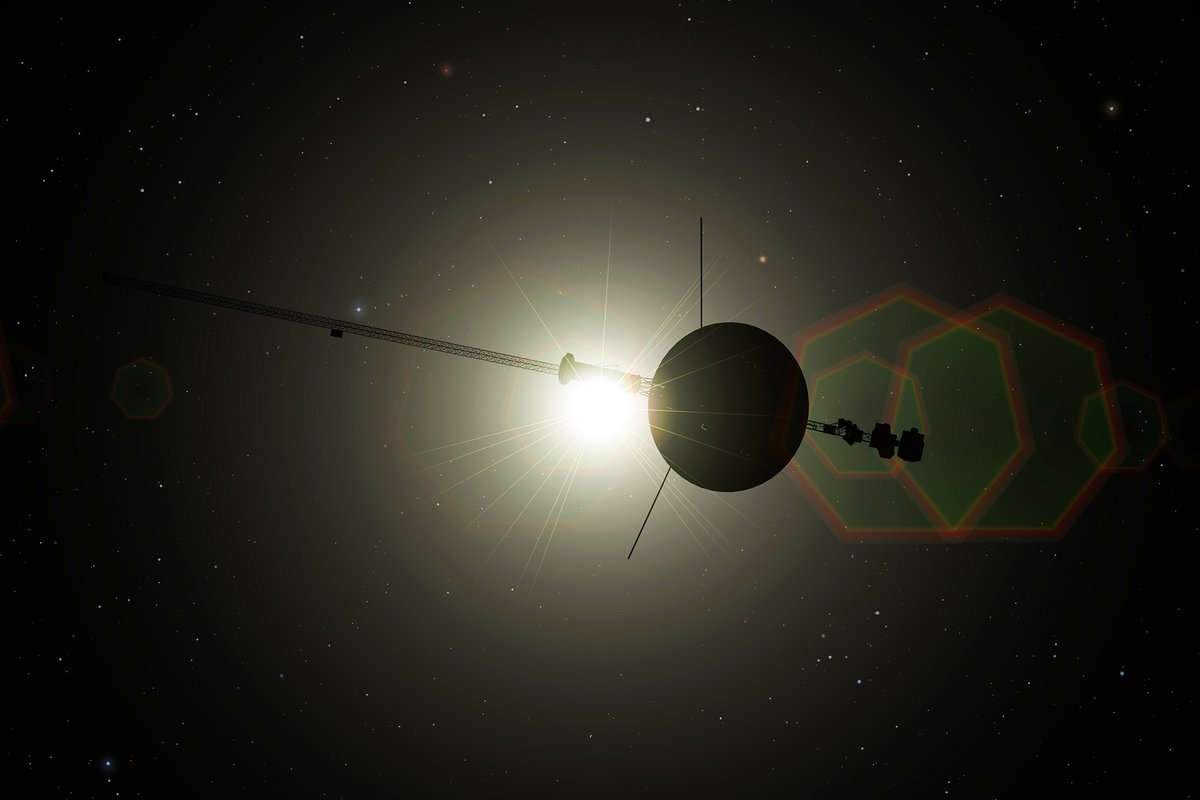
Today, Google’s Project Suncatcher is sending four AI processors into orbit. Scientists are hoping its the first step toward data centers in space. | 5 min read
We asked Michigan Senate candidate Abdul El-Sayed about how his background in medicine has shaped his politics. | 10 min read
Are you ready to rumble? Scientists are decoding what several elephant “rumble” calls might mean—from “hello” to “let’s go.” | 2 min read
Climate change is affecting petrichor—that glorious smell after it rains. | 2 min read
Archaeologists unearthed a 13th century monastery in Scotland, where there was evidence of a large metalworking operation. | 2 min read
There might be a way to “vaccinate” yourself against online romance scams. | 17 minute podcast
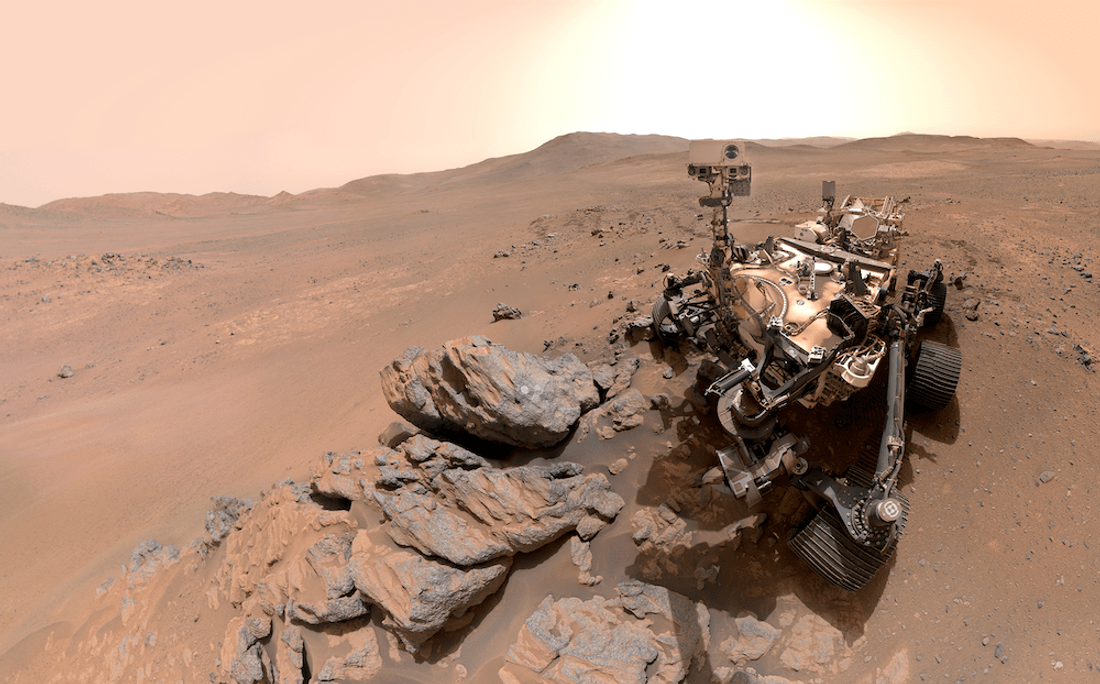
A new NASA directive seeks to loosen rules meant to prevent contamination on Mars. | 3 min read
|
|
Gravitational Waves
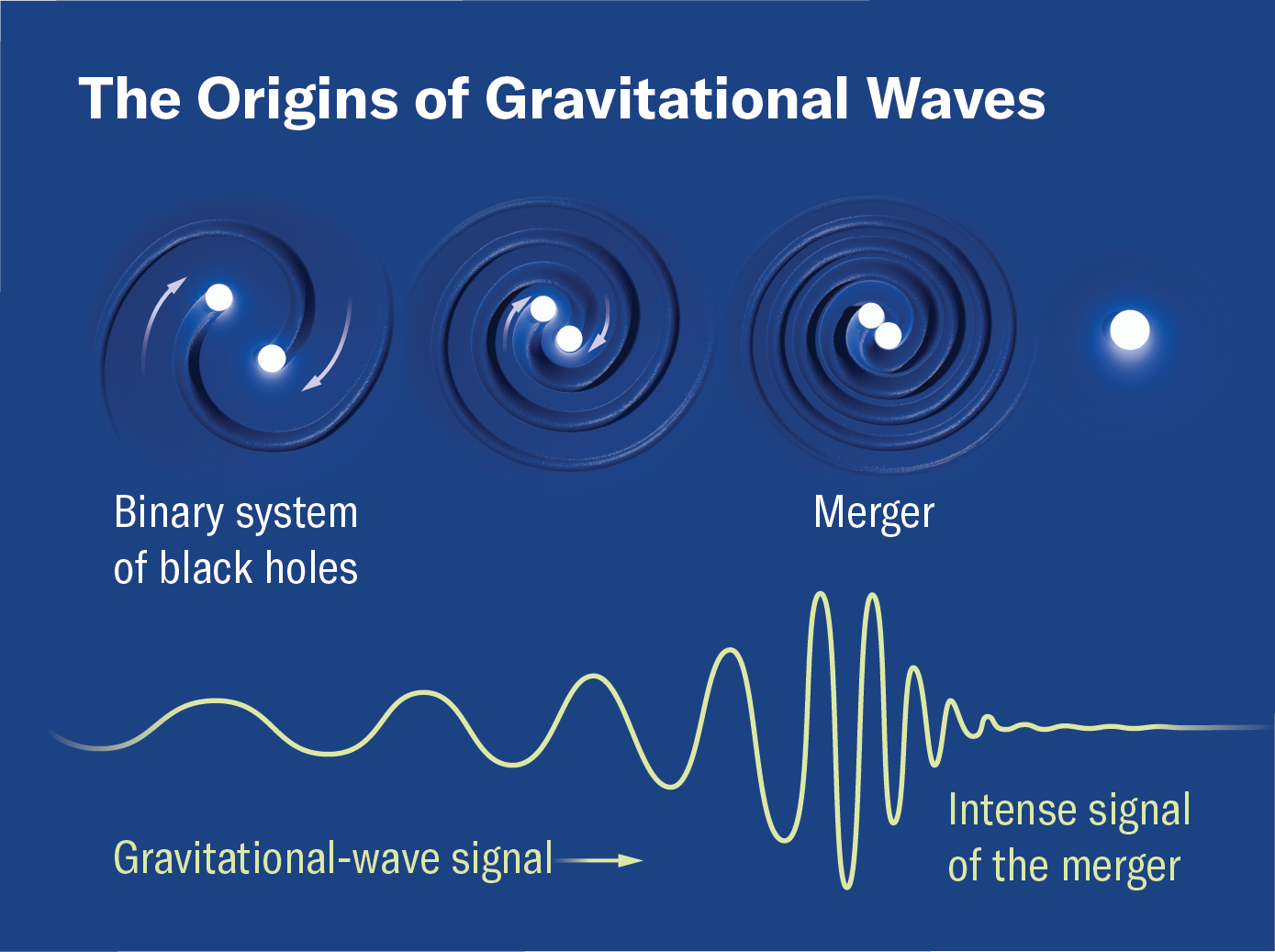
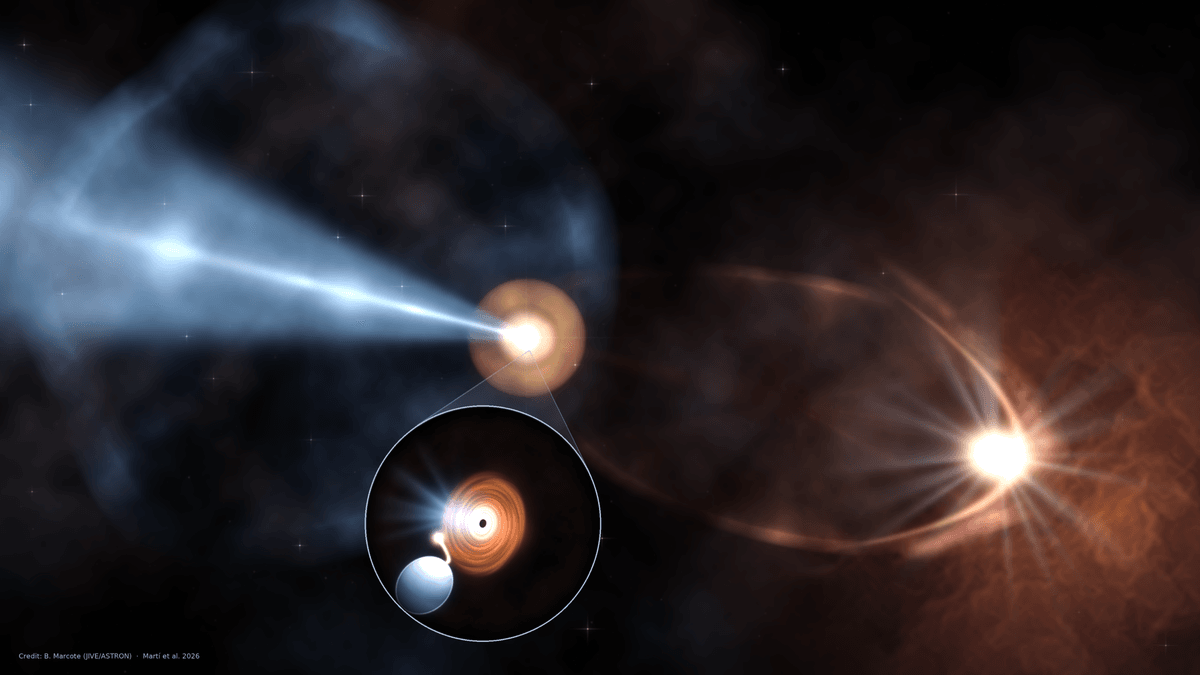
Since gravitational waves were first detected, in 2015, physicists have found almost 400 of these undulations in the fabric of spacetime. A new catalog of the findings, released this year, includes waves made by the collision of the heaviest pair of black holes seen yet, plus ripples from a set of black holes that were spinning at about 40 percent of the speed of light before they smashed together.
Where do they come from? Gravitational waves are distortions in the fabric of spacetime caused by the motion of massive objects. These waves can reveal extreme cosmic events that produce little or no light. For example, a binary system of two co-orbiting black holes can emit gravitational waves that radiate energy, causing their orbits to decay and ultimately leading to a merger. The newly formed, more massive black hole then settles into a stable state, and the spacetime distortions subside.
|
|
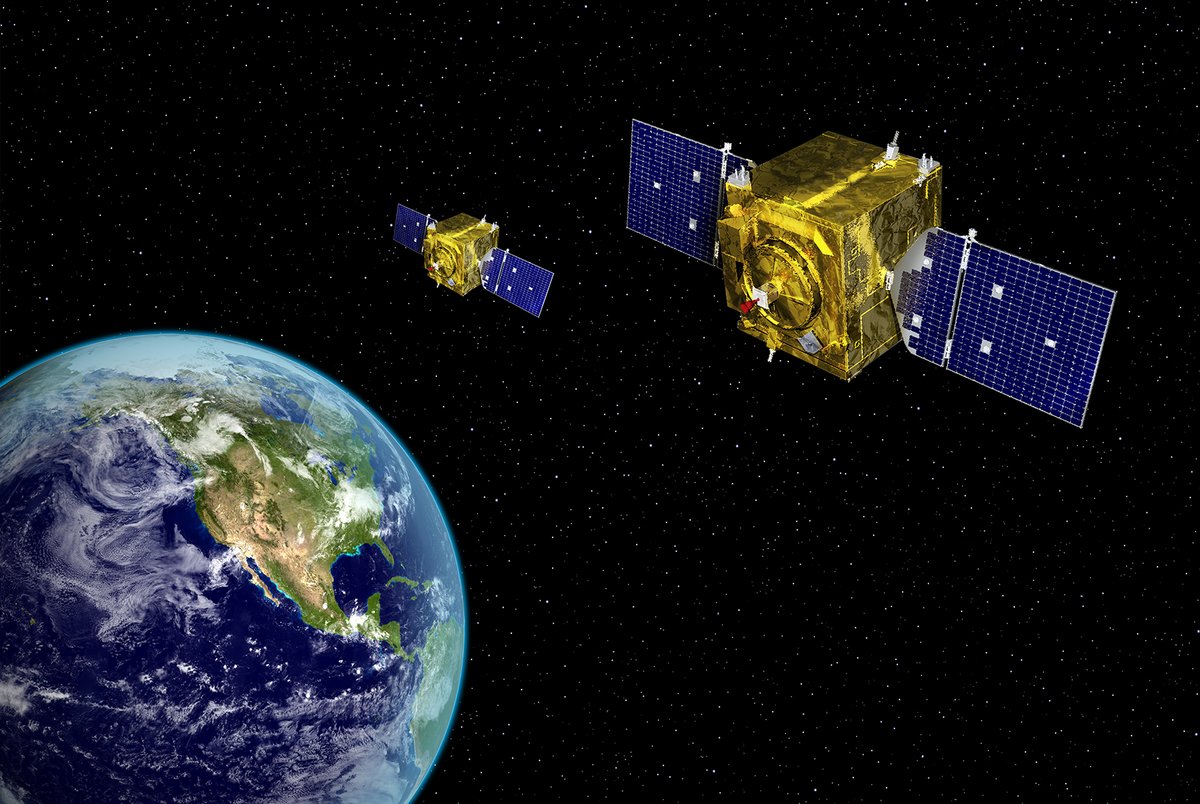
How to detect them: Scientists record gravitational waves using highly sensitive instruments called laser interferometers. When a gravitational wave washes over Earth, it stretches and shrinks spacetime, measurably affecting the distance laser beams travel within these devices before recombining. That creates distinctive interference patterns that signal a detection.
|
|
|
|
|
Trinity Test Crystal
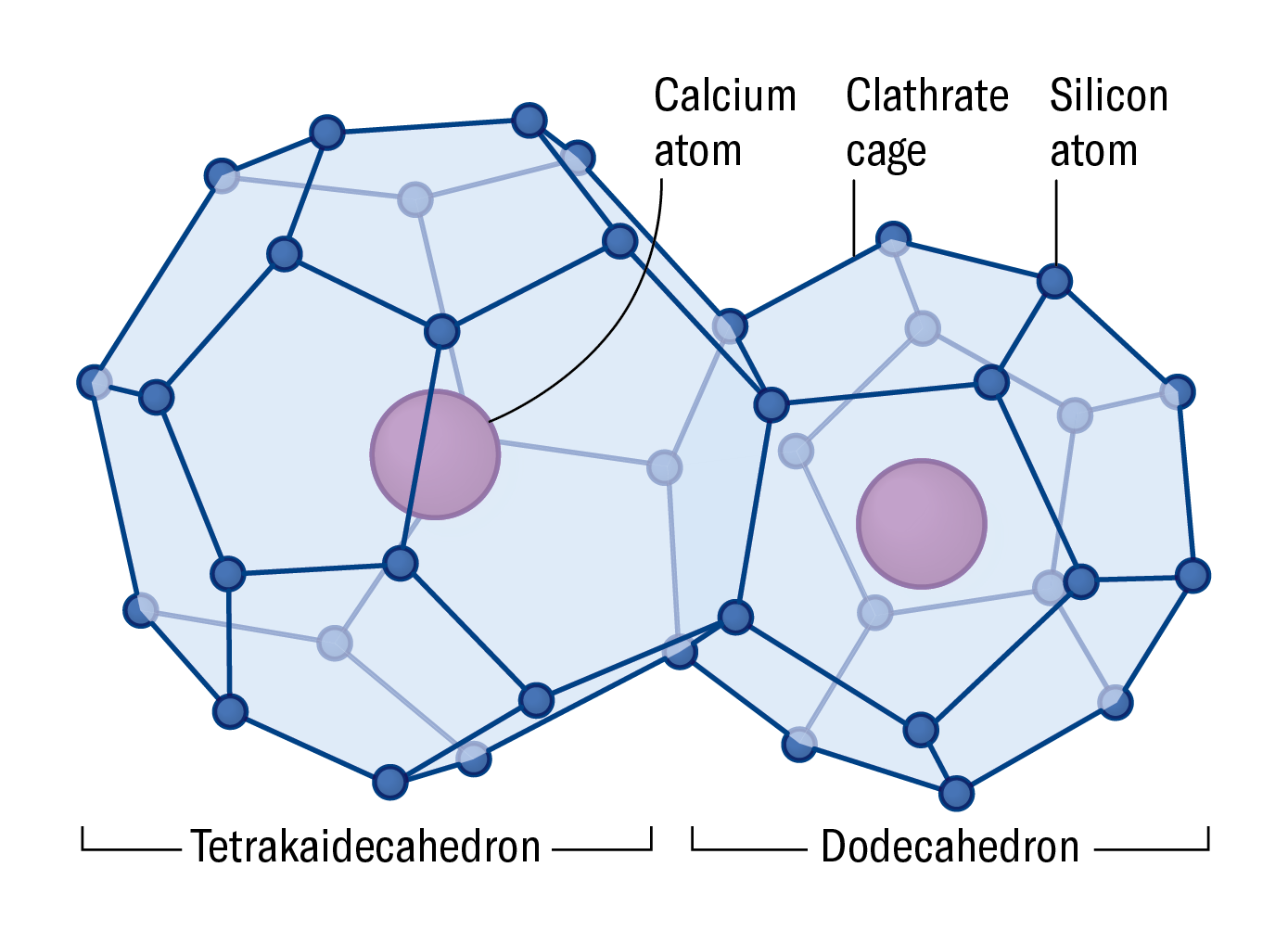
After a nuclear bomb went off during the Trinity nuclear test in New Mexico, 1945, melted sand and vaporized sensor wires crystallized into a strange glass-like form found on the ground, dubbed trinitite. Now, researchers have identified a new material within trinitite called a clathrate: a cagelike chemical lattice that traps other atoms inside it. This clathrate variety has never been seen before anywhere—in nature or in the aftermath of another nuclear explosion.
How it happened: The conditions of the surrounding area during the Trinity test caused this strange material to form. During the Trinity blast, sand swept into the ensuing fireball was exposed to temperatures higher than 1,500 degrees Celsius and pressures of several gigapascals—way more pressure than needed to turn graphite into a diamond. The matter vaporized, mixed and cooled extremely quickly, scrambling into new forms. This particular clathrate isn’t a clean, stable structure, but rather an “unusual nonequilibrium material,” says Luca Bindi, a geologist at the University of Florence in Italy and the study’s coauthor.
What the experts say: “This work underscores how rare, high-energy events—such as nuclear detonations, lightning strikes, and hypervelocity impacts—serve as natural laboratories for producing unexpected crystalline matter,” the study authors write.
|
|
|
|
|
If you’ve read this far, your brain probably wants a subscription. Help support this newsletter and get unlimited access to Scientific American: 90 days for just $1.
|
|
We were all really excited to hear when our breaking news reporter, Adam Kovac, nabbed an interview with Abdul El-Sayed. A politician might not be expecting a science reporter to ask them tough questions, but science heavily influences the issues at play in this year’s midterms—from healthcare to clean energy. Staying informed, and asking the same of our politicians, can do a lot for our democracy.
|
|
What do you think about today's stories? Send your thoughts, questions, and feedback on this newsletter to: newsletters@sciam.com.
—Emma Gometz,
Newsletter Editor
|
|
|
|
|
Subscribe to this and all of our newsletters here.
|
|
Scientific American
1000 N West Street, Suite 1200
|
|
|
|
|