Friday, October 23, 2026

Week in Science: The strongest storm of 2026

Plus, how social media addiction works                    

October 23—This week, the strongest storm of 2026 formed in the Philippine Sea. Plus, why we probably live in a multiverse, how to get sober from social media and what scientists really think of Elizabeth Holmes.

Think you’re a science news pro? Take our Friday quiz to find out.

—Emma Gometz, Newsletter Editor

Have thoughts or feedback on our coverage? Email newsletters@sciam.com anytime.

Top Stories
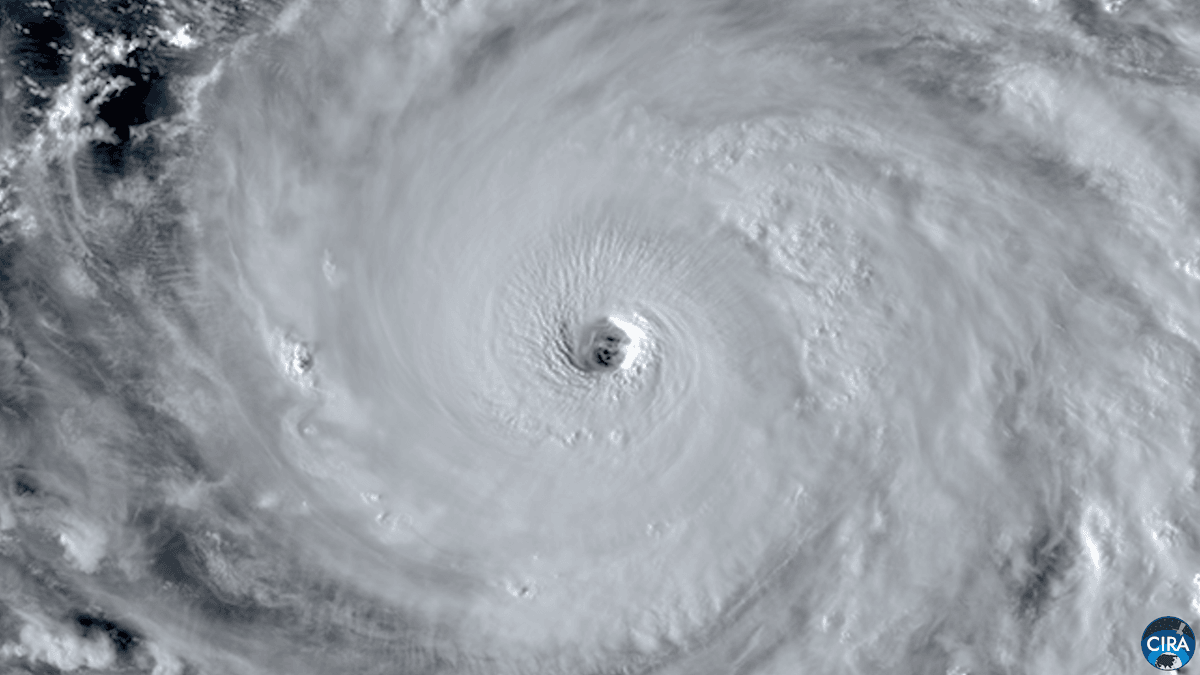
Super Typhoon Champi sets the record for strongest storm of 2026

The cyclone’s winds hit 185 miles per hour—the strongest windspeed of any storm this year

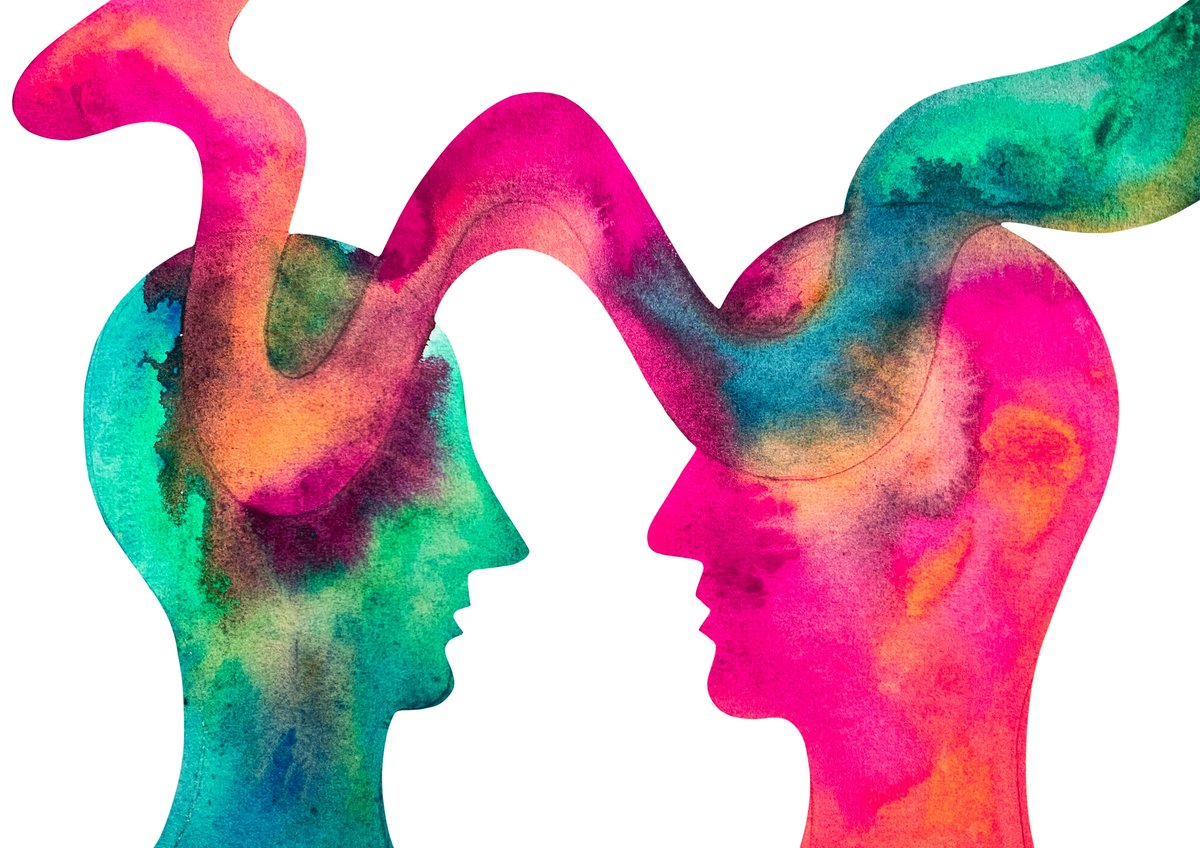
The brain doesn’t process emotion the way we thought

The emotions themselves may be more important than the senses we use to perceive them

Subscriber Event
Inside Social Media Addiction: Join Us Live

Why is social media so hard to put down? Join Scientific American associate editor Allison Parshall and neuroscientist Eva Telzer on November 5 for a virtual discussion exploring the science behind social media addiction and how to build healthier relationships with technology.

Why we probably live in a multiverse

The once-fringe quantum Many Worlds theory now seems much more likely

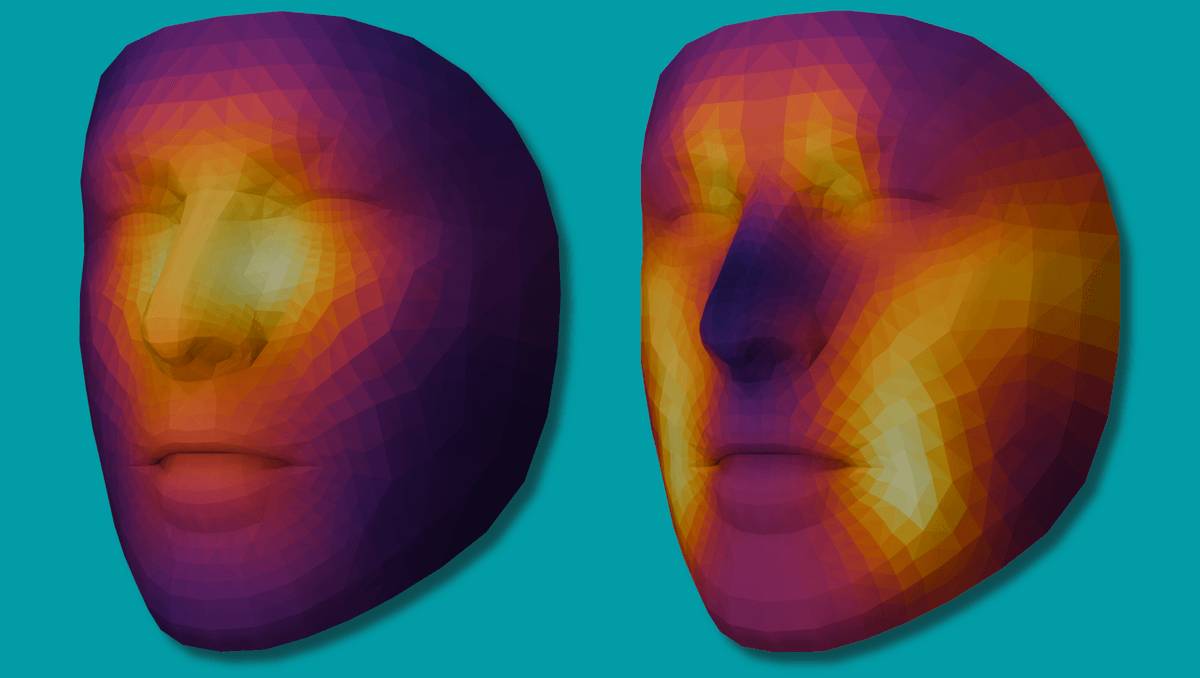
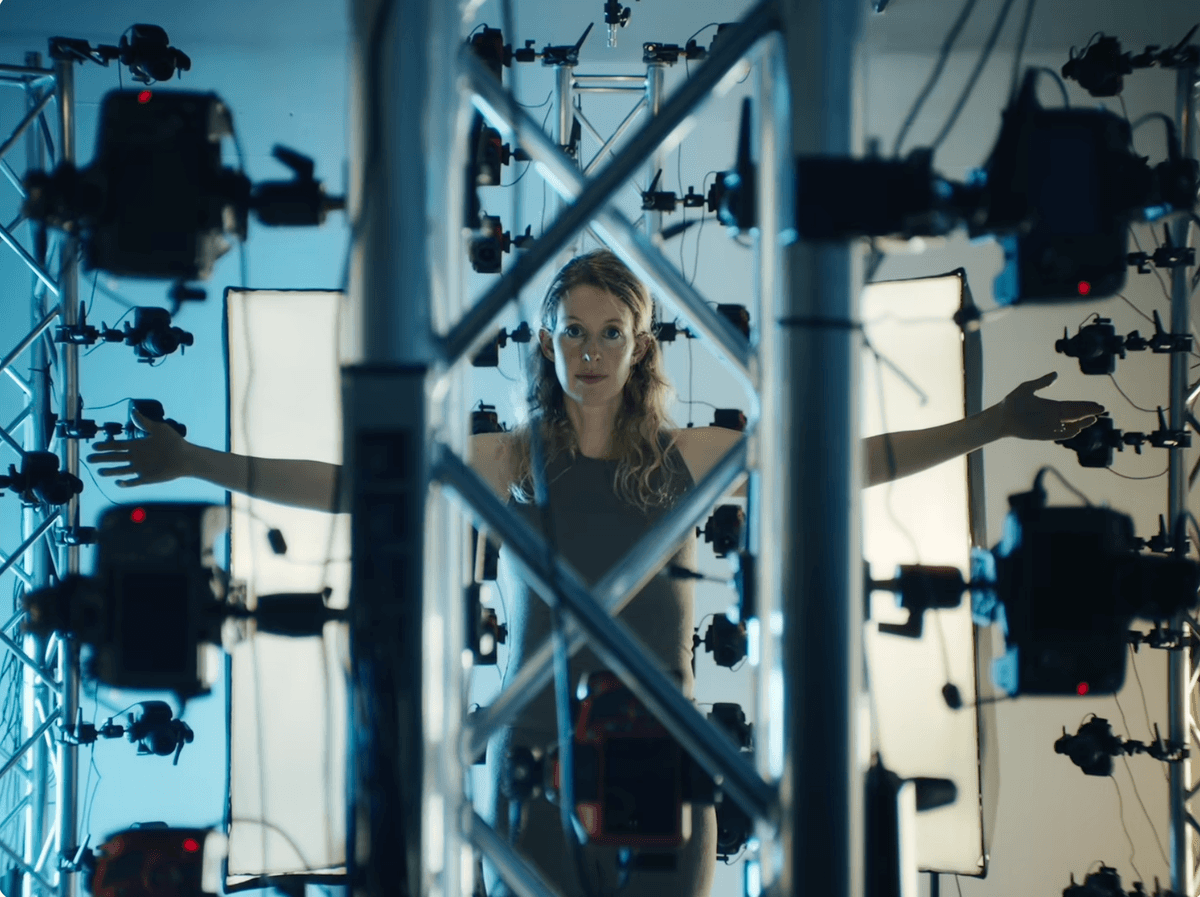
Can AI predict whether you’ll die from cancer from just an image of your face?

Researchers tasked an algorithm with predicting cancer patients’ risk of dying. For some people, it was shockingly accurate

Like this newsletter? A subscription to Scientific American helps make it possible—and gives you full access to the stories that spark your curiosity. Start your subscription today: 90 days for just $1.
A decade after Theranos imploded, here’s what scientists want you to know

A viral documentary has everyone talking about Elizabeth Holmes’s fraudulent blood testing start-up again—but scientists never stopped

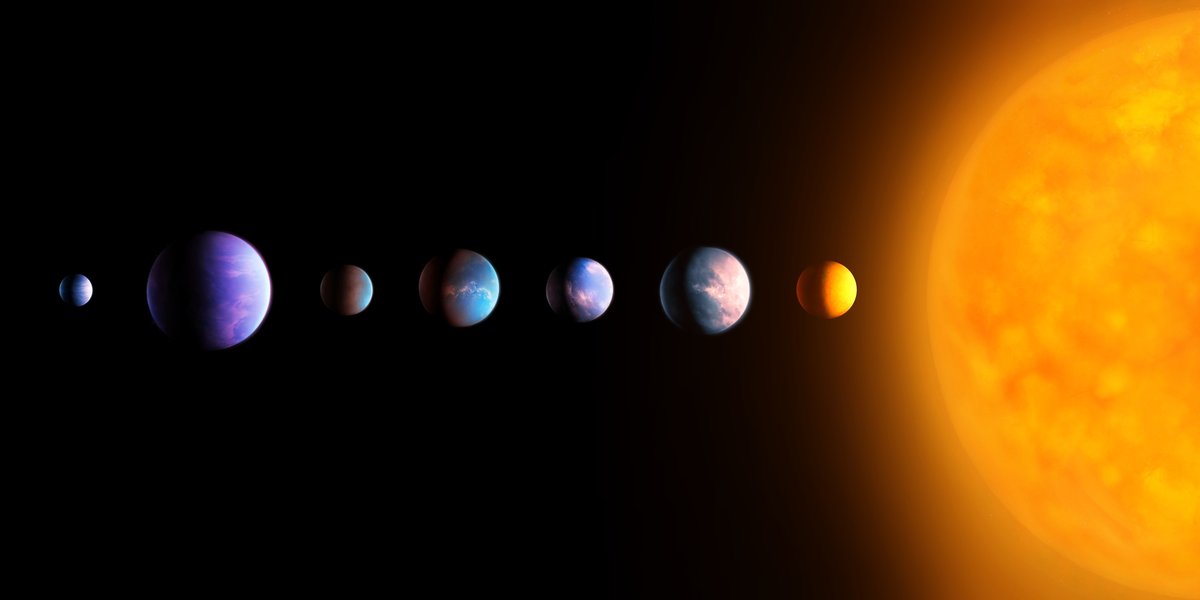
How many planets could fit in the solar system?

As far-fetched as it may seem, quirks of orbital mechanics could allow dozens of planets to be packed around a star

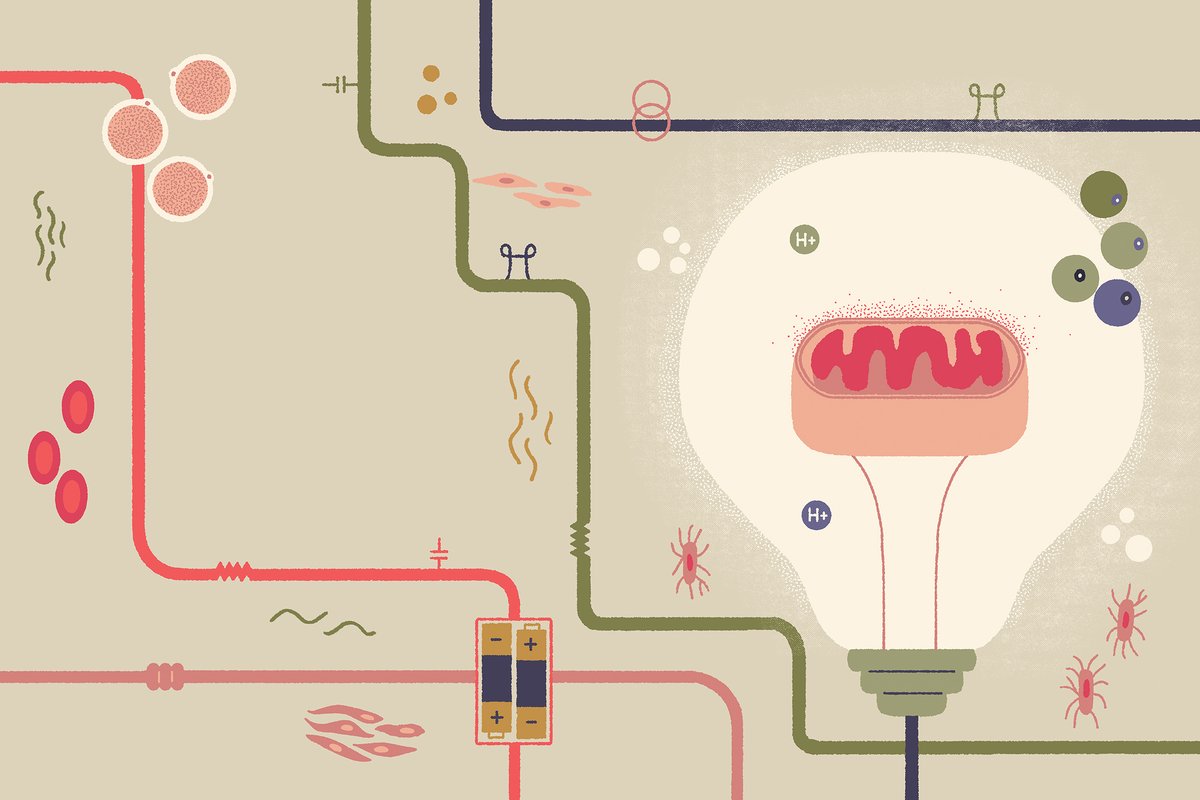
The provocative new theory that could explain aging and disease

Could disruptions in the flow of energy through mitochondria cause everything from type 2 diabetes to Alzheimer’s?

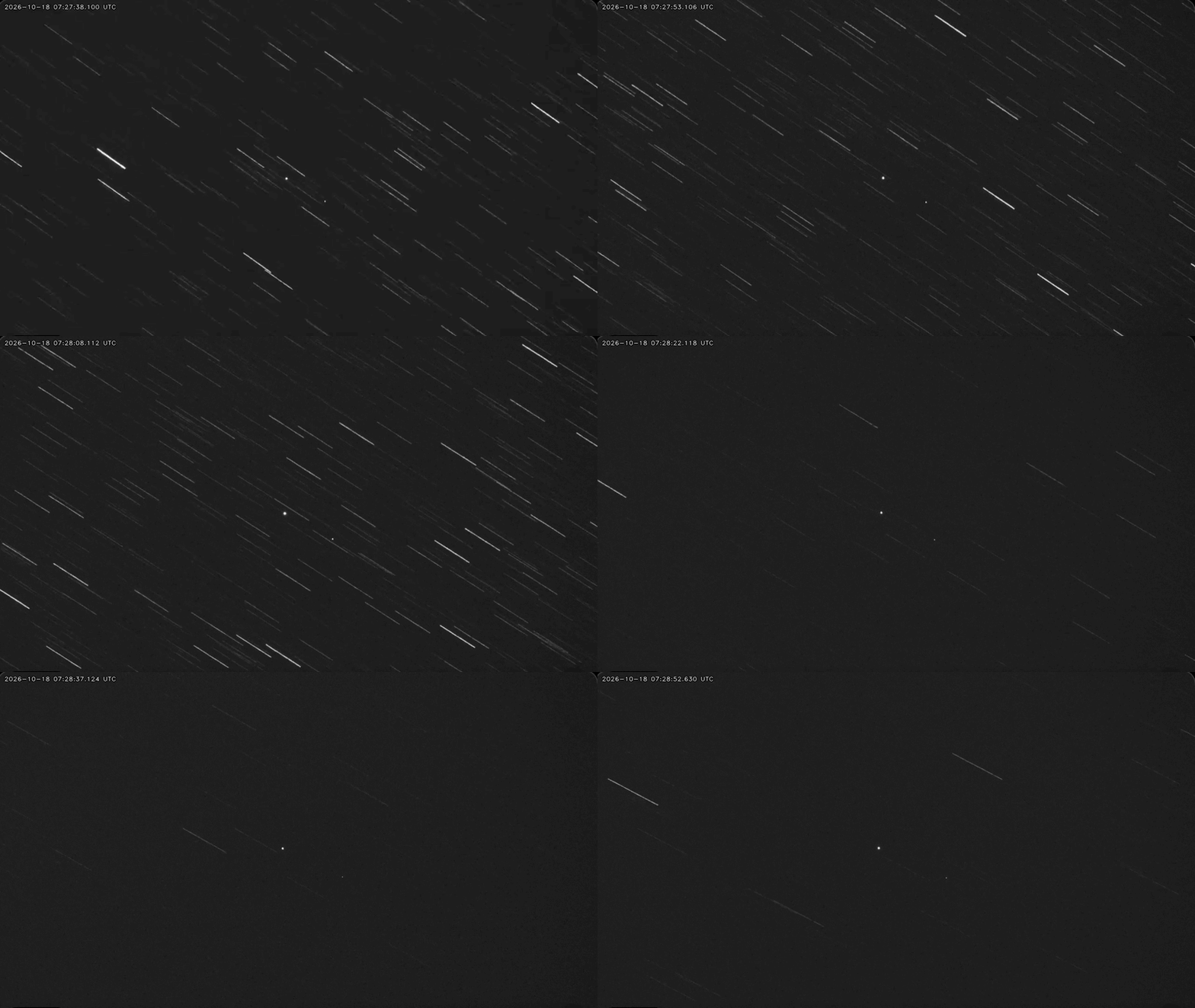
A Russian satellite is stalking a U.S. spacecraft in orbit. Experts are worried

How close is too close for encounters between sensitive spacecraft orbiting Earth? With a mysterious approach to another satellite, Russia’s military may be trying to find out

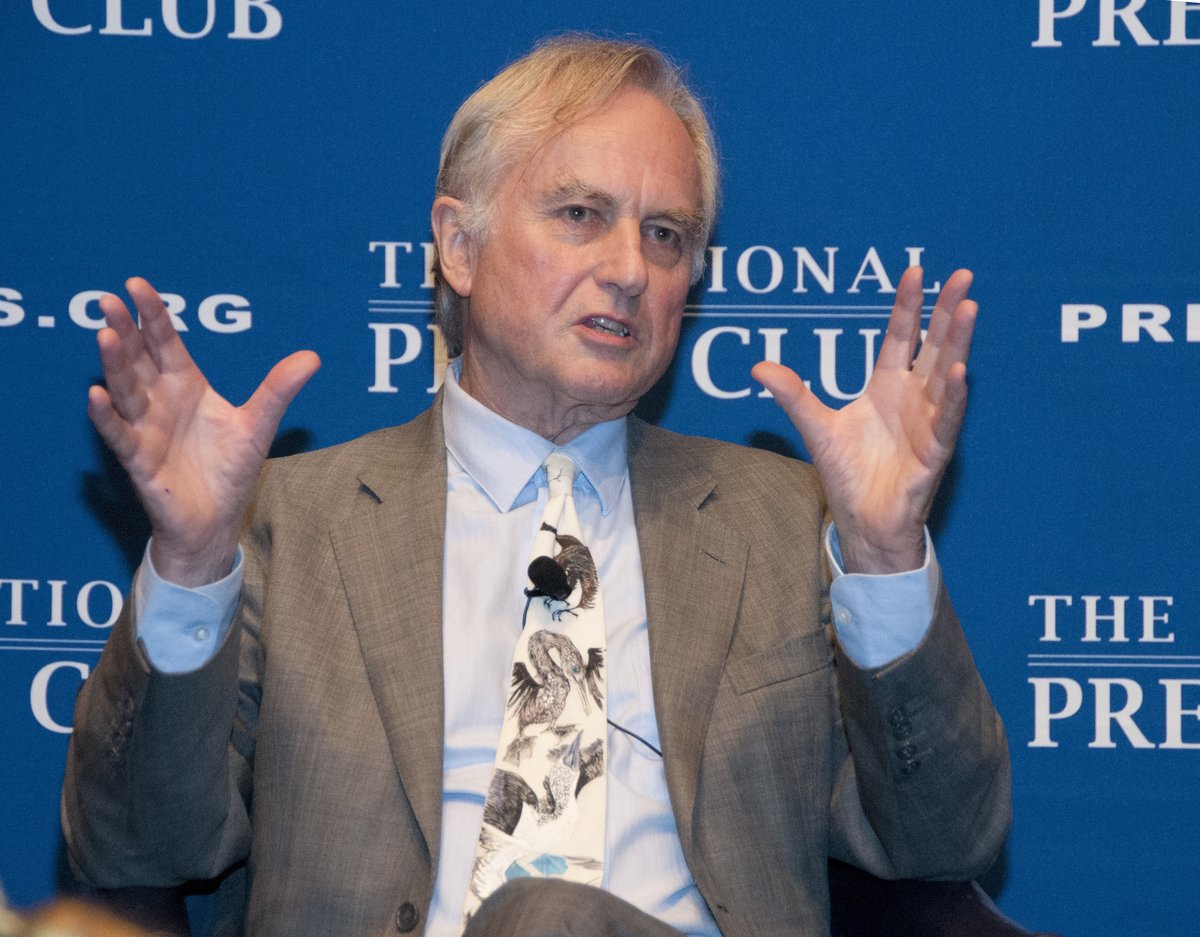
The Selfish Gene, revisited

A half century ago The Selfish Gene by Richard Dawkins became an instant bestseller and transformed public awareness of evolutionary biology. Today scientists are still debating its core message

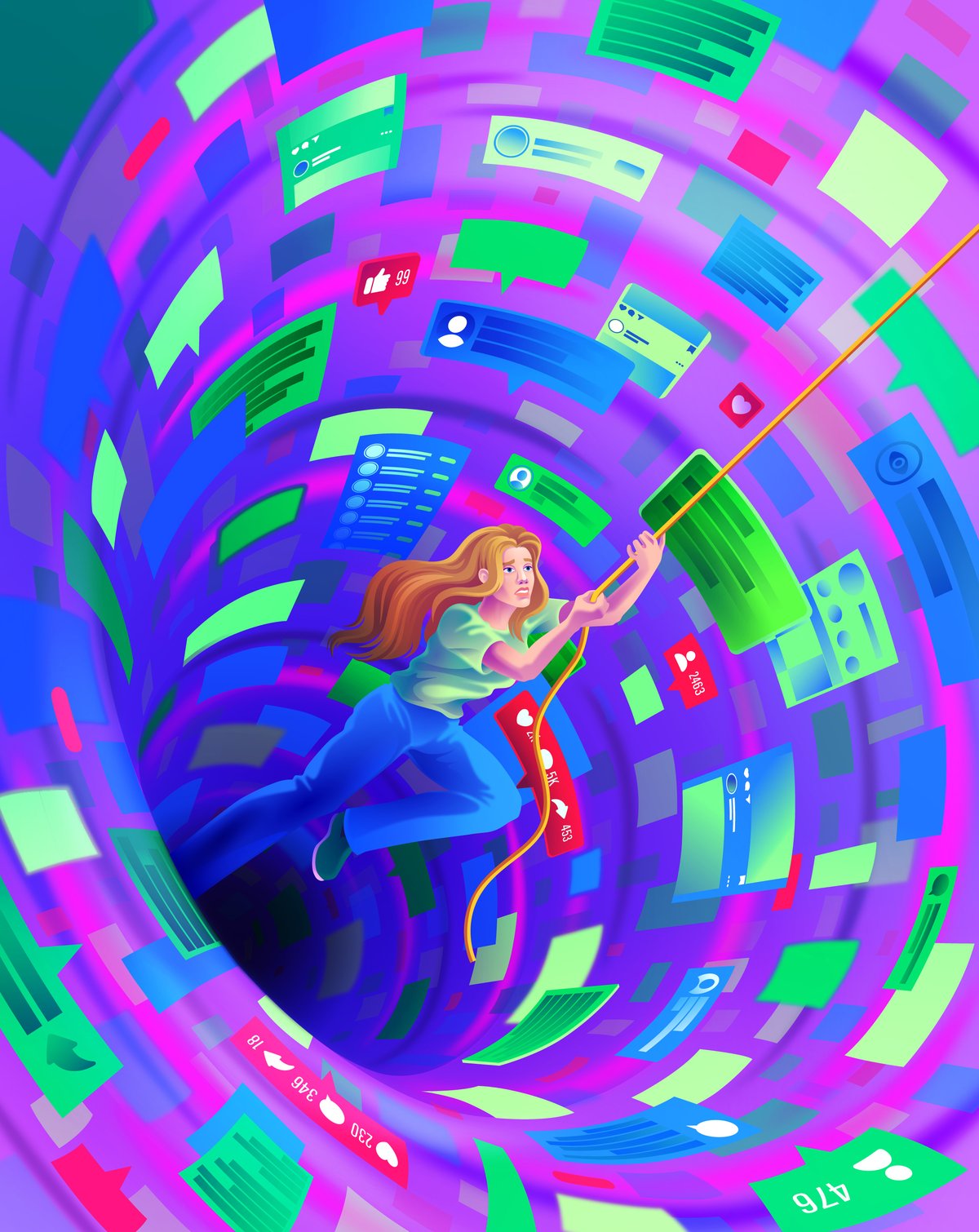
We’re addicted to social media. How do we get sober?

How doctors, scientists and “anonymous” programs are working to free people from their phones

Physicists trap a single antimatter particle for a month

For the first time, scientists can make quantum measurements on a positron particle

Scientist Pankaj

What the Nvidia scandal means for AI

Nvidia provides almost all the major AI labs with semiconductor chips ͏  ͏  ͏  ͏  ͏  ͏  ͏  ͏  ͏  ͏  ͏  ͏  ͏  ͏  ͏  ͏  ͏  ͏  ͏  ͏  ͏  ͏  ͏  ͏...