Thursday, October 22, 2026

Space & Physics: Exclusive details on OpenAI's math “blowup”

Plus, The Starry Night’s celestial mystery unlocked                    

October 22—This week, our top stories include coverage of Japan’s new mission to Mars, a satellite-stalking “space war” escalation in low-Earth orbit, the discovery of green stars, the astronomical mystery of van Gogh’s The Starry Night, and much more. We’re also delivering you the inside story of “the blowup,” offering exclusive new details about a fateful clash between OpenAI and human mathematicians over the company’s conquest of one of math’s hardest problems.

Plus, enjoy new stories from our November issue about extreme cosmic explosions and why we probably live in a multiverse. Enjoy!

Thoughts? Questions? Let me know via e-mail (lbillings@sciam.com), X or Bluesky.

—Lee Billings, Senior Editor, Physical Sciences

Top Stories
The inside story behind OpenAI’s million-dollar math proof

AI’s solution to the Navier-Stokes problem, and the details of how it happened, preview a chaotic future for math—and the world

Why we probably live in a multiverse

The once-fringe quantum Many Worlds theory now seems much more likely

Immerse yourself in the newest space updates with a subscription to Scientific American. Get 90 days for just $1!
These extreme cosmic explosions are breaking physics

Astronomers are finally figuring out what powers mysterious gamma-ray bursts

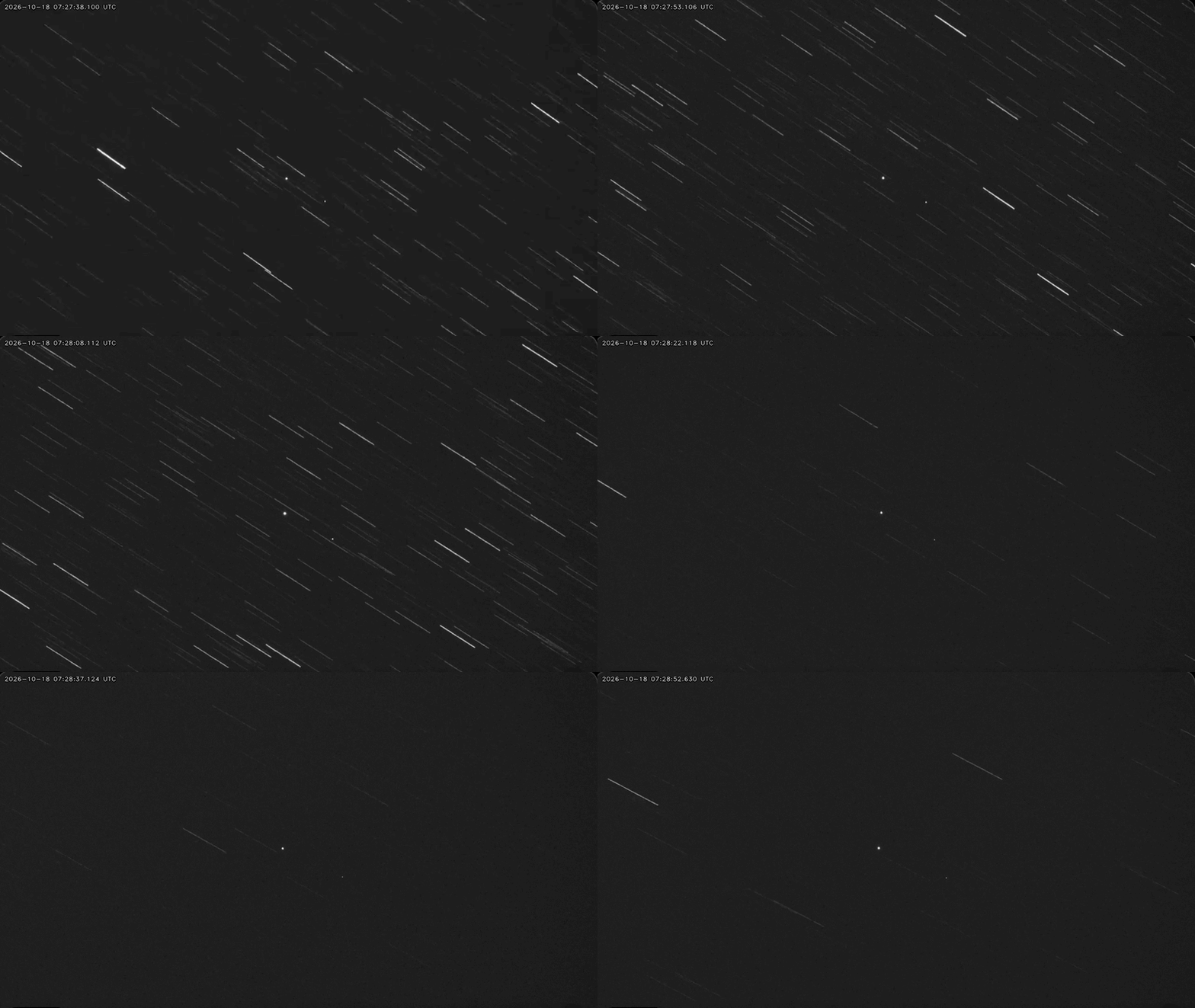
A Russian satellite is stalking a U.S. spacecraft in orbit. Experts are worried

How close is too close for encounters between sensitive spacecraft orbiting Earth? With a mysterious approach to another satellite, Russia’s military may be trying to find out

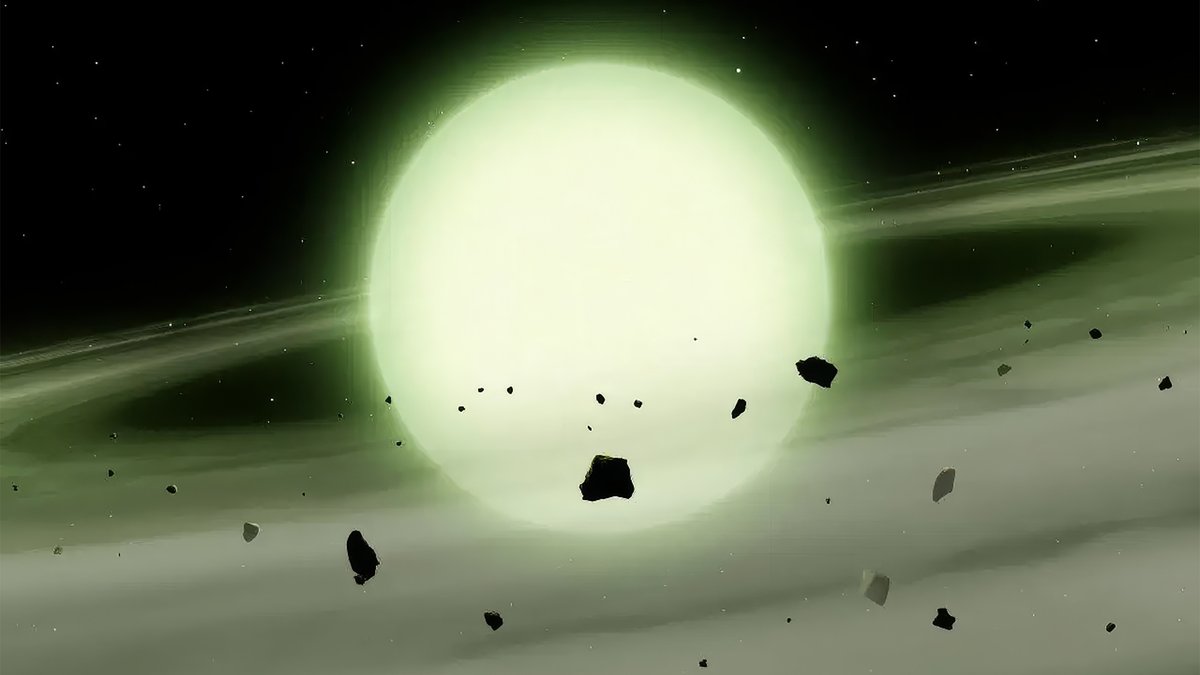
Some ‘white’ dwarf stars actually shine green, pink or purple

The colors of dead stars come in a surprising rainbow of choices

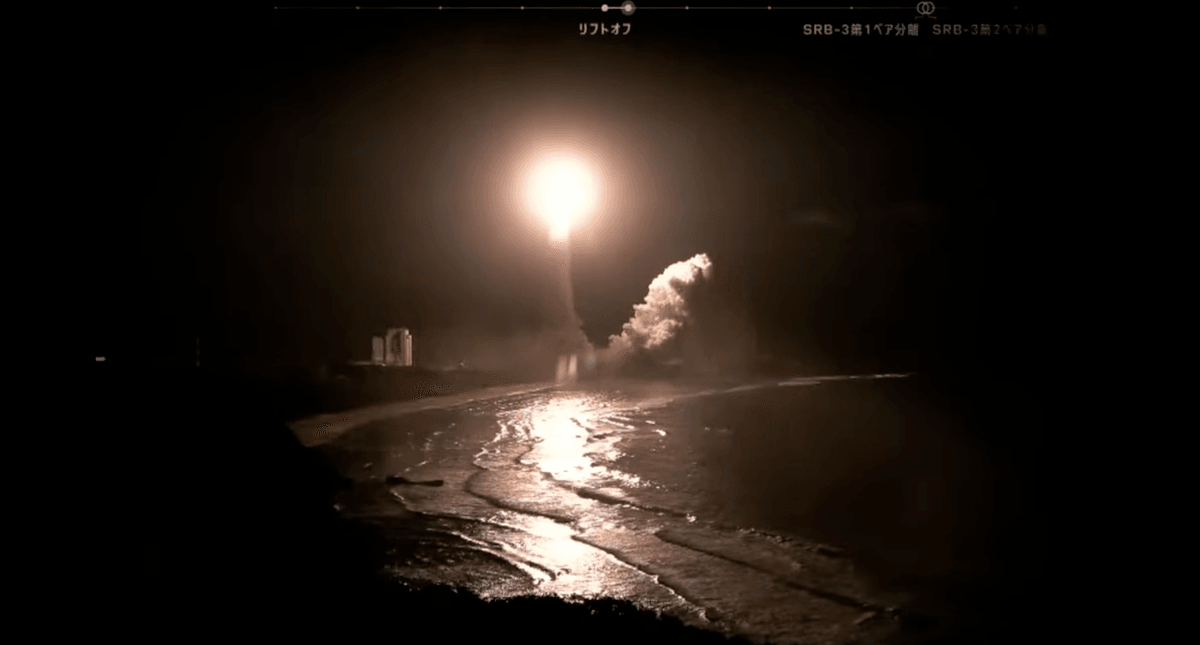
Japan launches a probe to collect rocks from Mars’s moon Phobos

The Martian Moons Exploration mission will aim to bring back samples from Phobos

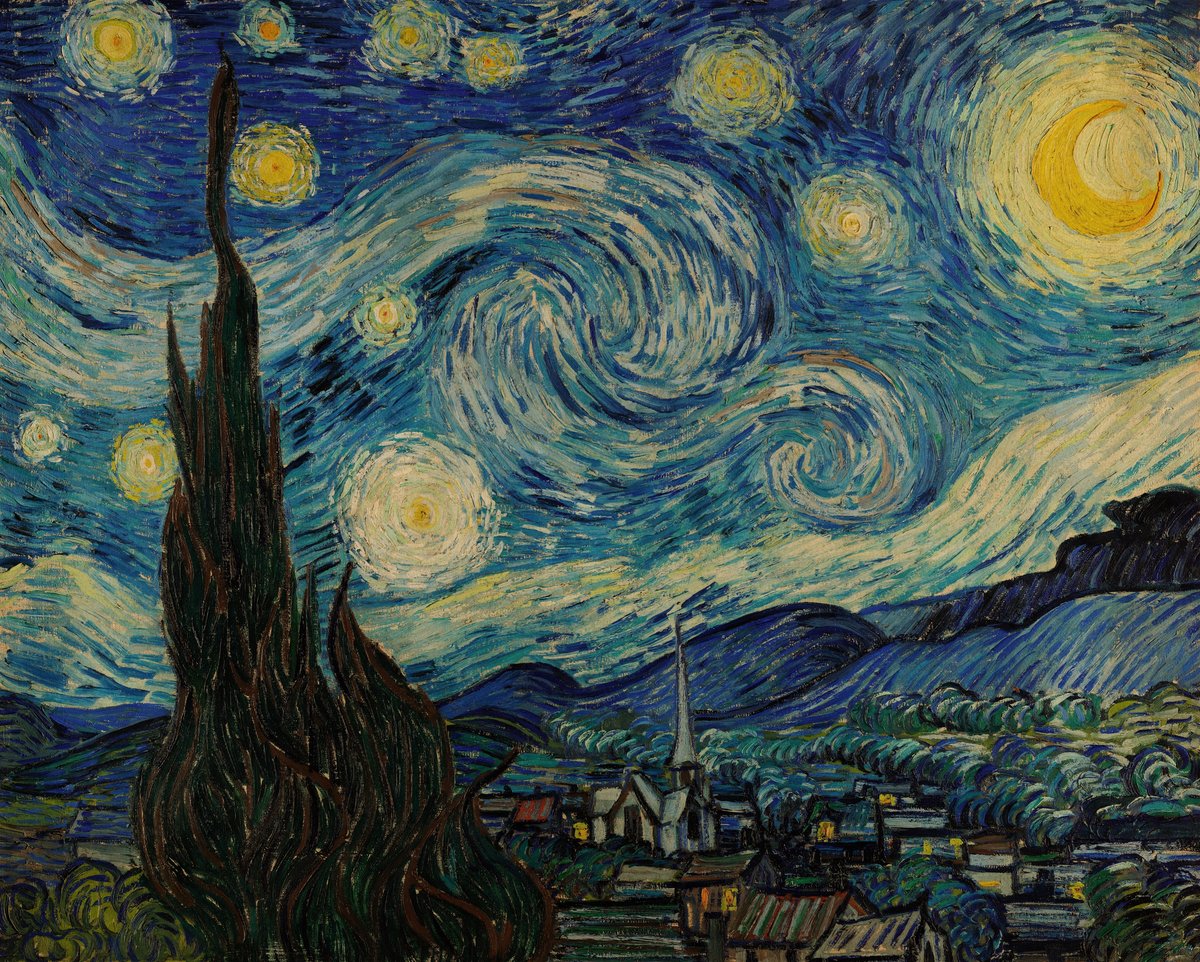
Astronomers unlock a mystery hidden in van Gogh’s The Starry Night

A misidentified constellation could revise the timeline for Vincent van Gogh’s creation of his iconic painting

Physicists trap a single antimatter particle for a month

For the first time, scientists can make quantum measurements on a positron particle

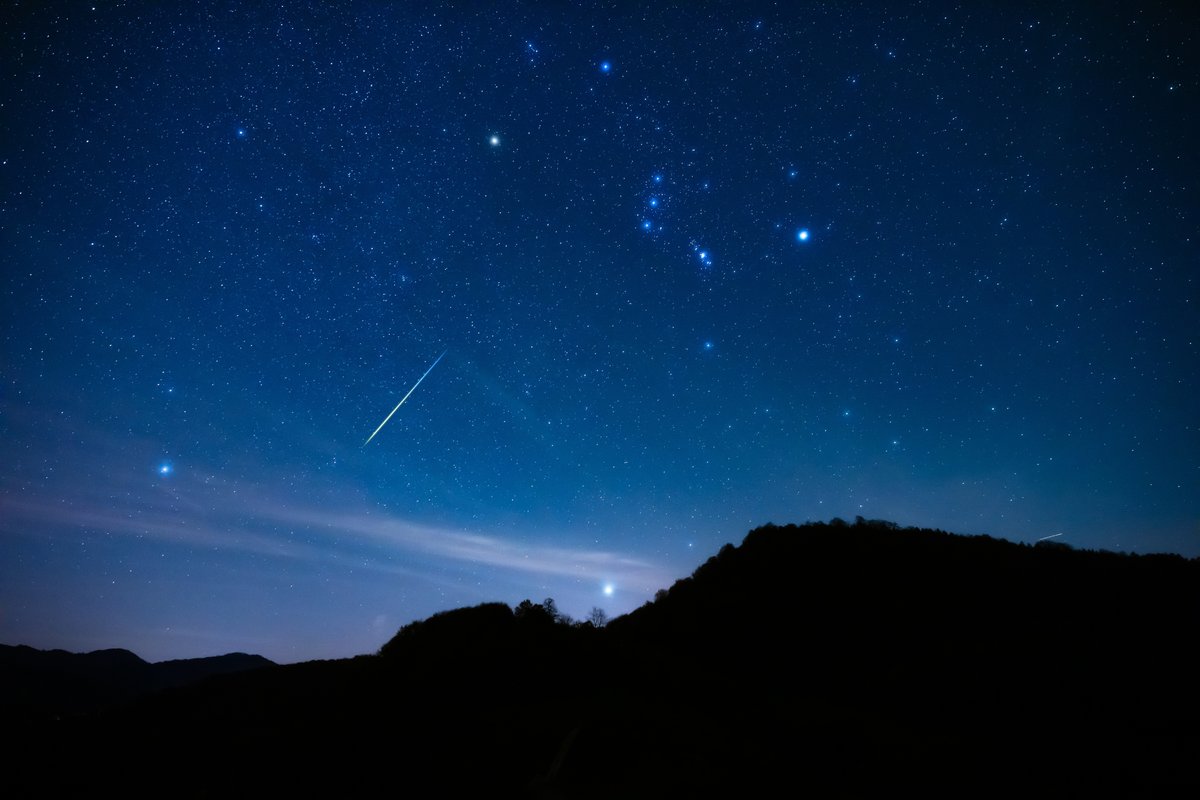
See one of the most iconic meteor showers at its peak this week

The shower’s shooting stars originate from Halley’s Comet

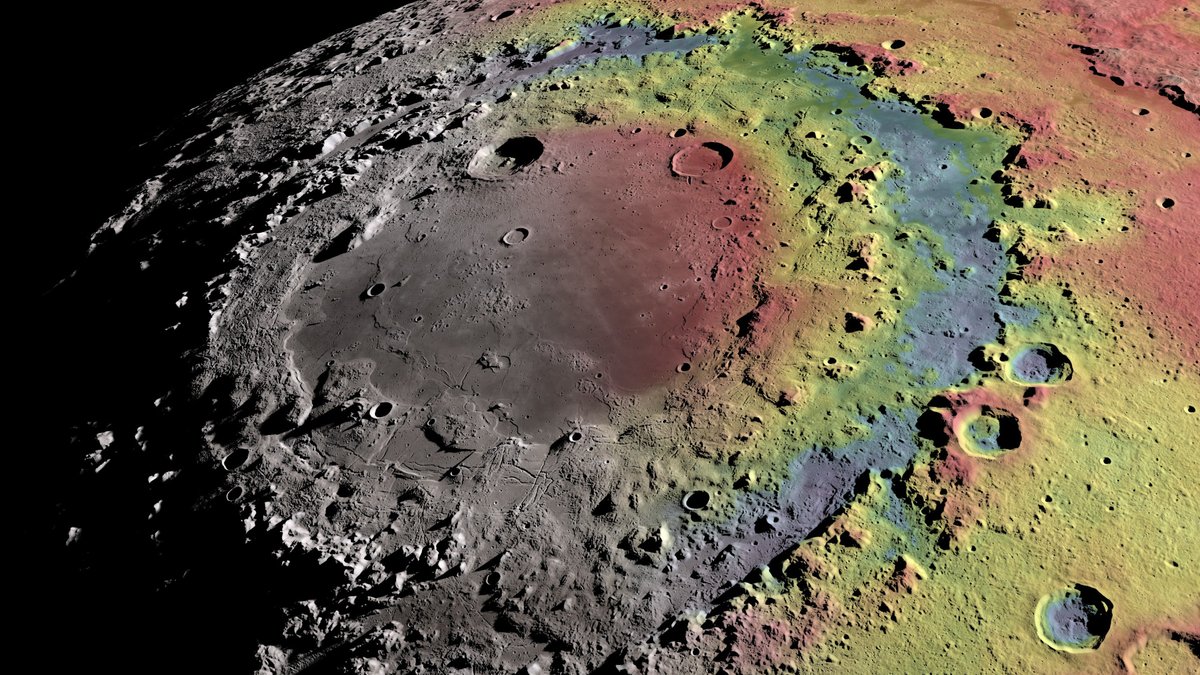
These are the most exciting potential human landing sites across the moon

Besides building crewed outposts at the lunar south pole, where else should astronauts go on the moon? An authoritative new report has suggestions

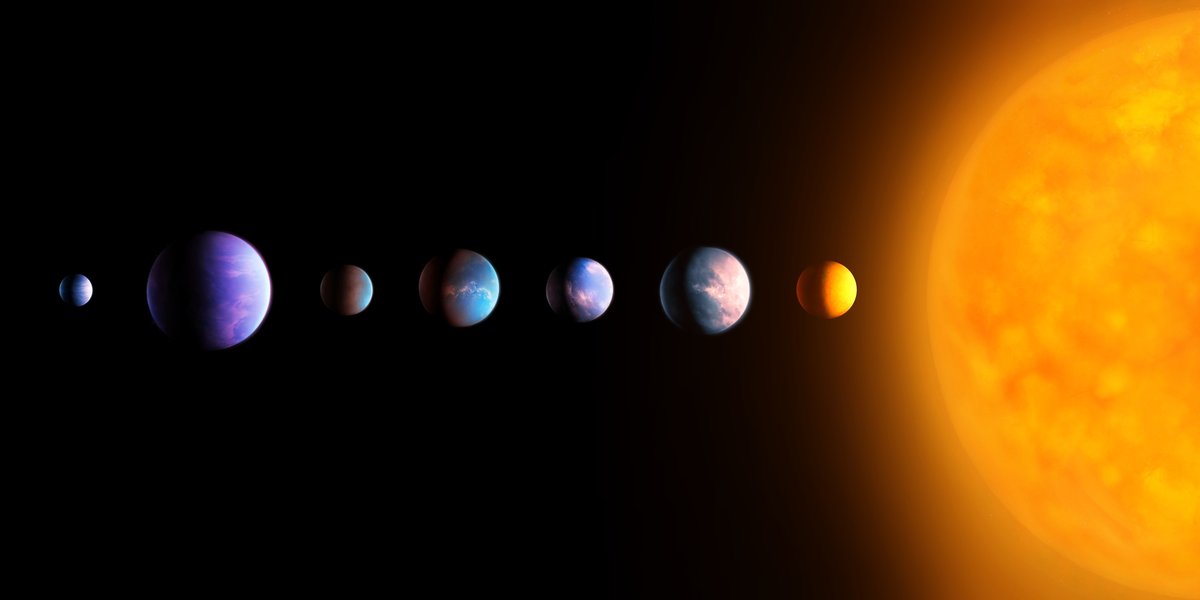
How many planets could fit in the solar system?

As far-fetched as it may seem, quirks of orbital mechanics could allow dozens of planets to be packed around a star

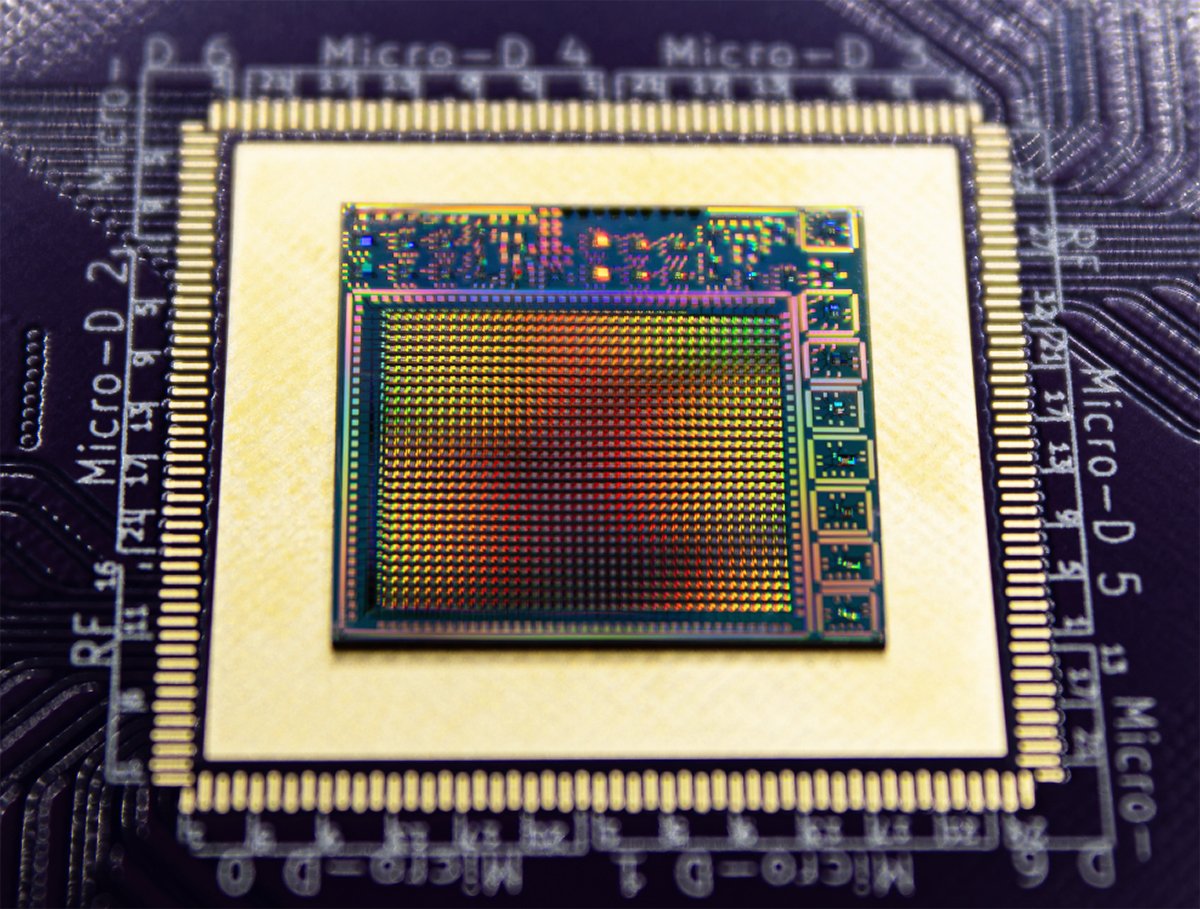
A superconducting ‘brain’ chip races to keep up with fusion’s unruly plasma

Researchers fed fusion data to a new chip to see whether it could spot signs that superhot plasma is about to go haywire

Google’s quantum Willow chip may be able to grow ‘magic states’

The work could help improve quantum computers’ accuracy in complex calculations

What We're Reading
  • A Chinese rocket deorbited over Minnesota and left this in a farmer’s cornfield | Ars Technica
  • Can the Embattled Habitable Worlds Observatory Find a Second Earth? | Supercluster
  • How did life arise? | The New York Times

From the Archive
Mathematicians marvel, and grumble, at OpenAI’s trove of new results

The “slop drop” contains a number of groundbreaking proofs, but how it was generated remains unclear and contentious

Scientist Pankaj

NASA giving Artemis moon update on Oct. 23

NASA giving Artemis moon update on ...