Investment in humanoid robots is ramping up, would you have one in your home? ͏ ͏ ͏ ͏ ͏ ͏ ͏ ͏ ͏ ͏ ͏ ͏ ͏ ͏ ͏ ͏ ͏ ͏ ͏ ͏ ͏ ͏ ͏ ͏ ͏ ͏ ͏ ͏ ͏ ͏ ͏ ͏ ͏ ͏ ͏ ͏ ͏ ͏ ͏ ͏ ͏ ͏ ͏ ͏ ͏ ͏ ͏ ͏ ͏ ͏ ͏ ͏ ͏ ͏ ͏ ͏ ͏ ͏ ͏ ͏ ͏ ͏ ͏ ͏ ͏ ͏ ͏ ͏ ͏ ͏ ͏ ͏ ͏ ͏ ͏ ͏ ͏ ͏ ͏ ͏ ͏ ͏ ͏ ͏ ͏ ͏ ͏ ͏ ͏ ͏ ͏ ͏ ͏ ͏ ͏ ͏ ͏ ͏ ͏ ͏ ͏ ͏ ͏ ͏ ͏ ͏ ͏ ͏ ͏ ͏ ͏ ͏ ͏ ͏ ͏ ͏ ͏ ͏ ͏ ͏ ͏ ͏ ͏ ͏ ͏ ͏ ͏ ͏ ͏ ͏ ͏ ͏ ͏ ͏ ͏ ͏ ͏ ͏ ͏ ͏ ͏ ͏ ͏ ͏ ͏ ͏ ͏ ͏ ͏ ͏
October 15, 2026—Would you let a robot help with your chores? Plus, the oldest shipwreck ever found and what it would take to terraform Mars (and should we?).
—Andrea Gawrylewski,
Chief Newsletter Editor
|
|
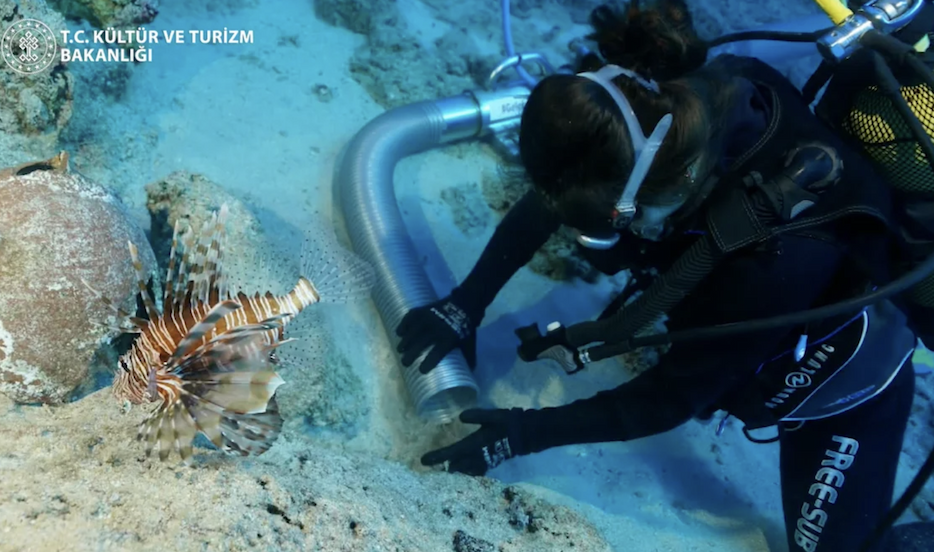
Divers explore a Bronze Age shipwreck off the coast of Türkiye. Republic of Türkiye Ministry of Culture and Tourism
|
|
A relatively intact shipwreck that was found on the seabed off the coast of Türkiye is believed to be between 4,700 and 4,400 years old. That would make it the oldest ever discovered. | 2 min read
Today timekeepers voted to end the leap second, which has been keeping Coordinated Universal Time (UTC) aligned with the time according to Earth’s rotation (UT1) within one second of difference. It will be replaced with a leap hour. | 3 min read
The NIH appears to have shut down public comments early on a science peer-review rule change. | 2 min read
The First Proof project, a test of the mathematical reasoning capability of publicly available AI models, released its third batch of results yesterday, showing that proprietary AIs are becoming exceptional tools for research-level math. But open-source models still struggle. | 3 min read
Everything is a smart device nowadays—TVs, refrigerators, washing machines, toasters (seriously). What if those devices someday enable AI malware to spread rampantly? | 4 min read
Quantum computers make frequent errors, limiting what they can do. But now Google research says its quantum Willow chip may be able to grow "magic states," improving accuracy. | 3 min read
What would it take to terraform Mars? We sat down with Erika DeBenedictis, CEO of Pioneer Labs, a nonprofit research organization that recently announced what it calls “the first microbe for Mars.” | 15 min read
|
|
Robot Butlers
Machine learning has helped robots learn to do tasks like folding laundry or scrambling eggs in imperfect human environments, which requires them to assess the limits of their space and objects they interact with in real time. But those skills are contained within the confines of a particular robot body. Engineers at Google DeepMind want to build a robot brain that can jump between different bodies (even different-shaped ones). The idea is to have a robot that knows how to do the same task across various different physical forms, letting them fetch snacks, change lightbulbs, or tie knots. Experts are training AI models on enough varied data that the robots can pick up patterns of movements, like folding a t-shirt, that can transfer across varying body designs.
Why this matters: An extraordinary amount of money is riding on machines that can do everyday chores. A 2025 Morgan Stanley report projected a humanoid market worth upward of $5 trillion by 2050; Elon Musk has made Tesla’s Optimus humanoid a primary focus of the company. China, meanwhile, is packed with robot start-ups—one called Unitree is launching a $900-million IPO. However, the engineering hasn’t quite caught up to the hype: robots still struggle to do things in a physical environment built for humans.
What the experts say: “Our bet is that if you give [the robot] enough data, intelligence will emerge. That’s the same for language and for motion,” says Kanishka Rao, a principal software engineer at Google DeepMind. “With enough data of the robot interacting with things around it, it will build this implicit thing such that it’ll be able to deal with generalizing to dexterous tasks.” —Emma Gometz, Newsletter Editor
Join the discussion: Would you like a robot in your home helping with chores or home health care? What tasks would you be comfortable assigning it? Share your thoughts here.
|
|
|
|
|
|
SPONSORED CONTENT BY EARTH'S EDGE
|
|
Discover what you’re capable of at the top of the world
|
|
Take on Everest Base Camp, Kilimanjaro, Aconcagua, the Tour du Mont Blanc and more with expert guides, smaller groups and a team committed to your success. Experience a life-changing adventure. Use code SCIAM200 to save $200.
|
|
|
|
|
Scientific American, Vol. 235, No. 4; October 1976
|
|
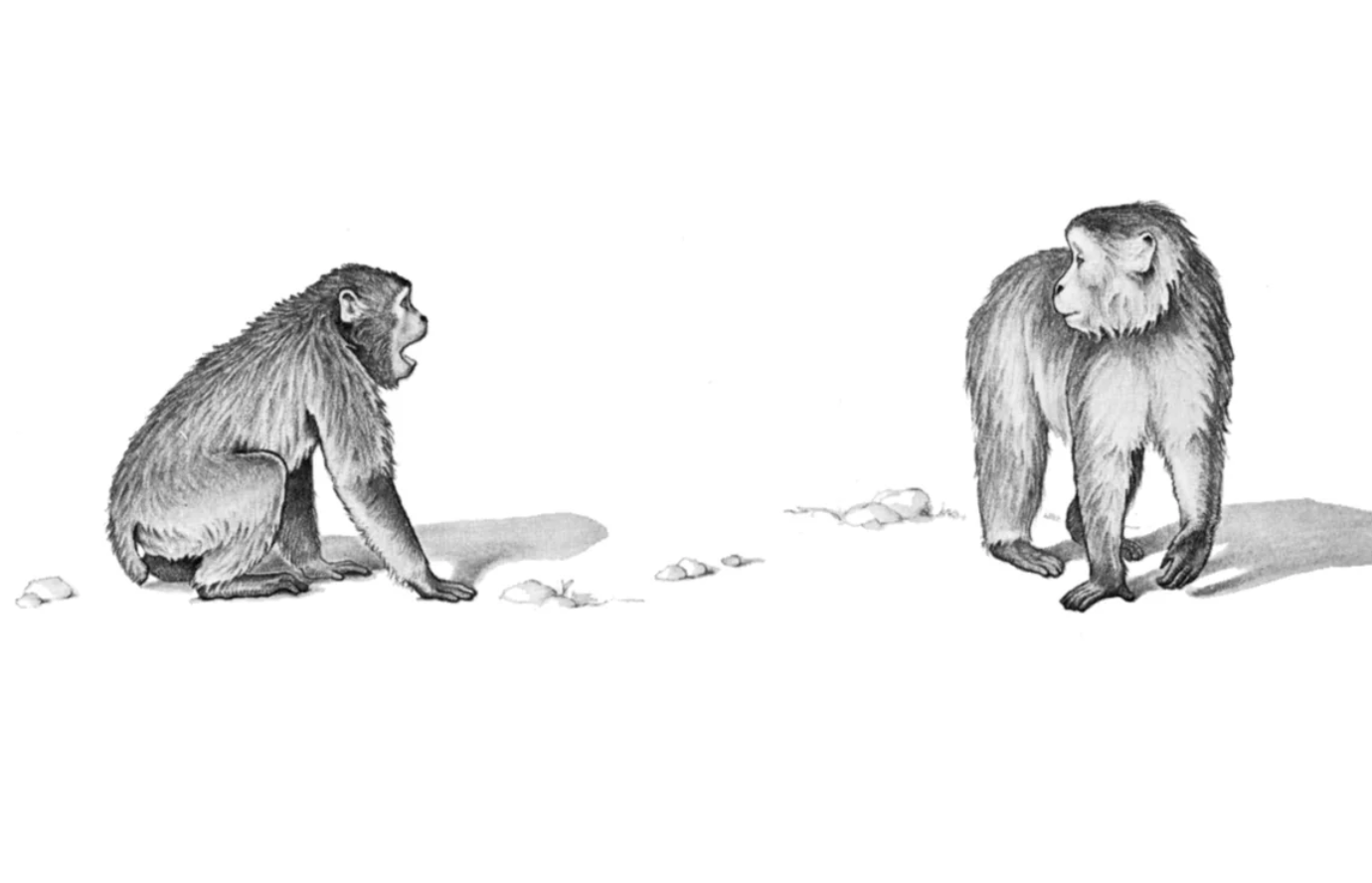
From the October 1976 issue: The social order of macaques. “Researchers observed a so-called subleader policing episode in a group of macaques. The episode, which lasted 1.5 seconds, starts with Tulip, a juvenile female, threatening Infinity, an adult female, shown here in an illustration based on a series of photographs.” Unlimited subscribers can read this whole issue by downloading it here.
|
|
If you’ve read this far, your brain probably wants a subscription. Help support this newsletter and get unlimited access to Scientific American: 90 days for just $1.
|
|
Yesterday, many of you shared a range of opinions about what role you'd let AI agents play in your life, from "I'm not sure I can live without it," to "I have not—and will not—let AI play a role in my life." I was truly fascinated while reading through all the explanations and reasonings at play. I wonder if people feel as strongly about having an AI-run robot in their home helping do the chores. I certainly wouldn't mind a break from the laundry. What do you think? Share your thoughts here.
|
|
—Andrea Gawrylewski,
Chief Newsletter Editor
|
|
|
|
|
Subscribe to this and all of our newsletters here.
|
|
Scientific American
1000 N West Street, Suite 1200
|
|
|
|
|