The Kelvin wave on its way to California is a portent of things to come ͏ ͏ ͏ ͏ ͏ ͏ ͏ ͏ ͏ ͏ ͏ ͏ ͏ ͏ ͏ ͏ ͏ ͏ ͏ ͏ ͏ ͏ ͏ ͏ ͏ ͏ ͏ ͏ ͏ ͏ ͏ ͏ ͏ ͏ ͏ ͏ ͏ ͏ ͏ ͏ ͏ ͏ ͏ ͏ ͏ ͏ ͏ ͏ ͏ ͏ ͏ ͏ ͏ ͏ ͏ ͏ ͏ ͏ ͏ ͏ ͏ ͏ ͏ ͏ ͏ ͏ ͏ ͏ ͏ ͏ ͏ ͏ ͏ ͏ ͏ ͏ ͏ ͏ ͏ ͏ ͏ ͏ ͏ ͏ ͏ ͏ ͏ ͏ ͏ ͏ ͏ ͏ ͏ ͏ ͏ ͏ ͏ ͏ ͏ ͏ ͏ ͏ ͏ ͏ ͏ ͏ ͏ ͏ ͏ ͏ ͏ ͏ ͏ ͏ ͏ ͏ ͏ ͏ ͏ ͏ ͏ ͏ ͏ ͏ ͏ ͏ ͏ ͏ ͏ ͏ ͏ ͏ ͏ ͏ ͏ ͏ ͏ ͏ ͏ ͏ ͏ ͏ ͏ ͏ ͏ ͏ ͏ ͏ ͏ ͏
October 8, 2026—A giant pulse of water is heading toward California. Plus, does egg yolk color matter? And NASA released a hefty trove of moon data from the Artemis II mission.
—Andrea Gawrylewski,
Chief Newsletter Editor
|
|
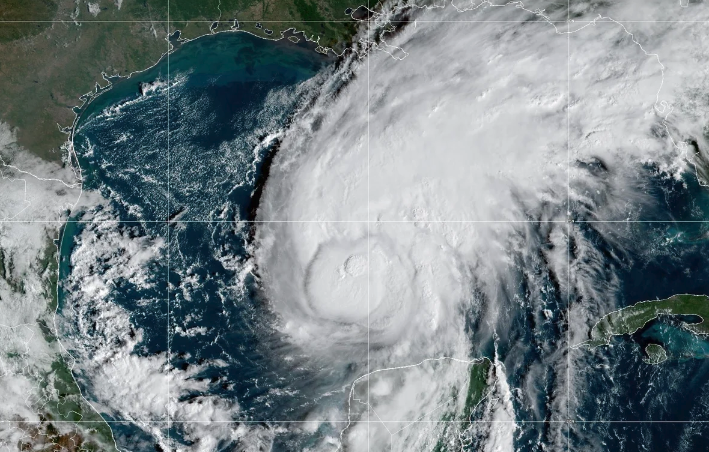
A satellite image of Hurricane Isaias on October 8. NOAA/GOES
|
|
Isaias is officially the first hurricane of this year’s Atlantic season—marking the latest arrival of a first hurricane in the region since reliable tracking began. | 2 min read
Yesterday, NASA released a giant trove of more than 800 gigabytes of data from the Artemis II mission around the moon—from images of colorful craters and flashing meteoroids to video and audio footage from inside the spacecraft. | 5 min read
Knitting is fun—and easy to mess up. In a recent study, mathematicians used knot theory to design a new type of knitting stitch that stops mistakes from spreading across the fabric. | 2 min read
World health experts are closely following a potential case of pneumonic plague—the deadliest form of the disease. Here's everything you need to know. | 3 min read
OpenAI stunned the mathematics community this week with the release of nearly 400 solutions to open math and statistical problems. But how they were generated remains unclear and contentious. | 3 min read
Last month shattered the record for the hottest September ever recorded in the contiguous U.S., according to new data from the National Oceanic and Atmospheric Administration. It marks another sobering record for an already historically hot year. | 2 min read
|
|
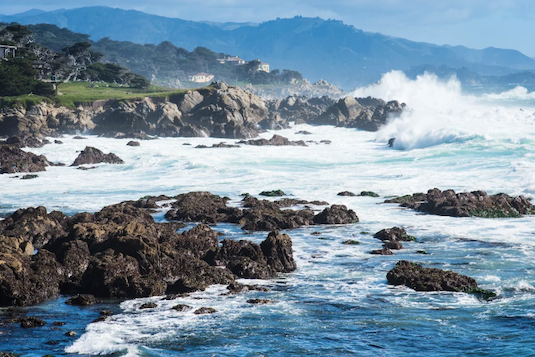
Waves hitting the coast of Big Sur, Calif. Sky Sajjaphot/Shutterstock
|
|
West Coast Surge
A gigantic wave is about to crash on California’s coasts—and may foreshadow the rising sea levels we can expect in the coming decades. The weather event, called a Kelvin wave, is a large bulge of water that originated at the equator because of—you guessed it—this year’s historic El Niño. The conditions caused the bulge to roll toward North and South America, where it got stuck along the western coasts. Climate scientists believe the wave could cause seas there to rise around 14 inches this winter—and more of them are on the way.
Why this matters: Kelvin waves are common during El Niño years, and researchers expect more of them to hit California. Combined with record-breaking ocean temperatures that cause water to expand, scientists say, these wave could mean the West Coast sees sea levels rise more than two feet. And these events will only become more frequent as the planet continues to warm: Climate change has already driven sea levels up by about eight inches over the past century in San Francisco and La Jolla, Calif., according to a 2022 state-level report. Climate scientists say this year will test state capabilities.
What experts say: “What it really tells us is: if our infrastructure can’t handle this winter, that means it definitely won’t handle that being the average condition,” says Daniel Swain, a climate scientist at University of California Agriculture and Natural Resources. —Mary Randolph, News Intern
|
|
Yolk's On Me
I recently had my bubble burst over breakfast. I’d found a brand of eggs (I won’t be naming names) that consistently had yolks the most vibrant, orange color. I took this as a sign the hens were getting lots of grass and even bugs as the “pasture raised” label promised. But it turns out, orange yolks are something easy for egg manufacturers to fake.
How it works: A hen’s digestive system pulls carotenoid pigment out of whatever the bird eats, and that pigment eventually gets deposited in the egg yolks. The most common of these carotenoids are xanthophylls, found in dark leafy greens, peppers, corn and even algae. Eggs from pasture-raised hens can lean more orange because the birds have access to bugs and greens loaded with xanthophylls that a typical wheat-and-barley feed lacks. Producers can “fake it” by adding certain foods rich in xanthophylls to the typical feed. For example, Vital Farms egg producers add marigold petals or paprika to their hen feed to darken yolks.
Does it matter? Whether it comes from paprika additives or foraged greens, the pigment in the eggs you eat may still benefit your health. Xanthophylls such as lutein and zeaxanthin reach the retina and accumulate as macular pigment, possibly slowing age-related macular degeneration. You can’t rely on yolk color, but the egg designation that does matter is whether the hens are pasture-raised, experts say. Not “cage free,” not “free range,” which might still mean the hens are crowded into small spaces. Pasture-raised eggs are likely to have come from the happiest and healthiest hens—the ones seeing sunshine, having space to roam and eating a more diverse diet.
|
|
|
|
|
|
TRAVEL WITH SCIENTIFIC AMERICAN
|
|
Experience Swiss Innovations and Alpine Inspirations
|
|
Join us with senior reporter Joseph Howlett to explore scientific innovation across Switzerland. Each day delves into a different branch of Swiss excellence—from particle physics in Geneva to viticulture science in the vineyards of Lavaux to pioneering energy research in Lausanne, and more! Spaces are limited; book today!
|
|
|
|
|
If you’ve read this far, your brain probably wants a subscription. Help support this newsletter and get unlimited access to Scientific American: 90 days for just $1.
|
|
Perhaps I'm naive, but I am convinced I can detect the difference between "pasture-raised" and conventionally raised eggs. The former taste far richer and more earthy. The beautiful orange yolk color is a bonus. If you're an egg snob like me, tell me about your favorites—brands or otherwise. Crack on, beloved readers.
|
|
—Andrea Gawrylewski,
Chief Newsletter Editor
|
|
|
|
|
Subscribe to this and all of our newsletters here.
|
|
Scientific American
1000 N West Street, Suite 1200
|
|
|
|
|