|
| Created for ceo.studentlike.spuniv@blogger.com | Web Version |
|
|
|

Happy Thursday, space fans,
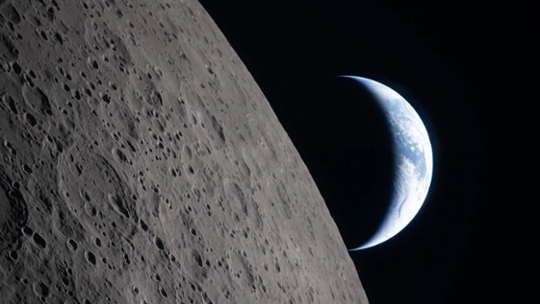
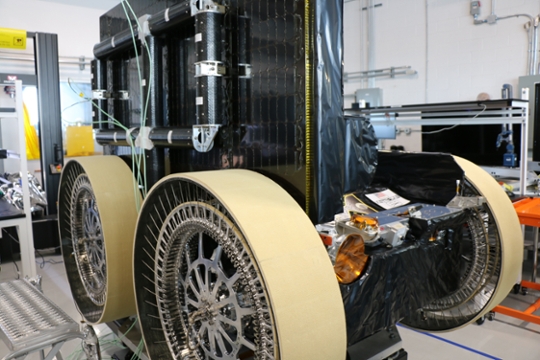
Mark your calendars for tomorrow, as NASA will be giving us an update on the upcoming Artemis III mission. What will happen with this mission and what does it mean for future moon landing missions? Tune in tomorrow to find out, and follow along as we break down what all of it means. Speaking of the moon, space company Astrolab has announced that when they launch their FLIP rover to the lunar surface (which is planned for later this year), it will be carrying a supercomputer designed to withstand the intense conditions of the moon's south pole. And a little closer to home, in orbit around Earth, a Russian satellite has been snooping on a commercial U.S. satellite likely used by Ukraine. Never a dull moment.
|
|
|
|
A Russian satellite just conducted a startlingly close approach of a private American Earth-observing satellite. What was the goal of the controversial maneuver?
|
|
|

|
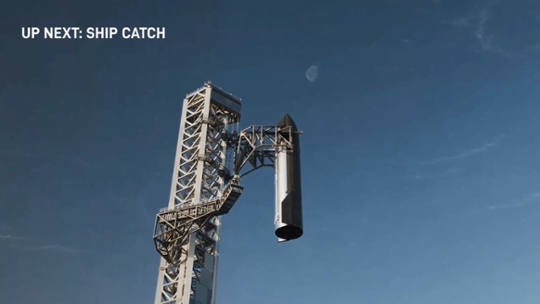
SpaceX will try to recover both Starship stages during the megarocket's next test flight, which is expected to take place in November, according to Elon Musk.
|
|
|
|
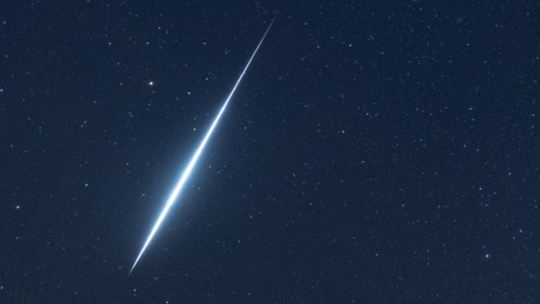
The Orionid meteor shower peaks tonight (Oct. 21-22) in the light of a waxing moon. Here's what to expect from one of Autumn's greatest natural light shows.
|
|
|
|
A satellite image of "Spider Crater" in Western Australia.
|
|
|
|
The legendary RPG studio behind classics such as Star Wars: Knights of the Old Republic, Mass Effect, and Dragon Age is no more.
|
|
|
And that's it for our space update today.
Will you be tuning in tomorrow for NASA's Artemis III update? We're not sure what they will announce or reveal, but we're excited to learn more as we count down to this next mission that will help the agency prepare for landing astronauts on the moon. From what we know so far, the mission will send a crew of four astronauts into low Earth orbit where they will practice rendezvousing with both SpaceX and Blue Origin's lunar landing vehicles. This could determine which lander is used when astronauts start landing on the moon in future missions.
Coming up even sooner, tonight marks the end of the peak of the Orionids meteor shower. While you could possibly still spot meteors outside of this peak, tonight is a perfect night to look up to try and spot shooting stars. So check out our guide for the best info on how you can see the Orionids, which are pieces of debris from Halley's comet burning up in our atmosphere. To follow closely along and stay up to date with all things space, you can now get Space.com right in the palm of your hand with our new app available now on iOS and Android.
Ad astra, per aspera
Chelsea Gohd
Content Manager, Space.com
|
|
|
| Stay up-to-date on all things space science, news, and entertainment by subscribing to our newsletters. |
|
 |
|
|
|
|
|
When you purchase through links in our content, we may earn an affiliate commission.
Future US LLC © |
| Full 7th Floor, 130 West 42nd Street, New York, NY, 10036 |
|
|
|
|