Here's how to get sober ͏ ͏ ͏ ͏ ͏ ͏ ͏ ͏ ͏ ͏ ͏ ͏ ͏ ͏ ͏ ͏ ͏ ͏ ͏ ͏ ͏ ͏ ͏ ͏ ͏ ͏ ͏ ͏ ͏ ͏ ͏ ͏ ͏ ͏ ͏ ͏ ͏ ͏ ͏ ͏ ͏ ͏ ͏ ͏ ͏ ͏ ͏ ͏ ͏ ͏ ͏ ͏ ͏ ͏ ͏ ͏ ͏ ͏ ͏ ͏ ͏ ͏ ͏ ͏ ͏ ͏ ͏ ͏ ͏ ͏ ͏ ͏ ͏ ͏ ͏ ͏ ͏ ͏ ͏ ͏ ͏ ͏ ͏ ͏ ͏ ͏ ͏ ͏ ͏ ͏ ͏ ͏ ͏ ͏ ͏ ͏ ͏ ͏ ͏ ͏ ͏ ͏ ͏ ͏ ͏ ͏ ͏ ͏ ͏ ͏ ͏ ͏ ͏ ͏ ͏ ͏ ͏ ͏ ͏ ͏ ͏ ͏ ͏ ͏ ͏ ͏ ͏ ͏ ͏ ͏ ͏ ͏ ͏ ͏ ͏ ͏ ͏ ͏ ͏ ͏ ͏ ͏ ͏ ͏ ͏ ͏ ͏ ͏ ͏ ͏
October 20, 2026—Tips for breaking away from the algorithms and reducing time spent on social media. Plus, an AI that can predict whether someone will die of cancer based on a picture of their face, and a major science grant program has gone dark.
—Andrea Gawrylewski,
Chief Newsletter Editor
|
|
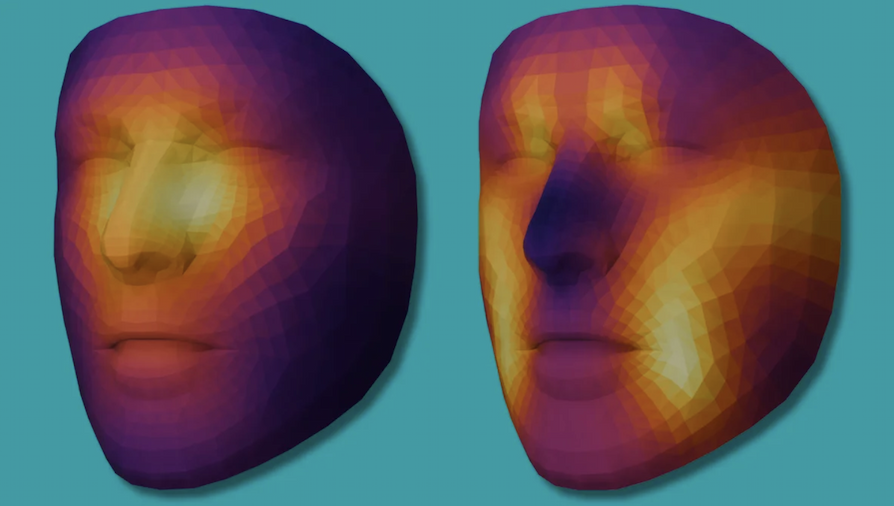
AI “attention maps” for survival (left) and age (right) predictions. Courtesy of Mass General Brigham
|
|
A new artificial intelligence model can predict a cancer patient’s risk of dying from a single photograph of their face, according to new research. | 4 min read
Some "white" dwarf stars actually shine green, pink or purple, according to new research. | 5 min read
A major federal grant program at the NSF that helps researchers purchase scientific equipment was supposed to be accepting grant applications for up to $4 million, between October 15 and November 16. But there's been no word from the agency. | 3 min read
Last month, the United Nations adopted a resolution to promote a new map of the world. Here's why. | 4 min read
Fifty years ago, The Selfish Gene by Richard Dawkins became an instant bestseller and transformed public awareness of evolutionary biology. Today scientists are still debating its core message. | 7 min read
|
|
Ari Liloan at Roar Artists
|
|
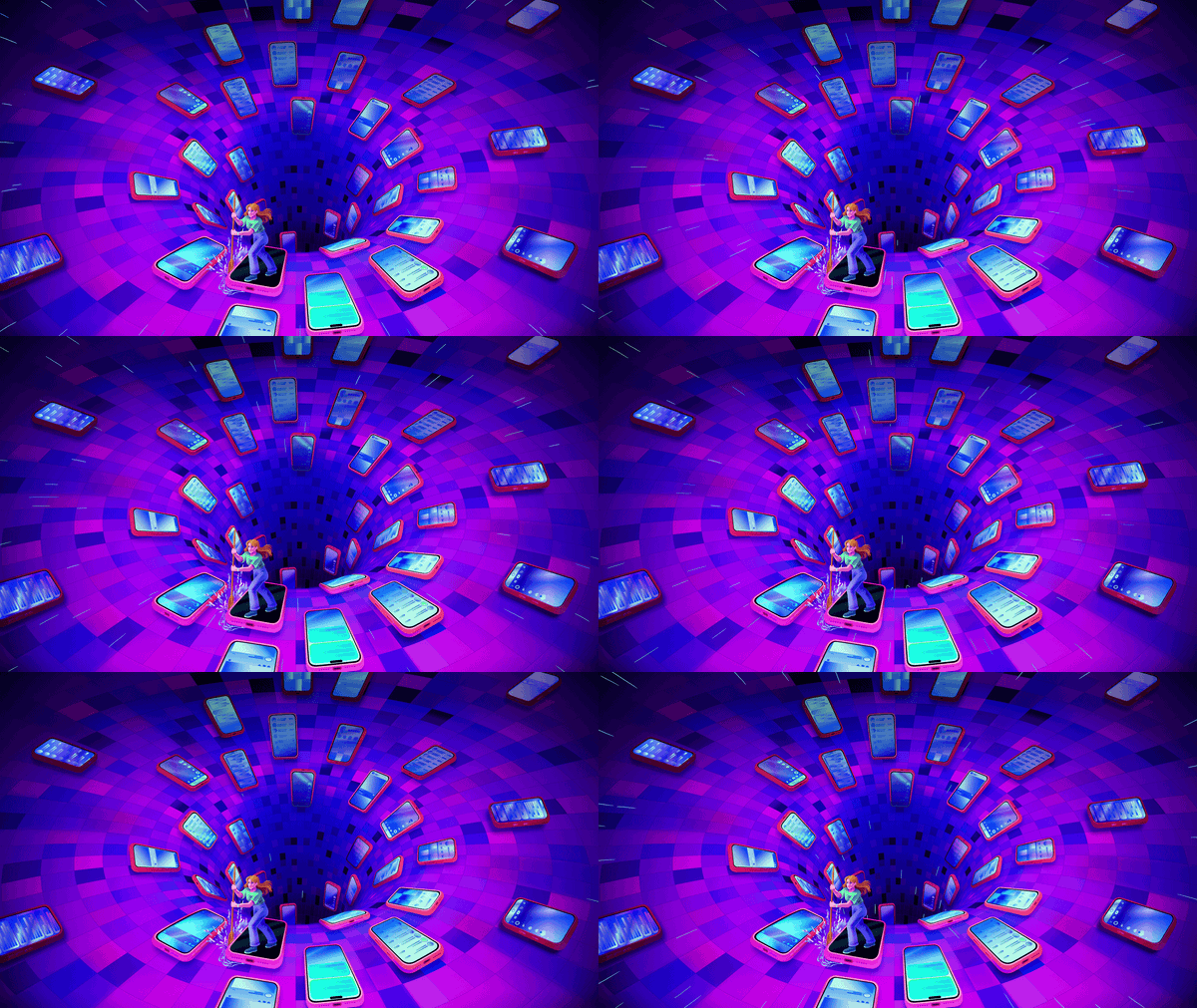
Breaking Away from the Screen
Have you ever had one of those moments in public—in a waiting room, on the subway—when you look around and see every person around you staring down at their phone? Perhaps it’s just me, but I find this rather dystopian. Whether you worry about how much time you spend on your phone or not, endless scrolling apps and social media algorithms are programmed to keep you hooked by giving a dopamine hit to the brain. And to what end? No surprise, it’s so that you can be shown ads and in turn the social media company gets paid by advertisers. Instagram’s U.S. ad revenue is projected to reach $42.52 billion this year, according to industry data.
Vulnerable populations: Young people have been hit hard by the screen time bomb: Numerous studies demonstrate that adolescent rates of depression, anxiety, loneliness, self-harm and suicide have skyrocketed in the U.S. and elsewhere since around the time that smartphones and social media became ubiquitous. In March, a landmark ruling in a California state court deemed social media features addictive and, for the first time, held tech companies accountable for those harms. Meta, facing lawsuits from nearly every state in the U.S., agreed to a massive $18-billion settlement in August that requires it to change how kids can interact with Instagram and Facebook. Globally, several countries have banned social media for children under a certain age.
What the experts say: “I’ve come to almost understand algorithms as being heat-seeking missiles that identify psychological vulnerability,” says psychologist Nicholas Kardaras, who runs a tech-addiction program in Austin, Tex. And so many of us have a vulnerability in common: the human need for connection, acceptance and belonging. For some people, it may feel easier to look for those things on social media than to seek them out in real life. Take loneliness. “It makes sense that people turn online when they’re coping with isolation,” says Jeffrey Hall, who researches relationships and technology at the University of Kansas. “The problem is, by and large, that is not a terribly effective means of coping with loneliness.”
What can be done: If you feel like you have an addiction to social media, there are things that can help you regain control of your time.
-
Reframe your situation: If you want to cut down on your screen time, it may be more helpful to think of it as a habit you can shape rather than an addiction that needs to be treated by a doctor. Habits are usually paired with physical or emotional cues, and disrupting those cues can disrupt the habit. If you tend to scroll at night in bed, for example, you’re better off leaving your phone outside of the bedroom. You can also change where your preferred app is on your home screen, remove the shortcut entirely, or turn off notifications. Plus, replacing scrolling with a different activity you look forward to can also make it easier to stick with your new normal.
-
Identify your screen time “lines.” Most people have “top,” “middle” and “bottom” lines—online behaviors that are healthy, risky or flat-out dangerous, respectively. Bottom lines are often described as “the behaviors that once you start, you can’t stop, and once you stop, you can’t stay stopped." You might concentrate most on avoiding these lines through new habits.
-
Therapy and detox. For those clocking serious hours, dialectical behavioral therapy (DBT) is starting to show promise in treating social media addictions. DBT, plus a four-week device “detox,” is a common approach for therapists who treat tech addictions.
-
Build a full life, one that rewards you. Most of the work of recovery is about treating whatever is causing people to escape their lives into endless scrolling and stimulation. “The fuller your life becomes, the less you want to escape it,” says Kardaras.
Join the discussion: Do you think social media is addicting? What is your relationship with social media, and how do you manage your own screen time? And should the apps be regulated for kids? Share your thoughts here.
|
|
|
|
|
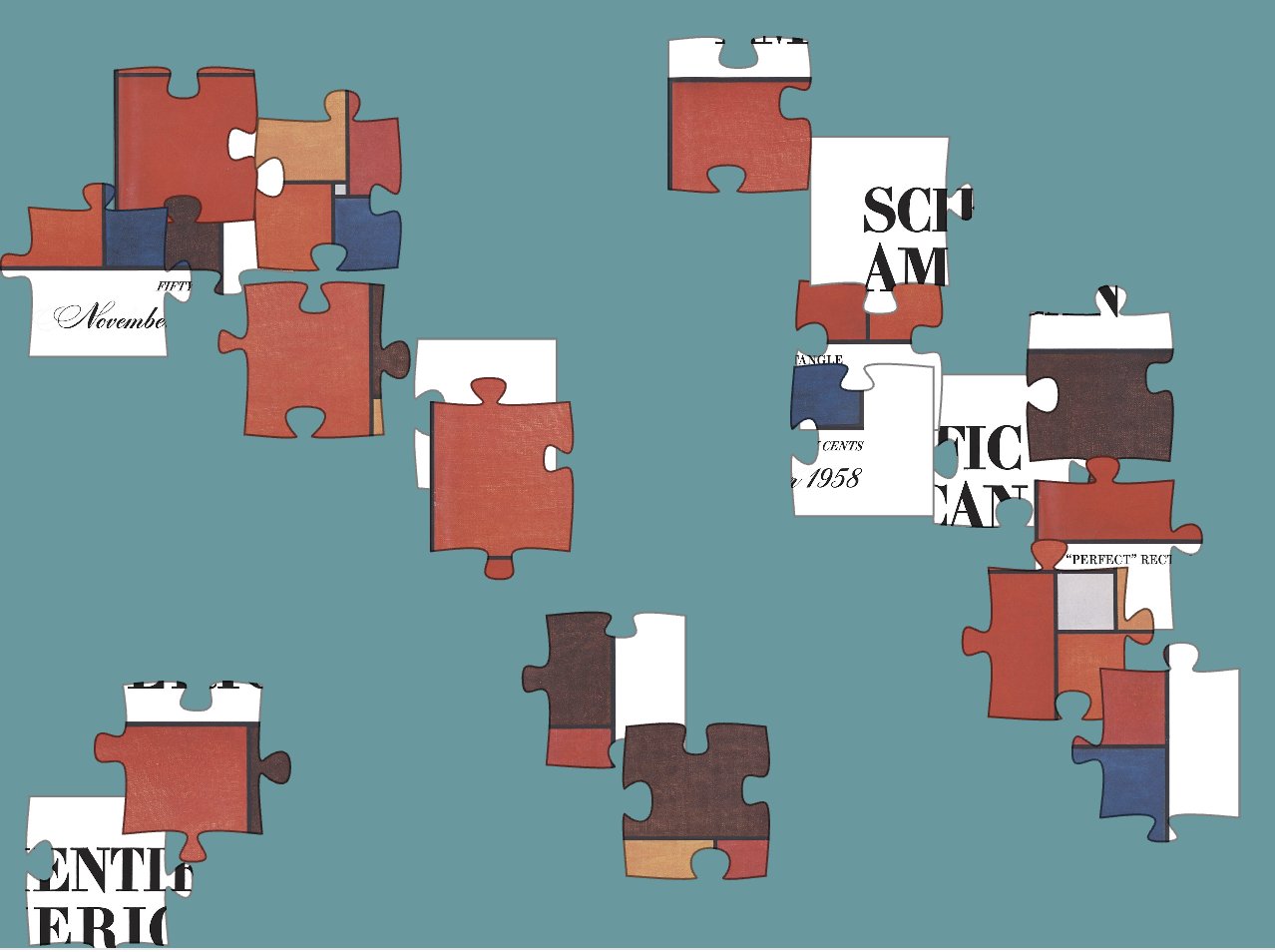
Can you reassemble this image of our November 1958 cover? This cover shows what appears to be an abstraction similar to those by artist Piet Mondrian but is actually a “perfect” rectangle—meaning one that is made up of squares of unequal size. Also in this issue: bacteria’s ability to transfer their genes by way of a virus, a new way of grouping stars and water’s carefully regulated journey through our bodily tissues. Unlimited subscribers can download the complete issue here.
|
|
Every subscription helps fund the science reporting and stories behind this newsletter. Start your Scientific American subscription: 90 days for just $1.
|
|
My friends and family are often the unlucky subjects of my anti-phone scolding. I frown upon cell phones at the dinner table (any meal, really) or phones out during movies and TV-watching together. Call me nuts, but cell phones transport us out of the moment, which is the whole point of being together in person, so why let them ruin that?
|
|
—Andrea Gawrylewski,
Chief Newsletter Editor
|
|
|
|
|
Subscribe to this and all of our newsletters here.
|
|
Scientific American
1000 N West Street, Suite 1200
|
|
|
|
|