Thursday, October 15, 2026

Space & Physics: AI's best-yet math proof has a shocking surprise

Plus, should we terraform Mars?                    

October 15—This week, our top stories include a shocking reappraisal of OpenAI’s blockbuster million-dollar math result, an in-depth Q&A with a scientist seeking to terraform Mars and an amateur astronomer’s AI-assisted discovery of a potential new exoplanet. But wait, there’s more! We’ve also got coverage of a record-breaking ancient cosmic outburst, a stunning new view of the solar corona and the official end of the “leap second.” All that—and then some—is below. Enjoy!

Thoughts? Questions? Let me know via e-mail (lbillings@sciam.com), X or Bluesky.

—Lee Billings, Senior Editor, Physical Sciences

Top Stories
OpenAI’s blockbuster math proof isn’t what you think it is

Rumors that OpenAI’s “Navier-Stokes” solution stole the work of two mathematicians may have been overblown

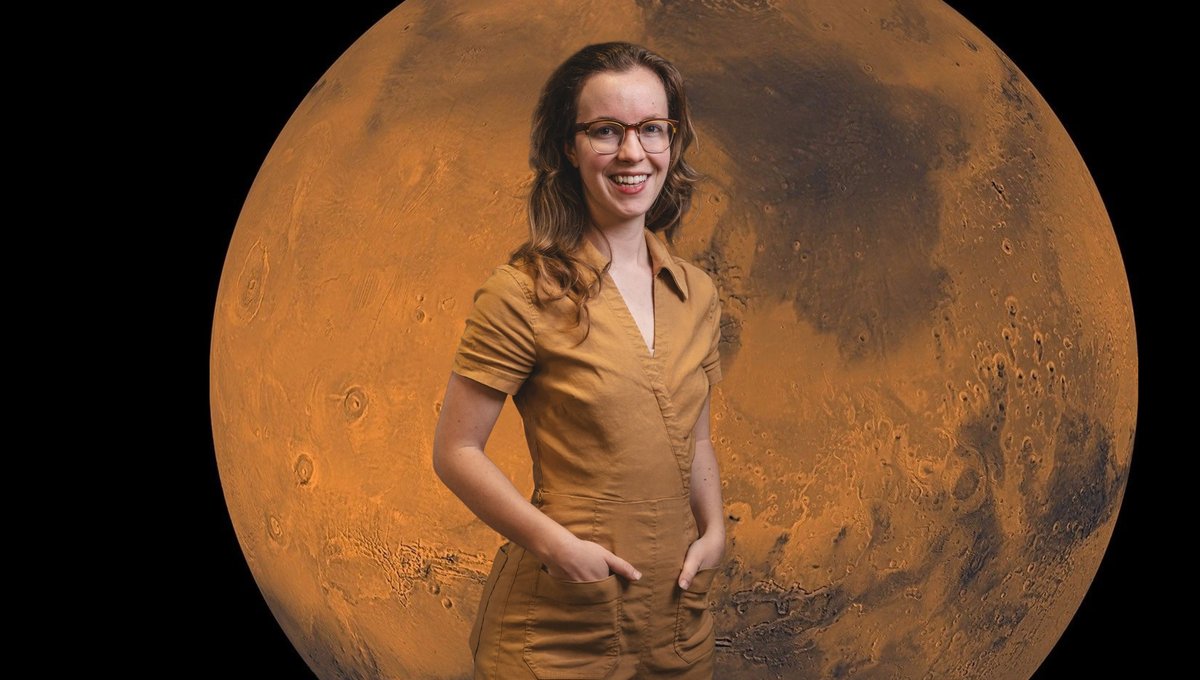
Should we turn the Red Planet green?

The CEO of Pioneer Labs, a biotech startup developing Mars-adapted microbes, is on a quest to make alien worlds nice places to live

Immerse yourself in the newest space updates with a subscription to Scientific American. Get 90 days for just $1!
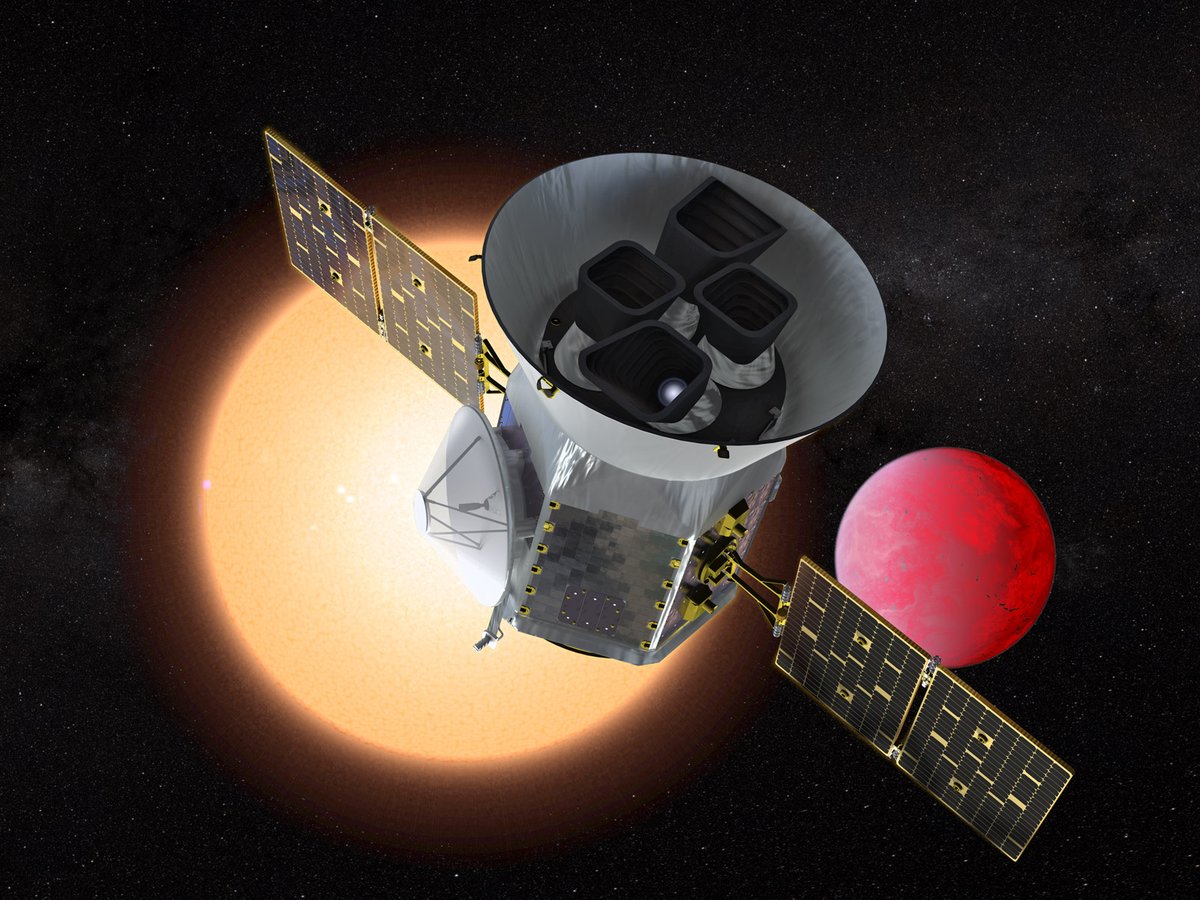
Amateur astronomer harnesses AI to find a possible hidden exoplanet

Evidence for this possible super-Earth has been lurking for years in NASA data. Pavel Rabtsevich found it—with a little help from AI

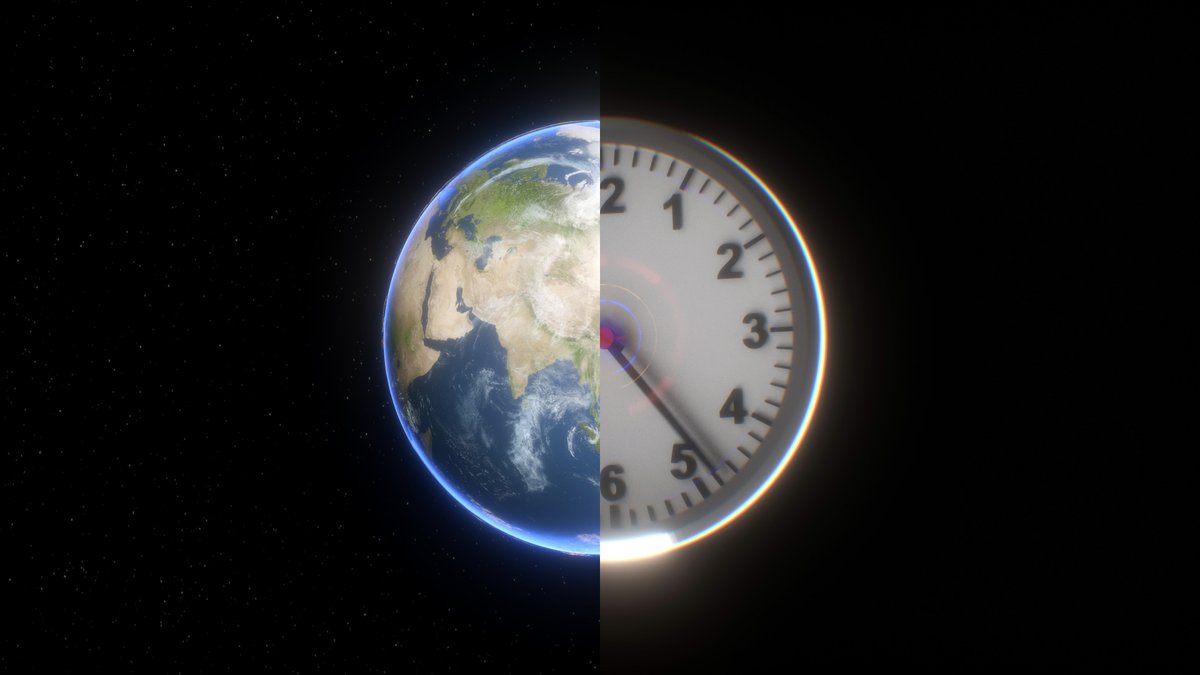
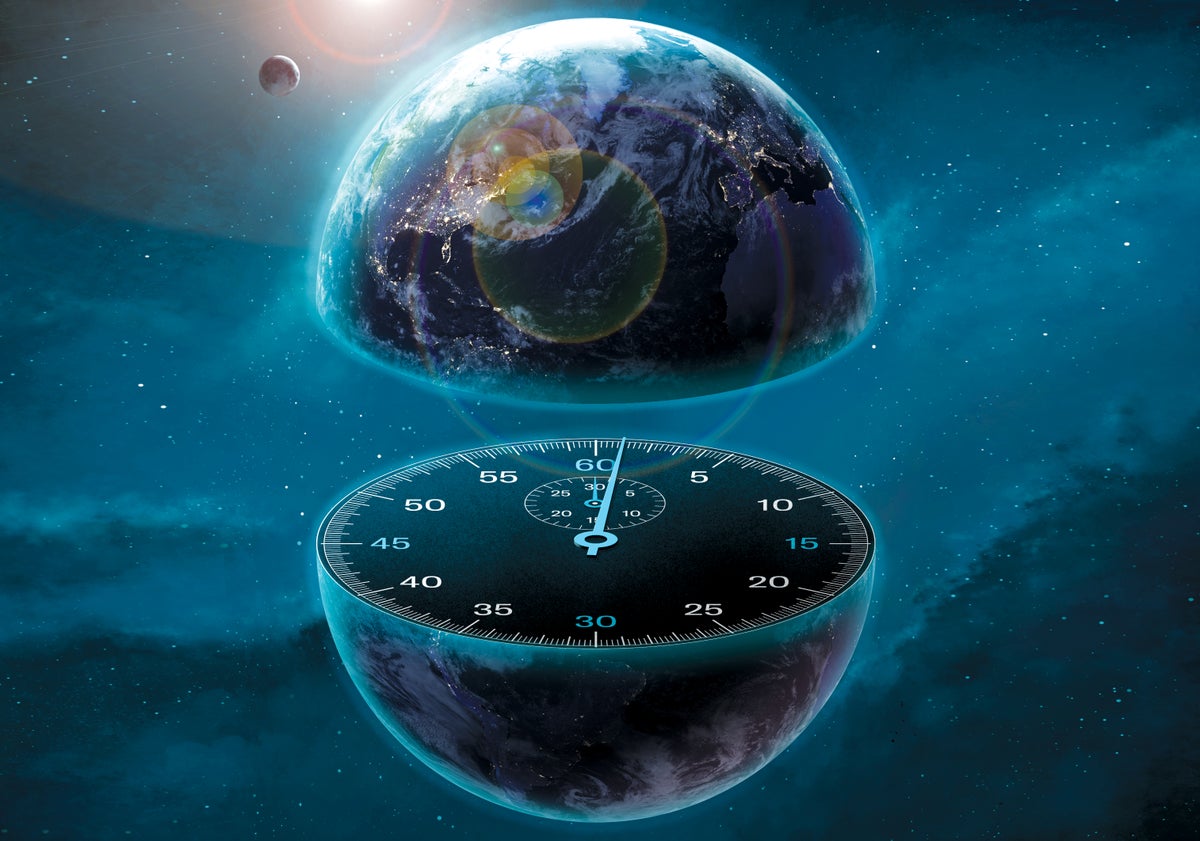
Scientists just voted to redefine how the world keeps time

A new system, called the “leap hour,” will allow Earth’s rotation and official time to fall out of alignment by a full hour

Stunning video captures a whole year of our sun’s chaotic corona

NASA’s PUNCH mission is showing a rarely seen aspect of our nearest star—the churning chaos of the solar corona

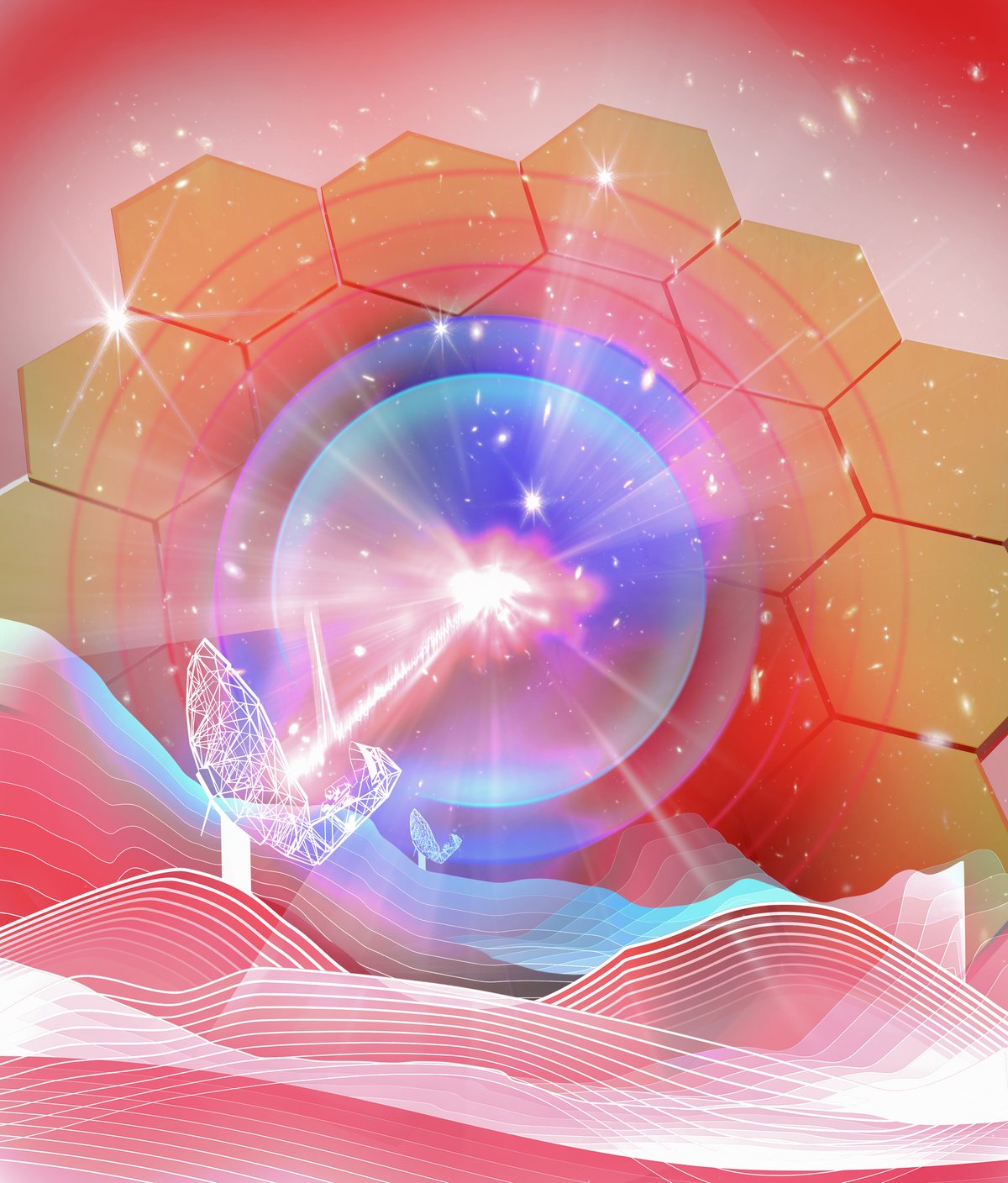
Astronomers discover record-breaking ancient cosmic outburst

Detected by the MeerKAT array, this “fast radio burst” comes from three billion years after the big bang and could help map the universe’s otherwise-invisible intergalactic matter

New ‘First Proof’ exam reveals how AI-powered math is a pay-to-play sport

The benchmark confirms that some AIs are becoming exceptional tools for research-level math. But open-source models still struggle

Is the AI mathocalypse coming for encryption next?

OpenAI’s bumper crop of 722 math papers wowed and worried the research community—and cryptographers are split over whether the algorithms that protect our texts and bank log-ins are next

The most exciting claims from OpenAI’s heap of new proofs

Scientists have called out several math and computer science results as the most significant in the company’s overwhelming new deluge of achievements

Mathematicians marvel, and grumble, at OpenAI’s trove of new results

The “slop drop” contains a number of groundbreaking proofs, but how it was generated remains unclear and contentious

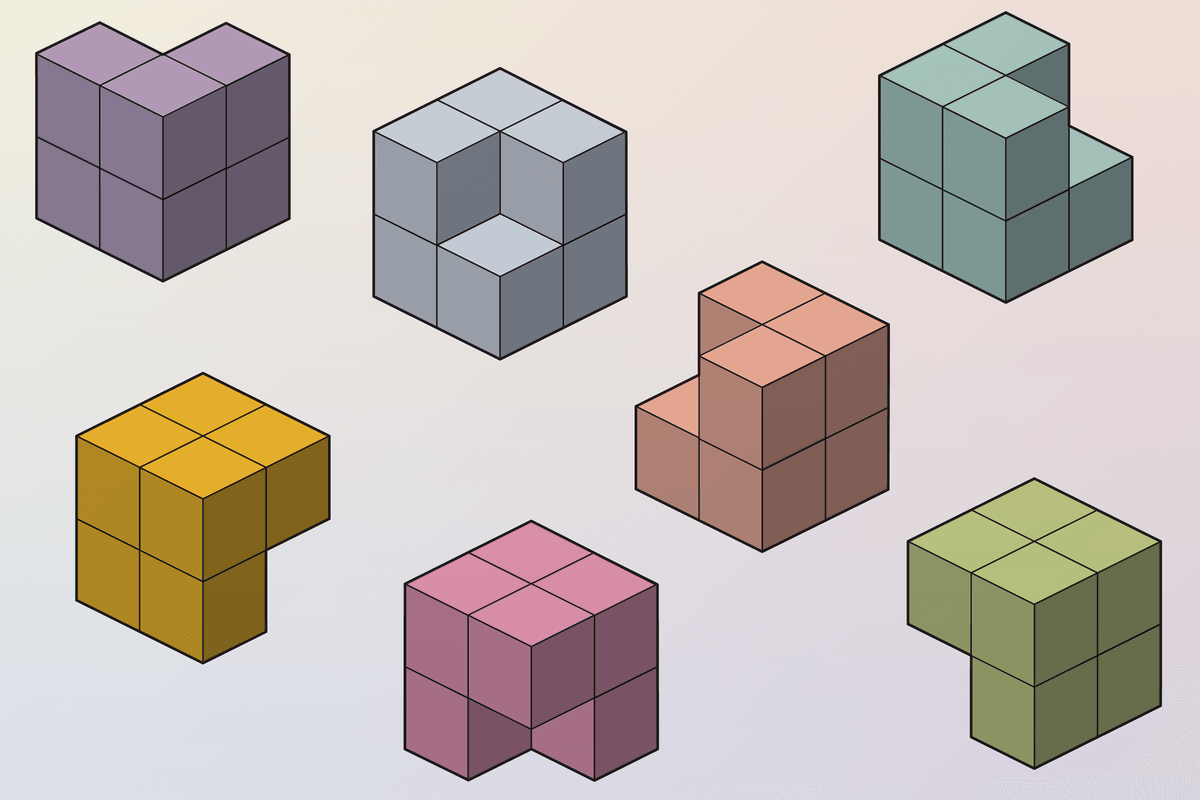
A unique shape, a 3D einstein tile, has been discovered

AI helped uncover a special object that can fill space without repeating patterns

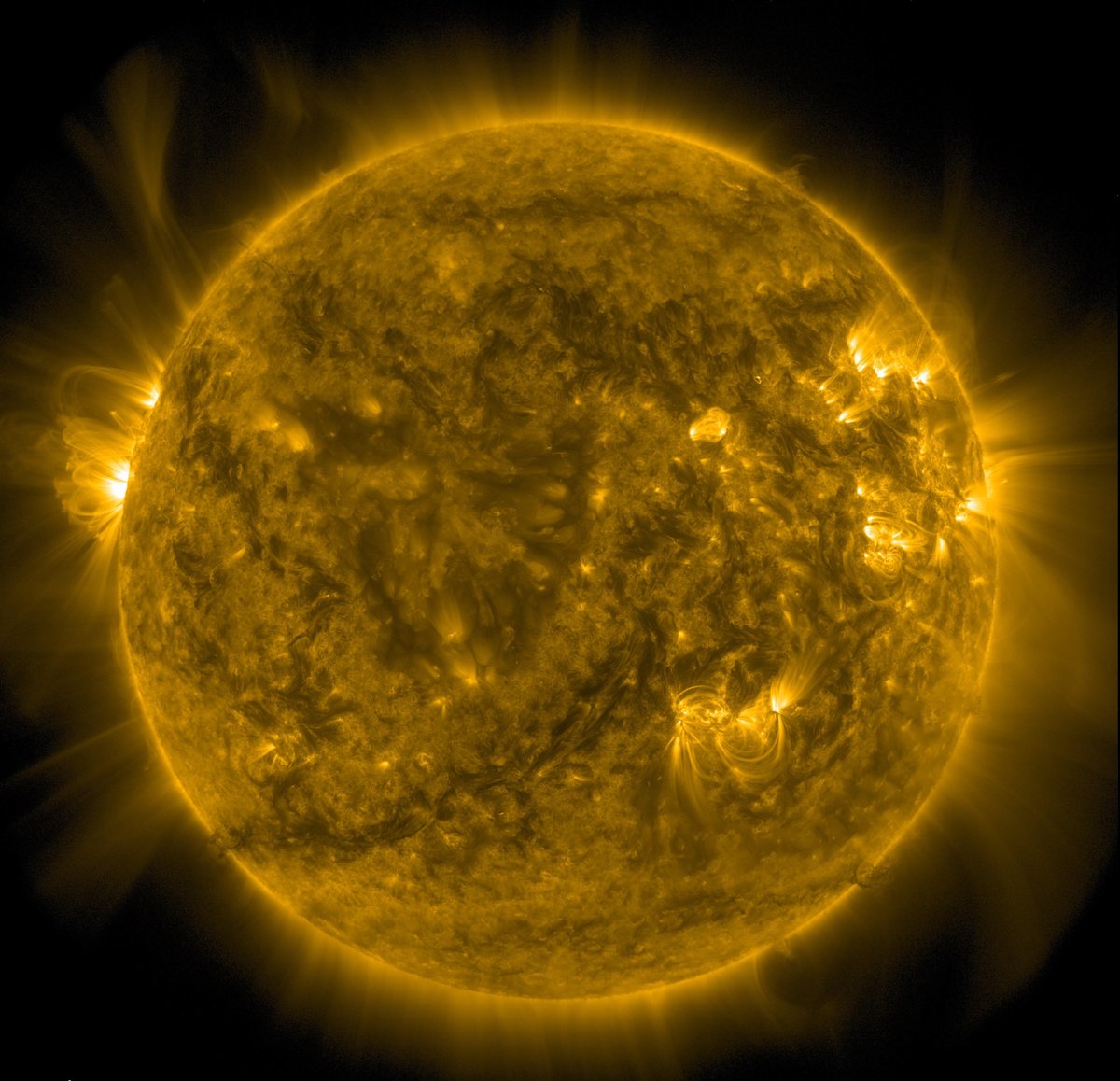
Just how sunlike is the sun?

When compared with similar stars, where does sun fit in?

What We're Reading
  • Rescuing astronomy from its satellite megaconstellation crisis | Space News
  • Choose Your Overlord: Musk vs. Bezos | The Atlantic
  • How Top Trump Officials Stoked Fears of a Nuke That Could Fry the Power Grid | New York Times

From the Archive
Should We Abandon the Leap Second?

We have been adding “leap seconds” to time kept by our atomic clocks, but soon we may have to subtract one. Are the tiny adjustments worth the bother?

Scientist Pankaj

Day in Review: NASA Invites Media, Public to Join Voyager 1 One-Light Day Activities

Everyone is encouraged to ‘Shine Bright for Voyager's Light-Day’ on Nov. 17 and to watch a moderated discussion on Nov. 19.  ...