|
| Created for ceo.studentlike.spuniv@blogger.com | Web Version |
|
|
|

It's Friday, space fans! We made it to the end of another week — congratulations to us all.
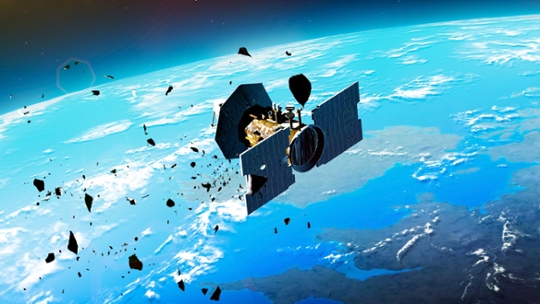
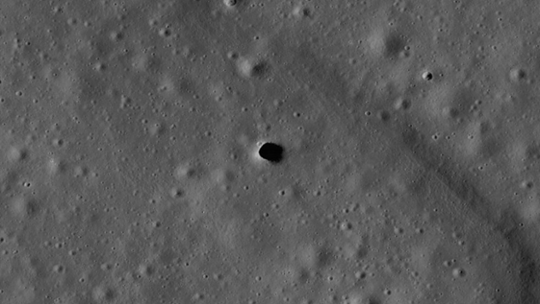
And this week is ending with a lot of wild space news. First up, we got reports that a Soviet satellite broke up in orbit. This isn't the first time, and experts see it as a worrying trend that could cause issues in low Earth orbit. Over on the moon, NASA has selected a new program that will hunt for a hidden underground lunar cave that scientists are fairly sure exists. They even think that future astronauts could use such a cave as a shelter. And back on Earth, we have a number of things happening in the night sky as we are heading into the Orionids meteor shower and a whole host of stellar eruptions that could create northern lights across the United States tonight and through the weekend. So look up!
Check out what's big in space below:
|
|
|
|
President Trump just gave Elon Musk and a handful of other tech luminaries the National Medal of Science, the highest honor the U.S. can bestow on a scientist or engineer.
|
|
|

|
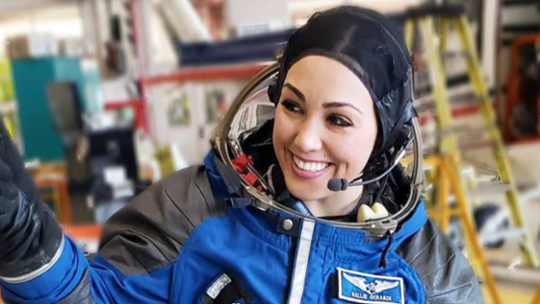
"I think motherhood eventually has to become a bigger part of the conversation if we're serious when we talk about humanity having a sustained presence beyond Earth."
|
|
|
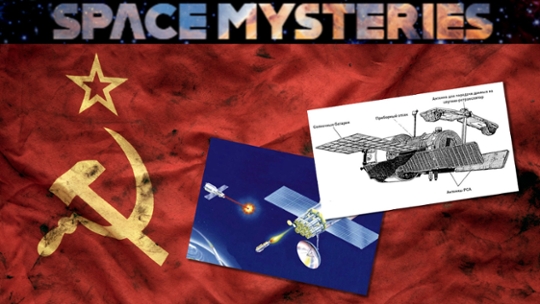
According to some reports, at the height of the Cold War, the Soviet Union mounted a rapid-fire cannon aboard a secretive military space station.
|
|
|
|
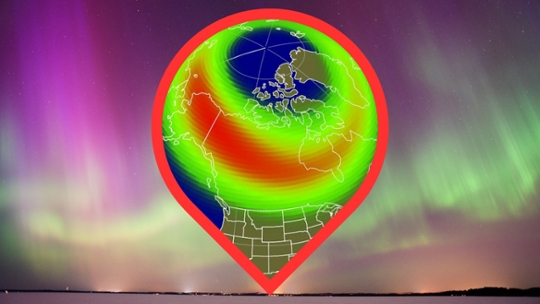
Multiple CMEs could give the northern lights a boost across the northern US from Oct. 9, with further geomagnetic activity possible into the weekend.
|
|
|
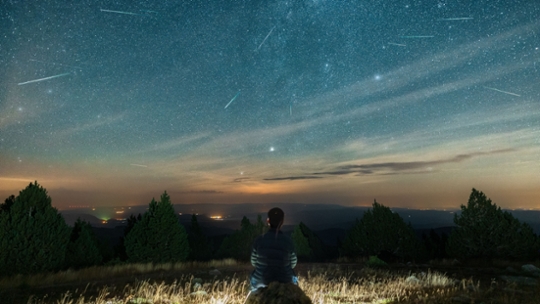
The Orionids peak Oct. 21-22, 2026, bringing fast-moving meteors from Halley's Comet. Here's when and where to look.
|
|
|
|
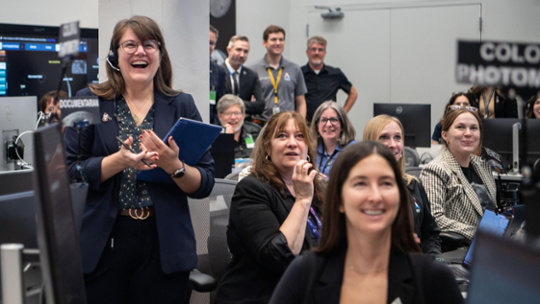
We have our first look at the science from Artemis II, and it's as amazing as we might have hoped.
|
|
|
Will future astronauts take shelter in moon caves?
|
|
|
|
It's never too early to plan your Halloween outfit — here are some of the best space-themed Halloween costumes on the web.
|
|
|
And that's it for our space update today.
We've got moon caves, Soviet spacecraft and northern lights. And that's just the beginning. We also have the first science from NASA's Artemis II mission. If you followed along with that mission in the spring, we now have tons more video, audio, notes and observations from the crew that will advance our understanding of the moon while also bringing us even closer to the mission. Spoiler alert, the astronauts yell "dude!" more than once during the mission. The moon joy is very real.
Looking to the future of spaceflight, we also have an in-depth interview with private astronaut Kellie Gerardi who chats about what human spaceflight can learn from motherhood as she prepares for her second spaceflight. And if you like looking up at the night sky, we have no shortage of skywatching this weekend as we welcome the Orionids meteor shower, made up of burning debris from Halley's Comet, and we might even get some northern lights in the United States following some stellar eruptions.
To follow closely along and stay up to date with all things space, you can now get Space.com right in the palm of your hand with our new app available now on iOS and Android.
Ad astra, per aspera
Chelsea Gohd
Content Manager, Space.com
|
|
|
| Stay up-to-date on all things space science, news, and entertainment by subscribing to our newsletters. |
|
 |
|
|
|
|
|
When you purchase through links in our content, we may earn an affiliate commission.
Future US LLC © |
| Full 7th Floor, 130 West 42nd Street, New York, NY, 10036 |
|
|
|
|