|
| Created for ceo.studentlike.spuniv@blogger.com | Web Version |
|
|
|

Happy Tuesday, space fans.
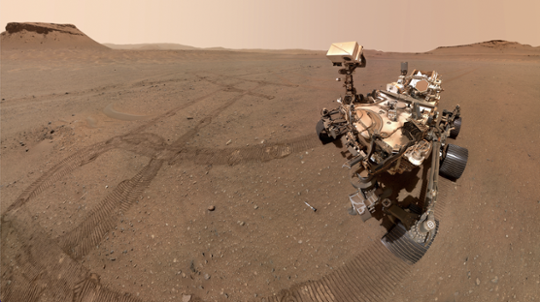
Starting out with some exciting news, NASA's Perseverance Mars rover has broken the "interplanetary distance record," going farther on another planet than anything else in history. This broke the previous record set by the Opportunity rover, though while Opportunity took 14 years to go so far, it's only taken Perseverance 5.5 years. Over on the moon, NASA is looking for solutions that will prevent future astronauts from accidentally zapping spacecraft through accumulating static electricity on the charged lunar surface. And back here on planet Earth, we have some exciting skywatching to look forward to as "Halloween fireballs" are expected in the night sky later this month.
Check out what's big in space below:
|
|
|
|
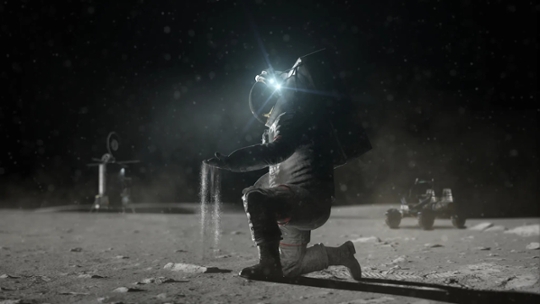
NASA is asking for ideas to stop static electricity from zapping astronauts or critical hardware during moon missions.
|
|
|

|
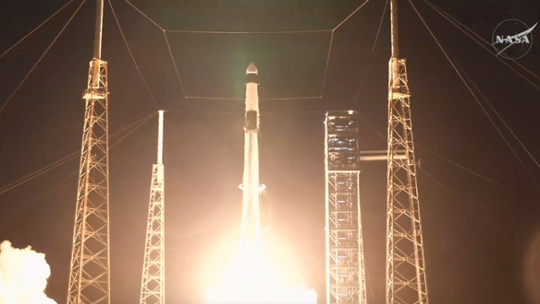
SpaceX successfully launched more than 3 tons of cargo toward the International Space Station on Tuesday morning (Oct. 13).
|
|
|
|
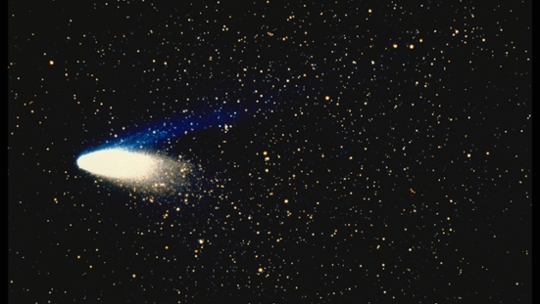
What disappointed skywatchers in 1986 became a scientific triumph, as an international fleet of spacecraft revealed the secrets of the world's most famous comet.
|
|
|
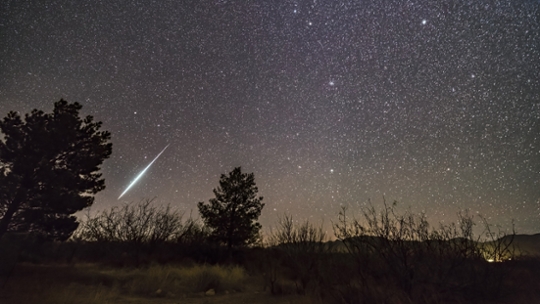
The Southern and Northern Taurid meteor showers will produce occasional bright, slow-moving meteors worldwide during October and November, with moon-free peaks in 2026.
|
|
|
|
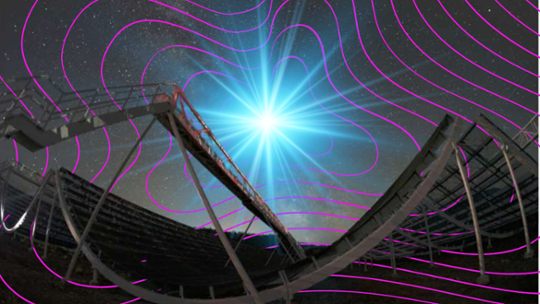
Hydrogen may be the most common element in the cosmos, but scientists could use it to do something unique: uncover the nature of dark energy.
|
|
|
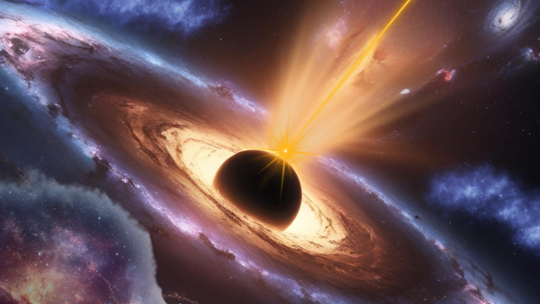
Using the NASA spacecraft Swift, astronomers observed a supermassive black hole burping radio jets 300 days after a heavy cosmic meal.
|
|
|
|
The Etosha Pan in northern Namibia, the largest salt flat in the country, looks otherworldly in this satellite photo.
|
|
|
And that's it for our space update today.
We are excited to see Perseverance blow past this interplanetary record. In just 5.5 years, it has gone farther than anything else on another planet, and as mission team members from NASA told us, the rover could be just getting started. In other news, researchers are exploring new ways to study dark energy, SpaceX has launched thousands of pounds of cargo to the ISS and a supermassive black hole is "burping" radio jets across the cosmos. And that's just the tip of the interstellar iceberg.
Coming up, we are smack dab in the middle of one of the best times of the year for skywatching. We welcomed the Orionids meteor shower, made up of burning debris from Halley's Comet, this past weekend, and now we are rolling right into the Taurids as we get closer to Halloween. Have you seen any shooting stars in the sky? Let us know! To follow closely along and stay up to date with all things space, you can now get Space.com right in the palm of your hand with our new app available now on iOS and Android.
Ad astra, per aspera
Chelsea Gohd
Content Manager, Space.com
|
|
|
| Stay up-to-date on all things space science, news, and entertainment by subscribing to our newsletters. |
|
 |
|
|
|
|
|
When you purchase through links in our content, we may earn an affiliate commission.
Future US LLC © |
| Full 7th Floor, 130 West 42nd Street, New York, NY, 10036 |
|
|
|
|