Plus, another Nobel prize for neutrinos
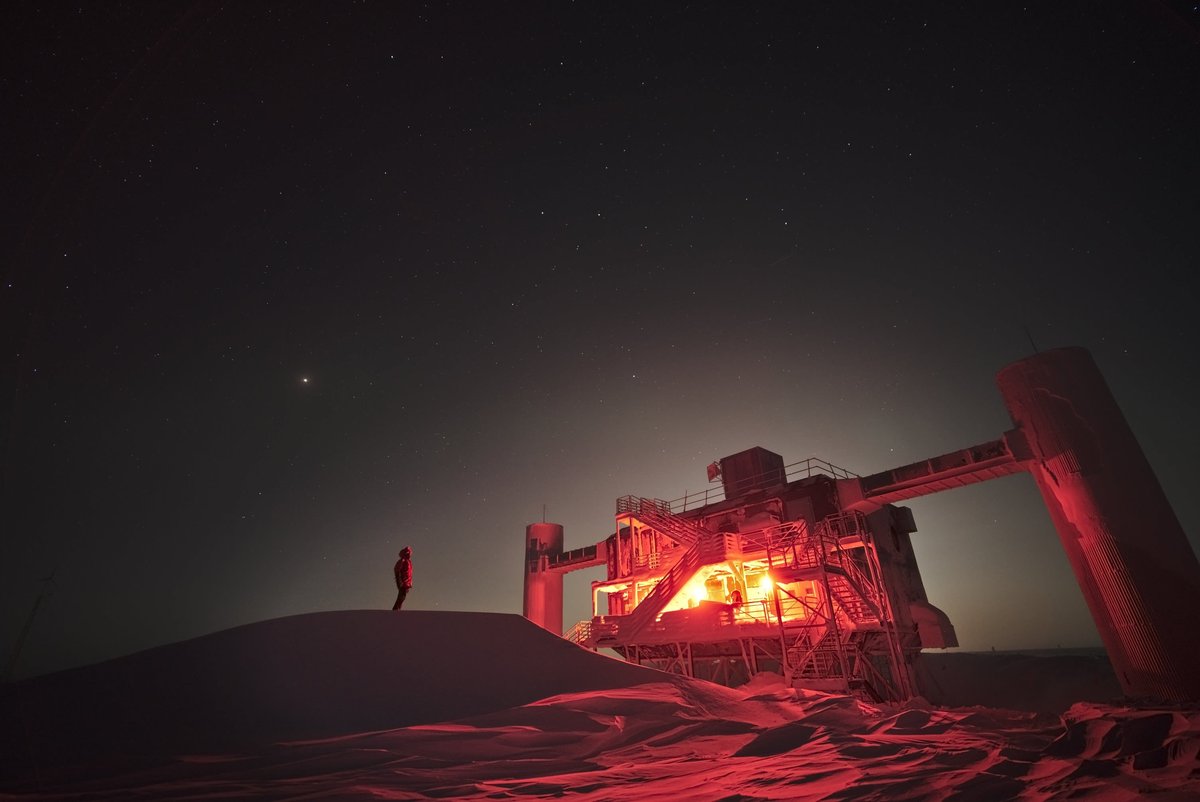
October 8—On Tuesday, neutrino-hunting astrophysicist Francis Halzen won the 2026 Nobel Prize in Physics, which would normally be our top story. Then, later that day, OpenAI dropped a bombshell—a massive release of AI-generated solutions to nearly 400 notable open problems in math, including several that would merit major prizes on their own were they devised by humans. Mathematicians are in a state of shock and awe as they sift through this overwhelming and near-inscrutable “slop drop.” What’s becoming clear is that their field will never be the same—and that similarly disruptive AI-powered feats are coming to other research areas.
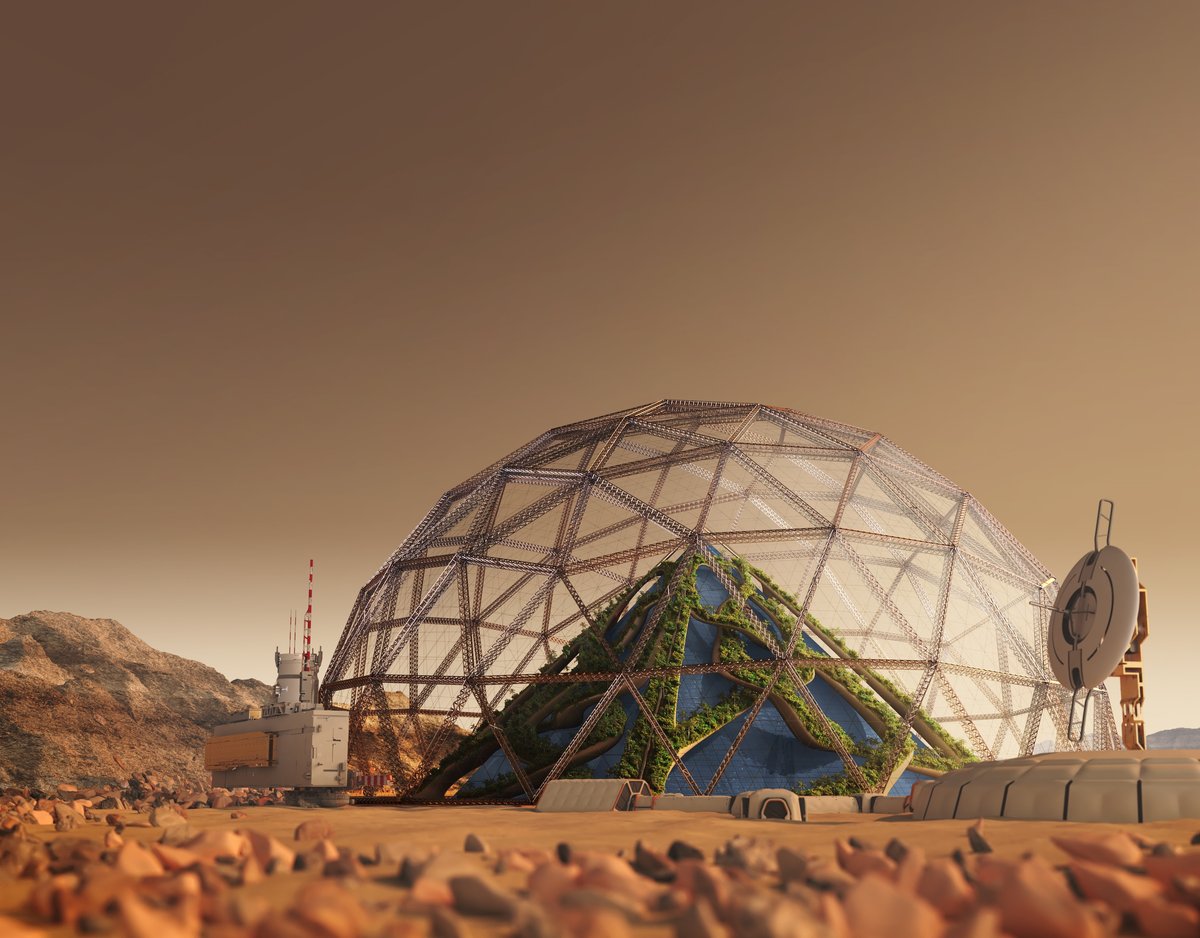
Moving on, we also have stories about new sights and sounds from NASA’s Artemis II moon mission, a bioengineered microbe for terraforming Mars, and a potential signal from a bizarre five-dimensional black hole born at the beginning of time.
Enjoy!
Thoughts? Questions? Let me know via e-mail (lbillings@sciam.com), X or Bluesky.
—Lee Billings, Senior Editor, Physical Sciences
|
|
|
-
Impossibly fast-moving stars are revealing the Milky Way’s mysterious heart | New Scientist
-
Spend Elon Musk’s money | WIRED
-
What is China doing with its secret spaceplane? | Supercluster
|
|
|