Thursday, October 29, 2026

Space & Physics: A new dwarf planet in our solar system?

Plus, can Earth’s religions survive the discovery of ET?                    

October 29—This week, our top stories include the potential discovery of a new dwarf planet beyond Neptune, a NASA update on its Artemis III crewed lunar landing plans, and yet another batch of major, disruptive AI-generated math results—this time touching on topics of particle physics and computer science. All that and more is below!

Thoughts? Questions? Let me know via e-mail (lbillings@sciam.com), X or Bluesky.

—Lee Billings, Senior Editor, Physical Sciences

Top Stories
OpenAI just scooped mathematicians’ work on another million-dollar problem

Another bombshell result shows how artificial intelligence is fueling fierce competition at the frontiers of math and physics

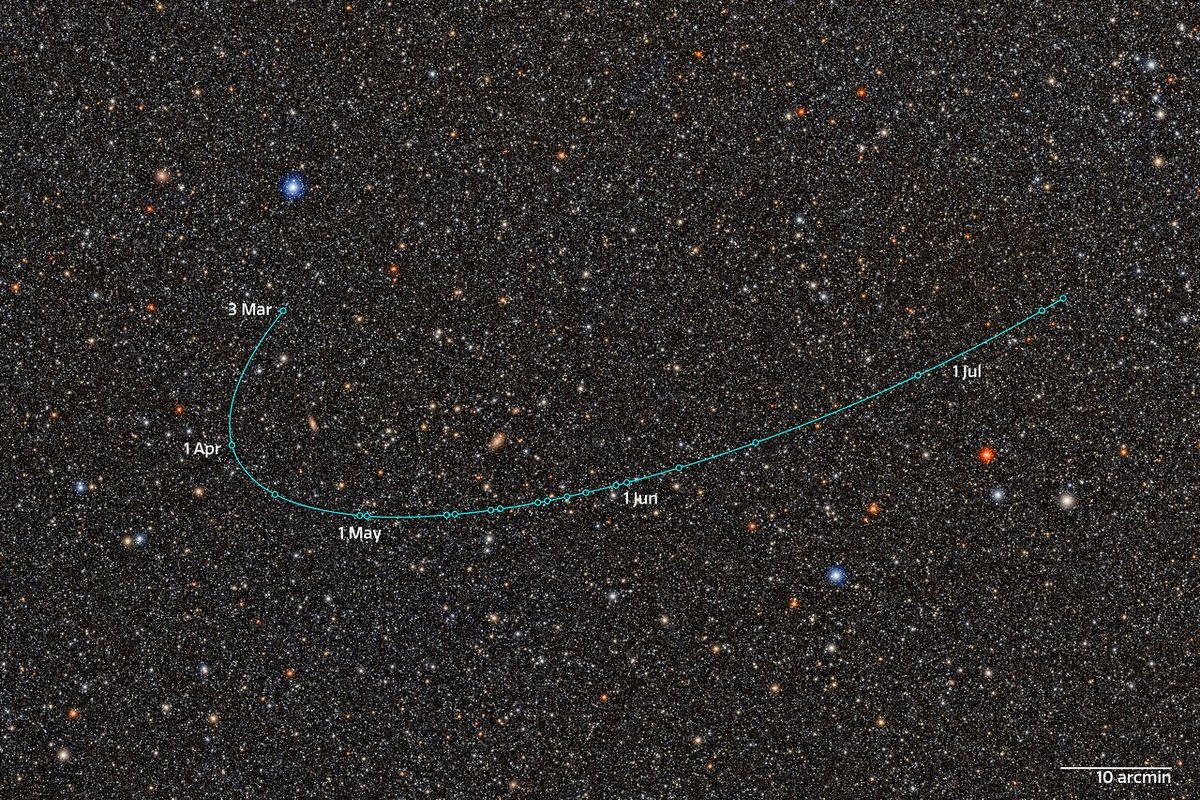
Astronomers may have just discovered our solar system’s sixth dwarf planet

Located farther away from Earth than Pluto, the object was hidden in the light of the Milky Way’s stars

Immerse yourself in the newest space updates with a subscription to Scientific American. Get 90 days for just $1!
NASA lays out a packed 14-day schedule for Artemis III

The mission, scheduled for the summer of 2027, will include be pivotal in deciding whether SpaceX or Blue Origin supplies the lunar lander for the first crewed trip to the lunar surface in decades

Can the world’s religions survive the existence of aliens?

Finding alien life could shake some people to their very souls, but different religions can take very distinct approaches to the existence of extraterrestrial life

Dueling proofs from OpenAI and Anthropic astound scientists

The results resolve major problems in math, physics and computer science. But like other recent AI-generated “slop drops,” the releases are already controversial

Mathematicians find an infinite number of Ramanujan equations

Knots show how to generate infinitely many formulas of a kind developed by the visionary genius

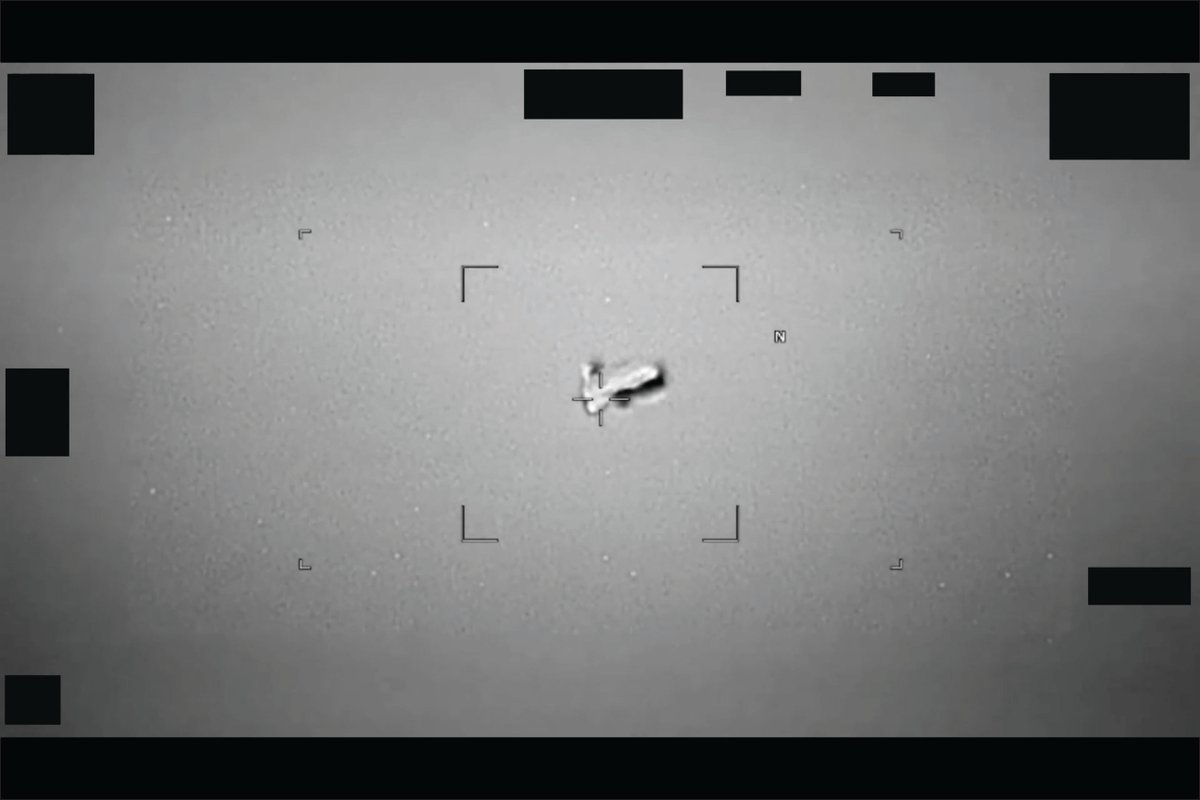
Strange triangular craft reported in new U.S. government UFO release

The latest batch of declassified files includes eyewitness sightings from earlier this year of a flying black triangle performing inexplicable aerial maneuvers

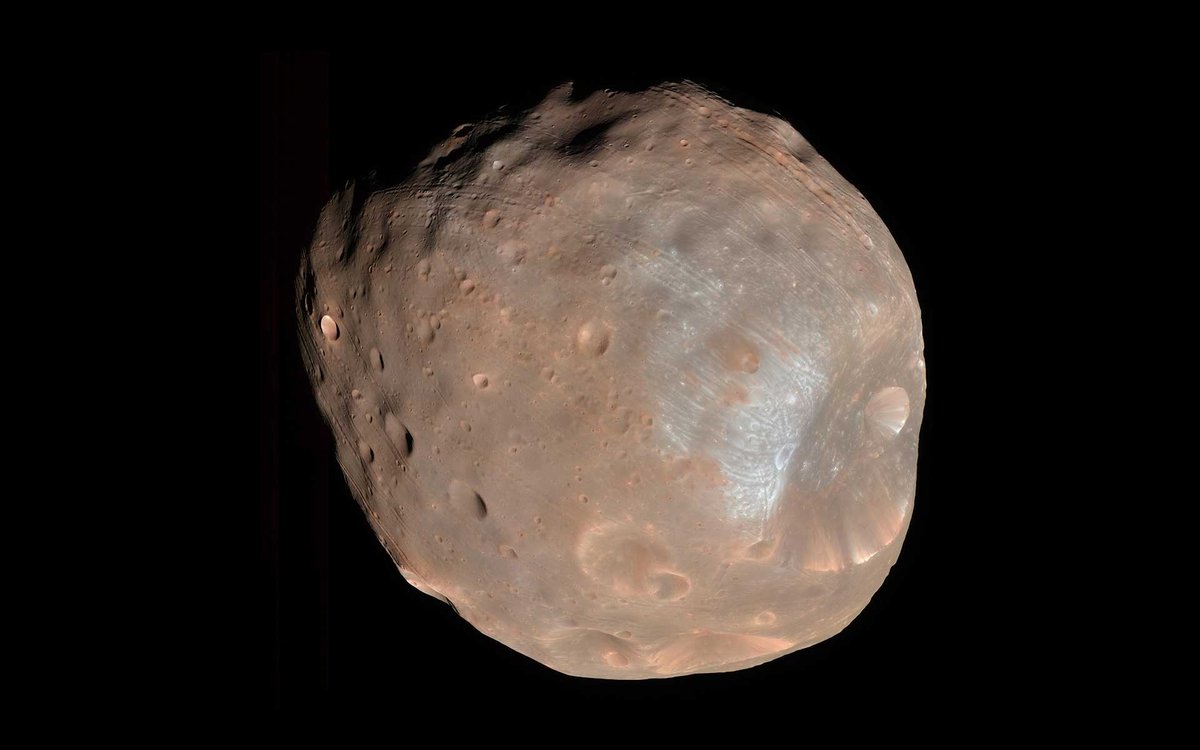
How did Mars get its moons? Japan’s MMX mission is about to find out

Although Phobos and Deimos may look like lumpy space potatoes, they’re actually moons of Mars. No one knows how they formed, but a newly launched spacecraft should soon offer answers

What We're Reading
  • China’s top-secret spaceplane can’t hide in low-Earth orbit | Ars Technica
  • NASA’s Oldest Martian Spacecraft Have Been Running for Decades. Here’s How | WIRED
  • Send your name to Saturn’s moon, Titan, with Dragonfly | NASA

From the Archive
The Unsolvable Problem

After a years-long intellectual journey, three mathematicians have discovered that a problem of central importance in physics is impossible to solve—and that means other big questions may be undecidable, too

Scientist Pankaj

Space & Physics: A new dwarf planet in our solar system?

Plus, can Earth’s religions survive the discovery of ET?                     ...