It was more than a decade ago, but blood researchers are still recovering from the scandal ͏ ͏ ͏ ͏ ͏ ͏ ͏ ͏ ͏ ͏ ͏ ͏ ͏ ͏ ͏ ͏ ͏ ͏ ͏ ͏ ͏ ͏ ͏ ͏ ͏ ͏ ͏ ͏ ͏ ͏ ͏ ͏ ͏ ͏ ͏ ͏ ͏ ͏ ͏ ͏ ͏ ͏ ͏ ͏ ͏ ͏ ͏ ͏ ͏ ͏ ͏ ͏ ͏ ͏ ͏ ͏ ͏ ͏ ͏ ͏ ͏ ͏ ͏ ͏ ͏ ͏ ͏ ͏ ͏ ͏ ͏ ͏ ͏ ͏ ͏ ͏ ͏ ͏ ͏ ͏ ͏ ͏ ͏ ͏ ͏ ͏ ͏ ͏ ͏ ͏ ͏ ͏ ͏ ͏ ͏ ͏ ͏ ͏ ͏ ͏ ͏ ͏ ͏ ͏ ͏ ͏ ͏ ͏ ͏ ͏ ͏ ͏ ͏ ͏ ͏ ͏ ͏ ͏ ͏ ͏ ͏ ͏ ͏ ͏ ͏ ͏ ͏ ͏ ͏ ͏ ͏ ͏ ͏ ͏ ͏ ͏ ͏ ͏ ͏ ͏ ͏ ͏ ͏ ͏ ͏ ͏ ͏ ͏ ͏ ͏
October 19, 2026—The Theranos scandal was more than a decade ago, but the drama hasn't faded for scientists. Plus, the science behind why we like a good fright, and a new discovery on how the brain reads emotions in others.
—Andrea Gawrylewski,
Chief Newsletter Editor
|
|
Katya Kovarzh via Shutterstock
|
|
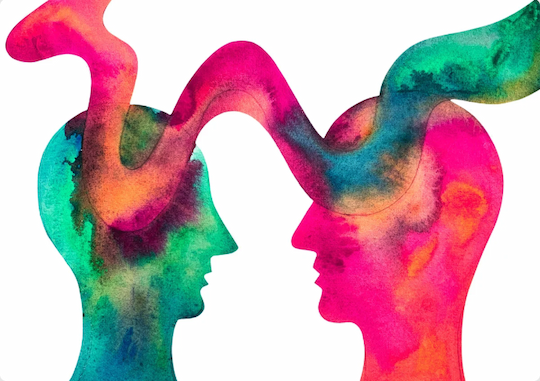
When reading other people's emotions, the brain processes visual input (looking at someone's face) and auditory input (hearing them laugh) in the same region. | 2 min read
The first mission to sample Mars's moons (yes, it has two) launched today from Japan. | 4 min read
Rutaecarpine is being touted for its ability to flush caffeine out of the system. But the substance by itself hasn’t been tested in humans and may be toxic if combined with Tylenol. | 5 min read
A Russian satellite came dangerously close to a Finnish-American satellite this weekend in a provocative maneuver that could foreshadow the new norm for space warfare. | 3 min read
Get caught up on some fun science news updates, including how bee stingers work, why microplastics may be harmful and what postmenopausal ovaries are doing decades later. | 10 min podcast
|
|
Boo!
We’re in the middle of spooky season. It seems counterintuitive that people intentionally want to scare themselves with creepy movies, haunted houses and ghost tours. Why do we like a fright? Voluntary exposure to horror and scares is rooted deeply in our evolutionary history and helps us overcome fears and learn how to respond to new challenges in the real world. Studies show that there’s a strong group bonding element to scary play too: People actively regulate their fear and arousal levels when getting scared together.
How it works: Morbid fascination with danger is widespread in the animal kingdom—it's called predator inspection. The inspection occurs when an animal looks at or even approaches a predator rather than simply fleeing. When young animals inspect their predators from afar (think gazelles and cheetahs) they learn about the biggest threat in their lives. Meanwhile, playing with peers trains animals to respond under pressure. For humans, even the fear of exaggerated predators (like zombies) creates strong emotional and behavioral responses, familiarizing us with these reactions for when we have to deal with more down-to-earth dangers.
Why this is interesting: Children are often the intended audience for scary oral stories, which can help them learn about risks early in their lives. Researchers who study human fun and games have argued that the decline of thrilling, unstructured play over the past few decades has contributed to a rise in childhood anxiety over that same period.
|
|
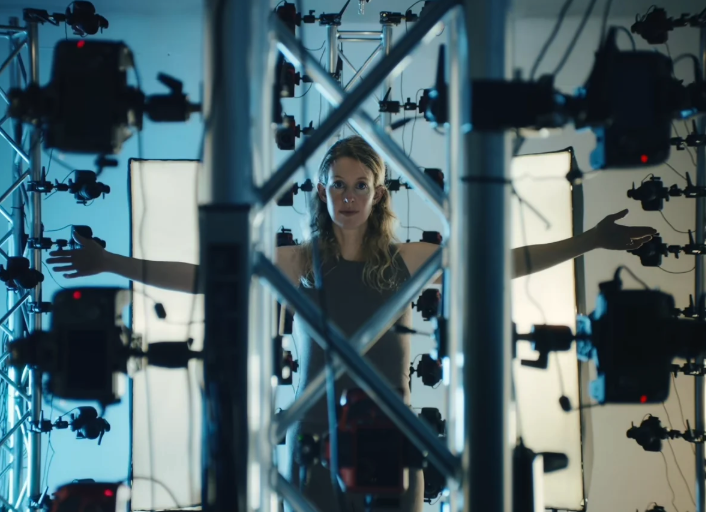
The new documentary about Elizabeth Holmes, the enigmatic founder of Theranos, came out Friday. A24
|
|
Bad Blood
More than a decade after the implosion of Theranos, the buzzy health-care start-up, everyone’s talking about it again. A documentary about its enigmatic founder Elizabeth Holmes dropped this weekend, and reviewers are shocked, confused, and utterly obsessed. With Holmes and Theranos top of mind, we asked scientists how they’re thinking about the scandal today. They told us that for them, the 11-year-old story is anything but in the past. The problems Theranos brought to light about elusive “unicorn startups” (privately held, venture-backed startup companies with a valuation of $1 billion or more) are still prevalent. Plus, for any researchers studying blood, the whole ordeal continues to make life difficult. And for those wondering: No, even after 10 years of technological advancement, Theranos’s promise to conduct more than 100 clinical tests based on one drop of blood is still not possible.
Why this is interesting: Though Holmes is back in the cultural conversation, Theranos is in many ways a relic of 2010s Silicon Valley. But for scientists, the conversations Theranos started haven’t stopped. John Ioannidis, a professor at Stanford University’s medical school and among the first to question Theranos’s claims, studies the validity of research and start-ups. He says that the problems of transparency and evidence in science and technology start-ups are, if anything, worse today. According to a paper Ioannidis published this year on more than 300 AI unicorn start-ups, more than half had not published any evidence or papers.
What experts say: “Many of the start-ups are not transparent in their technology development,” says Ian Papautsky, a microfluidics researcher at the University of Illinois Chicago. “On the one hand, you would argue that they have to be, because they’re trying to compete with everyone else. But that also makes it a lot easier to hide the mismanagement and all these other various issues.” —Mary Randolph, News Intern
|
|
|
|
|
Chocolate tastes different these days. An epic investigation into why. | New York Magazine
Record temperatures and surging energy costs are putting the squeeze on Oklahoma families. | The New York Times ($)
A few cancers can spread like a contagion in nonhuman animals. | Knowable Magazine
|
|
Help keep this newsletter going with a subscription to Scientific American. Start today: 90 days for just $1.
|
|
Welcome to a new week of discovery! Thanks for being here and sharing all your thoughts and observations in emails to me and on our Discussions forum. We love to hear from you.
|
|
—Andrea Gawrylewski,
Chief Newsletter Editor
|
|
|
|
|
Subscribe to this and all of our newsletters here.
|
|
Scientific American
1000 N West Street, Suite 1200
|
|
|
|
|