Plus, how your brain can deal better with uncertainty ͏ ͏ ͏ ͏ ͏ ͏ ͏ ͏ ͏ ͏ ͏ ͏ ͏ ͏ ͏ ͏ ͏ ͏ ͏ ͏ ͏ ͏ ͏ ͏ ͏ ͏ ͏ ͏ ͏ ͏ ͏ ͏ ͏ ͏ ͏ ͏ ͏ ͏ ͏ ͏ ͏ ͏ ͏ ͏ ͏ ͏ ͏ ͏ ͏ ͏ ͏ ͏ ͏ ͏ ͏ ͏ ͏ ͏ ͏ ͏ ͏ ͏ ͏ ͏ ͏ ͏ ͏ ͏ ͏ ͏ ͏ ͏ ͏ ͏ ͏ ͏ ͏ ͏ ͏ ͏ ͏ ͏ ͏ ͏ ͏ ͏ ͏ ͏ ͏ ͏ ͏ ͏ ͏ ͏ ͏ ͏ ͏ ͏ ͏ ͏ ͏ ͏ ͏ ͏ ͏ ͏ ͏ ͏ ͏ ͏ ͏ ͏ ͏ ͏ ͏ ͏ ͏ ͏ ͏ ͏ ͏ ͏ ͏ ͏ ͏ ͏ ͏ ͏ ͏ ͏ ͏ ͏ ͏ ͏ ͏ ͏ ͏ ͏ ͏ ͏ ͏ ͏ ͏ ͏ ͏ ͏ ͏ ͏ ͏ ͏
October 26, 2026—A schedule for the Artemis III lunar mission, how your brain handles uncertainty and possible data centers in the middle of endangered beluga habitats.
—Emma Gometz,
Newsletter Editor
|
|
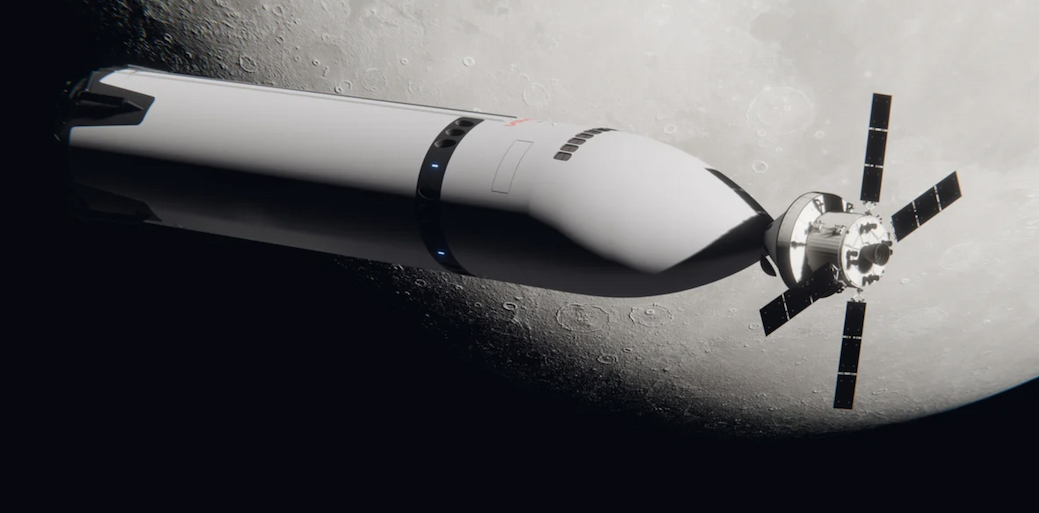
An artist’s concept shows SpaceX’s Starship Human Landing System (Starship HLS) docking directly to an Orion spacecraft. NASA/SpaceX
|
|
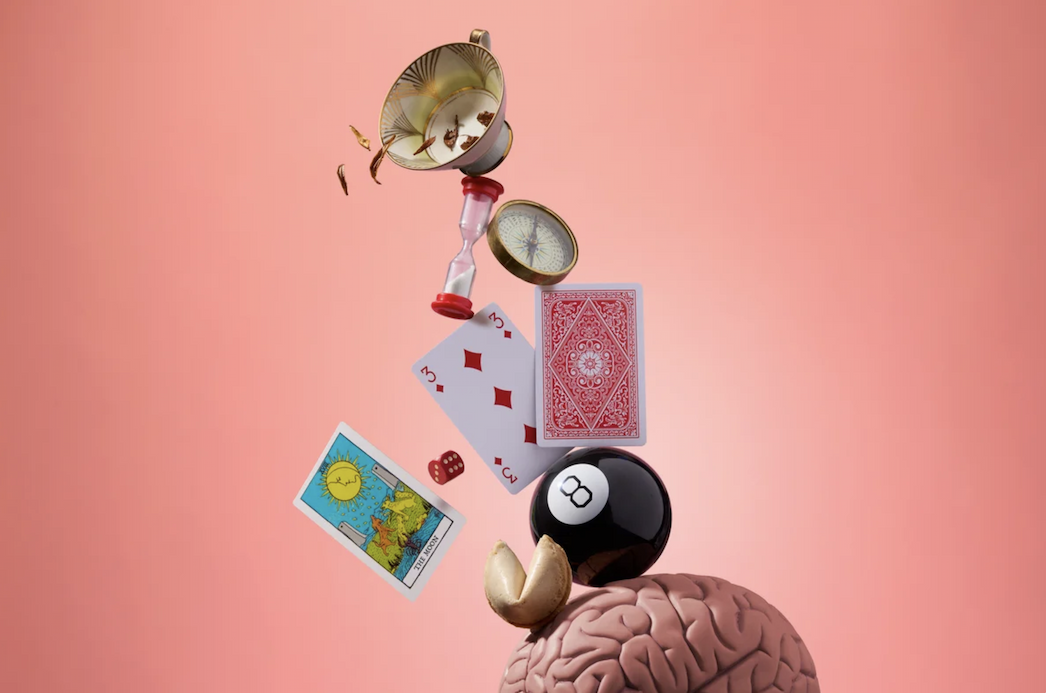
Uncertainty in the Brain
Researchers have described the brain as a prediction machine helping us assess risk and get out of trouble to survive. But the more the odds change on us, the more stressful life becomes—and, research shows, the greater our risk for mental and physical illness. As climate change, change in political norms, AI, and more disruptions upend American life, researchers are learning more about how the brain handles uncertainty in hopes of curbing some of its negative effects.
How prediction works: Predictable environments are essential to hone young children’s skills of anticipation and help them learn to live in a complex world. The brain matches its predictions with sensory information, constantly updating its predictive abilities as more information becomes available. Dopamine pathways are a key part of this—dopamine increases before a predicted outcome, and tanks if the outcome is wrong. But this is also why too much unpredictability can be bad for us, because all the unexpected results decrease our dopamine levels.
Uncertainty and stress: Large prediction errors can be stressful. They signal that something major is wrong, requiring immediate attention and correction. They can activate the hypothalamic-pituitary axis in the brain, releasing the stress hormone cortisol to prepare the body to react. Often, those stress responses can take up a lot of energy and even shunt metabolic energy away from processes such as digestion and toward the heart, lungs, brain and muscles. In worse cases, a person can retreat into depression.
Resilience: People who thrive in uncertain and threatening situations tend to share traits related to flexibility. These include optimism about recovery, having confidence in your ability to cope, and re-interpreting anxiety in a less threatening way (for example “butterflies in your stomach” is a reframing of nausea). Resilient people experience life’s typical ups and downs, but their senses don’t overwhelm them. In most cases, they will be able to seek social support.
What the experts say: Curiosity is a human quality that naturally leaves us open to the risk of being wrong about our predictions. But that doesn’t mean we have to struggle when it inevitably happens. “If you expect to be surprised, you can come back more quickly,” says Laura Harrison, who studies uncertainty at the Valor Institute for Neuroscience. “Stress or change in the world is opportunity as well.”
Join the discussion: How do you deal with uncertainty? Are there things you do to help boost your own resilience and confidence in your ability to cope? Share your thoughts here.
|
|
|
|
|
The BBC’s Blue Planet III left flaws in its footage to prove it’s not AI | The Guardian
The Man Who Saved the Internet Yesterday | The Atlantic
Grand theft AI: Highway thieves are stealing millions in data center gear | NBC News
|
|
Support this newsletter with a subscription to Scientific American. Start today: 90 days for just $1.
|
|
Researchers say that simple mental reframing, like viewing your heart pounding as excitement rather than terror, can help you build resilience during stressful events. I find that approach helpful because it doesn’t deny the body’s reaction to uncertainty, but rather redirects it towards achieving goals—and maybe even enjoying the process along the way. Speaking of: happy Monday! After reading this newsletter, I hope you’re ready to handle anything this week throws at you.
|
|
—Emma Gometz,
Newsletter Editor
|
|
|
|
|
Subscribe to this and all of our newsletters here.
|
|
Scientific American
1000 N West Street, Suite 1200
|
|
|
|
|