Plus, a jigsaw puzzle challenge! ͏ ͏ ͏ ͏ ͏ ͏ ͏ ͏ ͏ ͏ ͏ ͏ ͏ ͏ ͏ ͏ ͏ ͏ ͏ ͏ ͏ ͏ ͏ ͏ ͏ ͏ ͏ ͏ ͏ ͏ ͏ ͏ ͏ ͏ ͏ ͏ ͏ ͏ ͏ ͏ ͏ ͏ ͏ ͏ ͏ ͏ ͏ ͏ ͏ ͏ ͏ ͏ ͏ ͏ ͏ ͏ ͏ ͏ ͏ ͏ ͏ ͏ ͏ ͏ ͏ ͏ ͏ ͏ ͏ ͏ ͏ ͏ ͏ ͏ ͏ ͏ ͏ ͏ ͏ ͏ ͏ ͏ ͏ ͏ ͏ ͏ ͏ ͏ ͏ ͏ ͏ ͏ ͏ ͏ ͏ ͏ ͏ ͏ ͏ ͏ ͏ ͏ ͏ ͏ ͏ ͏ ͏ ͏ ͏ ͏ ͏ ͏ ͏ ͏ ͏ ͏ ͏ ͏ ͏ ͏ ͏ ͏ ͏ ͏ ͏ ͏ ͏ ͏ ͏ ͏ ͏ ͏ ͏ ͏ ͏ ͏ ͏ ͏ ͏ ͏ ͏ ͏ ͏ ͏ ͏ ͏ ͏ ͏ ͏ ͏
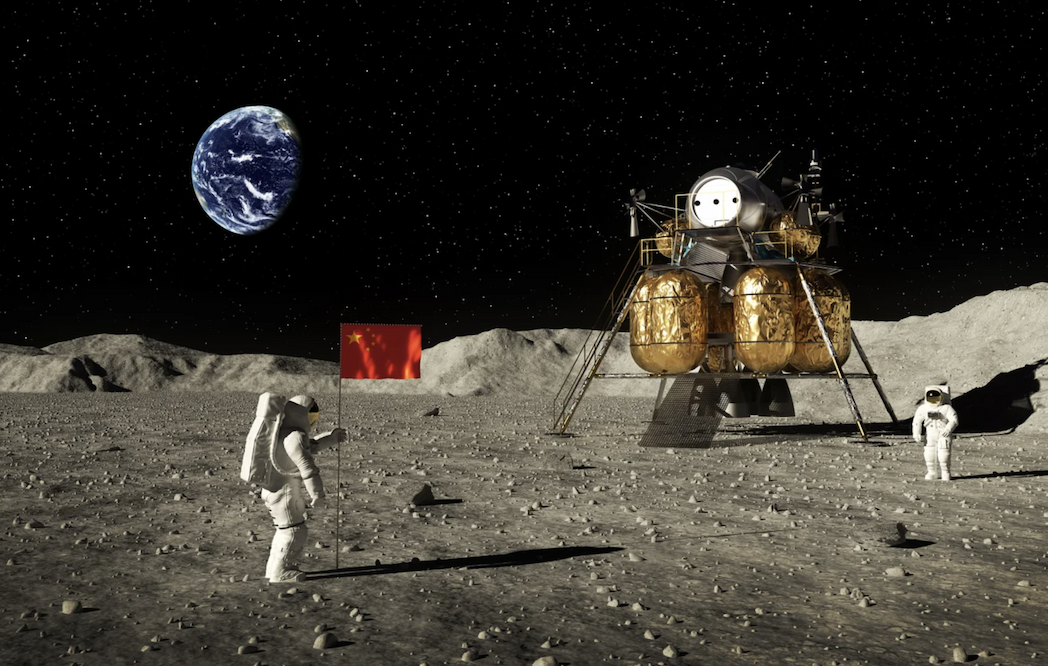
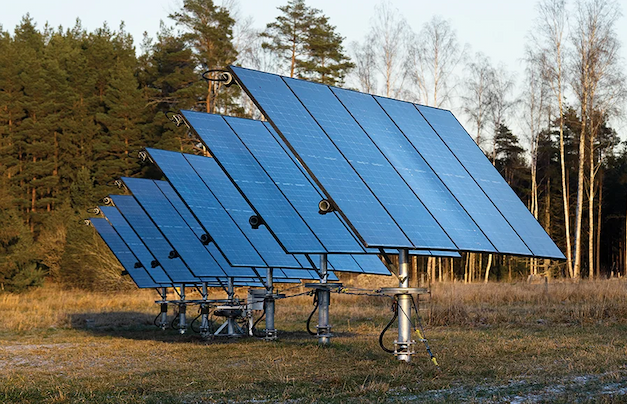
March 10, 2026—China's next crewed lunar mission might land in an unexpected place, solar panels that sway in the wind and machine learning for forensic science. Plus, a jigsaw puzzle challenge! —Emma Gometz, Newsletter Editor | | Swaying Solar Panels Not every location is ideal for solar power. In areas closer to the Earth's poles, the sun can sit low on the horizon for longer periods during the day, so sunbeams travel at shallow angles almost parallel to the ground. To capture energy from these rays, solar panels need to be raised from sitting flat to a vertical position, and they need to track the sun throughout the day. The problem is they end up catching the wind like sails, and gusts can blow them over and damage them. One company has set out to change that. How it works: The idea behind Vaja, the vertical tracking solar panel company, is to make solar panels that sway in the wind like trees. Each panel has an aerodynamic center at the precise pivot point where wind would push a panel into a neutral position rather than shaking it apart. After extensive testing (and lots of broken panels) the setup can take up to 140 kph winds, faster than the worst gusts solar farms are likely to see. What the experts say: It's a common misconception that weather or other conditions mean that solar simply "doesn't work" for some places, says Anders Olsson, one of the Vaja co-founders. This technology could give solar in low-sunlight places like Scandinavia a chance. "Given that we will be able to produce in the more profitable hours, we also expect that we'll be making more money," says Rabbalshede Kraft CEO Peter Wesslau. | | | Cracking Cold Cases with AI
| To investigate a crime like murder, forensic specialists can use clues from fly larvae feasting on a decomposing corpse. Specific larvae species can provide clues about the places the body maybe have been moved. Larval development can reveal when the victim died. But such determinations can require genetic sequencing of the larvae, which isn't a viable option if living larvae are not present on a body. And even if they are, sequencing them often means destroying the larvae. Now, a few labs are using machine learning to find alternatives.
How it works: One lab at Louisiana State University used mass spectrometry to measure the chemicals that insect eggs, larvae and pupae leave behind. The team then turned that into a database of the chemical profiles, or metabolomes, of insects that colonize decomposing remains. Next, they trained a machine-learning algorithm to use that database to identify which insects might have been on a body, based just on the metabolomes they left behind. With this technique, the larvae no longer need to be present at all. Another lab is substituting genetic sequencing with a combination of infrared spectroscopy and machine-learning to identify the sex of larvae using light.
What the experts say: These advances could bring answers to cold cases. But forensic entomologist Paola Magni, who is not involved in either project, says that use of AI in this process can be risky: "The flip of the coin of artificial intelligence can become very dangerous in a forensic context because you can really cause a miscarriage of justice."
| | | | |
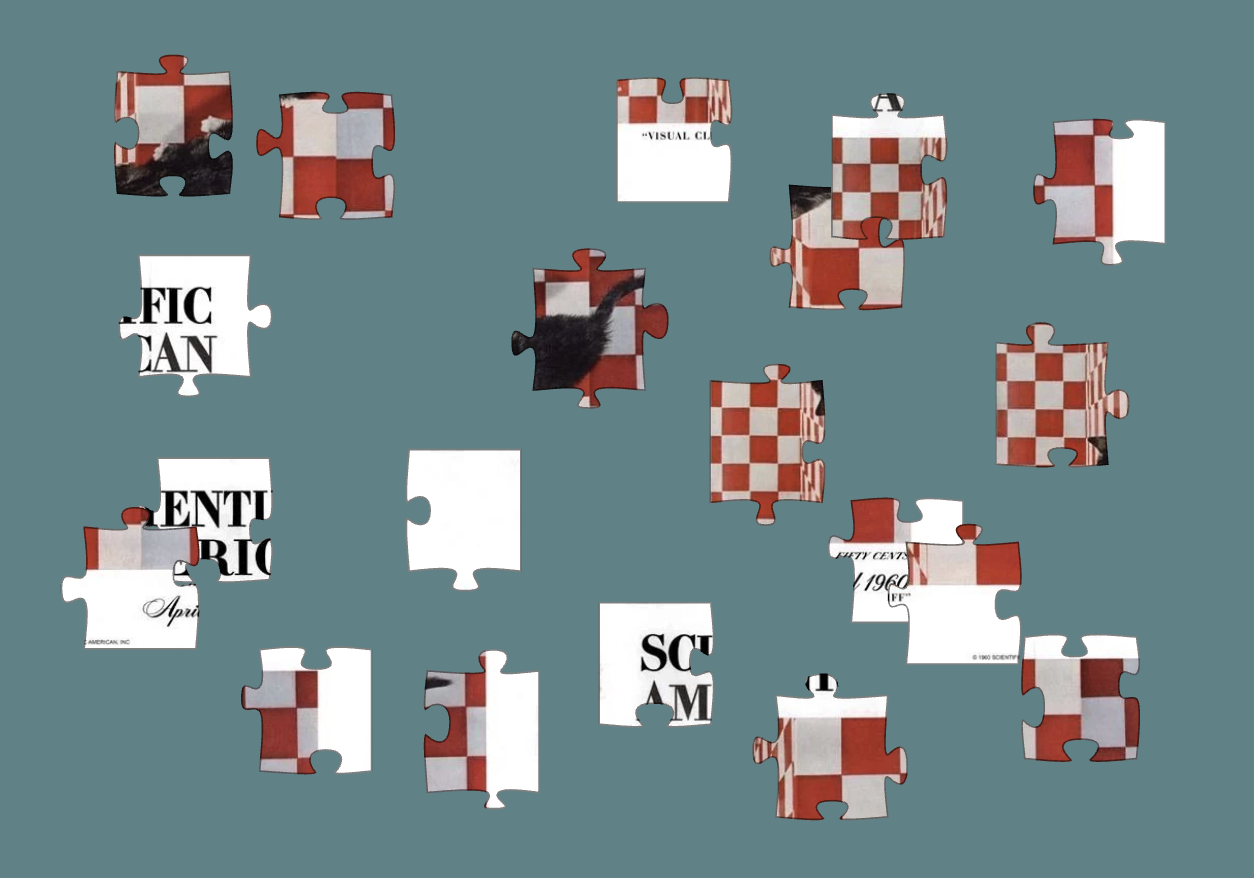
Try to unscramble this puzzle of the cover of our April 1960 issue! This cover illustrates a new experiment designed to test animals' aptitudes for depth perception. | | I saw the new Pixar movie Hoppers over the weekend, and it was obvious to me how much the artists behind it love the natural world. Accompanying lots of nerdy references to the food chain, keystone species and even ultrasonic pest control, the movie showed how going outside is a great way to reset and feel like you're a part of something bigger than yourself. With the Oscars coming up, are there any science-related movies you loved this year? | | Let me know, and please send any other ideas, comments or feedback on this newsletter to newsletters@sciam.com. See you tomorrow! —Emma Gometz, Newsletter Editor | | | | |
Subscribe to this and all of our newsletters here. | | | | |