These bizarre objects are a cosmic mystery ͏ ͏ ͏ ͏ ͏ ͏ ͏ ͏ ͏ ͏ ͏ ͏ ͏ ͏ ͏ ͏ ͏ ͏ ͏ ͏ ͏ ͏ ͏ ͏ ͏ ͏ ͏ ͏ ͏ ͏ ͏ ͏ ͏ ͏ ͏ ͏ ͏ ͏ ͏ ͏ ͏ ͏ ͏ ͏ ͏ ͏ ͏ ͏ ͏ ͏ ͏ ͏ ͏ ͏ ͏ ͏ ͏ ͏ ͏ ͏ ͏ ͏ ͏ ͏ ͏ ͏ ͏ ͏ ͏ ͏ ͏ ͏ ͏ ͏ ͏ ͏ ͏ ͏ ͏ ͏ ͏ ͏ ͏ ͏ ͏ ͏ ͏ ͏ ͏ ͏ ͏ ͏ ͏ ͏ ͏ ͏ ͏ ͏ ͏ ͏ ͏ ͏ ͏ ͏ ͏ ͏ ͏ ͏ ͏ ͏ ͏ ͏ ͏ ͏ ͏ ͏ ͏ ͏ ͏ ͏ ͏ ͏ ͏ ͏ ͏ ͏ ͏ ͏ ͏ ͏ ͏ ͏ ͏ ͏ ͏ ͏ ͏ ͏ ͏ ͏ ͏ ͏ ͏ ͏ ͏ ͏ ͏ ͏ ͏ ͏
March 17, 2026—I'm back from vacation and excited to dive into science news with you! Today, a galaxy without dark matter baffles astronomers, pot doesn't help anxiety and SpaceX reaches a satellite milestone. Let's do it. —Andrea Gawrylewski
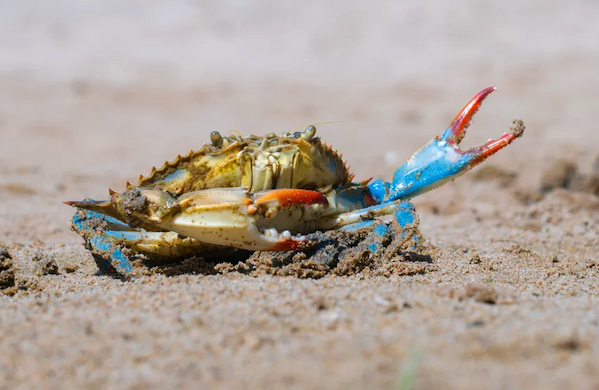
Chief Newsletter Editor | | A blue crab (Callinectes sapidus) imv via Getty Images | | -
A 37-year study shows that blue crabs are cannibalizing one another with surprising rapacity in parts of the Chesapeake Bay. | 3 min read
- People frequently use medical cannabis to treat anxiety, depression and PTSD, but two new review studies show there is little evidence that it works. | 3 min read
- A federal judge on Monday issued a stay on key parts of RFK, Jr.'s efforts to reduce the number of routinely recommended childhood vaccines. | 2 min read
- Two offshore wind projects, Revolution Wind and Vineyard Wind, have come online in the U.S. Each will power hundreds of thousands of homes and save consumers more than half a billion dollars in energy costs. | 2 min read
- Two people have died from an outbreak of meningitis in Kent county, in the U.K. Tens of thousands of others may be affected. | 2 min read
- A new brain-computer implant allowed two people who had lost the ability to move their limbs to type at speeds of up to 22 words per minute. | 4 min read
- The real reason there are no snakes in Ireland (it wasn't because of Saint Patrick). | 2 min read
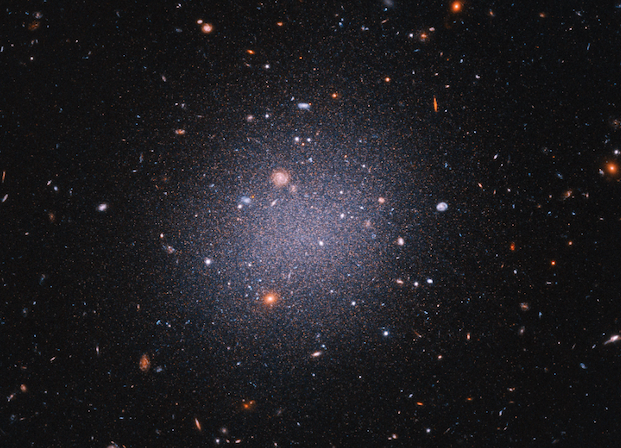
| | The ultradiffuse galaxy NGC 1052-DF2, discovered in 2018, was the first known galaxy that seemed to completely lack dark matter. NASA, ESA, STScI, Zili Shen (Yale), Pieter van Dokkum (Yale), Shany Danieli (IAS); Image Processing: Alyssa Pagan (STScI) | | In 2018, astronomers spotted an unusual dwarf galaxy. Object NGC 1052-DF2, as it was called, baffled the community—it lacked any dark matter. Dark matter is an essential part of the universe, and astronomers believe an important component of galaxies. So how can a galaxy exist without it? In the April issue of Scientific American, Yale University astrophysicist Maria Luísa Buzzo guides us through the story of how this dark-matterless galaxy first came into the picture, and the baffling evidence suggesting it isn't the only one. Newsletter writer Emma Gometz sat down with our in-house space and physics expert, Clara Moskowitz, who edited the story, to get the inside scoop on this fascinating cosmic mystery.
EG: When did you first learn about this dwarf galaxy without dark matter? What was your reaction?
CM: I'd seen a news report on the discovery and I thought it was bizarre. Everything we know about dark matter suggests it has to be everywhere in galaxies, or else they wouldn't hold together. So the idea of a galaxy without any dark matter at all is really shocking and confusing.
EG: If this phenomenon isn't as rare as previously thought, what does that mean for astrophysics?
CM: It's really exciting because it could mean there are things about the nature of dark matter we don't understand, and that might ultimately help us figure out what dark matter actually is, which is one of the biggest mysteries in all of science. If it turns out galaxies without dark matter are more common than we thought, that could also teach us about how galaxies grow and evolve and reshape some of our assumptions about how they work. EG: What was it like editing Maria Luíza Buzzo, the astrophysicist who is on the frontier of this research?
CM: She is amazing—she's such a good writer and I loved how she brought her own personality and experience into the story. When I read articles written by scientists I want to know not just what they discovered, but how it felt to make the discovery and how the process worked. I think she really delivers on that.
EG: As one of SciAm's resident astrophysics experts yourself, I'm sure not a lot fazes you. What about this story most surprised you?
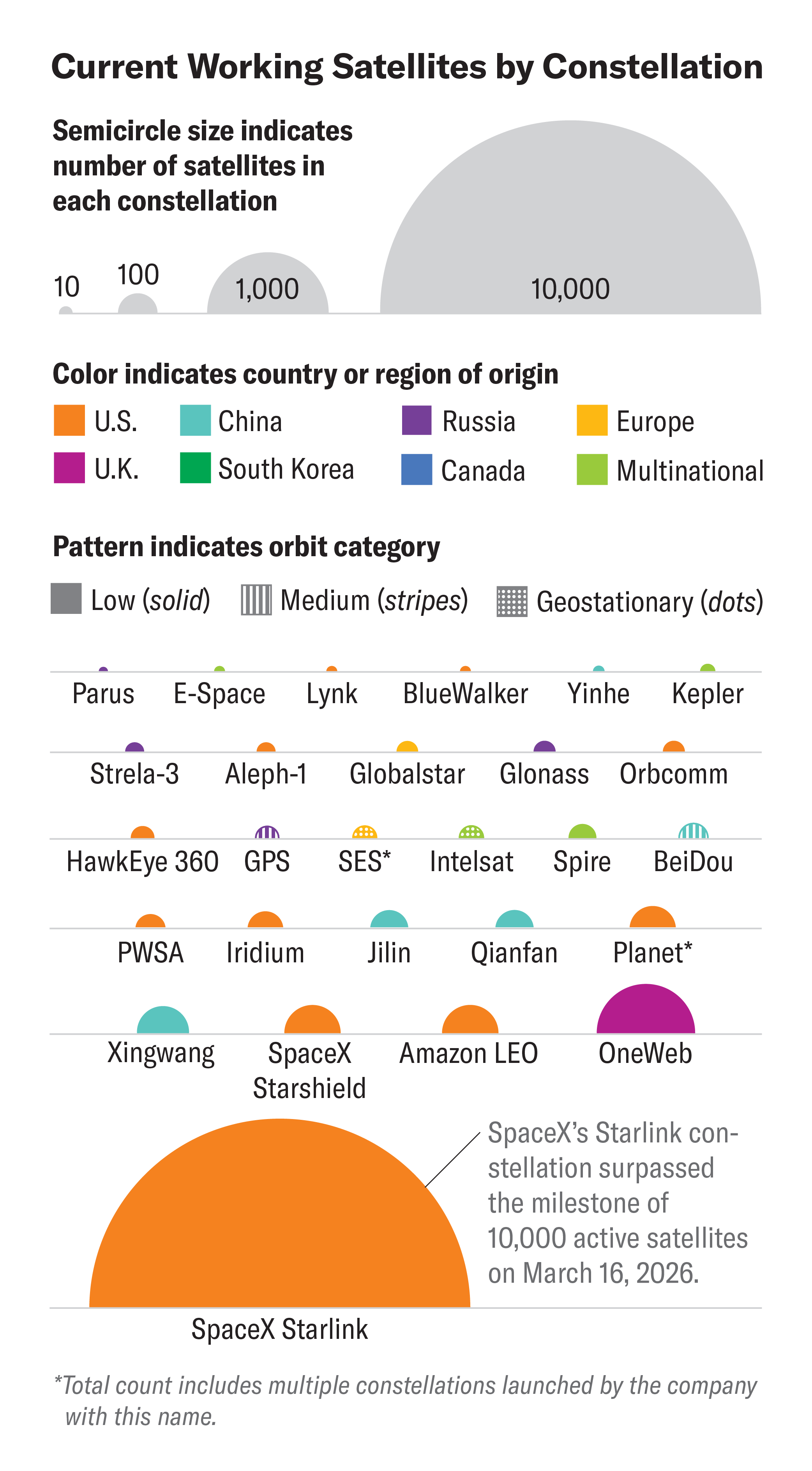
CM: Actually, the universe is constantly surprising us, which is what I love about astrophysics! This story shows us that every time we think we understand how something works, like dark matter, scientists will discover objects that defy our expectations and force us to go back to the drawing board. | | As of today, more than 10,000 active Starlink satellites are in space, constituting about two thirds of all satellites currently in orbit. At 1:19 A.M. EDT this morning, a Falcon 9 rocket launched from Space Launch Complex 4 East at Vandenberg Space Force Base in California with 25 Starlink satellites onboard. That brings SpaceX's total number of Starlink satellites in orbit to 10,020, according to statistics compiled by Jonathan McDowell, an astrophysicist who tracks global space launches. Today, there are more than 14,500 satellites in orbit, more than two thirds from SpaceX alone. And many, many more are planned. | | Amanda Montañez; Source: Jonathan's Space Pages (data), with additional consulting by Jonathan McDowell | | | | |
Can you unscramble this puzzle of the cover of our October 1919 issue? The image shows a sea sled racing towards a crashed airship. Sea sleds are described in the issue as a new type of motorboat that skates over water, avoiding the drag that slows more submerged boats. | | Happy St. Patrick's Day to all who hail from the Emerald Isle—or simply enjoy celebrating it. Ireland, famously, has no snakes, which already puts it ahead in my book. I just returned from a vacation in Hawaii, which also hosts no native snakes, thanks to its geographic isolation. Not that my affection for a place depends entirely on its reptile population…but it certainly doesn't hurt. Whether you're raising a pint, wearing something green, or just appreciating a snake-free corner of the world, Sláinte! | | As always, send any other thoughts, comments or feedback on this newsletter to: newsletters@sciam.com. Until tomorrow. —Andrea Gawrylewski, Chief Newsletter Editor
| | | | |
Subscribe to this and all of our newsletters here. | | | | |