CERN scientists loaded subatomic antimatter particles into a truck and went for a ride ͏ ͏ ͏ ͏ ͏ ͏ ͏ ͏ ͏ ͏ ͏ ͏ ͏ ͏ ͏ ͏ ͏ ͏ ͏ ͏ ͏ ͏ ͏ ͏ ͏ ͏ ͏ ͏ ͏ ͏ ͏ ͏ ͏ ͏ ͏ ͏ ͏ ͏ ͏ ͏ ͏ ͏ ͏ ͏ ͏ ͏ ͏ ͏ ͏ ͏ ͏ ͏ ͏ ͏ ͏ ͏ ͏ ͏ ͏ ͏ ͏ ͏ ͏ ͏ ͏ ͏ ͏ ͏ ͏ ͏ ͏ ͏ ͏ ͏ ͏ ͏ ͏ ͏ ͏ ͏ ͏ ͏ ͏ ͏ ͏ ͏ ͏ ͏ ͏ ͏ ͏ ͏ ͏ ͏ ͏ ͏ ͏ ͏ ͏ ͏ ͏ ͏ ͏ ͏ ͏ ͏ ͏ ͏ ͏ ͏ ͏ ͏ ͏ ͏ ͏ ͏ ͏ ͏ ͏ ͏ ͏ ͏ ͏ ͏ ͏ ͏ ͏ ͏ ͏ ͏ ͏ ͏ ͏ ͏ ͏ ͏ ͏ ͏ ͏ ͏ ͏ ͏ ͏ ͏ ͏ ͏ ͏ ͏ ͏ ͏
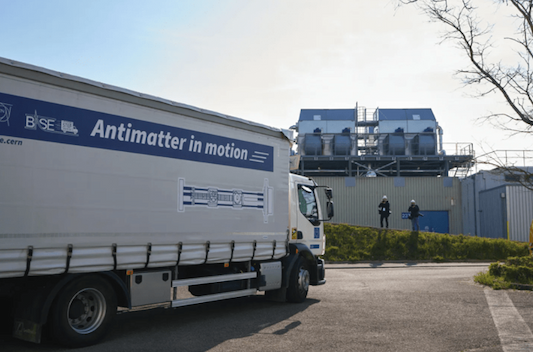
March 25, 2026—Today, lakes are under threat. Plus, antimatter gets loaded into a truck and a prominent climate scientist resigns from NASA. —Andrea Gawrylewski, Chief Newsletter Editor | | A truck that was used to carry antimatter around the CERN campus. © 2026 CERN | | Explore the universe with a subscription to Scientific American. Check out our great March deal! | | | | |
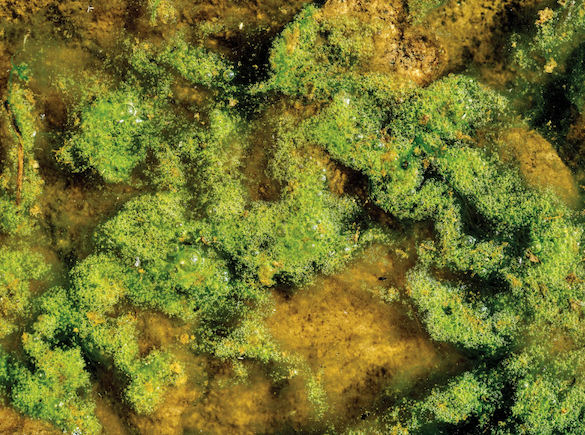
In the Rocky Mountains, lakes famous for water so clear that you can see 20 feet down are turning into opaque green soup. Fueled by nitrogen pollution and warming temperatures, algal blooms like the one seen here are choking alpine ecosystems. Matt Nager | | Lakes around the world are turning green. A 2022 sampling found that nearly 73 percent of 1,000 lakes sampled in the U.S. were "eutrophic," or rich in nutrients that feed algae. Ten years before, only 57 percent of those lakes were eutrophic, according to the U.S. Environmental Protection Agency. And the trend exists even in mountain lakes, which would normally be too high in elevation for algae to thrive: algal blooms are clouding waters in the Andes, the Alps, the Himalayas and beyond.
Why this is happening: Several culprits cause algae levels in lakes to rise. Fertilizer runoff from agricultural fields floods bodies of water with nutrients, spurring algal blooms. In more remote alpine lakes, the causes are less obvious. Aerosolized molecules in fertilizers can be blown by wind into the mountains and rain down. But wildfires also release nitrogen into the environment, as do melting glaciers. Even dead trees surrounding a lake dump excess nitrogen and chemicals into the water. Scientists have discovered some lakes in Rocky Mountain National Park are ringed with skeletal spruce trees killed some 15 years ago by a bark beetle infestation.
Why it matters: When algae die and sink, the decomposition process fuels chemical reactions that use up oxygen. Such anoxic conditions often kill fish, and make future algal blooms more likely. The worst outcome is the proliferation of cyanobacteria, which produce toxins that can poison wildlife, contaminate drinking water and close off lakes to recreation.
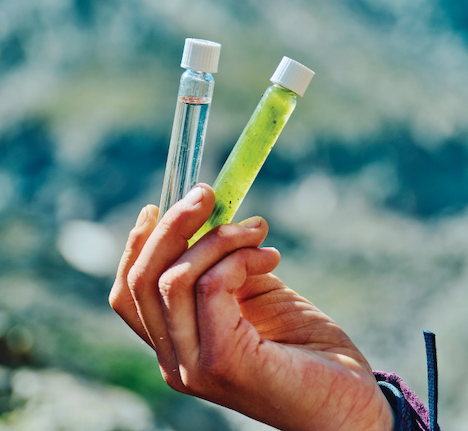
| | To understand how the water is changing, ecologists filter water samples. The vial shown on the right holds murky fluid teeming with algae. Matt Nager | | - Readers submitted thousands of environmental success stories from their states. This is the kind of science news I love. | The New York Times
- What being struck by lightning does to your body and brain. | The Atlantic
- A state-by-state analysis of which states may soon become impossible to insure a home in. | Grist
| | Scientific American, Vol. 132, No. 1; January 1925 | | From the January 1925 issue: "Years before the motion picture was invented, Mr. Eadweard Muybridge, at the University of Pennsylvania, used electrically timed cameras to study the exact movements of human muscles during exercise. The cross lines in the background were used to measure each movement exactly. This image is from plates copyrighted in 1887 by Eadweard Muybridge." | | More than 40 years ago, scientists began recording a drop in water quality in the Gulf of Mexico. By the 1990s, a disturbing picture had emerged that nutrients from agricultural runoff sluicing down the Mississippi river were causing algal blooms in the gulf. Those decaying algae die, their decomposition sucking oxygen out of the water, making the region unlivable for other marine life. The so-called Dead Zone continued to grow each year and now fluctuates depending on floods, drought and storms. Last summer, NOAA reported that the Gulf of Mexico Dead Zone spanned some 4,402 square miles. You may not have read about this problem in a while, but it remains a textbook case of downstream effects of modern agriculture. | | —Andrea Gawrylewski, Chief Newsletter Editor
| | | | |
Subscribe to this and all of our newsletters here. | | | | |