A robotic spacecraft will save the Swift telescope from reentry ͏ ͏ ͏ ͏ ͏ ͏ ͏ ͏ ͏ ͏ ͏ ͏ ͏ ͏ ͏ ͏ ͏ ͏ ͏ ͏ ͏ ͏ ͏ ͏ ͏ ͏ ͏ ͏ ͏ ͏ ͏ ͏ ͏ ͏ ͏ ͏ ͏ ͏ ͏ ͏ ͏ ͏ ͏ ͏ ͏ ͏ ͏ ͏ ͏ ͏ ͏ ͏ ͏ ͏ ͏ ͏ ͏ ͏ ͏ ͏ ͏ ͏ ͏ ͏ ͏ ͏ ͏ ͏ ͏ ͏ ͏ ͏ ͏ ͏ ͏ ͏ ͏ ͏ ͏ ͏ ͏ ͏ ͏ ͏ ͏ ͏ ͏ ͏ ͏ ͏ ͏ ͏ ͏ ͏ ͏ ͏ ͏ ͏ ͏ ͏ ͏ ͏ ͏ ͏ ͏ ͏ ͏ ͏ ͏ ͏ ͏ ͏ ͏ ͏ ͏ ͏ ͏ ͏ ͏ ͏ ͏ ͏ ͏ ͏ ͏ ͏ ͏ ͏ ͏ ͏ ͏ ͏ ͏ ͏ ͏ ͏ ͏ ͏ ͏ ͏ ͏ ͏ ͏ ͏ ͏ ͏ ͏ ͏ ͏ ͏
March 26, 2026—NASA is planning a daring rescue mission for a falling space telescope. Plus, thousands of mathematicians threaten to boycott their biggest conference, and hacked security cameras are being used for assassinations in Iran. Let's go. —Andrea Gawrylewski
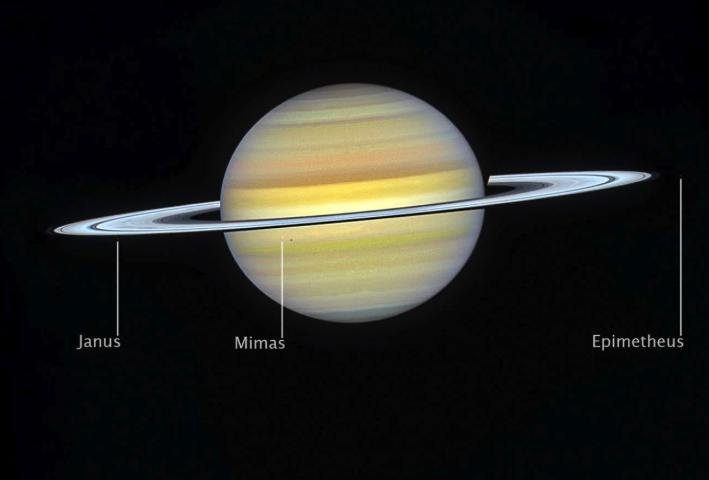
Chief Newsletter Editor | | A visible-light image of Saturn, captured on August 22, 2024, by NASA's Hubble Space Telescope. NASA/ESA/STScI/Amy Simon/NASA-GSFC/Michael Wong/U.C. Berkeley (image); Joseph DePasquale/STScI (image processing) | | - NASA released new images of Saturn snapped by the Hubble and James Webb space telescopes. What a beaut! | 2 min read
- More than 1,500 mathematicians are demanding that their field's most prestigious meeting be moved out of the U.S. The conference is slated to be held in Philadelphia this July. | 4 min read
- There's a lot of hype around red-light therapy. New clinical studies show it may help treat neuropathy, retinal degeneration and certain neurological disorders. | 10 min read
- Hacked security feeds and traffic cameras have helped guide assassinations in Iran. Security researchers say such video feeds are easy to exploit. | 5 min read
- A start-up company has surprised the scientific community with a breakthrough: translating a mathematical proof into a programming language for verification using AI. But not everyone is celebrating. | 5 min read
- Join the discussion: Yesterday, an L.A. jury found Meta and YouTube liable for operating apps that are addictive and harmful to young people. What do you think of this ruling? Do you notice addictive behaviors related to social media in kids or adults? Tell us what you think by reading our article, scrolling down and clicking "Join the discussion."
| | Explore the universe with a subscription to Scientific American. Check out our great March deal! | | | | |
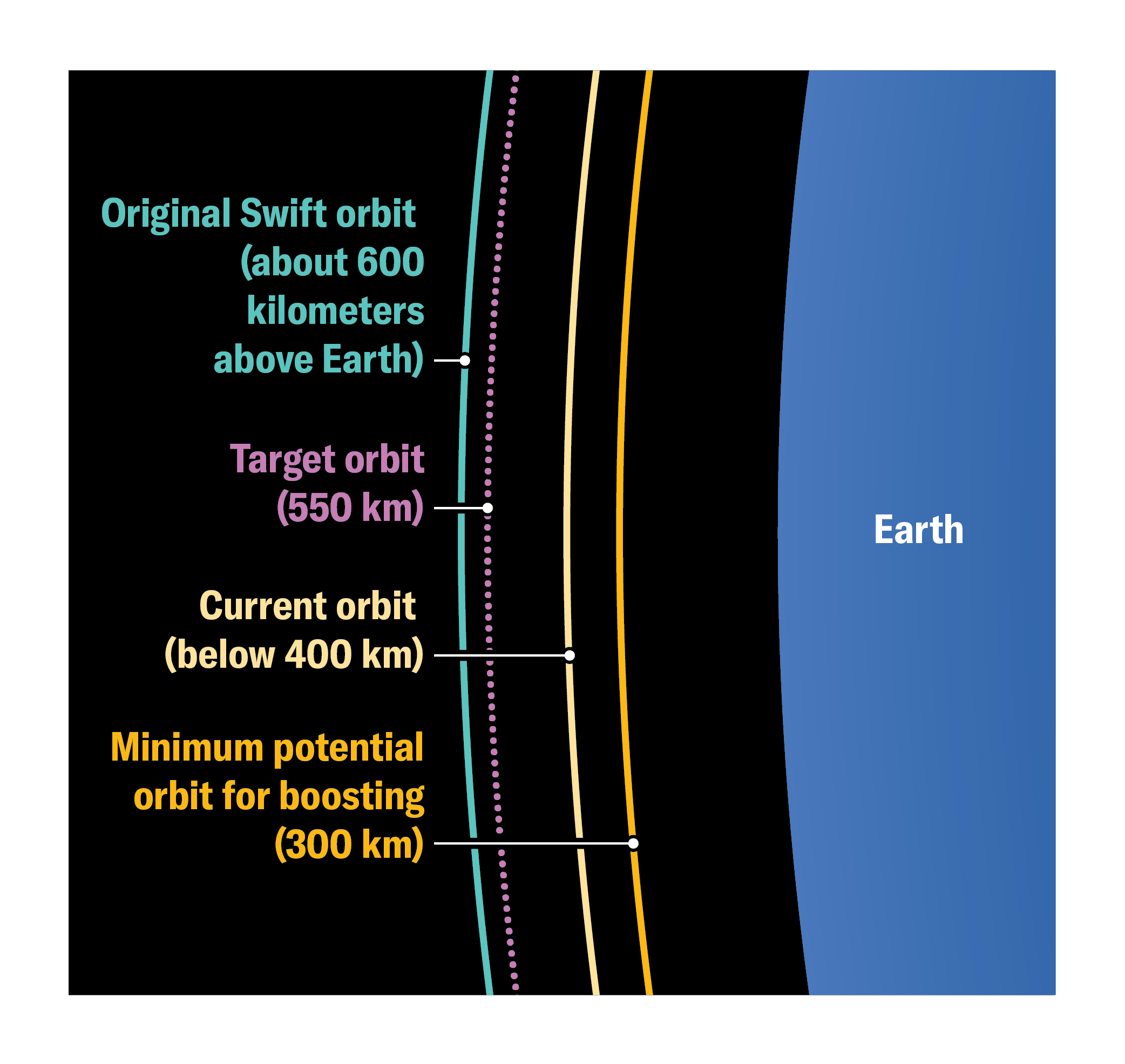
Sometime in June, NASA plans to launch a rescue mission to correct the orbit of one of its most important telescopes circling Earth: the Neil Gehrels Swift Observatory. The Swift has been in operation for more than 21 years and observes powerful gamma-ray bursts from the universe. With every orbit of the planet, though, the drag of Earth's atmosphere slows Swift ever so slightly. Since 2004 the observatory has descended out of its target orbit, about a third of the way back toward Earth. Left alone, it will fall out of orbit later this year and come to a fiery end.
How it will work: To have any chance at restoring the craft's orbit, NASA scientists must do so before Swift falls another 100 kilometers, at which point it will fall to Earth. In September last year, NASA partnered with Katalyst Space Technologies to attempt a rescue mission set to launch in early June. The team will launch a three-armed robotic spacecraft to grab hold of the decades-old observatory. By July or August, if all goes well, the spacecraft will begin the monthslong process of tugging Swift up, aiming for an altitude of about 550 kilometers.
What the experts say: "If you're successful, the scientific benefit is tremendous," says Brad Cenko, an astrophysicist at the NASA Goddard Space Flight Center in Maryland and principal investigator of the mission. "If you're not successful, obviously that's not the outcome that we want, but it's going to reenter sometime this year anyway."
| | Have you ever walked down the street while listening to your favorite song and noticed you were stepping in time to the beat? Turns out, people instinctively blink to the beat too. In a recent study, researchers saw that dozens of nonmusicians blinked in sync to the beat structure of Bach songs, without being asked. Why this is interesting: Our bodies respond to music in a lot of weird ways. For example, one Japanese study determined what types of songs will spontaneously make people bop up and down, and which make them sway side-to-side. In the case of blinking to the beat, the scientists found that when study participants were distracted by a screen, they were less likely to sync their blinks. It might mean that active listening is required to incite these involuntary effects.
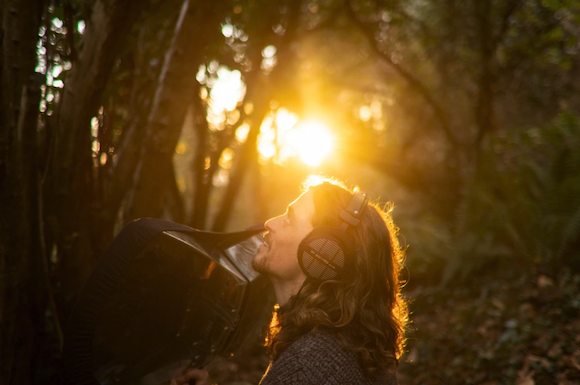
What the experts say: The finding makes sense, notes Elizabeth Margulis, director of Princeton University's Music Cognition Lab, because music activates the motor areas of the brain. Even if we're just sitting still—and not bopping along to the beat—"there can often be this sense of motion," she says. —Emma Gometz, newsletter editor | | Seán Ronayne is a freelance ornithologist in Cork, Ireland. He records birdsong from every regularly occurring bird species in Ireland, of which there are about 200. "This picture shows me recording sounds on a typical day in Marlogue Woods, near Cobh, Ireland," he says. "Ireland's nature is in a bad way, thanks to factors such as clearing land for agriculture, planting non-native conifers and removing hedgerows. My work involves a combination of wooing people with the beauty of natural soundscapes, and saddening and angering them with the fact that these things are disappearing." Nature | 3 min read | | It's wild to think that after investing many millions of dollars and decades of human effort into their success, a space telescope at the end of its mission would be left to burn up in Earth's atmosphere. In a quick search I found only one clear-cut case of a space telescope falling back to Earth: The German telescope ROSAT burned up and crashed into the Bay of Bengal in 2011. Another telescope, NASA's Spitzer infrared telescope, was decommissioned in 2020 and is now trailing Earth's orbit, drifting slowly away from us toward the sun. All space missions must end, but their contribution to scientific discovery lives on. | | —Andrea Gawrylewski, Chief Newsletter Editor
| | | | |
Subscribe to this and all of our newsletters here. | | | | |