Thursday, March 26, 2026

Space & Physics: NASA announces future moon base and nuclear rocket

Top stories in space and physics news                    

March 26—This week's top stories include major announcements from NASA about a giant leap into nuclear rocketry, moon bases and commercial space stations—plus, the science of blockbuster sci-fi romp Project Hail Mary, an antimatter road trip, the universe's chonkiest stars, and much, much more. Enjoy!

Thoughts? Questions? Let me know via e-mail (lbillings@sciam.com), X or Bluesky.

Lee Billings, Senior Editor, Physical Sciences

Top Stories
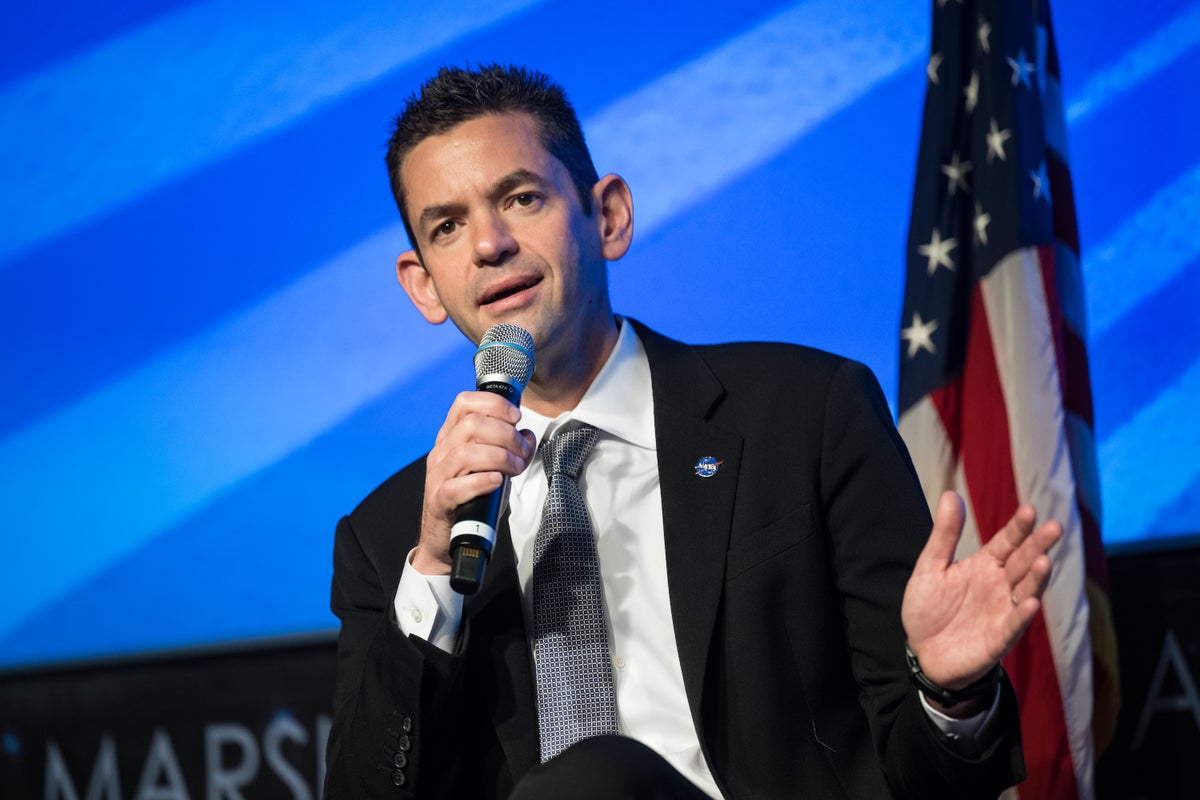
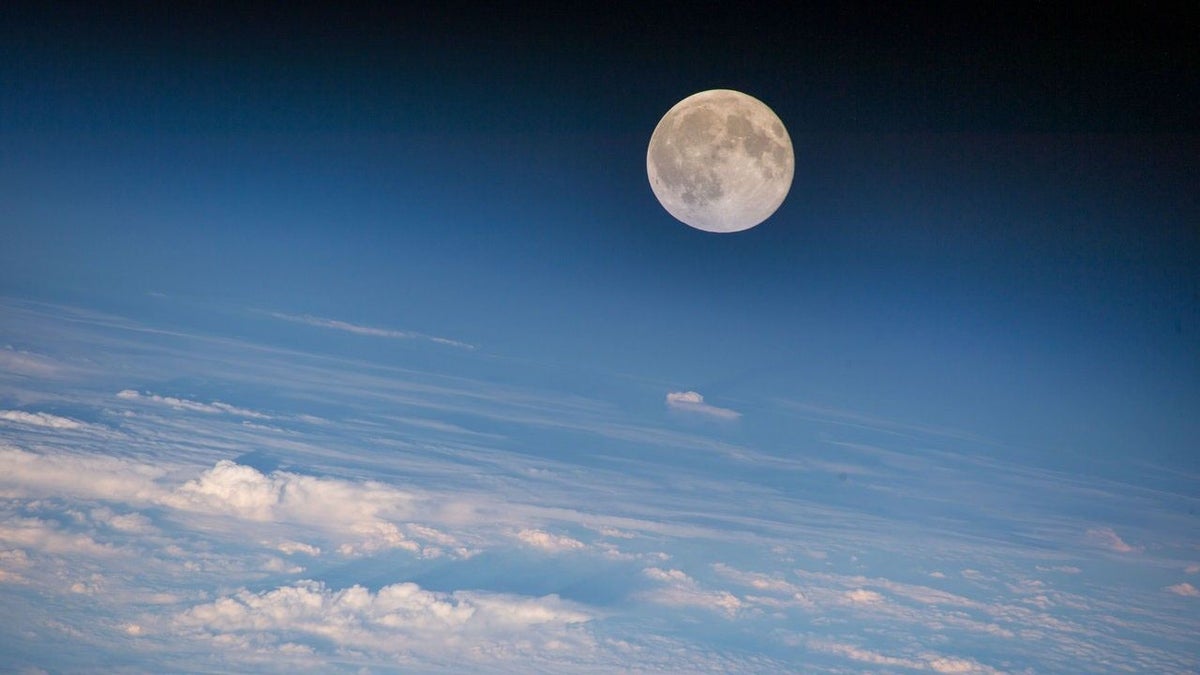
NASA unveils ambitious new moon base plans

NASA chief Jared Isaacman announced a $30-billion plan to speed up its lunar landings and establish a U.S. moon base by 2036

Physicists just took a road trip with a load of antimatter. Here's how it went

Scientists at CERN built a container weighing about a ton to transport just 92 subatomic antimatter particles without annihilating them

Immerse yourself in the universe of science with a subscription to Scientific American.
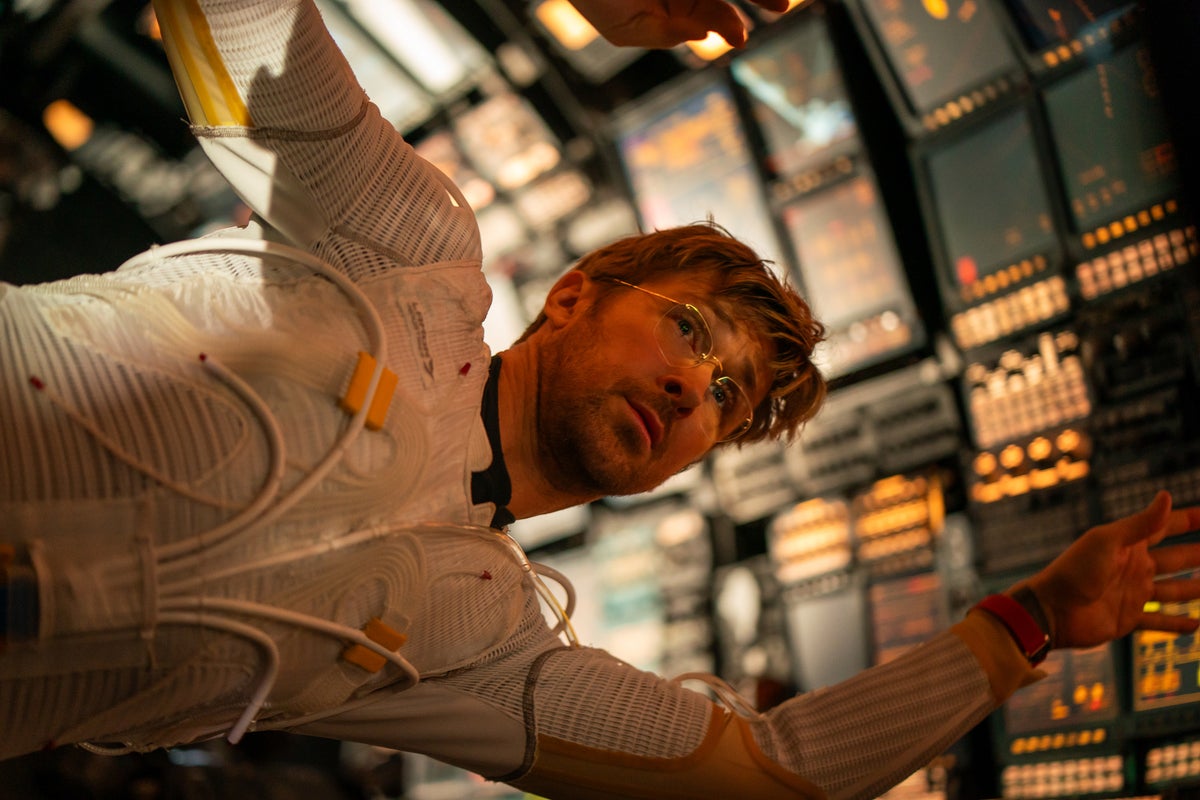
How accurate is the science in Project Hail Mary?

This science-fiction movie plays with quantum physics, space travel, astrobiology and mass-to-energy conversion

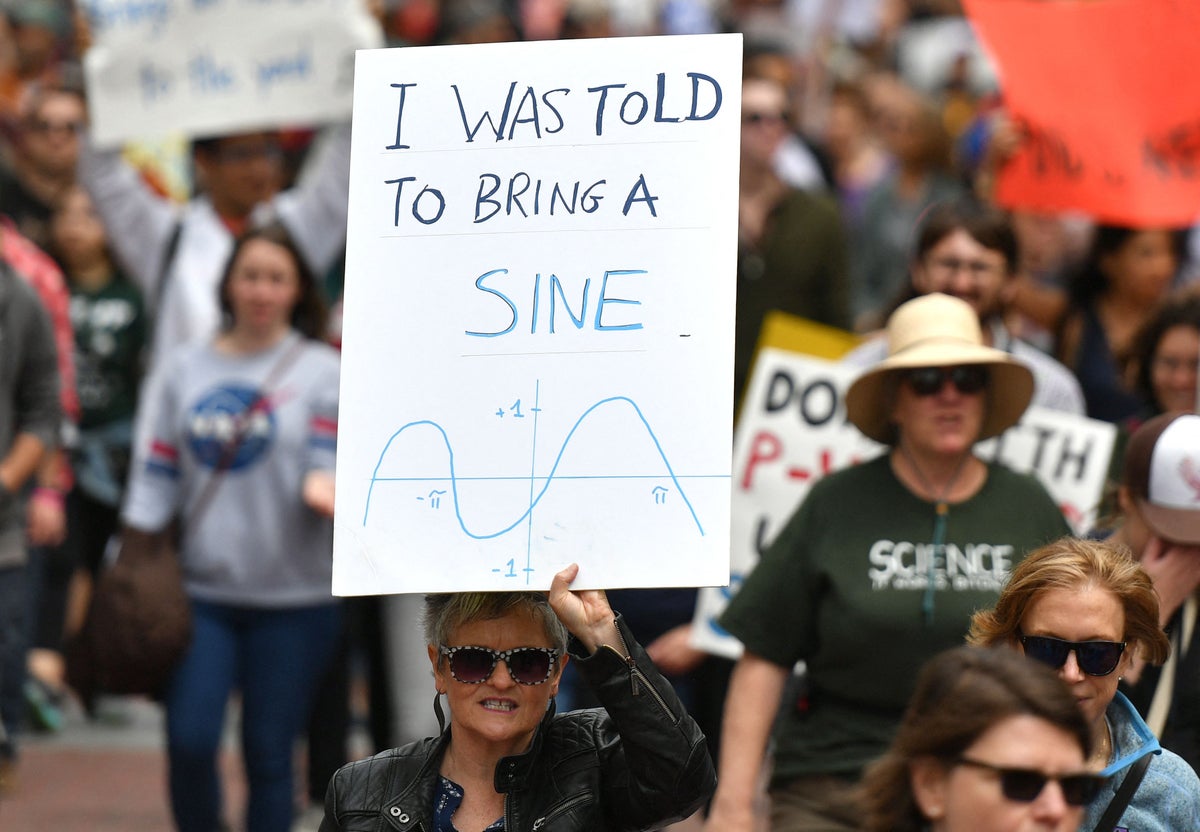
Why mathematicians are boycotting their biggest conference

More than 1,500 mathematicians are demanding that their field's most prestigious meeting be moved from the U.S.

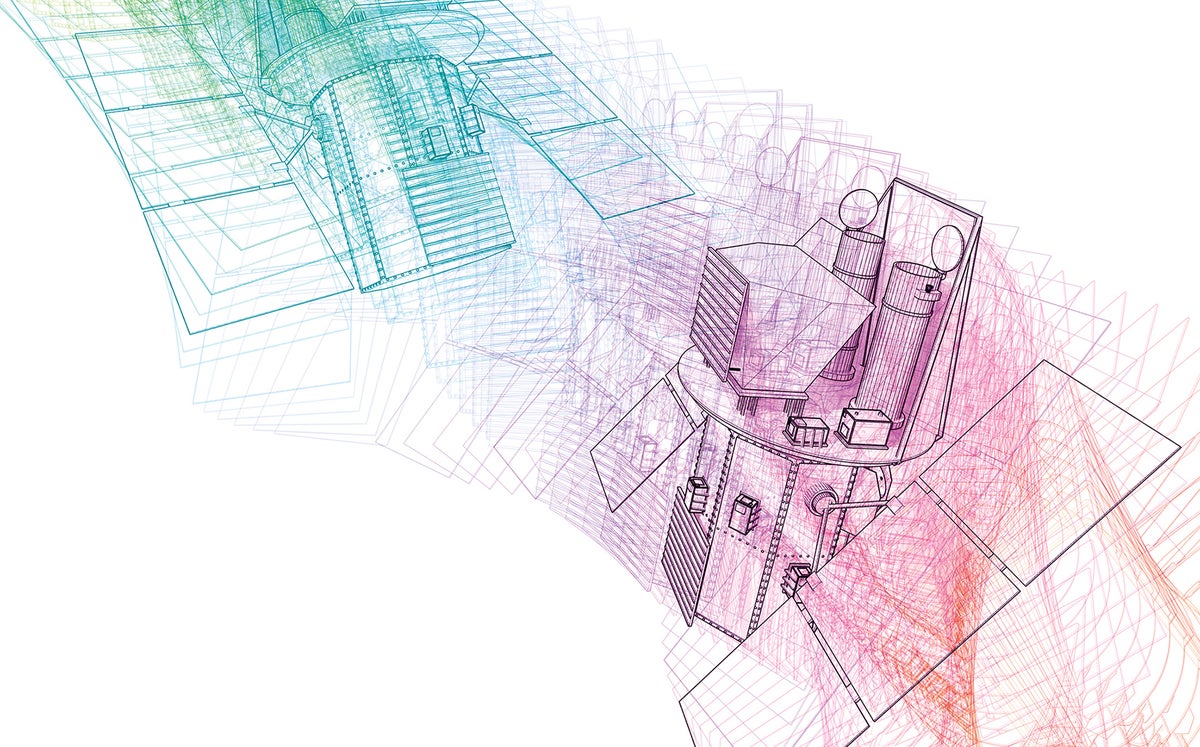
Inside NASA's audacious plan to save a doomed space telescope

NASA's Swift space telescope is doomed to burn up in Earth's atmosphere later this year. A daring mission to boost it to safety could have big implications for science

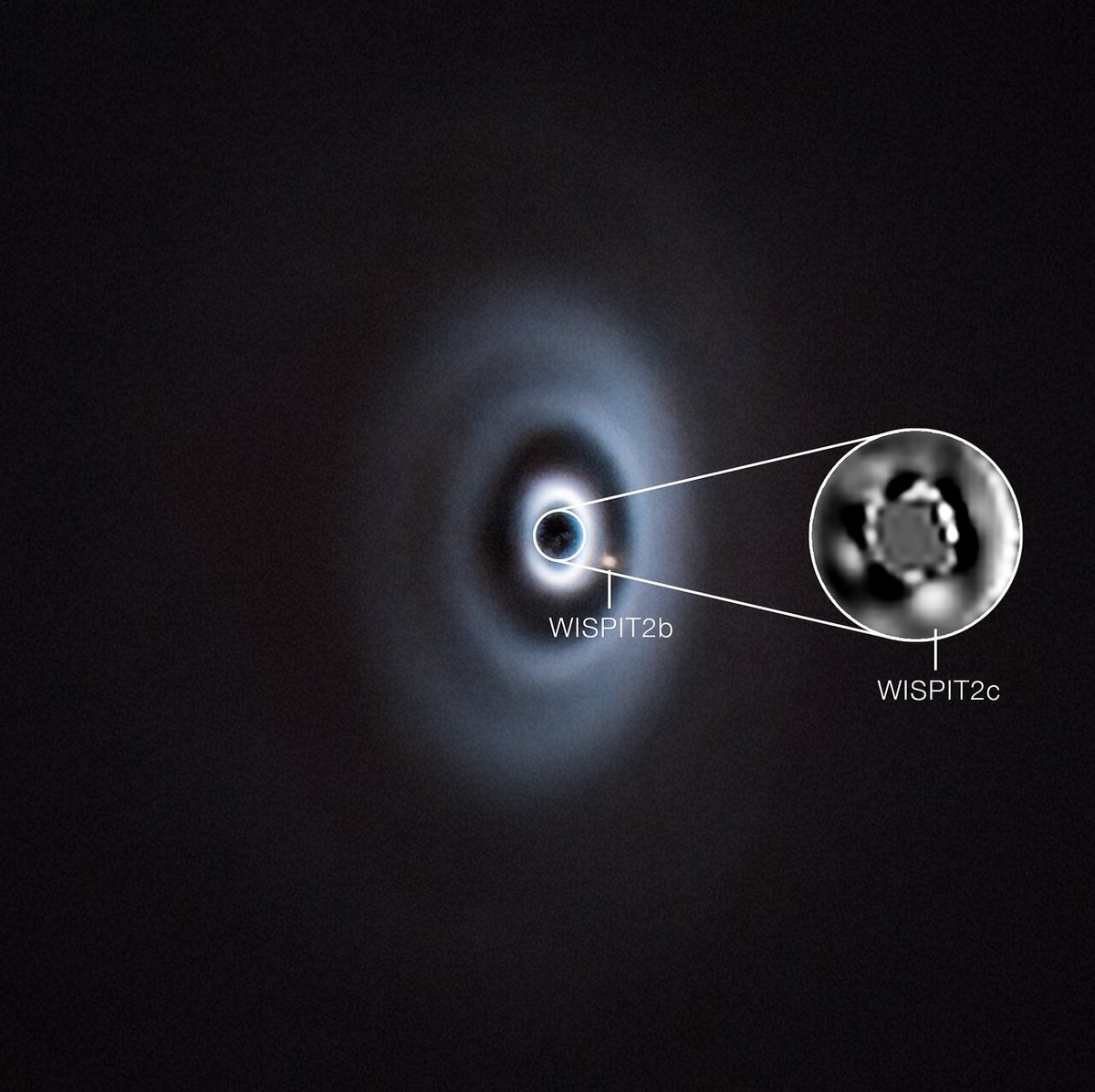
Astronomers witness the birth of a new solar system

The decades since scientists confirmed the first planet around another star have been rich in discovery, but it's rare to see a new solar system as it forms

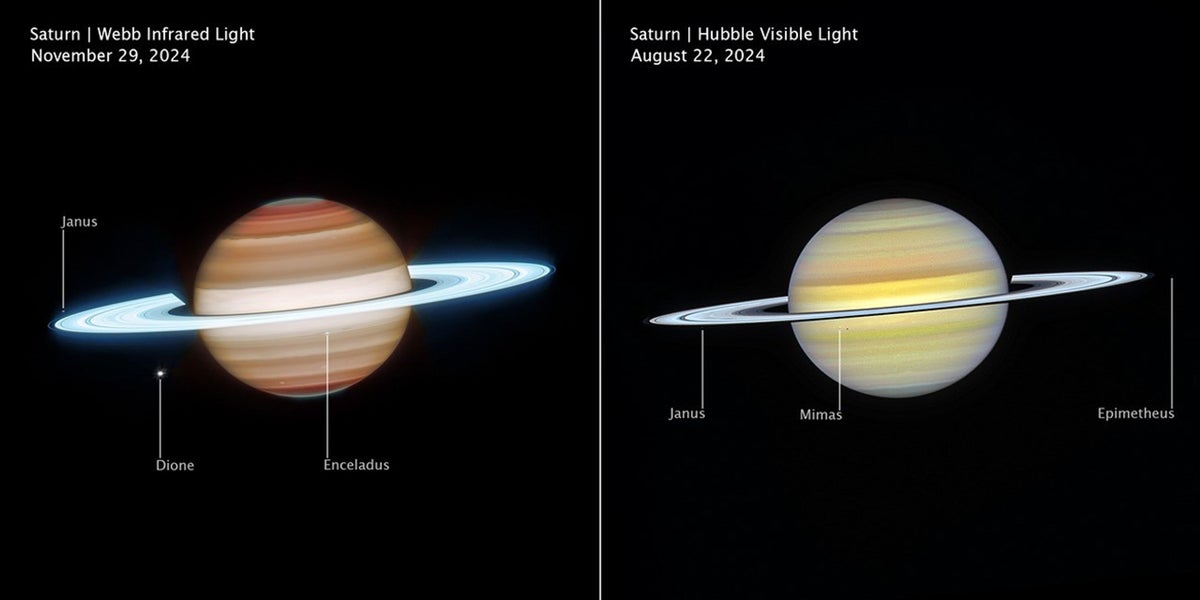
NASA releases stunning new Saturn images—and the gas giant has never looked so good

New images captured by the Hubble and James Webb space telescopes show Saturn in both visible and infrared light

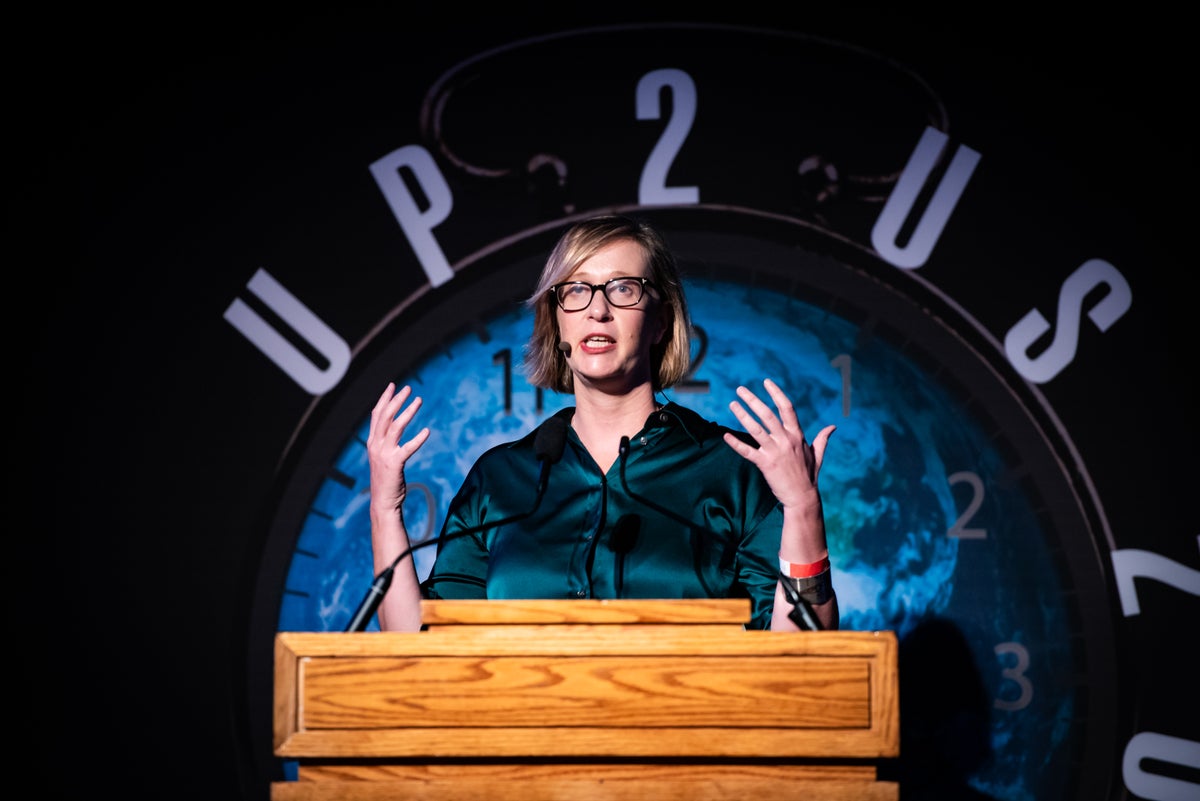
'Science under attack': Top climate scientist Kate Marvel explains why she resigned from NASA

Climate scientist Kate Marvel talked to Scientific American about her decision to leave NASA amid federal government turmoil and funding challenges

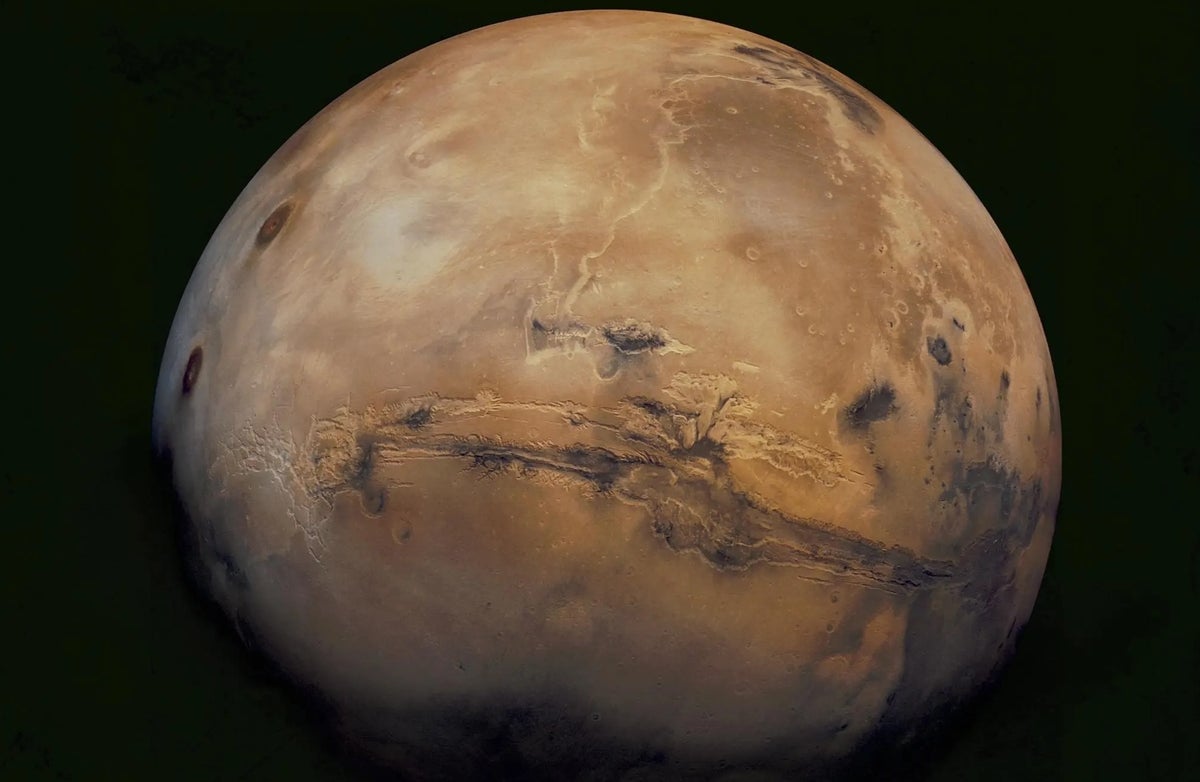
NASA announces nuclear-powered Mars mission by 2028

The U.S. space agency will aim to send a nuclear-powered spacecraft to Mars—a first—in a bid to show that nuclear propulsion can be used to send missions into deep space

Earth's magnetic field may be more powerful than we thought

A major defense against everything space throws at us, Earth's magnetic field may even protect the moon from damaging galactic cosmic rays

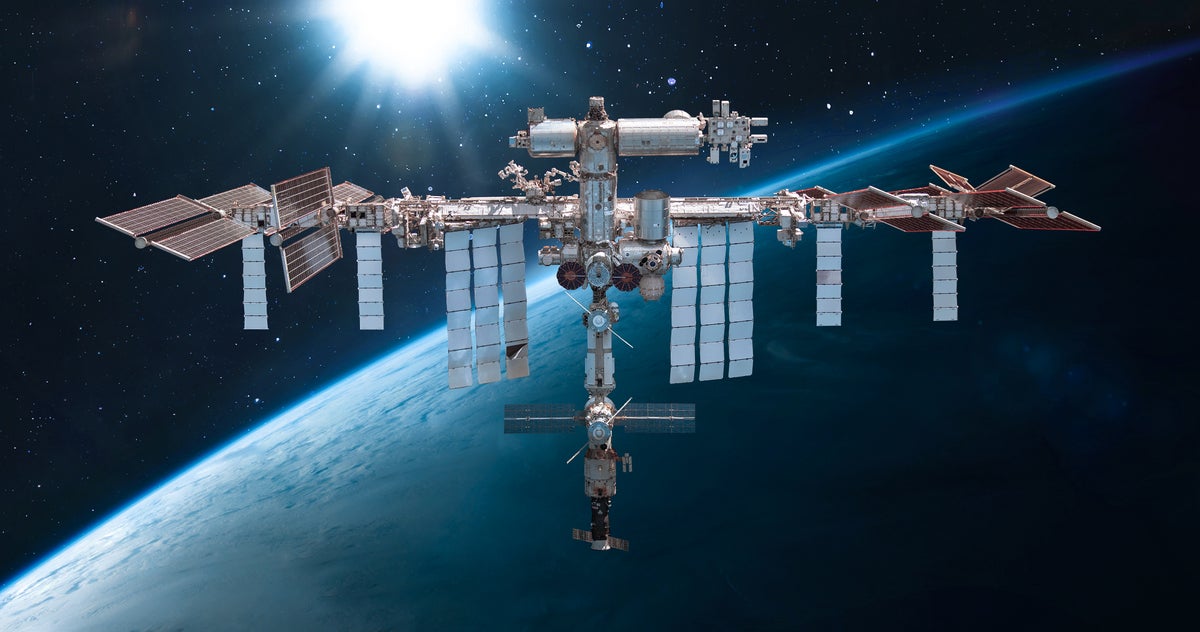
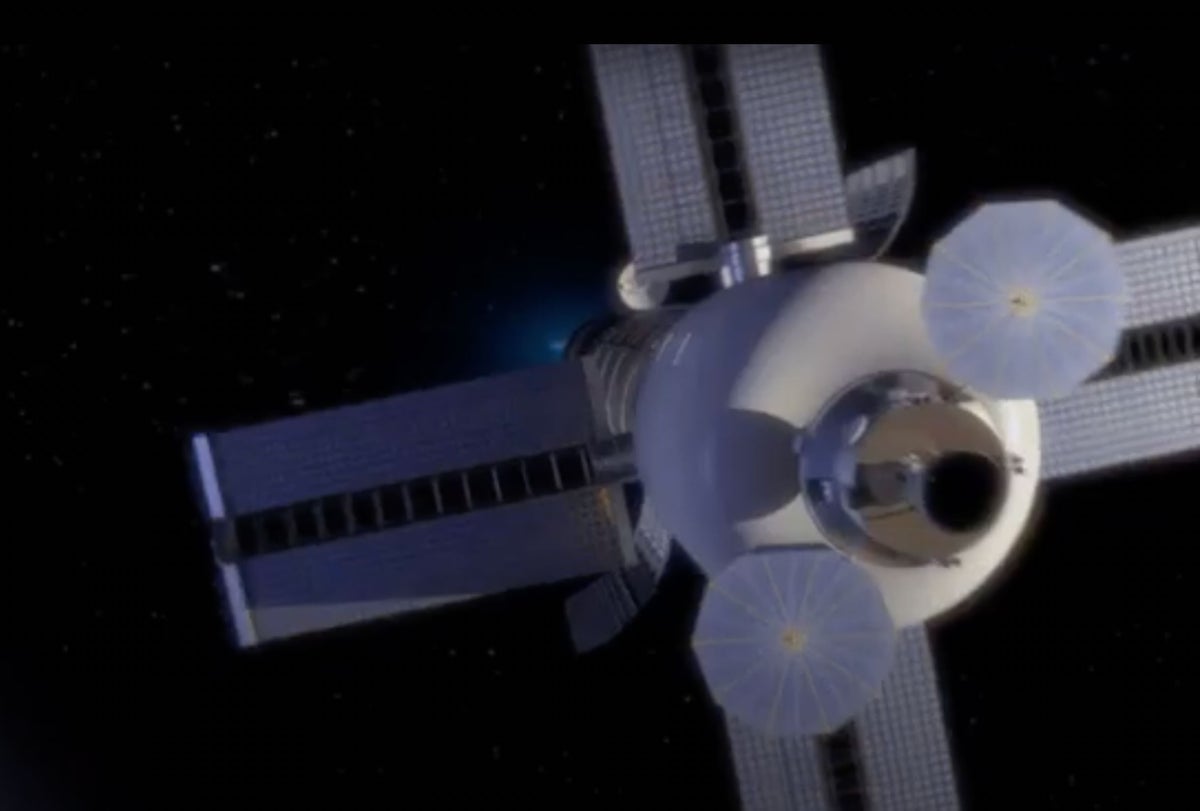
NASA pushes space industry to use the ISS as a test ground for future stations

Faced with the imminent retirement of the International Space Station, NASA is pushing to speed up work on its potential replacements

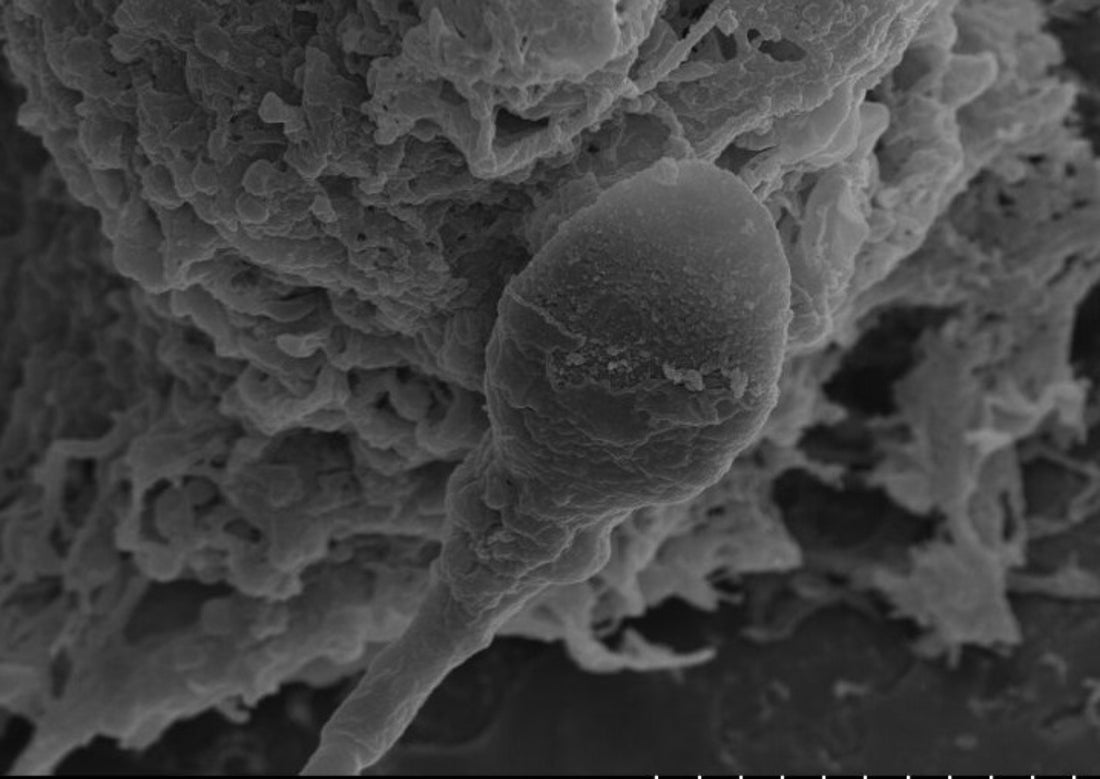
Human sperm get lost in space, pioneering study finds

Researchers put human sperm inside a uterus-like simulation under zero gravity conditions. It did not go well

What We're Reading
  • How working out like an astronaut can reduce back pain and slow ageing | New Scientist
  • A Meteor Exploded Over Ohio. Then the Chase Began. | The New York Times
  • A mission NASA might kill is still returning fascinating science from Jupiter | Ars Technica

From the Archive
NASA's 'Nuclear Option' May Be Crucial for Getting Humans to Mars

After decades of false starts, a new push for nuclear-powered rocketry could make or break the space agency's plans to send astronauts to the Red Planet

Scientist Pankaj

Space & Physics: NASA announces future moon base and nuclear rocket

Top stories in space and physics news                     View in web browser ...