New studies suggest we need to pay attention to the thymus ͏ ͏ ͏ ͏ ͏ ͏ ͏ ͏ ͏ ͏ ͏ ͏ ͏ ͏ ͏ ͏ ͏ ͏ ͏ ͏ ͏ ͏ ͏ ͏ ͏ ͏ ͏ ͏ ͏ ͏ ͏ ͏ ͏ ͏ ͏ ͏ ͏ ͏ ͏ ͏ ͏ ͏ ͏ ͏ ͏ ͏ ͏ ͏ ͏ ͏ ͏ ͏ ͏ ͏ ͏ ͏ ͏ ͏ ͏ ͏ ͏ ͏ ͏ ͏ ͏ ͏ ͏ ͏ ͏ ͏ ͏ ͏ ͏ ͏ ͏ ͏ ͏ ͏ ͏ ͏ ͏ ͏ ͏ ͏ ͏ ͏ ͏ ͏ ͏ ͏ ͏ ͏ ͏ ͏ ͏ ͏ ͏ ͏ ͏ ͏ ͏ ͏ ͏ ͏ ͏ ͏ ͏ ͏ ͏ ͏ ͏ ͏ ͏ ͏ ͏ ͏ ͏ ͏ ͏ ͏ ͏ ͏ ͏ ͏ ͏ ͏ ͏ ͏ ͏ ͏ ͏ ͏ ͏ ͏ ͏ ͏ ͏ ͏ ͏ ͏ ͏ ͏ ͏ ͏ ͏ ͏ ͏ ͏ ͏ ͏
March 19, 2026—Today, an enormous spinning chain of galaxies, underreported COVID deaths, and an understudied organ central to longevity. —Andrea Gawrylewski, Chief Newsletter Editor | | An illustration of the thymus. janulla/Getty Images | | Explore the universe with a subscription to Scientific American. Check out our great March deal! | | | | |
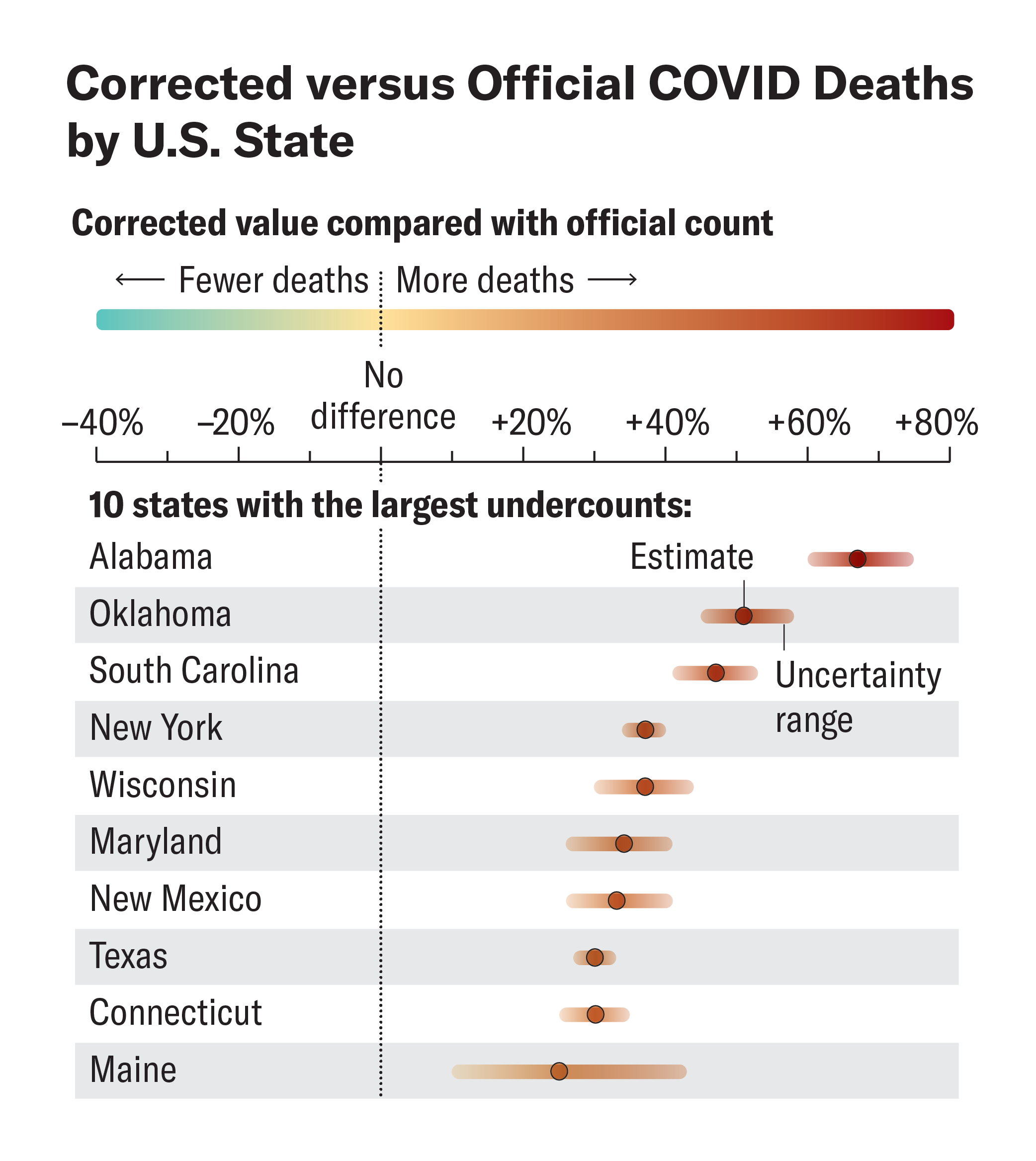
| Undercounted COVID Deaths | Health researchers analyzed some 5.7 million official records published by the CDC for deaths occurring from the first 18 months of the COVID pandemic for adults ages 25 and older. They trained a machine-learning algorithm to recognize hospital deaths in which COVID was formally identified as an underlying cause. Then they used the algorithm to flag potential unrecognized COVID deaths by identifying records that looked like hospitalized COVID deaths but occurred in settings where testing was less likely. The process identified 150,000 to 160,000 cases of potentially unreported deaths from COVID.
Why this matters: Patterns emerged among the un-counted COVID deaths uncovered by the researchers. They were most likely to have occurred among Hispanic people, at home, among less educated people, and among people with lower incomes. When analyzed by state, Alabama, Oklahoma and South Carolina had the highest ratios of such deaths.
What the experts say: During the pandemic, "systems in our society, including barriers to accessing health care, kept desperately ill Americans from recognizing the need for care and getting to the hospital," says Steven Woolf, a physician and social epidemiologist at Virginia Commonwealth University, who was not involved in the new research. He worries not only that those barriers remain but also that cuts to Medicaid and increasing health insurance premiums may be exacerbating them. To see the full data set from the study, click through to read the article.
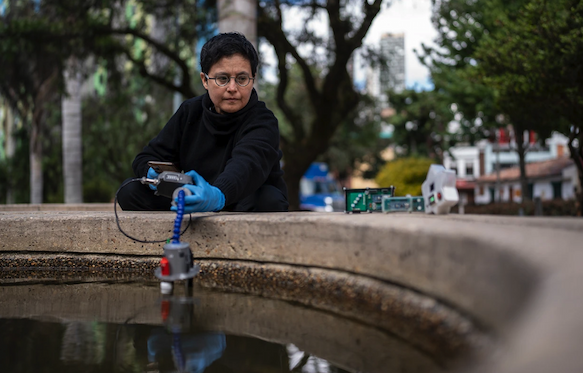
| | Using data from the MeerKAT radio telescope in South Africa, astronomers found 14 hydrogen-rich galaxies arranged in a thin, 5.5-million-light-year-long structure about 400 million light-years from Earth. That structure was embedded within a larger string of galaxies, called a filament, which itself is some 50 million light-years long and contains more than 280 galaxies. The researchers were surprised to observe that the entire filament, including all of its galaxies, appeared to be spinning at a speed of about 110 kilometers per second. It's one of the largest rotating structures ever found in space.How it works: Galaxies do not dot the universe randomly or uniformly. Rather, they are strung together in space, along with dark matter, in structures called filaments. Interspersed among these filaments are vast empty spaces called voids and other clusters of hundreds of thousands of galaxies. These filaments are the main channels through which matter flows, feeding galaxies and clusters as structures expand.What the experts say: Studying the rotation of filaments could reveal how much dark matter is in them, says astronomer Noam Libeskind of the Leibniz Institute for Astrophysics Potsdam in Germany, who was not involved in the study. As we wrote earlier this week, most astronomers agree that dark matter is what holds galaxies together, so studying large filaments of galaxies is like measuring a large portion of dark matter in the universe. | | Electrical engineer Alba Graciela Ávila Bernal manages an open science project that makes custom-designed probes to measure water quality across Colombia. "We recently heard that the U.S. government will increase export taxes on electronic components, which will affect humanitarian technologies including ours," she says. "This worries some students on the project, but I tell them that history shows us that creativity comes from challenges. We must innovate to ensure that this technology continues to be tailored to our communities and is affordable and sustainable." Nature | 3 min read
Courtesy of Nature Briefing. | | In 2018, contributing editor Melinda Wenner Moyer wrote a compelling feature on rising rates of infectious disease in the U.S. (hepatitis A, legionnaires, sexually transmitted infections, to name a few). The main finding of her reporting, was that the driving force behind surging diseases in this country is a social one: more people living in crowded conditions, with limited health care, who must work when sick, have poor nutrition, experience debilitating stress, and are more likely than others to abuse drugs and alcohol. All these factors set a grim stage for the COVID-19 pandemic. And all have worsened since the pandemic. Public health is as much about social equality as it is about policies and medicine. | | —Andrea Gawrylewski, Chief Newsletter Editor
| | | | |
Subscribe to this and all of our newsletters here. | | | | |