There's hope for treating pain beyond taking a pill ͏ ͏ ͏ ͏ ͏ ͏ ͏ ͏ ͏ ͏ ͏ ͏ ͏ ͏ ͏ ͏ ͏ ͏ ͏ ͏ ͏ ͏ ͏ ͏ ͏ ͏ ͏ ͏ ͏ ͏ ͏ ͏ ͏ ͏ ͏ ͏ ͏ ͏ ͏ ͏ ͏ ͏ ͏ ͏ ͏ ͏ ͏ ͏ ͏ ͏ ͏ ͏ ͏ ͏ ͏ ͏ ͏ ͏ ͏ ͏ ͏ ͏ ͏ ͏ ͏ ͏ ͏ ͏ ͏ ͏ ͏ ͏ ͏ ͏ ͏ ͏ ͏ ͏ ͏ ͏ ͏ ͏ ͏ ͏ ͏ ͏ ͏ ͏ ͏ ͏ ͏ ͏ ͏ ͏ ͏ ͏ ͏ ͏ ͏ ͏ ͏ ͏ ͏ ͏ ͏ ͏ ͏ ͏ ͏ ͏ ͏ ͏ ͏ ͏ ͏ ͏ ͏ ͏ ͏ ͏ ͏ ͏ ͏ ͏ ͏ ͏ ͏ ͏ ͏ ͏ ͏ ͏ ͏ ͏ ͏ ͏ ͏ ͏ ͏ ͏ ͏ ͏ ͏ ͏ ͏ ͏ ͏ ͏ ͏ ͏
March 27, 2026—Pain arises in the brain and can be treated with more than meds. Plus, a grim milestone for Arctic sea ice and the power of mRNA vaccines. —Andrea Gawrylewski
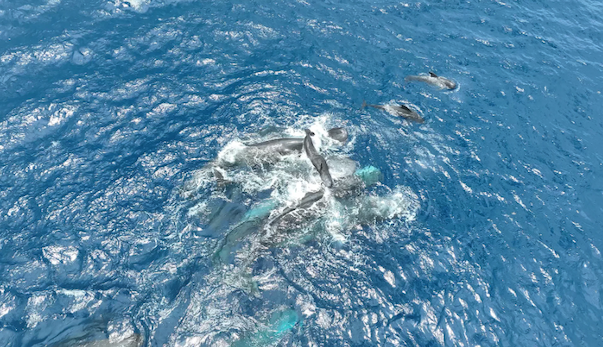
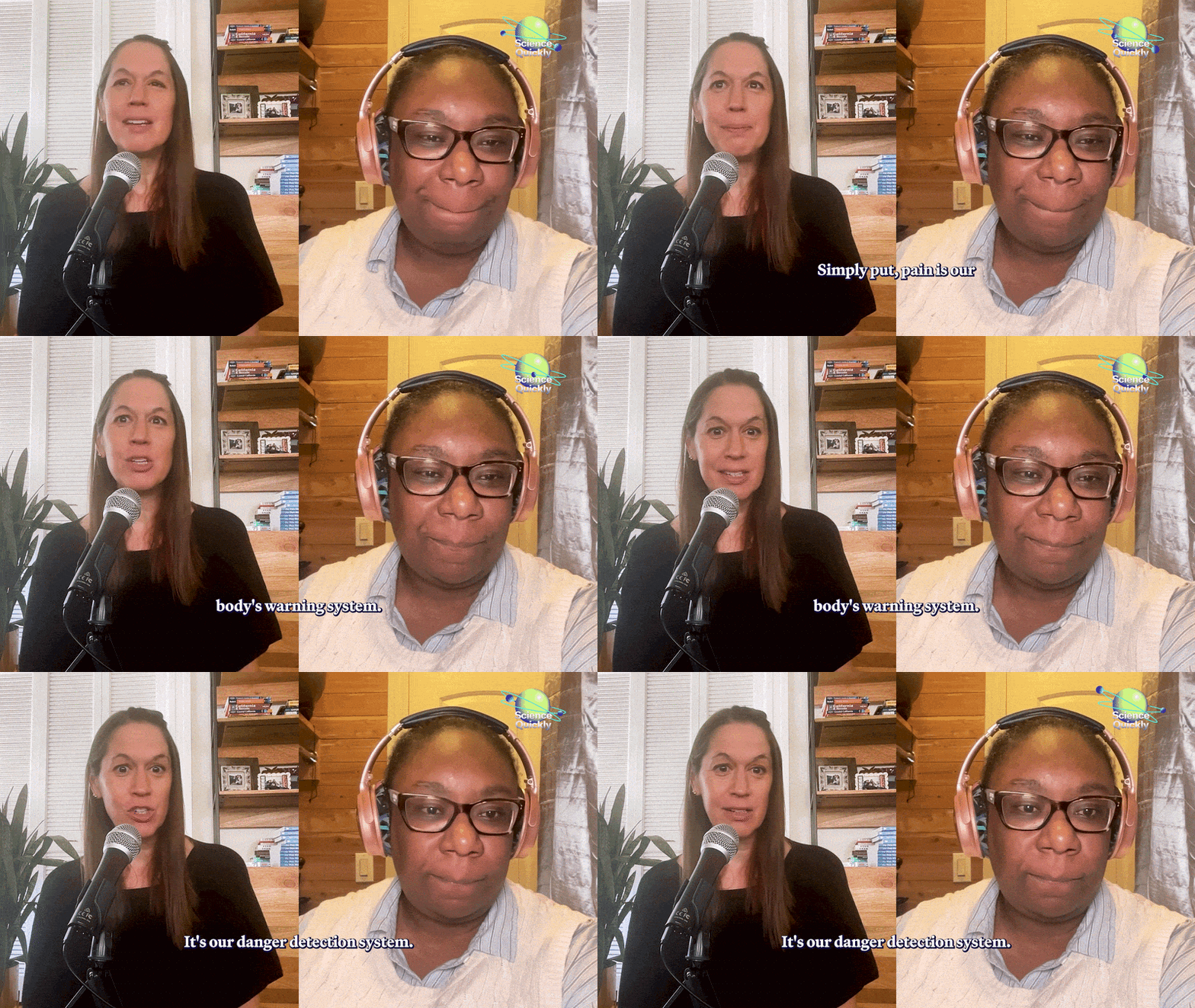
Chief Newsletter Editor | | Female sperm whales hold a newborn sperm whale calf above the water. © Project CETI | | Kendra Pierre-Louis, Fonda Mwangi, Alex Sugiura & Naeem Amarsy | | If you ask someone how they would define pain, many will probably say that pain alerts us of an injury or problem somewhere in our body. That is, something is physically wrong with us. But pain is something constructed by the brain, which combines input from the body and also the environment. And pain is a combination of three different elements, says Rachel Zoffness, a pain scientist and an assistant clinical professor at the University of California, San Francisco. In her new book, Tell Me Where It Hurts, Zoffness defines pain as biopsychosocial—there's a biological element, a psychological element, and a social element. Bio: Physiological phenomena like genetics, tissue damage and system dysfunction can all prompt pain. Plus, research finds that nutrition, exercise and sleep all impact how much pain a person experiences.
Psych: Negative emotions amplify pain volume, Zoffness says, while positive emotions turn it down. Humans also employ coping behaviors to deal with pain: Isolating at home and in bed with little movement can amplify pain volume.
Social: The social factors that affect pain are related to socioeconomic status, which in turn dictates access to health care and quality of life.
Why this matters: Roughly a quarter of U.S. adults experience chronic pain, according to the CDC. And the U.S., though it represents 5 percent of the world's population, uses around 80 perfect of the world's opioids. "I think the biggest problem we have in Western medicine is that we sell people—and I do use the word 'sell' on purpose—this big lie that pain is a purely biomedical problem, something to do just with anatomy and physiology, that requires a purely biomedical solution, which usually comes in the form of pills and procedures," Zoffness says. "I am not anti-medication or anti-surgery; those can be lifesaving. But they're just not the full picture. There's actually a lot of hope for treating pain; there's many, many things we can do. But as long as our culture persists with this myth, what are we, as patients, supposed to do?" | | | | |
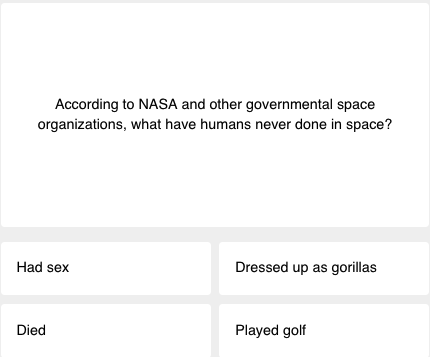
Test your scientific knowledge with today's science quiz (hint: The answers to these questions are usually found in this week's articles in Scientific American). Also, check out today's Spellements puzzle. If you spot any missing science terms from the puzzle, email them to games@sciam.com. Game on! | | MOST POPULAR STORIES OF THE WEEK | | - Why mathematicians are boycotting their biggest conference | 4 min read
- Everything about this week's record-shattering western heat wave is extreme | 3 min read
- Why Iran is targeting Qatar's liquid natural gas trains | 3 min read
- Mathematicians can't agree on whether 0.999... equals 1 | 4 min read
| | It's fascinating that chronic pain can activate parts of the brain more responsible for emotions than physical sensations. As much as pain is a warning sign of physical danger, it turns on our fear response just as strongly. One clinical trial showed that "pain reprocessing therapy," where participants worked with clinicians to unlearn that their pain was urgent or threatening, showed remarkable improvement in back pain levels one year out. Fear has strong physical effects on us. But the good news is, we can learn to control it. | | I hope you feel safe and comfortable this weekend. As always, I welcome your thoughts, questions or feedback on this newsletter. Email them to: newsletters@sciam.com. —Andrea Gawrylewski, Chief Newsletter Editor
| | | | |
Subscribe to this and all of our newsletters here. | | | | |