Cognition and walking speed can actually improve with age ͏ ͏ ͏ ͏ ͏ ͏ ͏ ͏ ͏ ͏ ͏ ͏ ͏ ͏ ͏ ͏ ͏ ͏ ͏ ͏ ͏ ͏ ͏ ͏ ͏ ͏ ͏ ͏ ͏ ͏ ͏ ͏ ͏ ͏ ͏ ͏ ͏ ͏ ͏ ͏ ͏ ͏ ͏ ͏ ͏ ͏ ͏ ͏ ͏ ͏ ͏ ͏ ͏ ͏ ͏ ͏ ͏ ͏ ͏ ͏ ͏ ͏ ͏ ͏ ͏ ͏ ͏ ͏ ͏ ͏ ͏ ͏ ͏ ͏ ͏ ͏ ͏ ͏ ͏ ͏ ͏ ͏ ͏ ͏ ͏ ͏ ͏ ͏ ͏ ͏ ͏ ͏ ͏ ͏ ͏ ͏ ͏ ͏ ͏ ͏ ͏ ͏ ͏ ͏ ͏ ͏ ͏ ͏ ͏ ͏ ͏ ͏ ͏ ͏ ͏ ͏ ͏ ͏ ͏ ͏ ͏ ͏ ͏ ͏ ͏ ͏ ͏ ͏ ͏ ͏ ͏ ͏ ͏ ͏ ͏ ͏ ͏ ͏ ͏ ͏ ͏ ͏ ͏ ͏ ͏ ͏ ͏ ͏ ͏ ͏
March 5, 2026—A new way to prove a solution in cryptography, GLP-1 meds may curb addiction, and a digital 3D library of ants. —Andrea Gawrylewski, Chief Newsletter Editor | | Xavier Bonghi via Getty Images | | Explore the universe with a subscription to Scientific American. Check out our great March deal! | | | | |
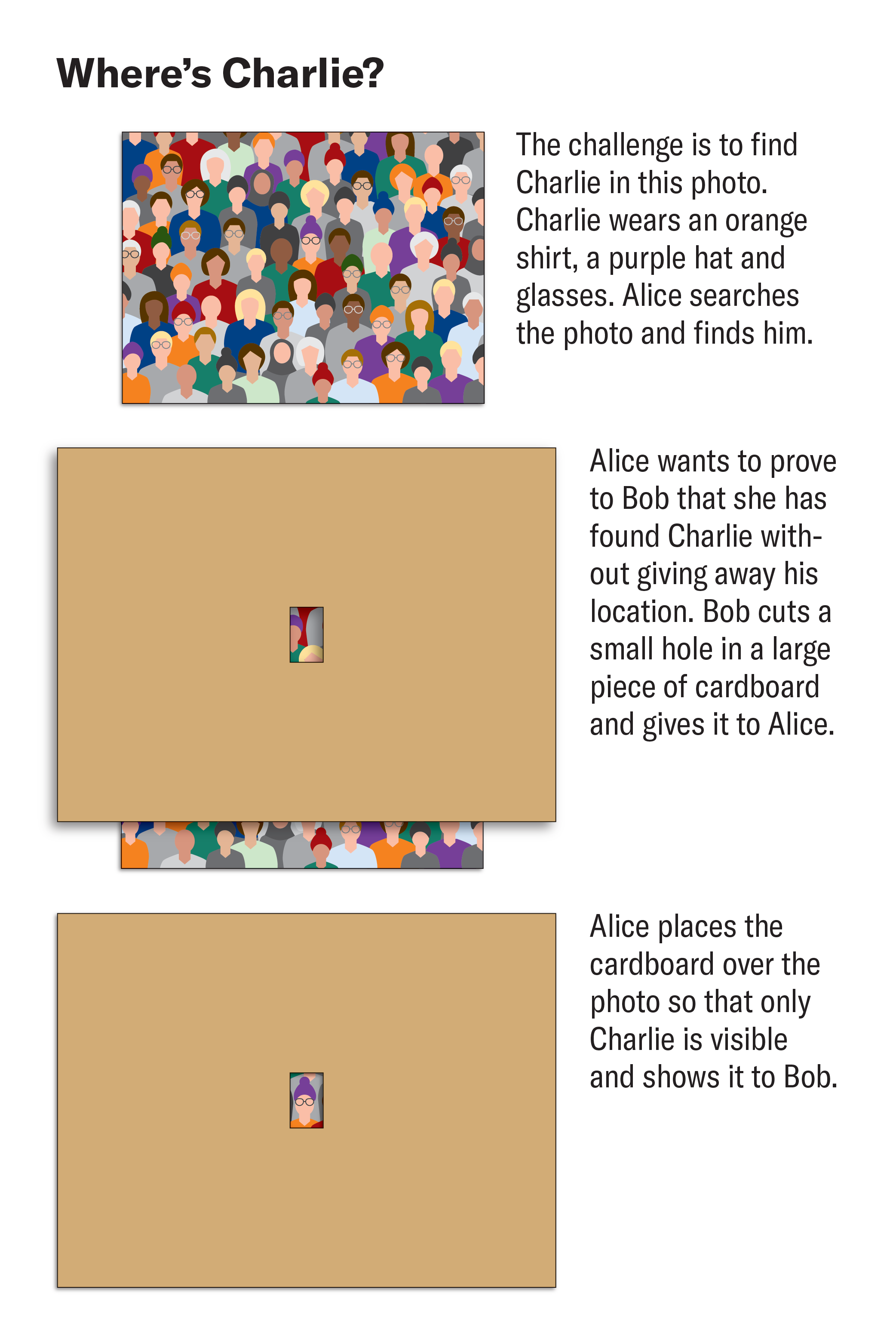
In cryptography, it is sometimes necessary to prove that a code has been solved without revealing the solution. To do this, cryptographers use so-called zero-knowledge proofs. But traditional versions of these proofs often require back-and-forth interaction between parties and, in some cases, a prover might be able to convince someone of a false claim. Rahul Ilango, a computer scientist at the Institute for Advanced Study in Princeton, N.J., devised a new cryptographic concept called an "effectively zero-knowledge proof" that gets around some of these limitations.
To understand how someone can prove they've solved a puzzle without giving away the solution, consider this simplified scenario: | | How it works: Typical zero-knowledge proofs require a demonstration of how to build what's called a simulator, which can re-create the steps of the proof without actually knowing the secret solution. In Ilango's new method, instead of explicitly constructing a simulator, he showed it can be enough to prove that mathematics cannot rule out the existence of such a simulator. Drawing on ideas related to mathematician Kurt Gödel's incompleteness theorem, he designed a proof system where standard axioms of mathematics cannot demonstrate that a simulator doesn't exist, meaning the protocol effectively preserves secrecy.
Future applications: This reframing could open new possibilities for designing cryptographic protocols that were previously impossible, experts say. If the approach holds up, effectively zero-knowledge proofs could enable more flexible privacy-preserving systems in banking, web security and building blockchains.
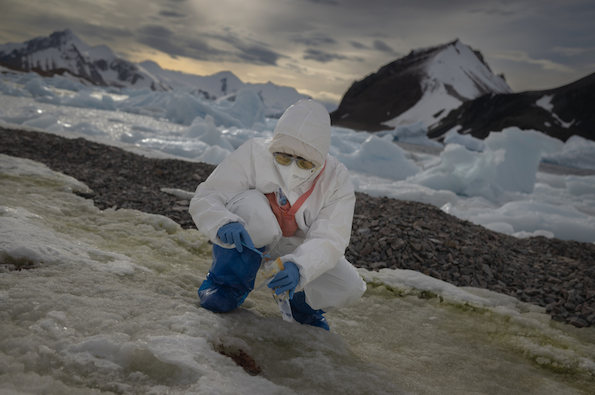
| | Sebnem Coskun/Anadolu via Getty Images | | Analytical chemist Buse Tuğba Zaman says she "loved every minute" of a research trip to Antarctica to study contaminants such as heavy metals, pesticides and microplastics in wildlife. It took ten days of travel from her university in Turkey to fulfill her lifelong dream of visiting the continent, where she collected fecal samples from Adélie penguins (Pygoscelis adeliae) on Horseshoe Island. "There are no words to describe the silence and beauty of this place," says Zaman. Nature | 3 min read
Content courtesy of Nature Briefing. | | It's encouraging to read that someone's attitude surrounding aging can have an affect on how well they age. That means we can take concrete actions to improve our aging experiences! Lots of previous research has found that our thoughts can impact our health—from quicker wound healing to improved vision and memory. The mind-body connection is not new-age fluff—there's hard science to back it up. | | Send your comments, questions or feedback to newsletters@sciam.com. I'll be out on a much needed vacation starting tomorrow through next week, but you'll be in good hands with my colleagues on the SciAm newsletter team! Best wishes. —Andrea Gawrylewski, Chief Newsletter Editor
| | | | |
Subscribe to this and all of our newsletters here. | | | | |