Plus, a stunning look at the Cat's Eye Nebula ͏ ͏ ͏ ͏ ͏ ͏ ͏ ͏ ͏ ͏ ͏ ͏ ͏ ͏ ͏ ͏ ͏ ͏ ͏ ͏ ͏ ͏ ͏ ͏ ͏ ͏ ͏ ͏ ͏ ͏ ͏ ͏ ͏ ͏ ͏ ͏ ͏ ͏ ͏ ͏ ͏ ͏ ͏ ͏ ͏ ͏ ͏ ͏ ͏ ͏ ͏ ͏ ͏ ͏ ͏ ͏ ͏ ͏ ͏ ͏ ͏ ͏ ͏ ͏ ͏ ͏ ͏ ͏ ͏ ͏ ͏ ͏ ͏ ͏ ͏ ͏ ͏ ͏ ͏ ͏ ͏ ͏ ͏ ͏ ͏ ͏ ͏ ͏ ͏ ͏ ͏ ͏ ͏ ͏ ͏ ͏ ͏ ͏ ͏ ͏ ͏ ͏ ͏ ͏ ͏ ͏ ͏ ͏ ͏ ͏ ͏ ͏ ͏ ͏ ͏ ͏ ͏ ͏ ͏ ͏ ͏ ͏ ͏ ͏ ͏ ͏ ͏ ͏ ͏ ͏ ͏ ͏ ͏ ͏ ͏ ͏ ͏ ͏ ͏ ͏ ͏ ͏ ͏ ͏ ͏ ͏ ͏ ͏ ͏ ͏
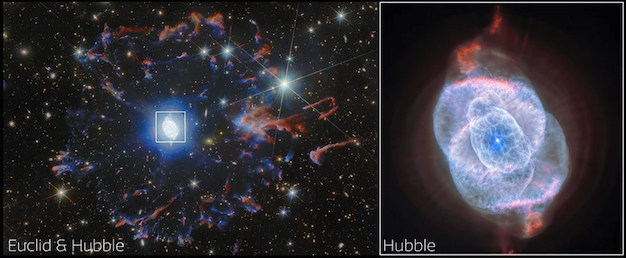
March 4, 2026—The backward thinking of selling off public lands, a mating frenzy among endangered parrots and a fossil of the oldest "butthole" on Earth. Sometimes you gotta laugh. —Andrea Gawrylewski, Chief Newsletter Editor | | The Cat's Eye Nebula. ESA/Hubble/NASA/ESA Euclid/Euclid Consortium/NASA/Q1-2025/J.-C. Cuillandre/E. Bertin/CEA Paris-Saclay/Z. Tsvetanov | | - The space-based Hubble and Euclid telescopes combined forces to capture the vibrant remains of a dying star called the Cat's Eye Nebula in stunning new detail. | 1 min read
- Electric vehicles using a sodium-ion battery, an emerging technology, could experience less power loss in below-freezing temperatures. | 4 min read
- The biggest berry bloom in New Zealand's forests in decades has set off a mating frenzy among the critically endangered Kākāpō, the world's beefiest parrot. | 3 min read
- Preliminary studies in mice show that fecal transplants from old mice boost fertility in younger ones. | 2 min read
- The wild story of the BBC tech journalist who achieved hot dog eating glory—by hacking AI. | 20 min listen
- A new fossil discovery shows exceptionally rare evidence of a cloacal vent—the slit that most vertebrates use to excrete, have sex and lay eggs. It may be the oldest "butthole" imprint on Earth. | 2 min read
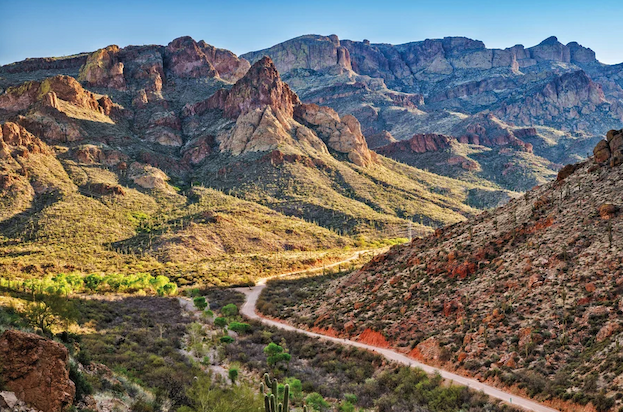
| | Two thirds of Arizona's Tonto National Forest—some two million acres—would have been made eligible for sale under a now defunct provision in the Trump administration's One Big Beautiful Bill. Witold Skrypczak/Alamy | | | The True Value of Public Lands | Last June, Senator Mike Lee of Utah proposed adding a provision into President Donald Trump's "One Big Beautiful Bill" to auction off 250 million acres of public lands across the Western U.S. states. Ultimately the provision was stripped from the bill, but an analysis by the Center for American Progress published in September shows that the Trump administration is pursuing actions that could eliminate or weaken protections from more than 175 million acres of U.S. lands. In nearly every case, the purpose is to open public land to development or for resource extraction (timber, coal, oil, minerals). The rationale: Proponents of the provision framed it as a solution to America's housing and affordability crisis. Environmental scientist Kyle Manley at the University of Colorado Boulder synthesized reams of data to evaluate the implications of selling off public lands. He found: - Accessibility: Just 3.5 percent of the targeted lands are within an hour's drive of a city; more than two thirds are three to six hours or more than six hours' drive from an urban center.
- Fire risk: More than 52 percent of earmarked lands fell into high or very high fire-risk categories. Of lands that were in low fire-risk areas, only 0.3 percent of the acreage was a short commute (less than 30 minutes), and 81 percent of that was in Alaska, where there is no shortage of land for development.
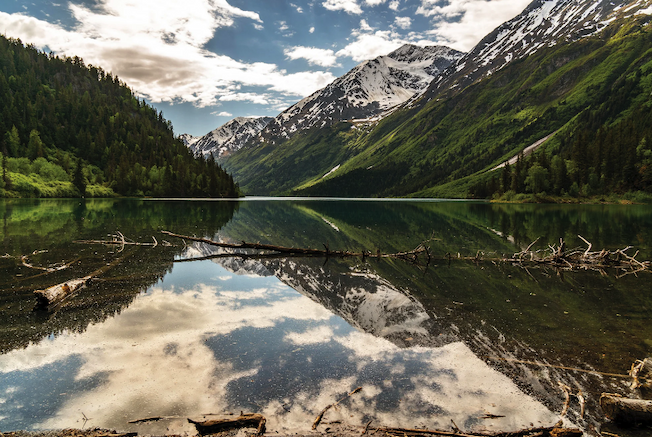
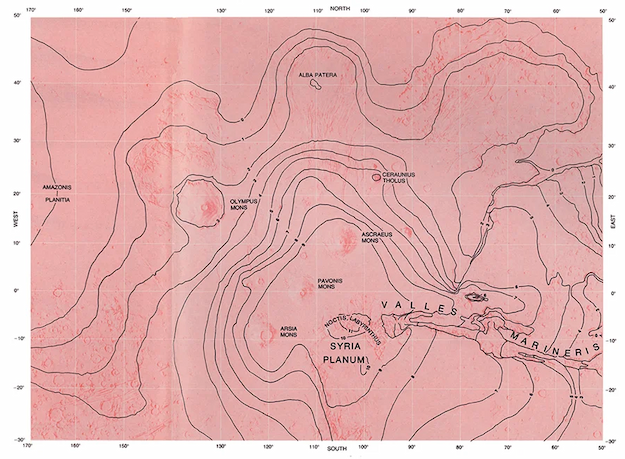
The loss: Natural places are important for recreation and enjoyment, yes. But they also provide services for us that we can quantify in dollar amounts. For instance, wild lands support pollinator species that undergird agriculture; and the environment filters pollutants like particulate matter, carbon monoxide and ozone out of our atmosphere, providing clean air to billions worldwide. Manley calculated that so-called ecosystem services like these provided by lands outlined in the failed provision generate roughly $507.4 billion (with a b) in benefits to the public every year. He ran the numbers on many different benefits wild lands give us from natural water treatment to erosion prevention, to inspiration for art and culture. I recommend that you peruse the full assessment here. | | Nearly 83 percent of Alaska's Chugach National Forest, including Ptarmigan Lake, would have been eligible for sale under the provision. Ronny Karpel/Alamy | | Join the discussion: Have you had a chance to explore many public lands? What struck you about the experience, and has that affected the way you think about land management? Let us know by reading the article, scrolling down to the tan box and clicking "Join the Discussion." We'd love to hear from you! | | Scientific American, Vol. 234, No. 1; January 1976 | | From the January 1976 issue: "The Tharsis region is the most prominent volcanic region on Mars. This contour map, produced by the U.S. Geological Survey, outlines a broad bulge, informally called the Syria Rise, 5,000 kilometers across and seven kilometers high, on which the three shield volcanoes Ascraeus Mons, Pavonis Mons and Arsia Mons are located. Fractures radiate outward for several thousand kilometers." | | | | |
- Excellent moving infographics showing how war in Iran is choking the flow of global oil and gas. | The New York Times
- The Earth makes sounds, and this New England artist makes music from them. | MIT Technology Review
- These are the real superfoods in your grocery store. | The Washington Post
| | I have been lucky enough to spend a fair amount of time in the wide open spaces of the American West. The scale and majesty can be hard to wrap your mind around. These lands provide humans with tangible, quantifiable economic benefits, yes. But something interesting I learned from Kyle Manley's article, is existence and bequest value, which is the value people derive from simply knowing that an ecosystem exists, now and for future generations. This value is enormous—for the public lands Manley examined alone it exceeded $46 billion. For me, it is priceless. | | —Andrea Gawrylewski, Chief Newsletter Editor | | | | |
Subscribe to this and all of our newsletters here. | | | | |