|
|
 
 |
Happy Tuesday, space fans
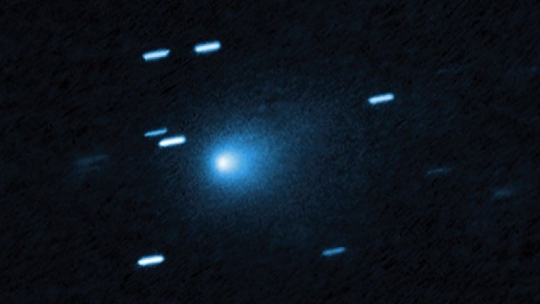
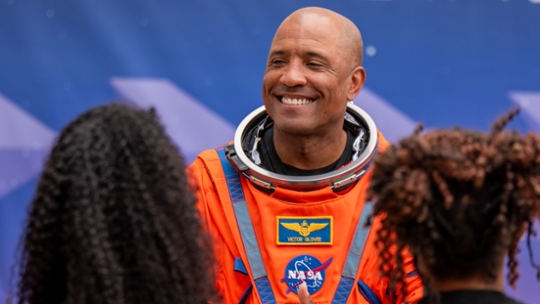
Did you follow the excitement of NASA's Artemis II moon mission a few months ago? Well, following that mission, Artemis II pilot Victor Glover is moving on from being an active astronaut to helping the next generation of explorers realize their dreams back at his alma mater Cal Poly University. Space.com got an exclusive interview with Glover in which you can read all about his decision and what's next for the history-making astronaut. In strange science news, researchers are still investigating the origins of the interstellar comet 3I/ATLAS. In a new study, researchers suggest that the object may have formed in the dark where its stars light couldn't touch it. And in difficult science news, following last week's news that the UN thinks we are on track to surpass important global temperature limits, NOAA has found that this past summer is the hottest summer on record in the U.S. -- ever. And it wasn't just the hottest summer, it was also full of weather and climate related disasters like wildfire, drought and more.
Check out what's big in space below:
|
|
|

|
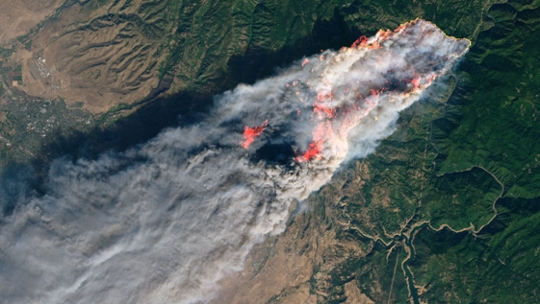
Temperatures and precipitation are hitting new extremes.
|
|
|
|
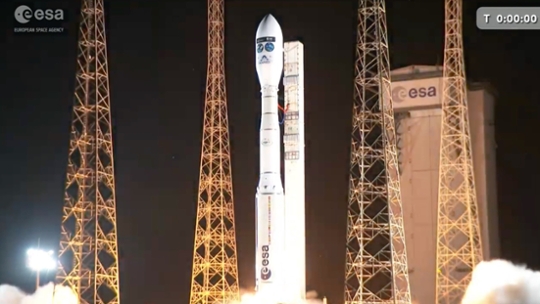
A Vega C rocket launched Europe's FLEX and Copernicus-3C spacecraft toward orbit from French Guiana tonight (Sept. 14).
|
|
|
|
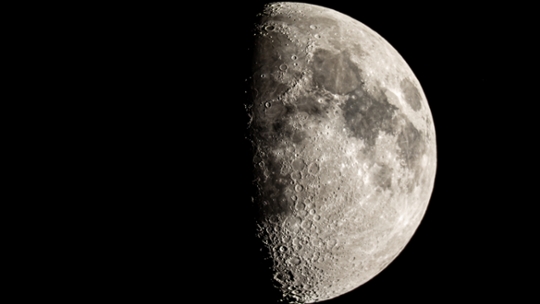
International Observe the Moon Night 2026 occurs on Sept. 19 as the lunar disk is well placed for exploring its craters, mountains and ancient lava plains.
|
|
|
|
A satellite's view from above fills the gaps in our understanding of the grim realities of war and makes it harder for totalitarian regimes to hide their crimes. But challenges exist.
|
|
|
|
"Every one of these objects we study helps us understand a little more about how planets form around other stars."
|
|
|
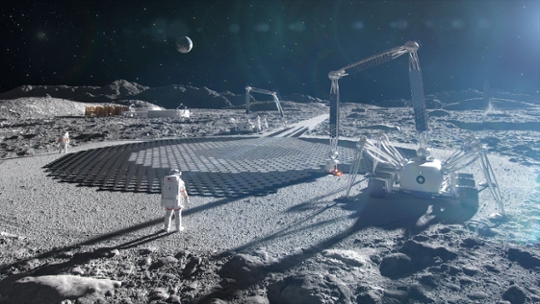
The discovery of water in dark craters at the moon's poles has sparked a "moon rush" to establish bases there, and then villages, cities and heavy industry. How sustainable is this rush?
|
|
|
|
"Both of our workspaces this week contained features unlike quite anything we have seen in the past."
|
|
|
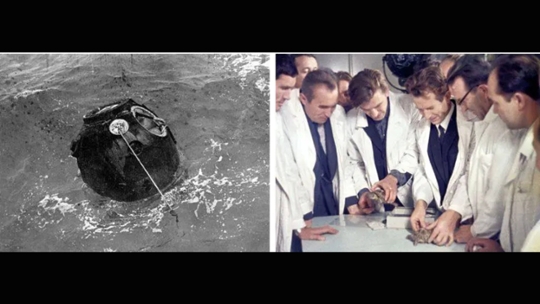
On Sept. 15, 1968, the Soviet Union launched the Zond 5 spacecraft carrying tortoises and more on a mission to loop around the moon and return to Earth. Here's why it mattered.
|
|
|
|
On Episode 227 of This Week In Space, Rod Pyle and Tariq Malik are joined by Michael Okuda, who with wife and others have been central to the look, feel, and substance of the Star Trek universe.
|
|
|
That's it for our space update today
Following Jeremy Hansen's retirement and both Victor Glover and Reid Wiseman transitioning into being "emeritus" astronauts, Christina Koch remains the only active astronaut from NASA's Artemis II mission just a few months ago. But in digging into our interview with Victor Glover, it's clear that while this chapter might be over for some of these astronauts, they have a lot of work ahead of them helping to build the future of human spaceflight. And with possible moon bases and a lunar landing hopefully in the relatively near future, there's a lot of work to be done.
Coming up, we will be taking you behind the scenes with us to the Lucas Museum, the art museum (and, honestly, Star Wars museum) brainchild of co-founder George Lucas, who brought Star Wars into our lives. And in just over a week we will be celebrating International Observe the Moon Night, one of Space.com's favorite holidays that reminds us that it's always a great time to look up and admire our natural satellite. To follow closely along and stay up to date with all things space, you can now get Space.com right in the palm of your hand with our new app available now on iOS and Android.
Ad astra, per aspera
Chelsea Gohd
Content Manager, Space.com
|
|
|
| Stay up-to-date on all things space science, news, and entertainment by subscribing to our newsletters. |
|
 |
|
|
|
|
|
When you purchase through links in our content, we may earn an affiliate commission.
Future US LLC © |
| Full 7th Floor, 130 West 42nd Street, New York, NY, 10036 |
|
|
|