Friday, September 25, 2026

Week in Science: Did OpenAI solve the wrong math problem?

Plus, why RFK Jr., is going after electromagnetic fields                    

September 25—If you don't expect to see the words “math” and “drama” in the same sentence, this week will make you think again. Below, you’ll find stories on how OpenAI is defending itself against accusations that its chatbots solved the wrong Navier-Stokes problem, the rationale behind zero-knowledge proofs (and why they don’t always work), and a six-dimensional sphere mystery. Plus, in the non-math world, updates on crucial climate boundaries, what you need to know about rising COVID cases, and why RFK. Jr., is turning his attention to electromagnetic fields.

How’s your science knowledge this week? Take our Friday quiz to put your skills to the test.

—Emma Gometz, Newsletter Editor

Have thoughts or feedback on our coverage? Email newsletters@sciam.com anytime.

Top Stories
RFK, Jr., is focusing attention on electromagnetic fields. Here’s what the science says about exposure

The research into how electromagnetic waves and radio frequency radiation influence health has been plagued by low-quality studies

Did OpenAI solve the wrong Navier-Stokes problem?

OpenAI’s proof seems eligible for a $1-million prize—but only by using a controversial loophole

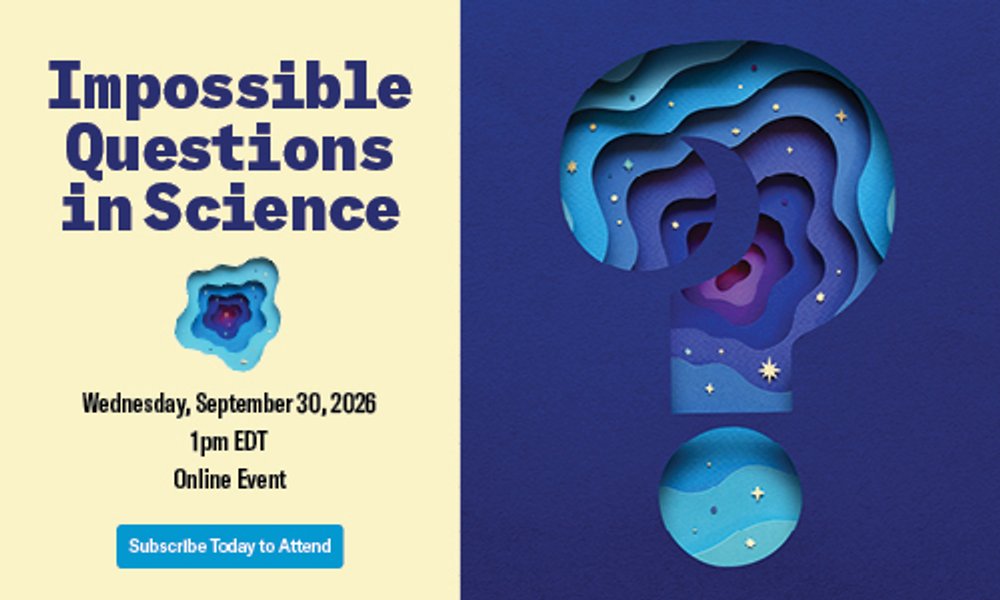
Exclusive Subscriber-Only Event
Impossible Questions in Science

Some scientific questions aren’t just unanswered, but may even be unanswerable. What came before the big bang, for instance, or what first sparked life on Earth? Join Scientific American editors for a virtual discussion of these mysteries: September 30, 1:00P.M. ET. Subscribe today and sign up!

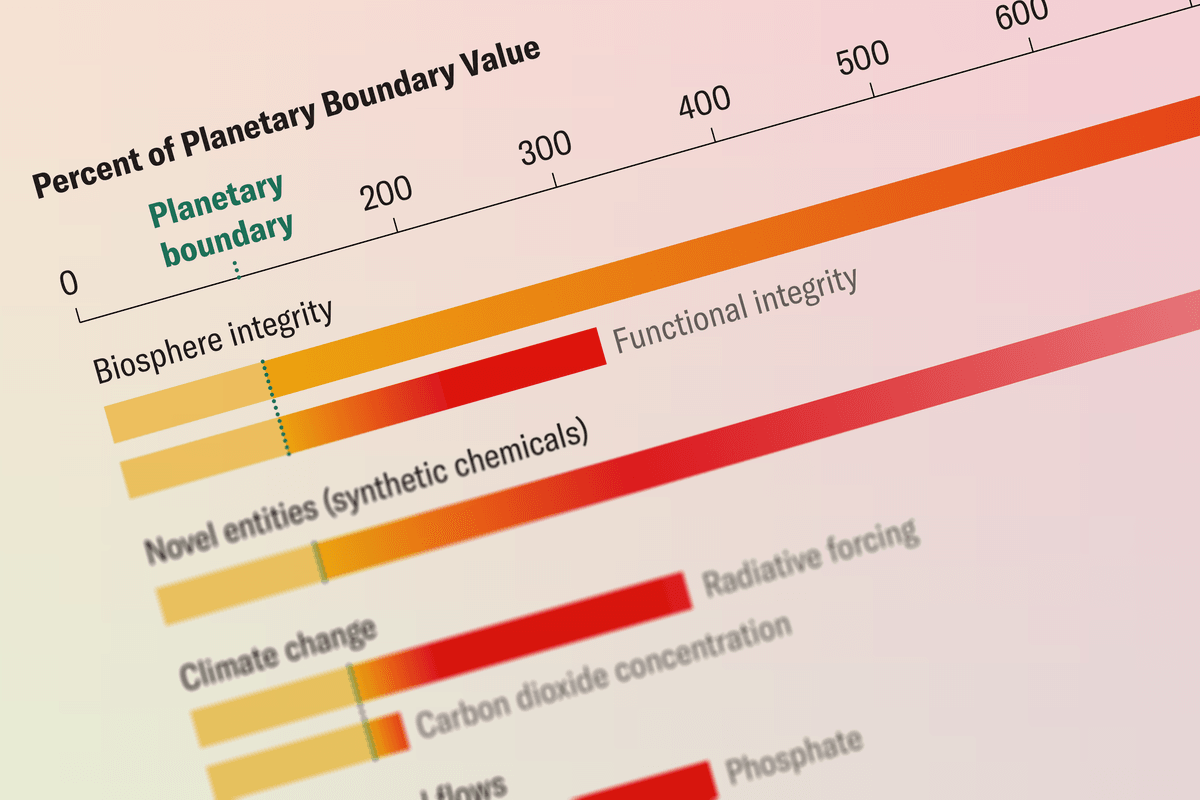
9 ‘boundaries’ keep Earth livable. We’ve breached 7 of them

Earth’s annual checkup shows that we’re at increasing risk of moving away from the environment we’re adapted to

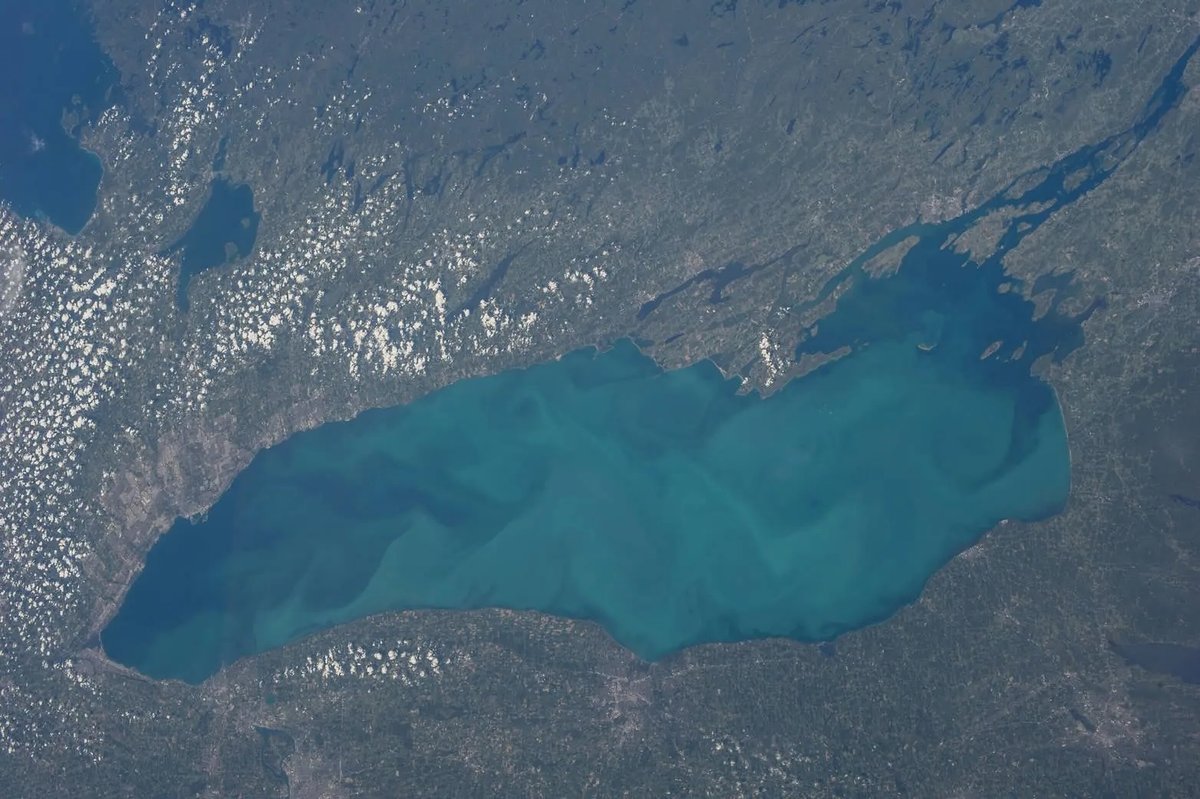
What changing ‘Lake Ontario’ to ‘Lake America’ means for weather forecasts

The National Weather Service is speeding ahead with changing the name of the Great Lake

Like this newsletter? A subscription to Scientific American helps make it possible—and gives you full access to the stories that spark your curiosity. Start your subscription today: 90 days for just $1.
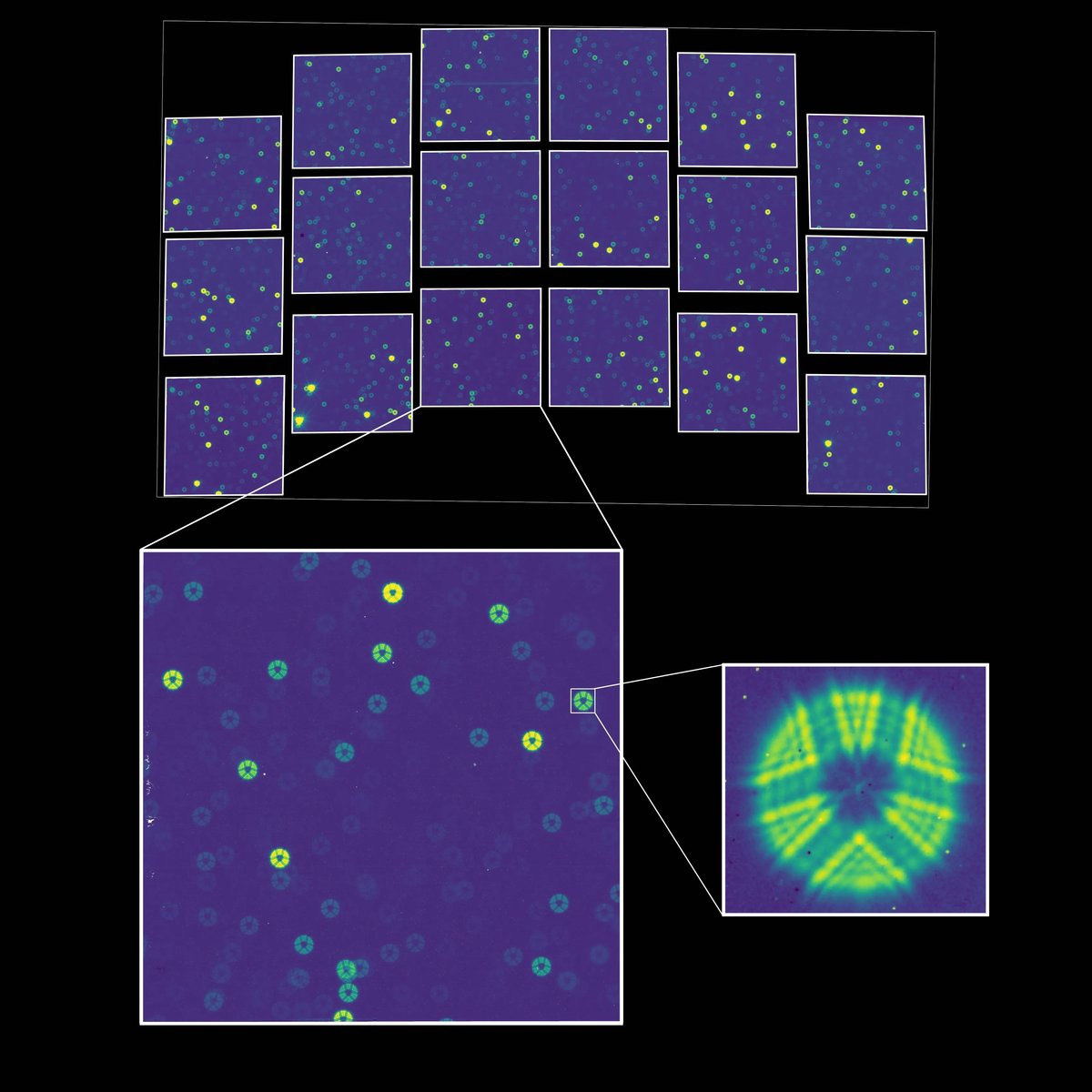
NASA’s Nancy Grace Roman Telescope glimpses its first cosmic light

The space telescope is set to reveal thousands of new exoplanets and scour the universe for signs of dark matter and energy

What does OpenAI’s blockbuster Navier-Stokes proof mean for the real world?

OpenAI’s claimed proof of the Navier-Stokes problem is a mathematical tour de force, but any real-world applications may be years away—if they ever arrive at all

COVID cases are on the rise—here’s what you need to know

The virus is currently most prevalent in California and the southern U.S., but experts expect it to go national in the coming weeks

Why mathematicians are suddenly hiding research results

Google made a major breakthrough in quantum computing. To prevent the results from being misused, the company kept them secret. That backfired

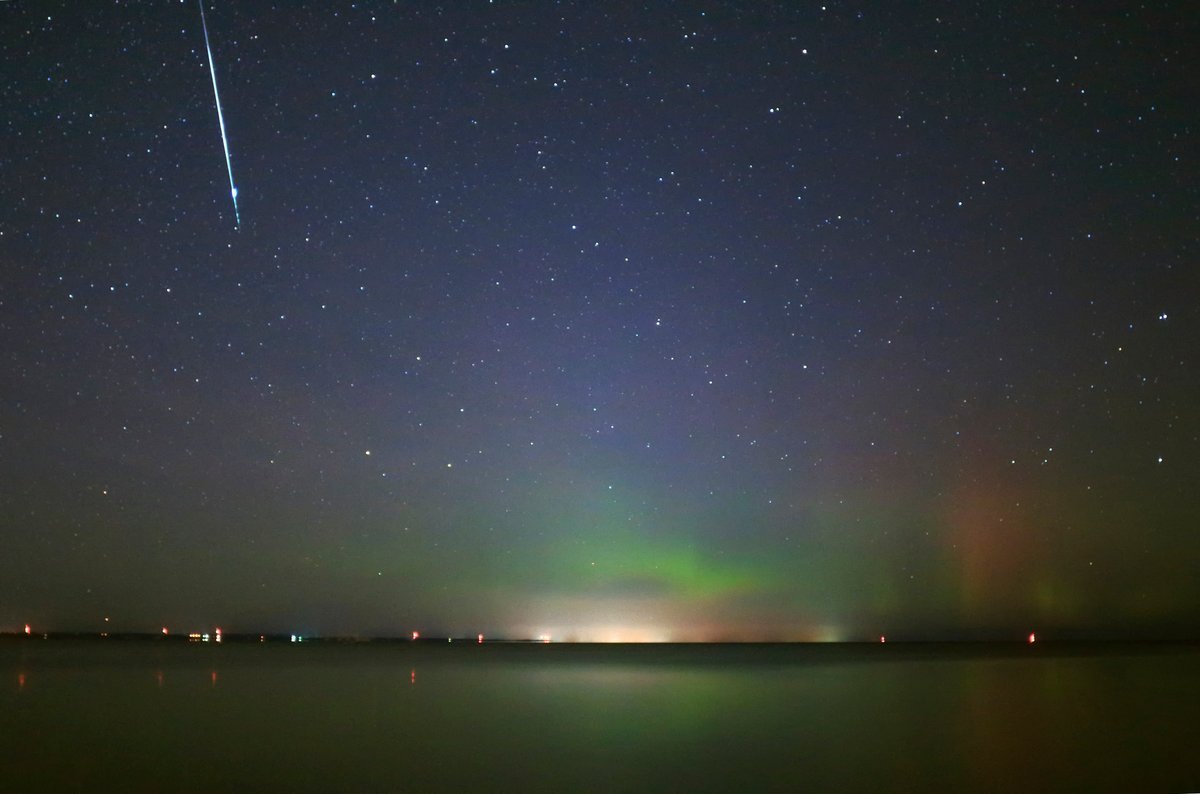
See the Taurids light up the fall sky with brilliant shooting stars

Lasting from mid-September until mid-November, the Taurid meteor showers are among the longest of the year

Mathematicians use AI to find mysterious symmetries, solving decades-old problem

In parallel, a race by amateurs and mathematicians has found all 25,000 cases of one “inverse Galois problem”

AI is giving scientists more ideas than they can test

A new report from Google, Google DeepMind and M.I.T. finds that researchers are using AI—a lot. It’s just not helping as much in the lab

AI solves 79-year-old mathematical mystery

Can a six-dimensional sphere be described using imaginary numbers? For decades, experts puzzled over this question. Now an AI has apparently answered it

Scientist Pankaj

Week in Science: Did OpenAI solve the wrong math problem?

Plus, why RFK Jr., is going after electromagnetic fields                     ...