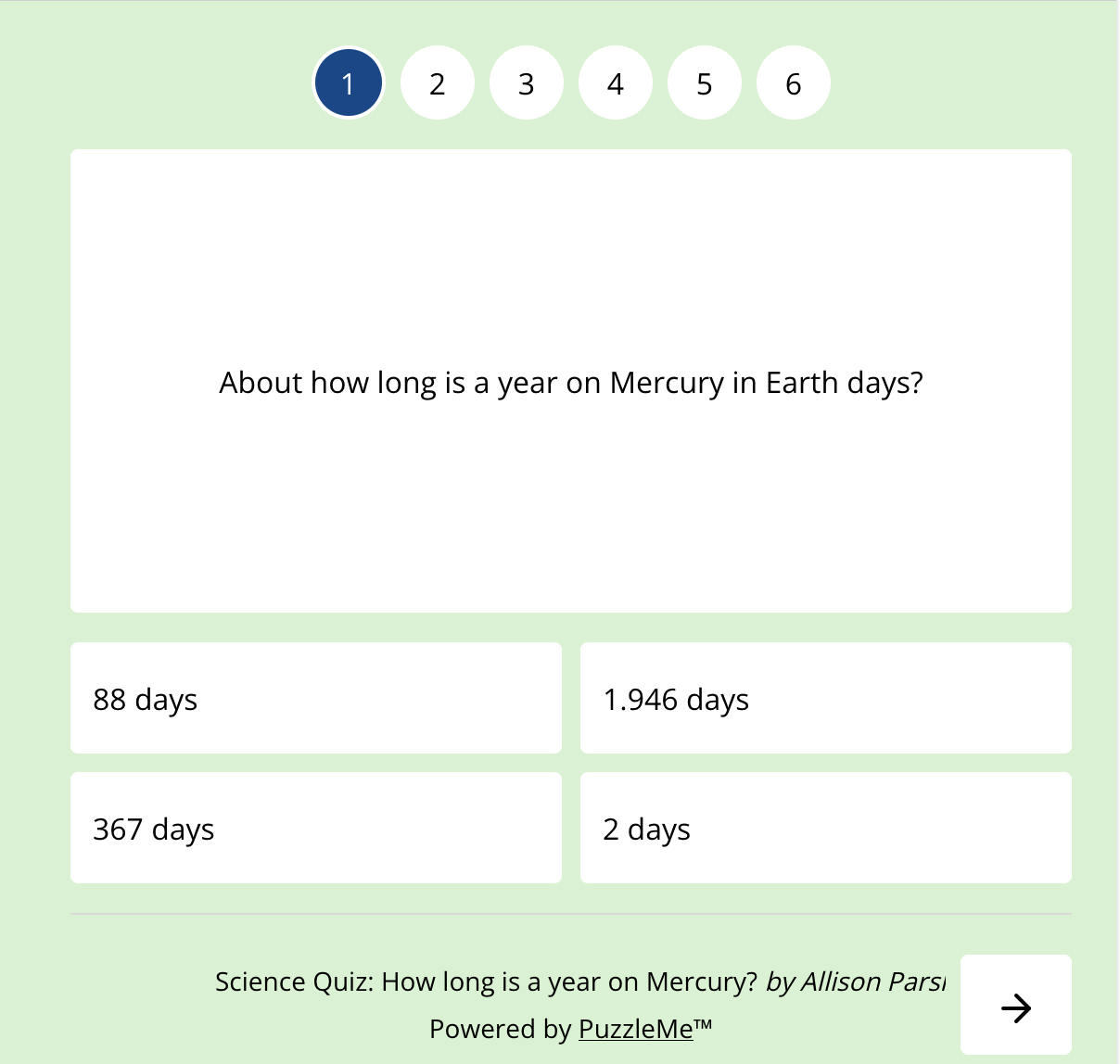
Are you one of Today in Science's smartest readers? ͏ ͏ ͏ ͏ ͏ ͏ ͏ ͏ ͏ ͏ ͏ ͏ ͏ ͏ ͏ ͏ ͏ ͏ ͏ ͏ ͏ ͏ ͏ ͏ ͏ ͏ ͏ ͏ ͏ ͏ ͏ ͏ ͏ ͏ ͏ ͏ ͏ ͏ ͏ ͏ ͏ ͏ ͏ ͏ ͏ ͏ ͏ ͏ ͏ ͏ ͏ ͏ ͏ ͏ ͏ ͏ ͏ ͏ ͏ ͏ ͏ ͏ ͏ ͏ ͏ ͏ ͏ ͏ ͏ ͏ ͏ ͏ ͏ ͏ ͏ ͏ ͏ ͏ ͏ ͏ ͏ ͏ ͏ ͏ ͏ ͏ ͏ ͏ ͏ ͏ ͏ ͏ ͏ ͏ ͏ ͏ ͏ ͏ ͏ ͏ ͏ ͏ ͏ ͏ ͏ ͏ ͏ ͏ ͏ ͏ ͏ ͏ ͏ ͏ ͏ ͏ ͏ ͏ ͏ ͏ ͏ ͏ ͏ ͏ ͏ ͏ ͏ ͏ ͏ ͏ ͏ ͏ ͏ ͏ ͏ ͏ ͏ ͏ ͏ ͏ ͏ ͏ ͏ ͏ ͏ ͏ ͏ ͏ ͏ ͏
September 27, 2026—Are you one of our cleverest readers? In this special Sunday edition of Today in Science, put your brain to the test with September's most popular games and puzzles. We'll be back tomorrow with our normal newsletter.
—Andrea Gawrylewski
Chief Newsletter Editor
|
|
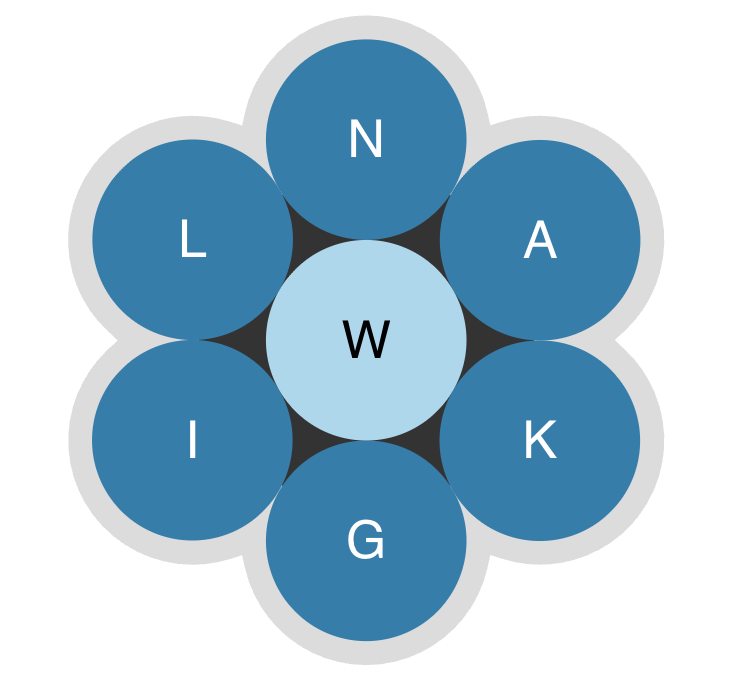 Spellements: Build as many words as possible using the middle letter. Can you find any words that incorporate all the letters? Hint: one is featured in a recent Scientific American article. Spellements: Build as many words as possible using the middle letter. Can you find any words that incorporate all the letters? Hint: one is featured in a recent Scientific American article.
|
|
|
|
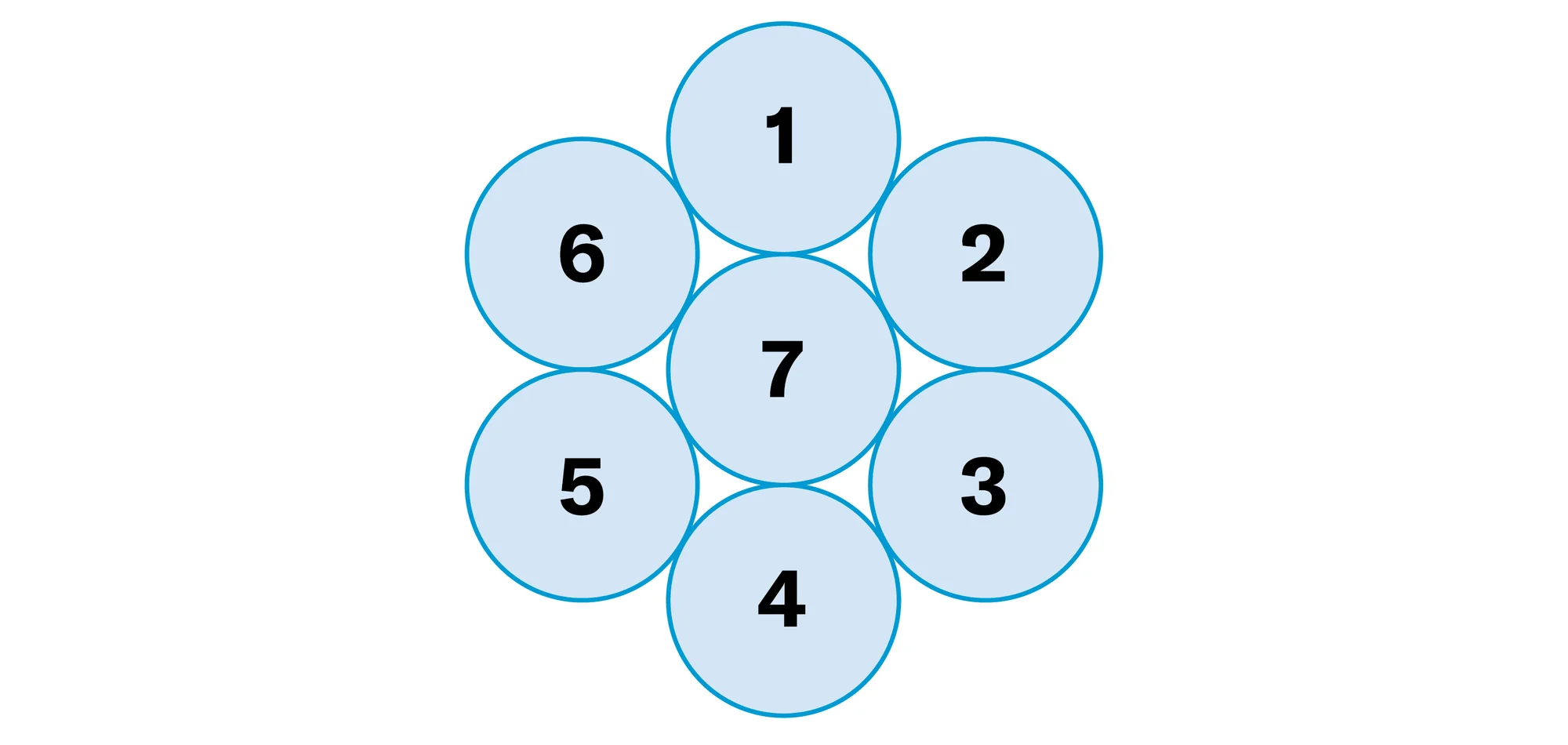
Form seven-digit numbers that each contain every digit from 1 to 7 exactly once. To do this, start at any one of the seven circles, and proceed from there across the other six circles. In doing so, every circle you enter must be a direct neighbor of the previous circle. The seven-digit number is determined by the sequence of the digits in the circles. How many different seven-digit numbers can be formed in this way?
|
|
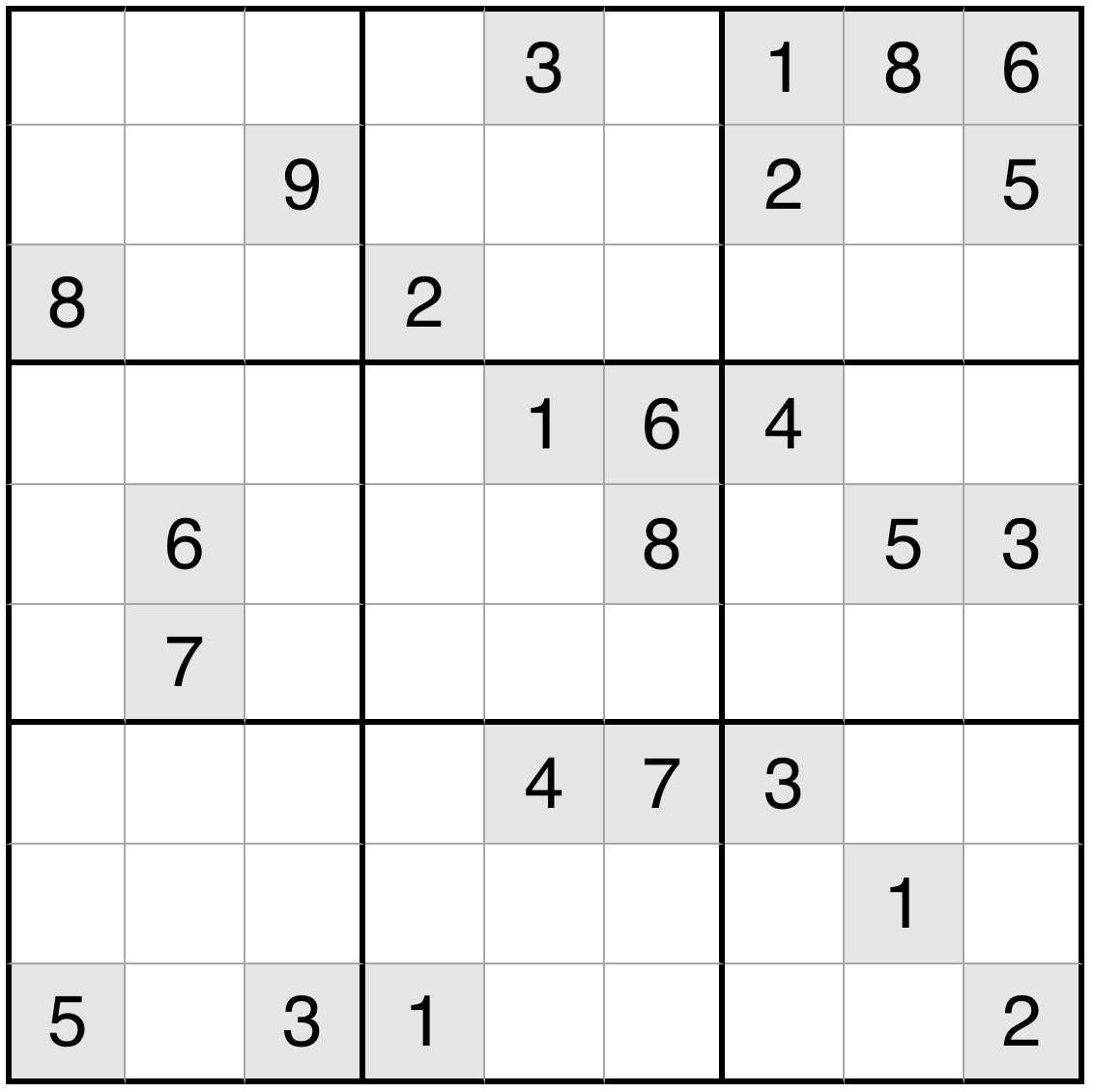
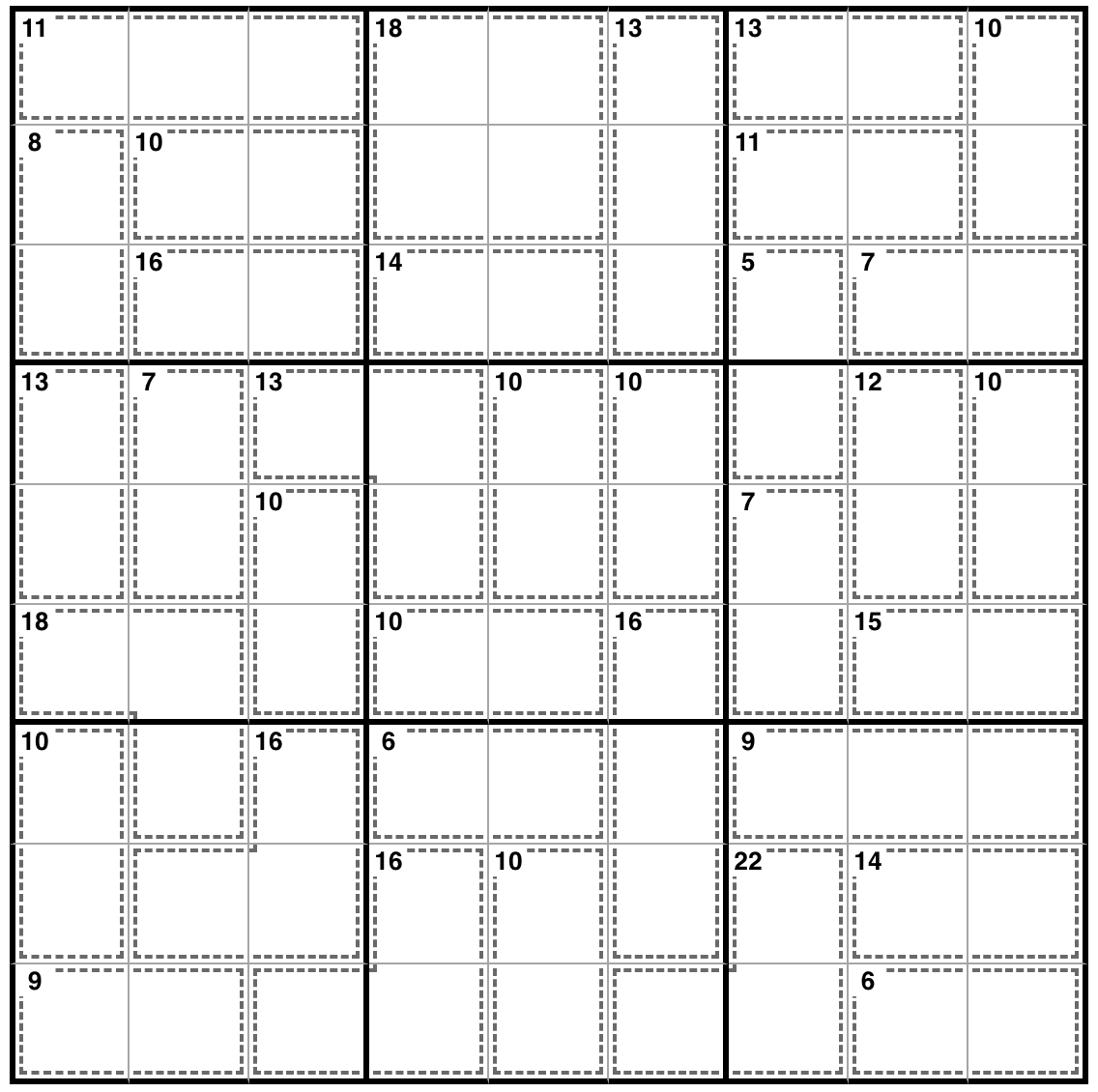 Killer Sudoku: Fill each row, column and sub-grid with exactly one of each number from 1-9. In Killer Sudoku, the digits in each inner shape (marked by dots) must add up to the number in the top corner of that box. No digit can be repeated within an inner shape, row, column or sub-grid. Play (and reveal the solution) here. Killer Sudoku: Fill each row, column and sub-grid with exactly one of each number from 1-9. In Killer Sudoku, the digits in each inner shape (marked by dots) must add up to the number in the top corner of that box. No digit can be repeated within an inner shape, row, column or sub-grid. Play (and reveal the solution) here.
|
|
|
|
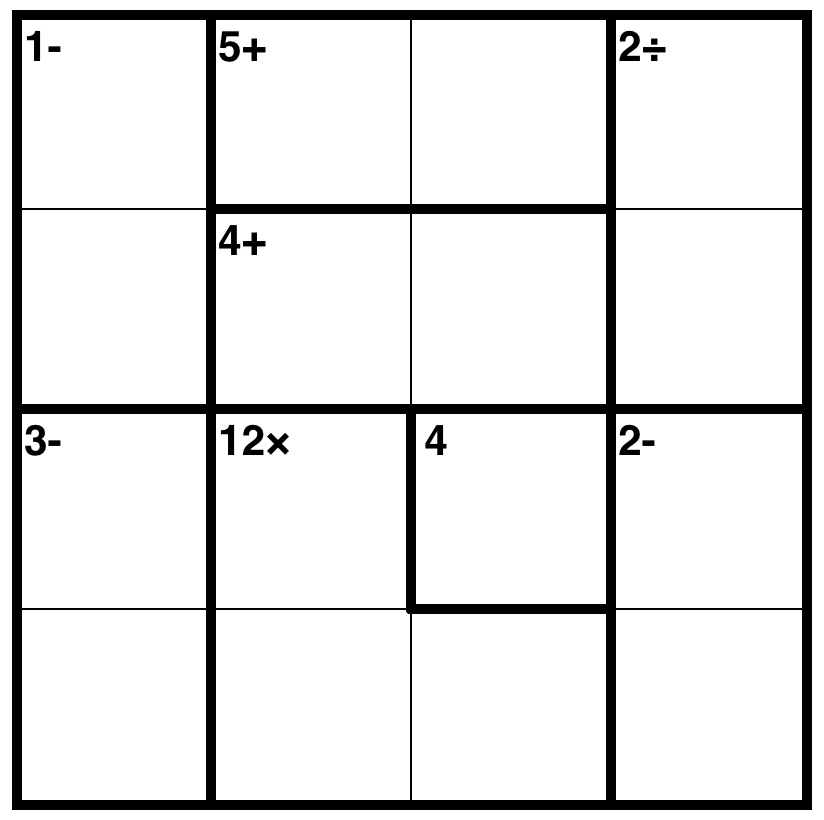 KenKen 4x4: Fill each row and column with exactly one of each possible number—in this case, numbers 1 through 4. You are not allowed to repeat any number in the same row or column. Each inner shape (marked by the boundaries) has an associated number and an operation. The result of applying the operation to the digits within that shape must equal the associated number. Play (and reveal the solution) here. KenKen 4x4: Fill each row and column with exactly one of each possible number—in this case, numbers 1 through 4. You are not allowed to repeat any number in the same row or column. Each inner shape (marked by the boundaries) has an associated number and an operation. The result of applying the operation to the digits within that shape must equal the associated number. Play (and reveal the solution) here.
|
|
|
|
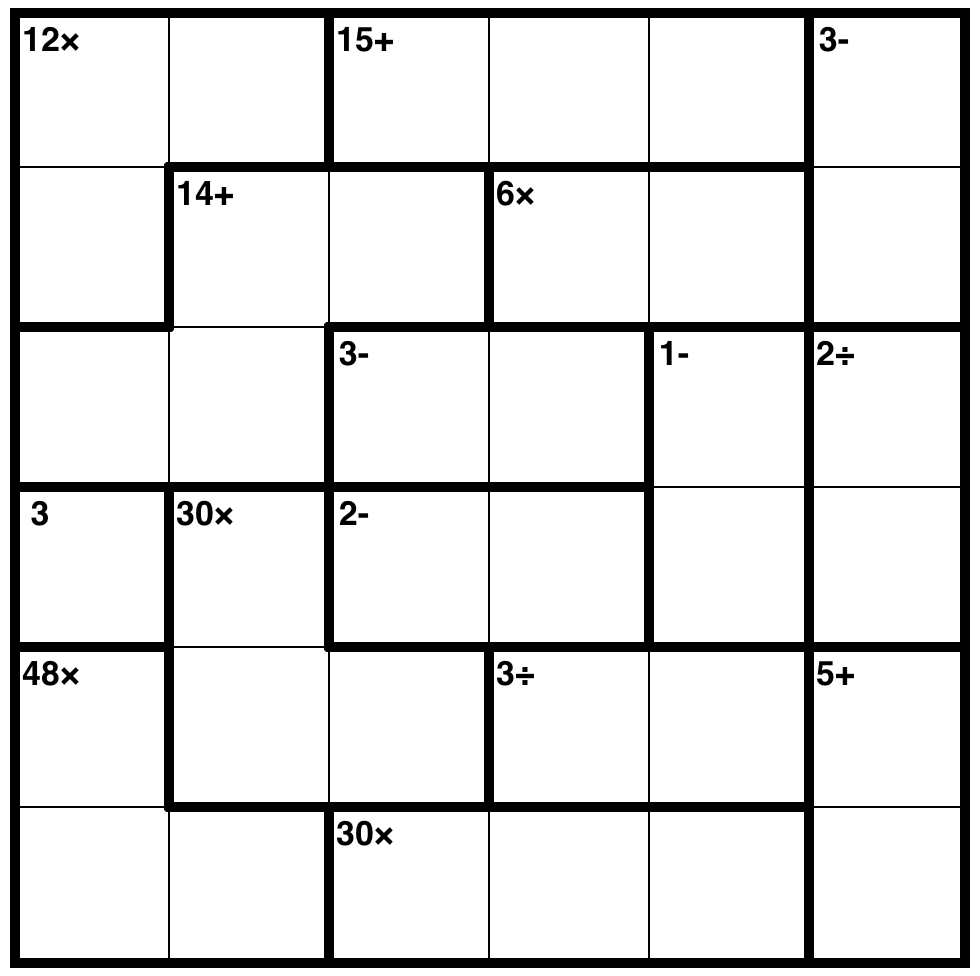 KenKen 6x6: Same rules as the previous one, but this time fill each row and column with exactly one of each numbers 1 through 6, while adhereing to the internal calculations. Play (and reveal the solution) here. KenKen 6x6: Same rules as the previous one, but this time fill each row and column with exactly one of each numbers 1 through 6, while adhereing to the internal calculations. Play (and reveal the solution) here.
|
|
|
|
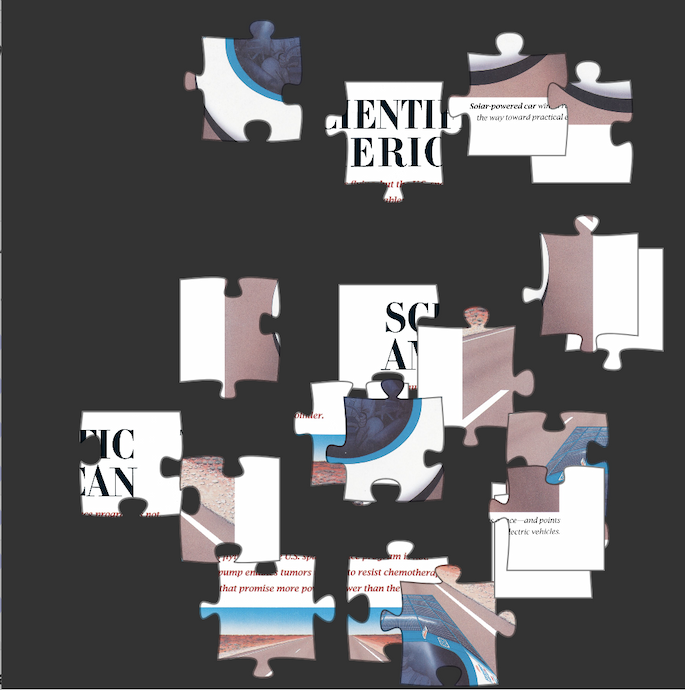
Unscramble our most popular jigsaw puzzle this month. This image of our March 1989 cover features the Sunraycer, a car run completely on solar power that won a race across Australia in 1987 and paved the way for other electric cars.
|
|
How closely did you read Scientific American this month? Test your science chops with this month's most popular news quiz.
|
|
|
|
|
I hope you enjoyed this special weekend edition of Today in Science.
|
|
Reach the newsletter team with your questions, comments and other thoughts by emailing: newsletters@sciam.com. See you tomorrow!
—Andrea Gawrylewski,
Chief Newsletter Editor
|
|
|
|
|
Subscribe to this and all of our newsletters here.
|
|
|
|
|