Thursday, August 13, 2026

Space & Physics: The total solar eclipse of 2026

Plus, a newfound ‘black hole star’                    

August 13—This week’s most spectacular story was unquestionably yesterday’s total solar eclipse, which swept across a swath of the northern hemisphere for several hours. SciAm personnel were on the ground to document the event as it unfolded—check out what they and others saw. Elsewhere, we have stories on a newfound “black hole star,” the Pentagon’s latest batch of declassified UFO files, daring maneuvers to extend the lives of NASA’s Voyager spacecraft, and much more. Enjoy!

Thoughts? Questions? Let me know via e-mail (lbillings@sciam.com), X or Bluesky.

Lee Billings, Senior Editor, Physical Sciences

Top Stories
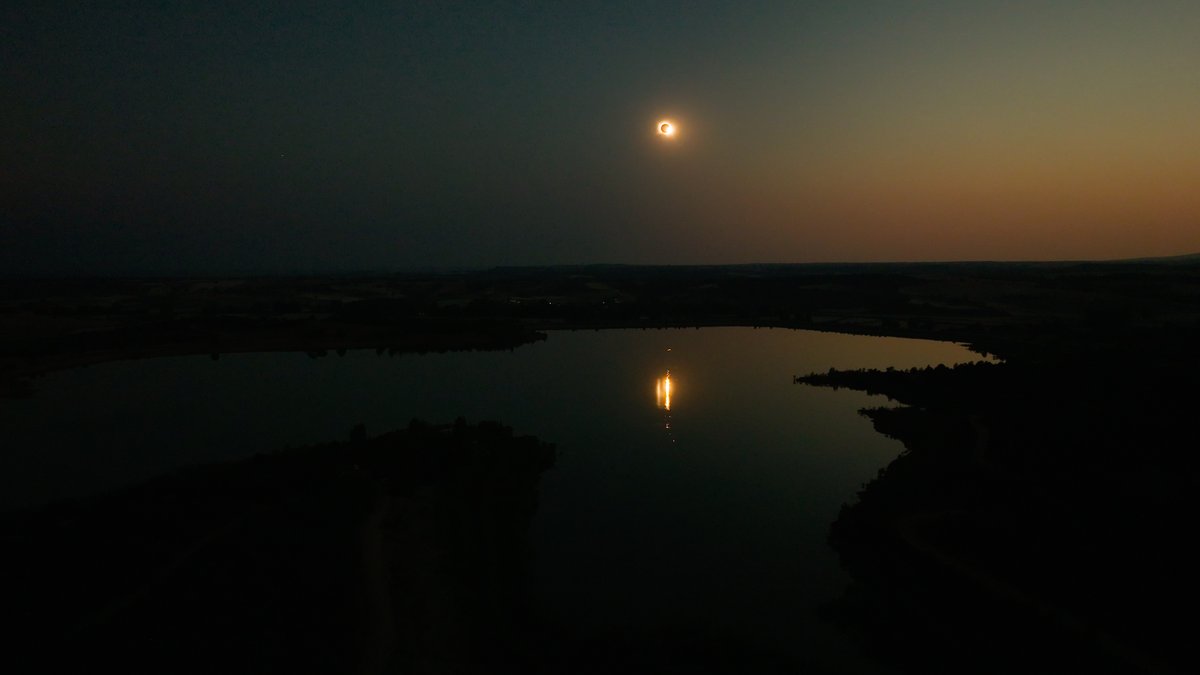
See the 2026 total solar eclipse from around the world

From a partial eclipse over Berlin to totality over Spain, see some of the incredible images of the August 12 total solar eclipse

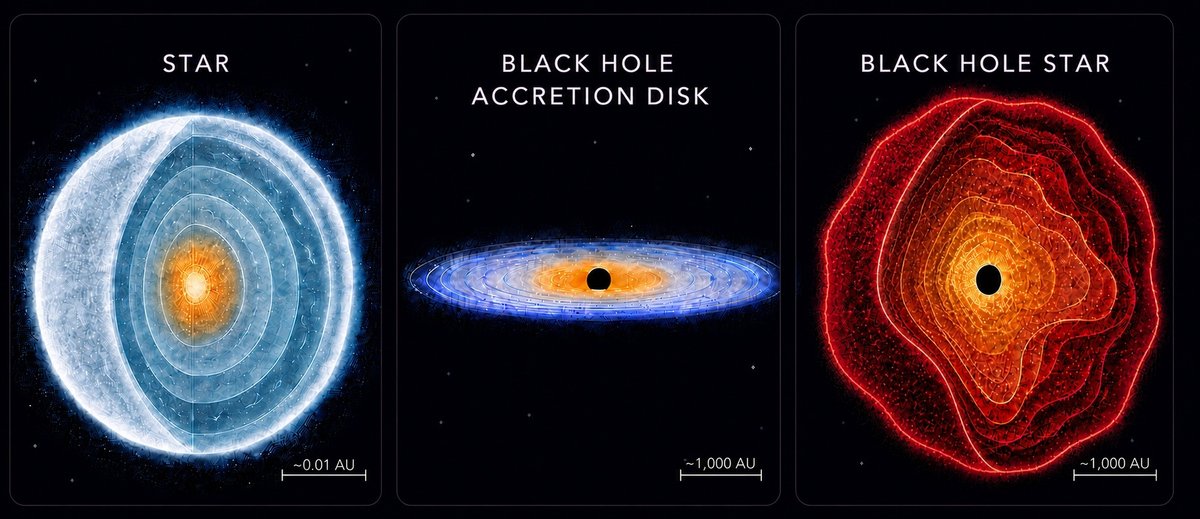
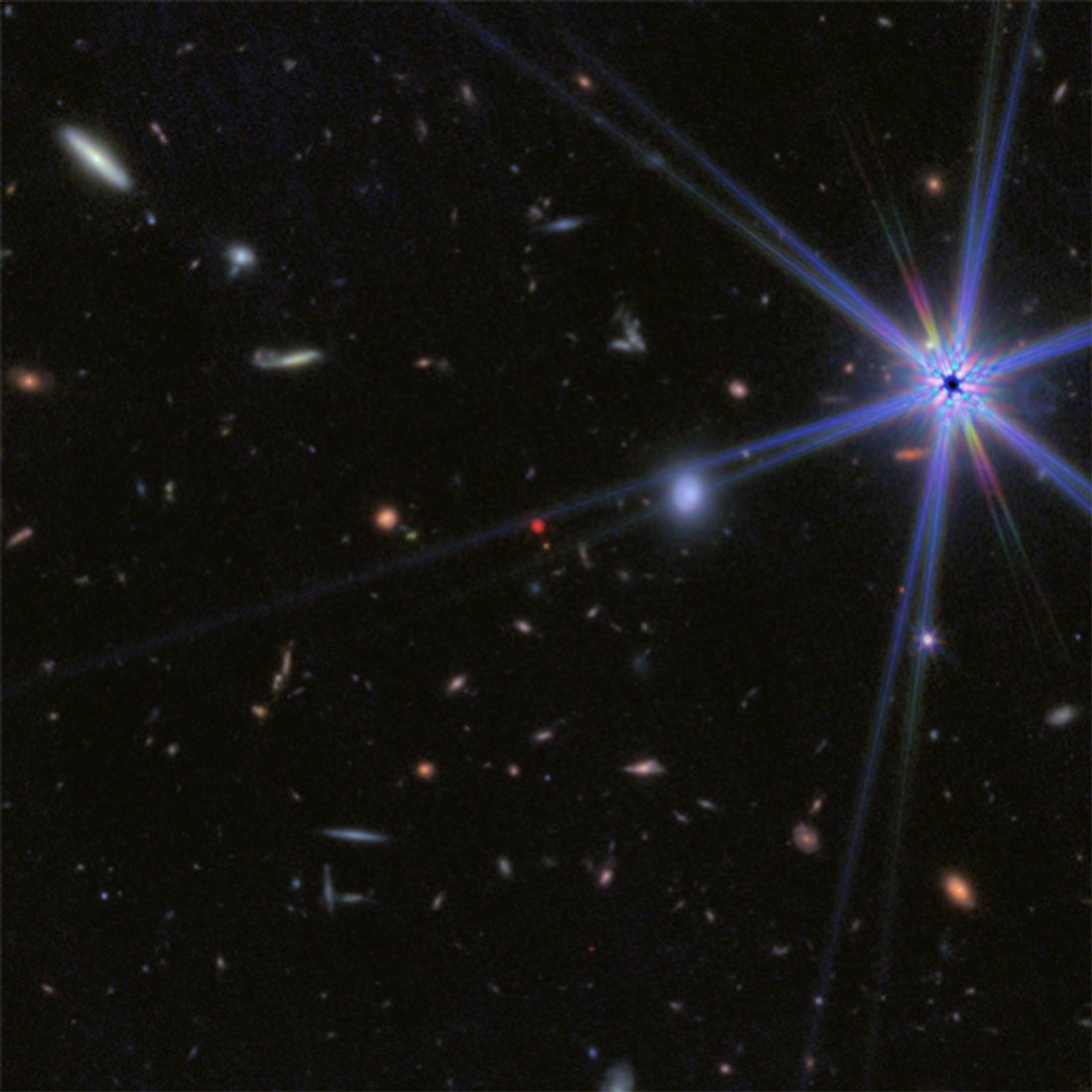
‘Black hole stars’ from the dawn of the universe are coming into focus

First glimpsed as “little red dots” in deep-space images from the James Webb Space Telescope, these giant, gas-shrouded black holes are full of surprises

Big universe, tiny cost. Immerse yourself in science with a subscription to Scientific American. Get 90 days for just $1!
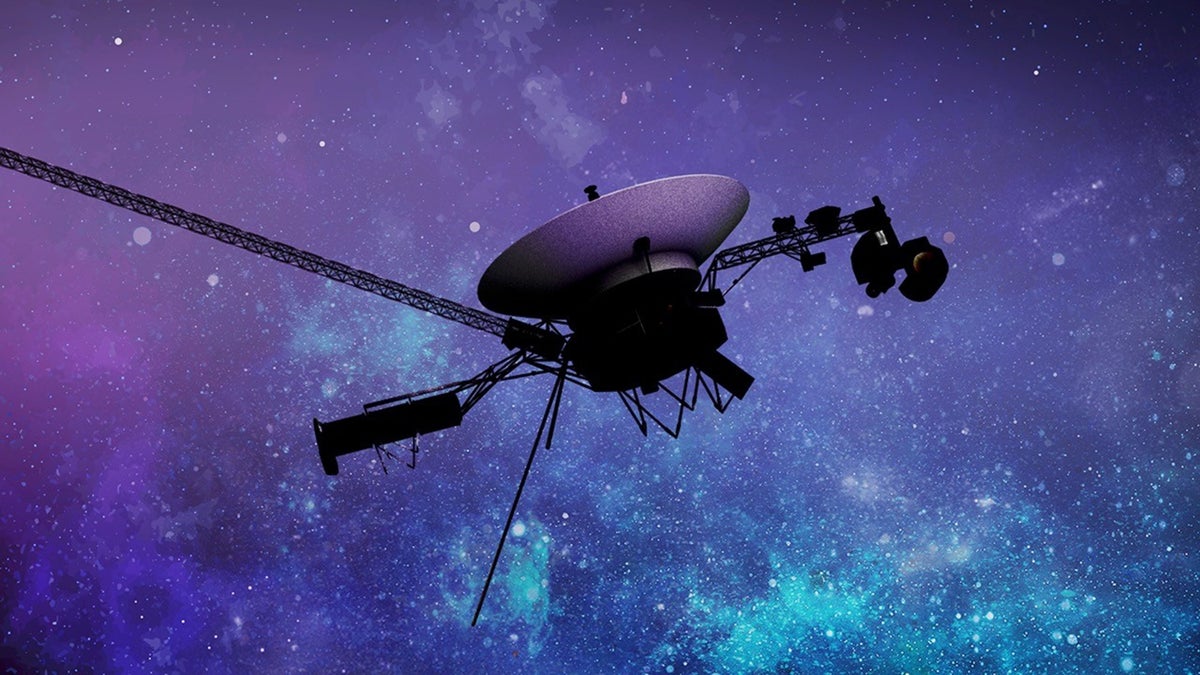
NASA’s Voyager 2 survives daring ‘big bang’ maneuver

After 49 years in space, NASA’s Voyagers are running low on power—but an audacious move should extend the tenures of the two spacecraft

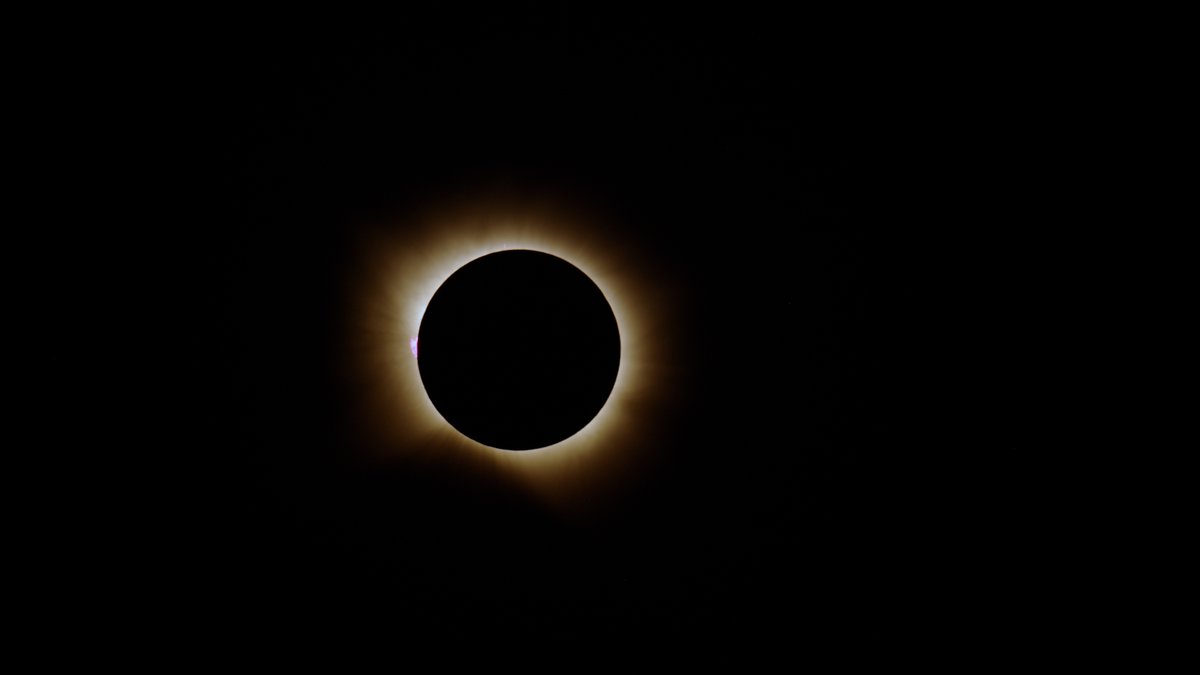
Everything you need to know about the 2026 total solar eclipse

Follow all the latest updates about the August 12 eclipse with Scientific American

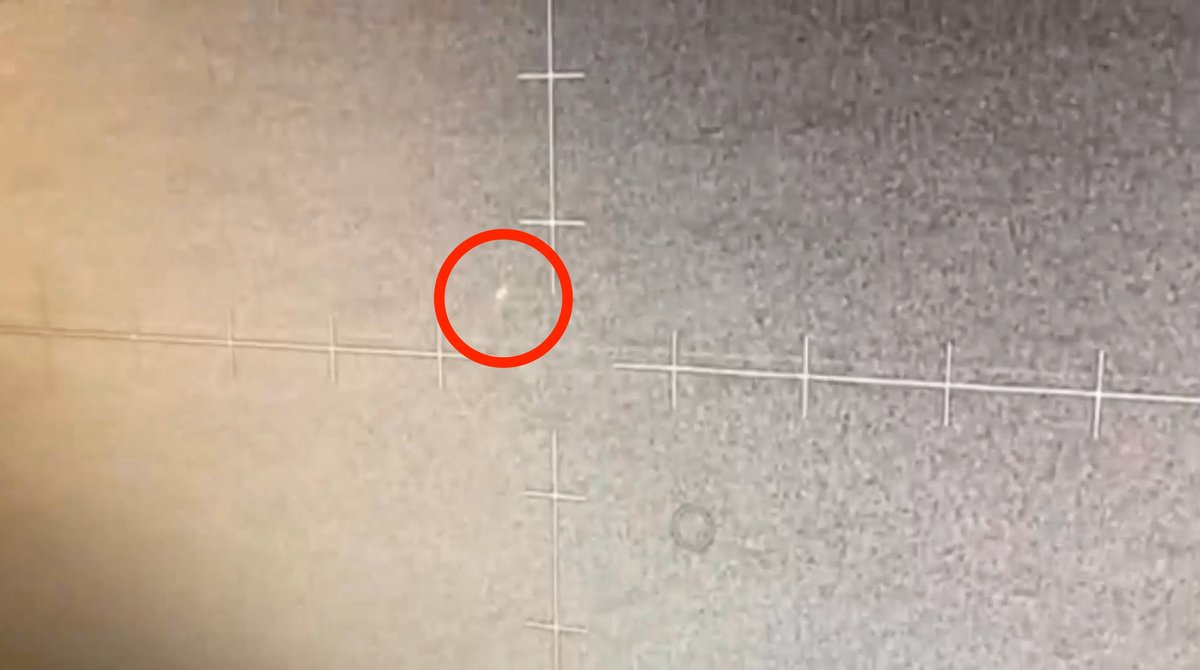
Latest Pentagon UFO files release includes video of mysterious ‘cold orbs’

This new cache of material includes footage of a U.S. military plane’s infrared display recorded during an exercise over the Gulf of Oman in 2021

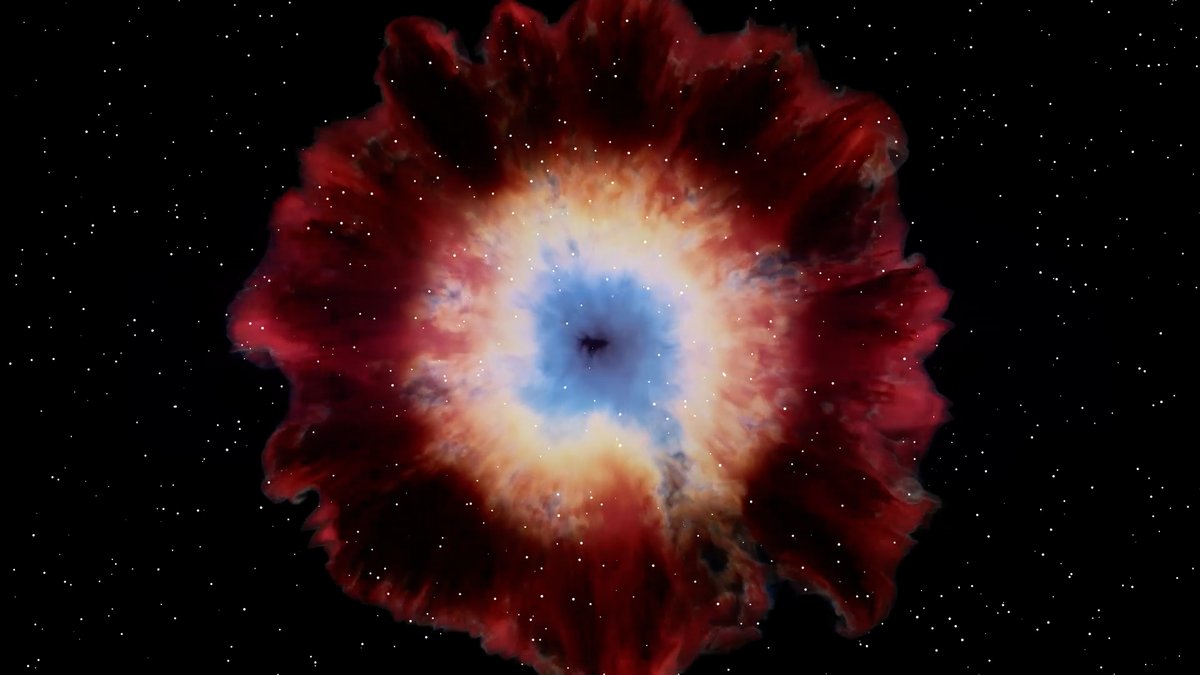
Stunning new images reveal cosmic cycle of death and rebirth

A new study of the Helix Nebula shows a never-before-seen detail of how dying stars recycle elements. Researchers found it by accident

Life on Earth may have emerged not once but twice

The last common ancestor of all living things may not have been alive at all

How a sheet of paper can take you to the moon

Folding a piece of paper makes it thicker. How many folds would it take to reach the moon—and beyond?

No, Anthropic’s AI didn’t just solve math’s hardest problem

There’s a $1-million prize for proving the Riemann hypothesis. Claude couldn’t pull that off, but it made significant progress on a related problem

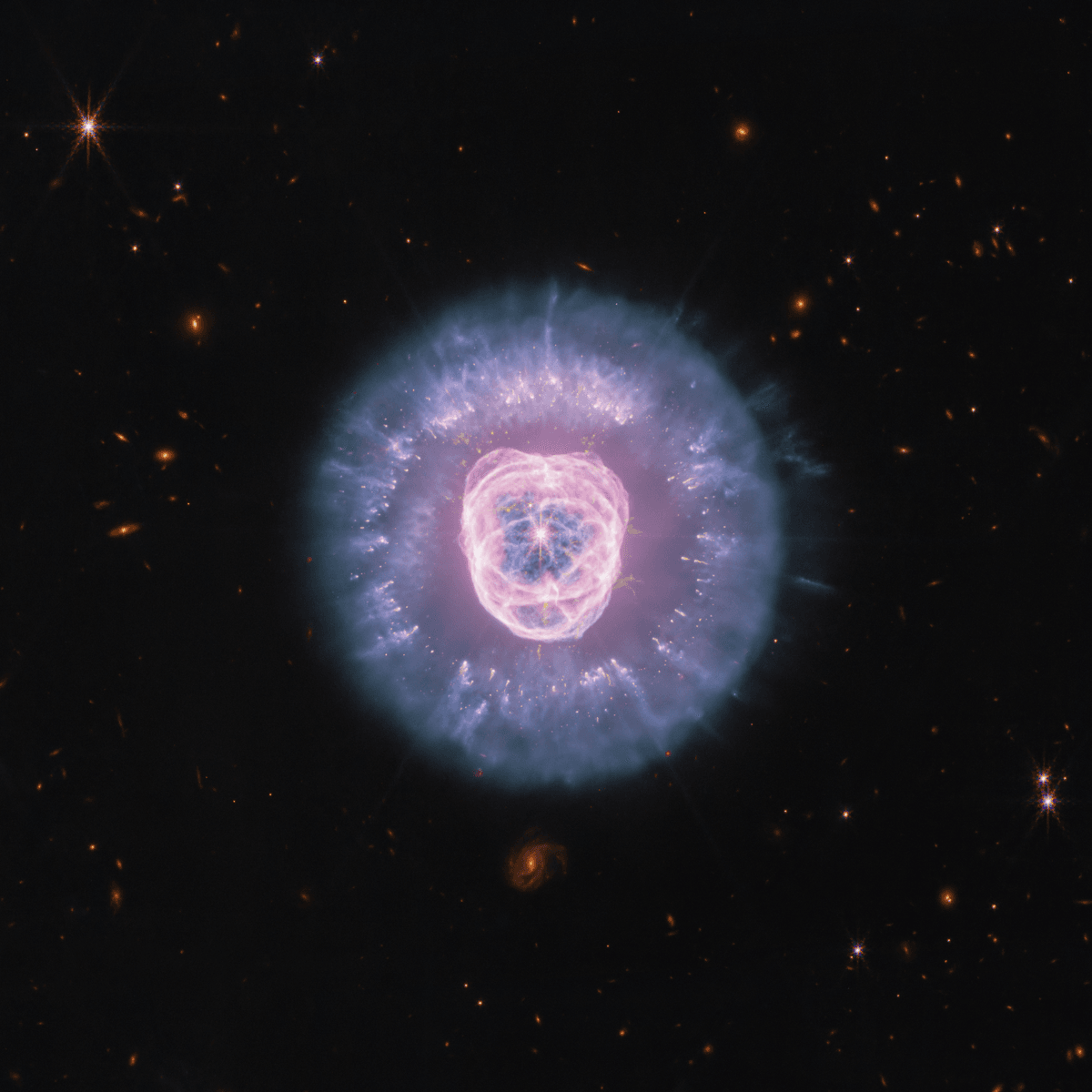
New images reveal the Lion Nebula in all its majestic glory

This dying star appears to have a face of gas and a mane of space dust

What We're Reading
  • Here’s how engineers plan to save the satellite sent to save NASA’s Swift mission | Ars Technica
  • U.S. Space Command identifies capabilities it needs for the next space war | Space News
  • Mike Fincke, Astronaut Who Spent 549 Days in Space, Has Retired | The New York Times

From the Archive
‘Little Red Dots’ Spied by JWST May Be Baby Black Holes in Disguise

Puzzling red spots in images from the James Webb Space Telescope are probably young supermassive black holes obscured by dense cocoons of gas

Scientist Pankaj

Space & Physics: The total solar eclipse of 2026

Plus, a newfound ‘black hole star’                     ...