A new poll shows more people in the U.S. think UFOs are aliens than ever before. ͏ ͏ ͏ ͏ ͏ ͏ ͏ ͏ ͏ ͏ ͏ ͏ ͏ ͏ ͏ ͏ ͏ ͏ ͏ ͏ ͏ ͏ ͏ ͏ ͏ ͏ ͏ ͏ ͏ ͏ ͏ ͏ ͏ ͏ ͏ ͏ ͏ ͏ ͏ ͏ ͏ ͏ ͏ ͏ ͏ ͏ ͏ ͏ ͏ ͏ ͏ ͏ ͏ ͏ ͏ ͏ ͏ ͏ ͏ ͏ ͏ ͏ ͏ ͏ ͏ ͏ ͏ ͏ ͏ ͏ ͏ ͏ ͏ ͏ ͏ ͏ ͏ ͏ ͏ ͏ ͏ ͏ ͏ ͏ ͏ ͏ ͏ ͏ ͏ ͏ ͏ ͏ ͏ ͏ ͏ ͏ ͏ ͏ ͏ ͏ ͏ ͏ ͏ ͏ ͏ ͏ ͏ ͏ ͏ ͏ ͏ ͏ ͏ ͏ ͏ ͏ ͏ ͏ ͏ ͏ ͏ ͏ ͏ ͏ ͏ ͏ ͏ ͏ ͏ ͏ ͏ ͏ ͏ ͏ ͏ ͏ ͏ ͏ ͏ ͏ ͏ ͏ ͏ ͏ ͏ ͏ ͏ ͏ ͏ ͏
August 27, 2026—We have an explainer on what caused yesterday's devastating flood in Nepal. Plus, early research hints at the chance to prevent Alzheimer's in women, and I present two clean energy projects that are part of the boom in renewables.
—Andrea Gawrylewski
Chief Newsletter Editor
|
|
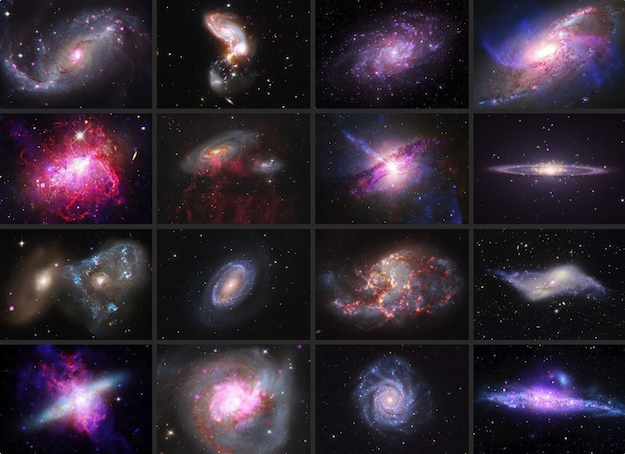
NASA’s Chandra X-ray Observatory just dropped a stunning new cache of photographs of different types of galaxies across the universe, and boy are they mesmerizing. Click through to see a few up close. My fave is that glowing magenta one! | 2 min read
A pair of studies published this week suggest that when menopause kicks in for women and how quickly it’s treated with hormone therapy could play critical roles in the development of Alzheimer's disease. | 4 min read
Hundreds of people are dead and at least 1,400 are missing after a massive wall of water crashed through towns in Nepal and Tibet. The floods were likely unleashed by a glacial collapse. Here's what happened. | 3 min read
Scientists put three popular diets head to head in a small clinical trial. They found that people with obesity who lost weight on the keto diet saw better metabolic outcomes (particularly positive effects on the liver) compared with the other diets. | 4 min read
The growth bands of fossilized Galapagos corals show clear evidence that today’s El Niños are stronger because of climate change. | 4 min read
NASA's Nancy Grace Roman telescope is set to launch this weekend. Astronomers are lining up to get data from 118 approved projects the observatory will complete. | 6 min read
More Americans today think UFOs are actually aliens than did in the past 53 years, according to a new poll. | 2 min read
Join the discussion: Have some unidentified flying objects been alien spacecraft visiting Earth from other planets or galaxies, or can all UFO sightings be explained by human activity on Earth or natural phenomena? Share your opinion here.
|
|
Support science journalism you can trust with a subscription to Scientific American. Join us: 90 days for just $1.
|
|
Clean Energy Boom
This week I’ve been writing about energy technologies that will be carrying us into the future—solar power and solid-state batteries. Today and Monday I’ll do more of the same, featuring some impressive advancements in renewable tech that will help them gain even more ground. Renewables account for nearly half of all global electrical capacity, according to the International Renewable Energy Agency. And bold new plans are in the pipeline. Here are two.
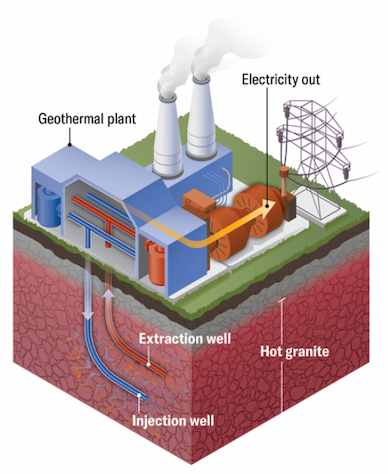
1. Geothermal for (almost) anywhere: Unlike solar and wind power, which can be intermittent, geothermal energy can be used 24/7. But traditional geothermal requires perfect geology: hot rock that water naturally passes through and a reliably recharged water source to keep the heat flowing. This necessity has limited its use to a handful of spots on Earth. The latest designs in geothermal systems create a network of fissures that tap the heat below ground.
Name of project: Fervo Energy’s Cape Station
Location: Utah
Name of technology: Enhanced geothermal systems (EGS)
Power generation: A projected 100 megawatts by early 2027, with 500 megawatts in total under construction.
How it works:
Fervo drills down and then sideways, creating a network of long fractures in rock as deep as almost 2,750 meters (although future depths may vary); it then pushes water through these cracks to draw heat out of the earth. The large network of fissures exposes more water to hot rock than single-pipe geothermal setups do, increasing efficiency.
|
|
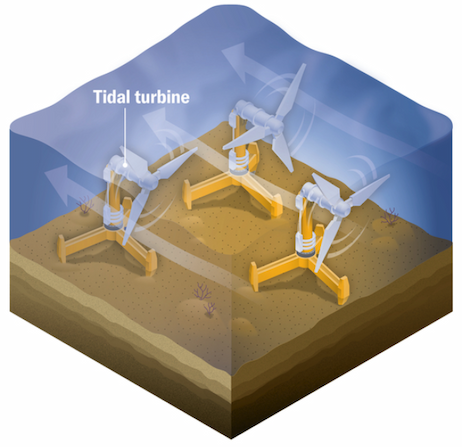
2. Power of the Tides: Tides that ebb and flow along our planet’s coastlines carry tremendous energy, with a harvestable potential estimated at 1,200 terawatt-hours per year, more than a quarter of annual power generation in the U.S. That energy can be harnessed in much the same way that wind farms harness moving air. The problem is that placing turbines underwater exposes them to intense tidal forces. Saltwater corrosion, ocean debris and the sheer force of rushing water often cause turbines to fail. New designs of underwater turbines help them last longer.
Name of project: MeyGen
Location: Scotland
Name of technology: Tidal stream energy
Power generation: Six megawatts (increasing to 65 megawatts by 2031)
How it works: Built on massive foundations and equipped with blades that adjust to align with the tide, the turbines are engineered to withstand extreme, fast-flowing marine currents. One of MeyGen’s turbines has reached a major milestone in performance, running for more than seven years without unplanned maintenance. MeyGen plans to add 20 turbines by 2031, boosting its capacity to 65 megawatts. According to Ampeak Energy, which owns the project, the site could ultimately produce nearly 400 megawatts.
|
|
|
|
|
|
TRAVEL WITH SCIENTIFIC AMERICAN
|
|
Discover the Wonder: The Monarch Butterfly Migration
|
|
Join me for an adventure in Mexico! We'll hike into the mountains among the oyamel fir trees to witness the migration of monarch butterflies. Plus, we'll see some other fabulous cultural sites, enjoy delish local cuisine and you'll get to hang out with me, your devoted newsletter writer. Email me with questions or click below for more details. I'd love to see you among the butterflies!
|
|
|
|
|
NASA’s Goddard Space Flight Center and M. Troxel
|
|
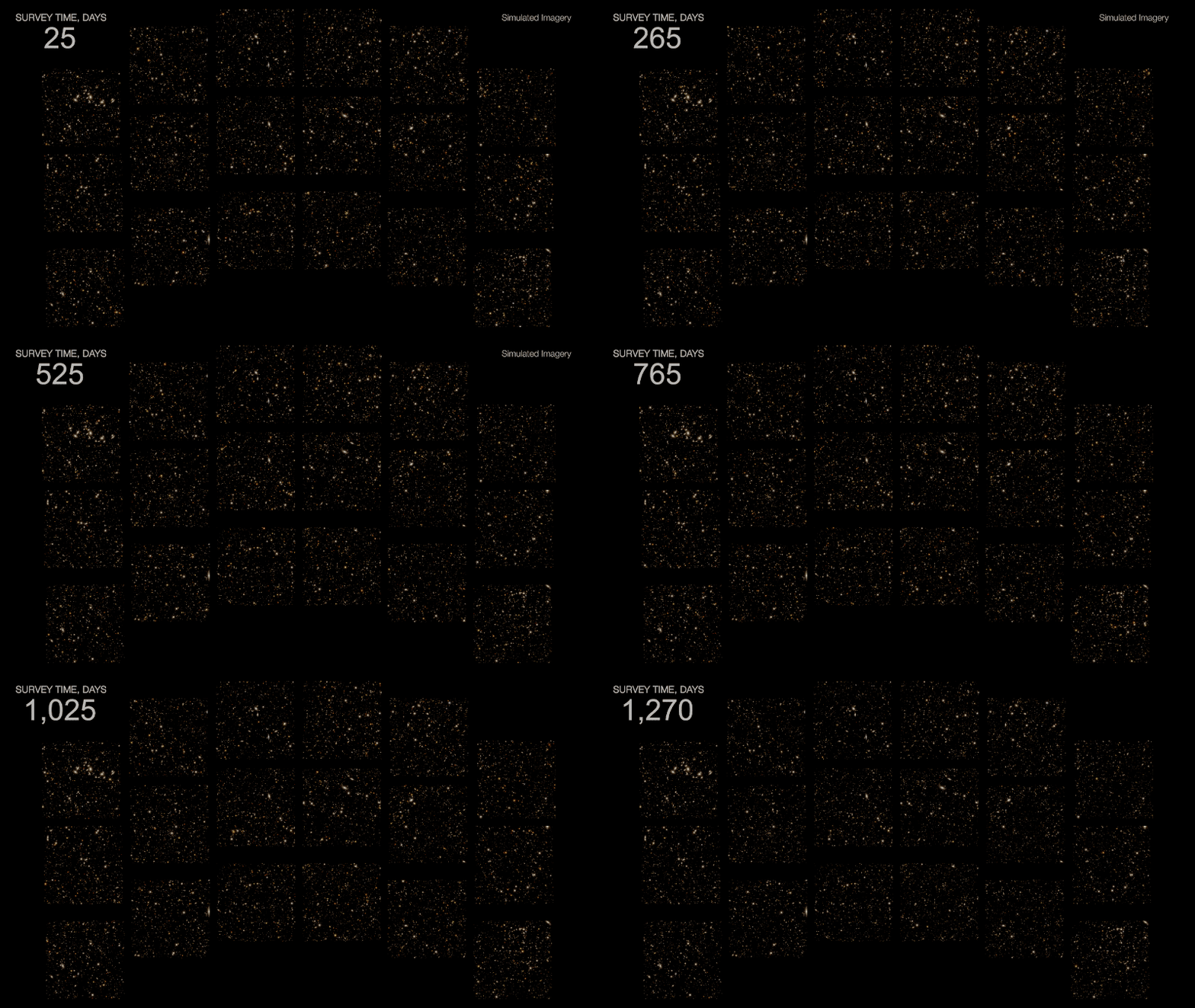
In just a few days, if all goes well, NASA will launch its latest observatory, the Nancy Grace Roman Telescope. This simulation shows what the Roman scope could see in one of its deep-space surveys. The flashes are more than a million supernova explosions bursting and fading against a background of stars and faraway galaxies—representing just a small fraction of the dynamic, transient events Roman will capture during its five-year primary mission. Read more here.
|
|
If you weren't in the path of the total solar eclipse two weeks ago, tonight's your chance to see a near-total lunar eclipse in which Earth’s umbra—the shadow cast when the sun is blocked by our planet—will cover 96.3 percent of the moon. At around 10:34 P.M. EDT tonight people in the Americas, Africa and Europe will see the moon start slipping into Earth's shadow. Peak eclipse will be at 12:13 A.M. EDT when the moon will take on a reddish hue and should be visible anywhere in the U.S. Click here for more details. And if you snap a good photo of the "blood moon," be sure to share it with us! Send to the email address below or simply hit "reply" to this email.
|
|
Send photos and any other comments to: newsletters@sciam.com. I'll be out tomorrow, but you'll be in good hands with Robin Lloyd.
—Andrea Gawrylewski, Chief Newsletter Editor
|
|
|
|
|
Subscribe to this and all of our newsletters here.
|
|
Scientific American
1000 N West Street, Suite 1200
|
|
|
|
|