Thursday, August 27, 2026

Space & Physics: NASA's latest telescope will explore the "dark" universe

Plus, Pluto’s still not a planet                    

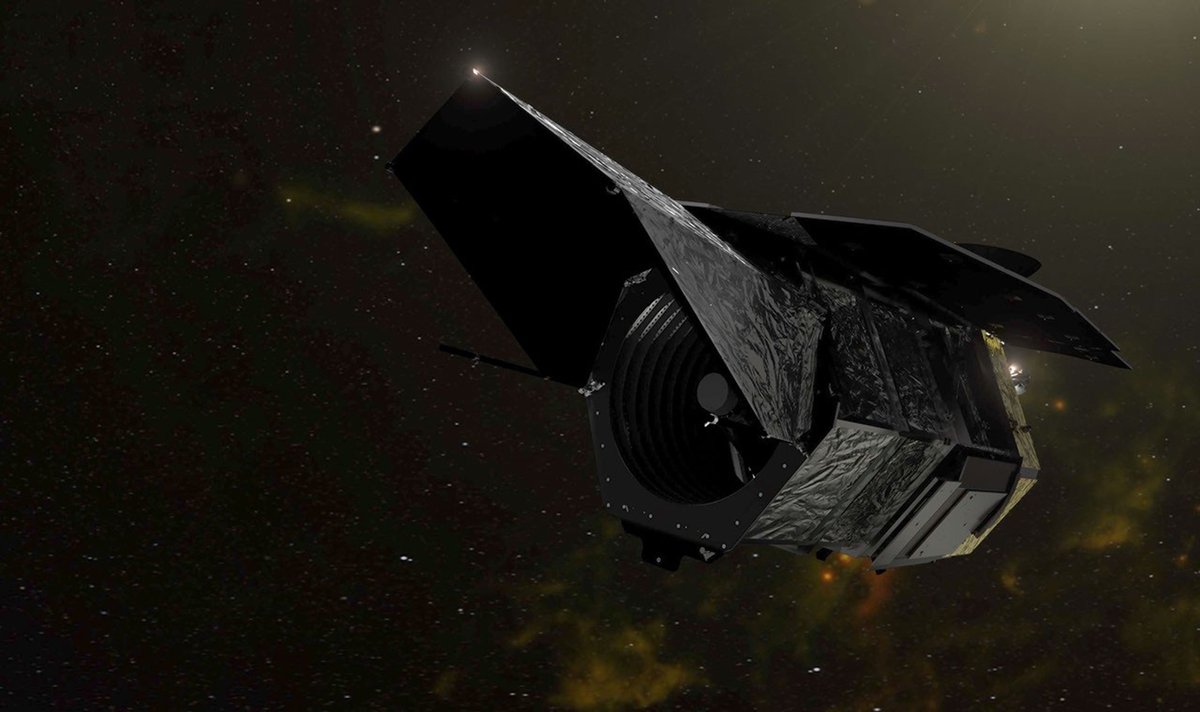
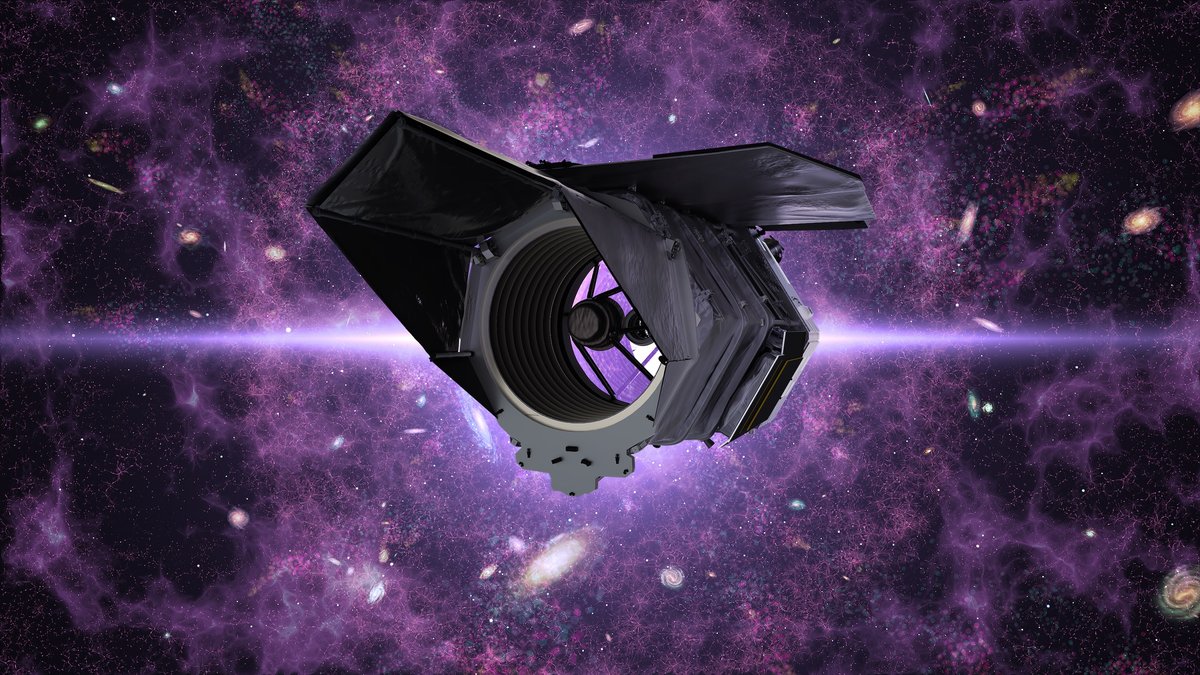
August 27—This week, we’re anxiously awaiting Sunday’s launch attempt for NASA’s Nancy Grace Roman Space Telescope, an extraordinary observatory that could crack the case on the universe’s biggest mystery. Stay tuned for more coverage next week. But while you’re waiting, consider planning for tonight’s lunar eclipse, reading about Mars’s two-faced nature, and debating the still-controversial matter of Pluto’s planethood. Enjoy!

Thoughts? Questions? Let me know via e-mail (lbillings@sciam.com), X or Bluesky.

Lee Billings, Senior Editor, Physical Sciences

Top Stories
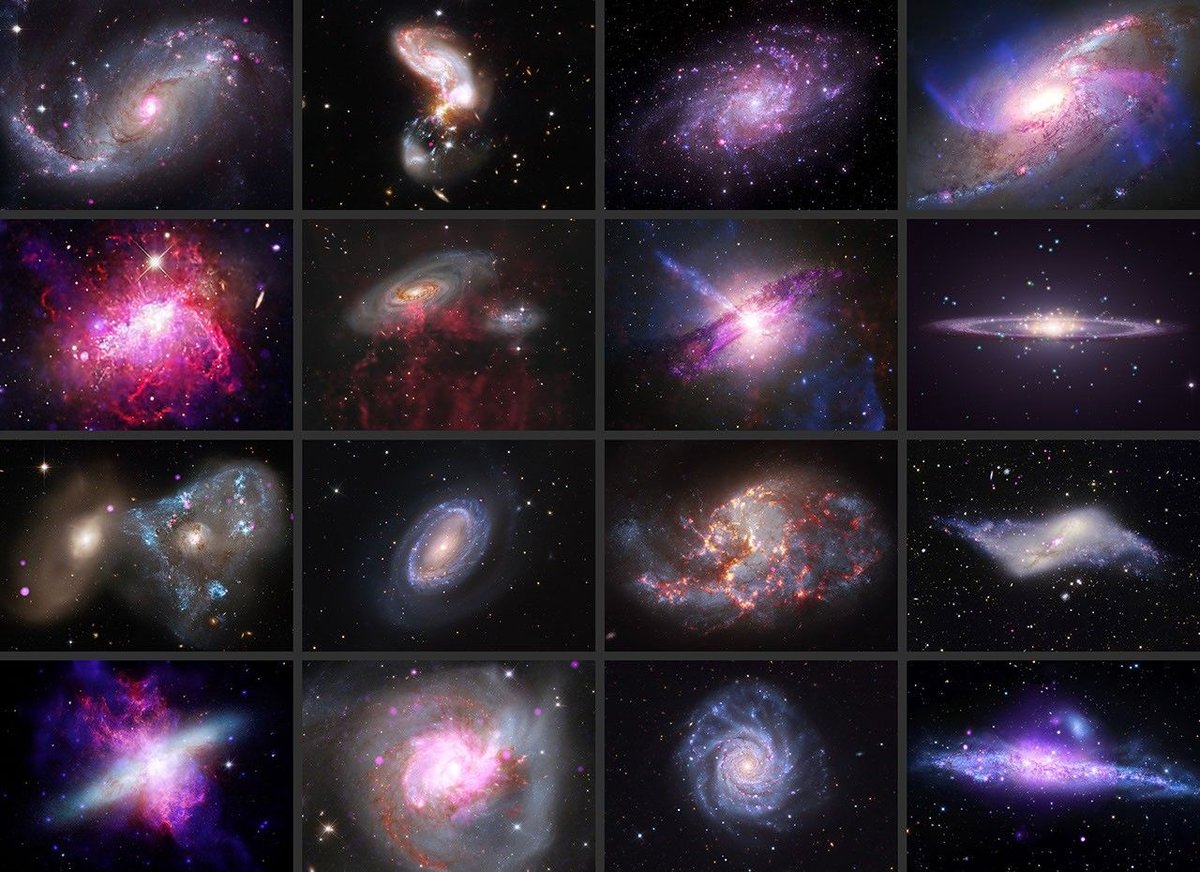
Can NASA’s Roman Space Telescope solve the biggest problem in the universe?

The more scientists try to understand dark energy, the more its mysteries seem to grow. NASA’s newest space telescope is custom-built to crack the case

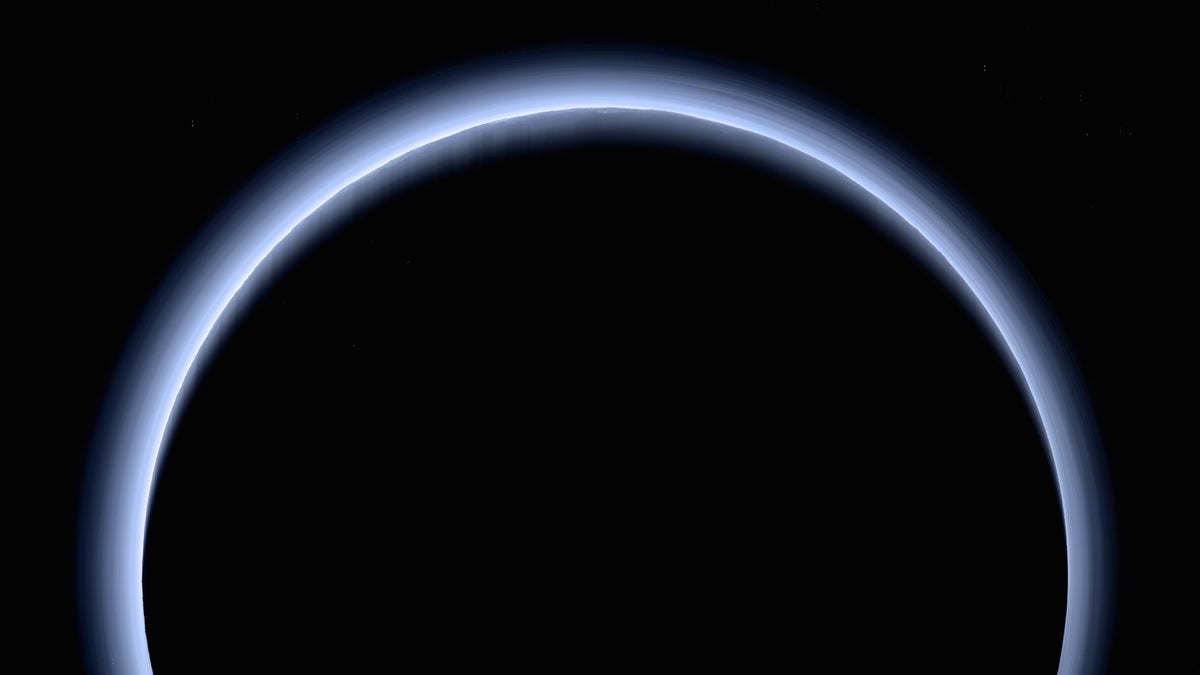
Pluto still isn’t a planet—unless Earth’s moon is, too

On the 20th anniversary of Pluto’s infamous demotion, Mike “Pluto Killer” Brown explains why any reversal of that decision would be driven more by nostalgia than science

Big universe, tiny cost. Immerse yourself in science with a subscription to Scientific American. Get 90 days for just $1!
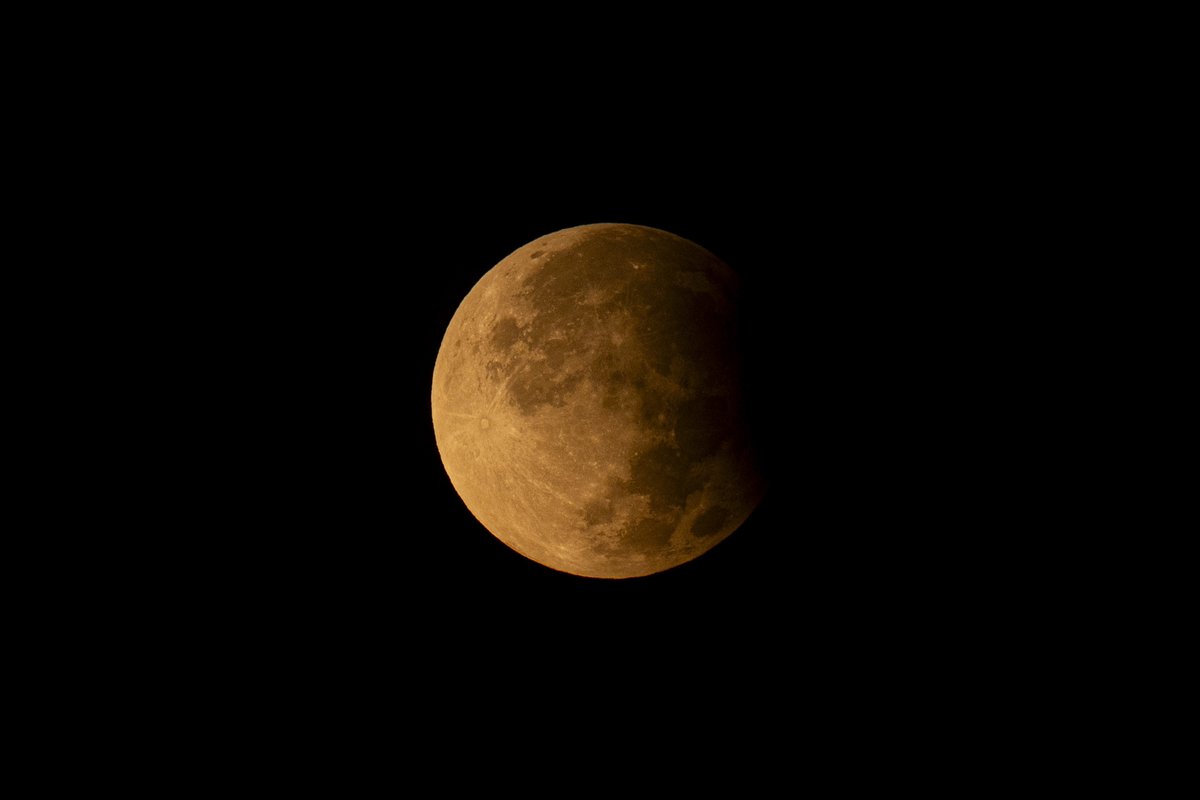
You need to see the ‘blood moon’ lunar eclipse this week

This near-total eclipse will be visible from the Americas, Africa and Europe—here’s how to see it

NASA’s newest telescope is about to rewrite how we study the universe

Astronomers are lining up to leverage NASA’s soon-to-launch Nancy Grace Roman Space Telescope, which boasts capabilities unlike any previous off-world observatory

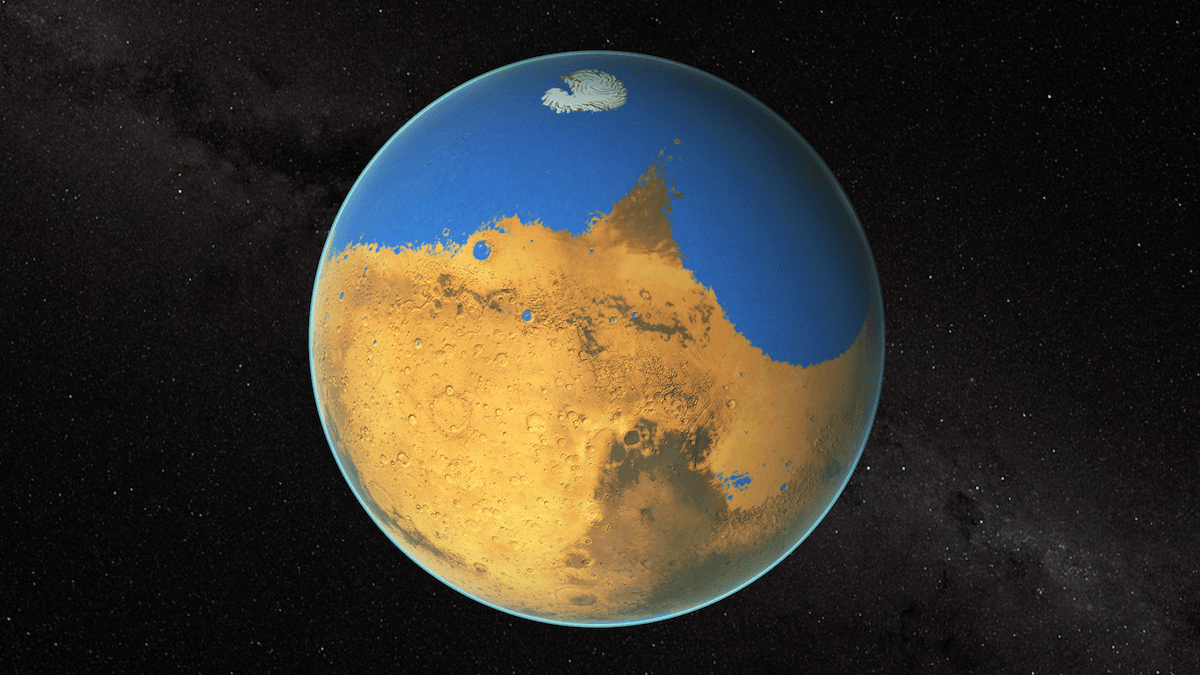
Bizarre ‘thermal anomaly’ may explain Mars’s two-faced appearance

The Red Planet’s global geography of low-lying northern plains and rugged southern highlands seems to have surprisingly deep roots, with profound implications for Mars’s ancient habitability

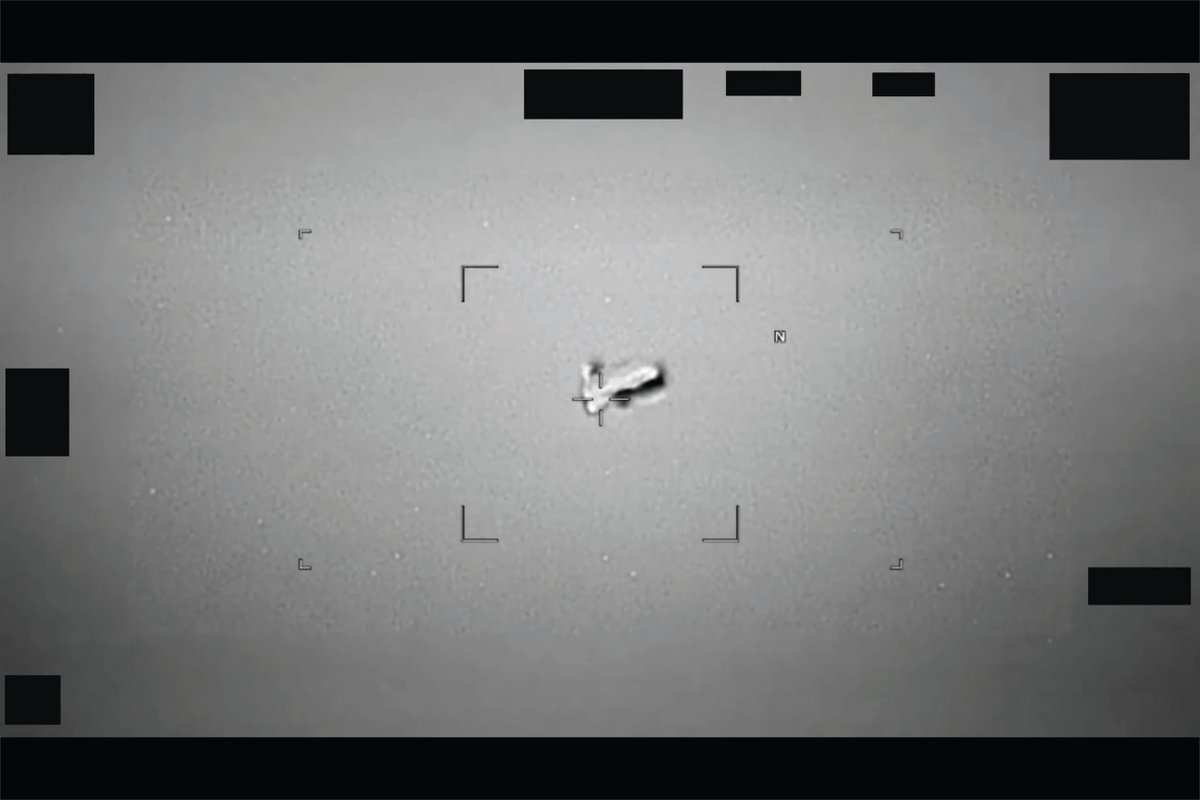
More Americans believe the government is withholding information about UFOs

According to a new poll, more Americans also think they have seen a UFO now than they did in the past 53 years

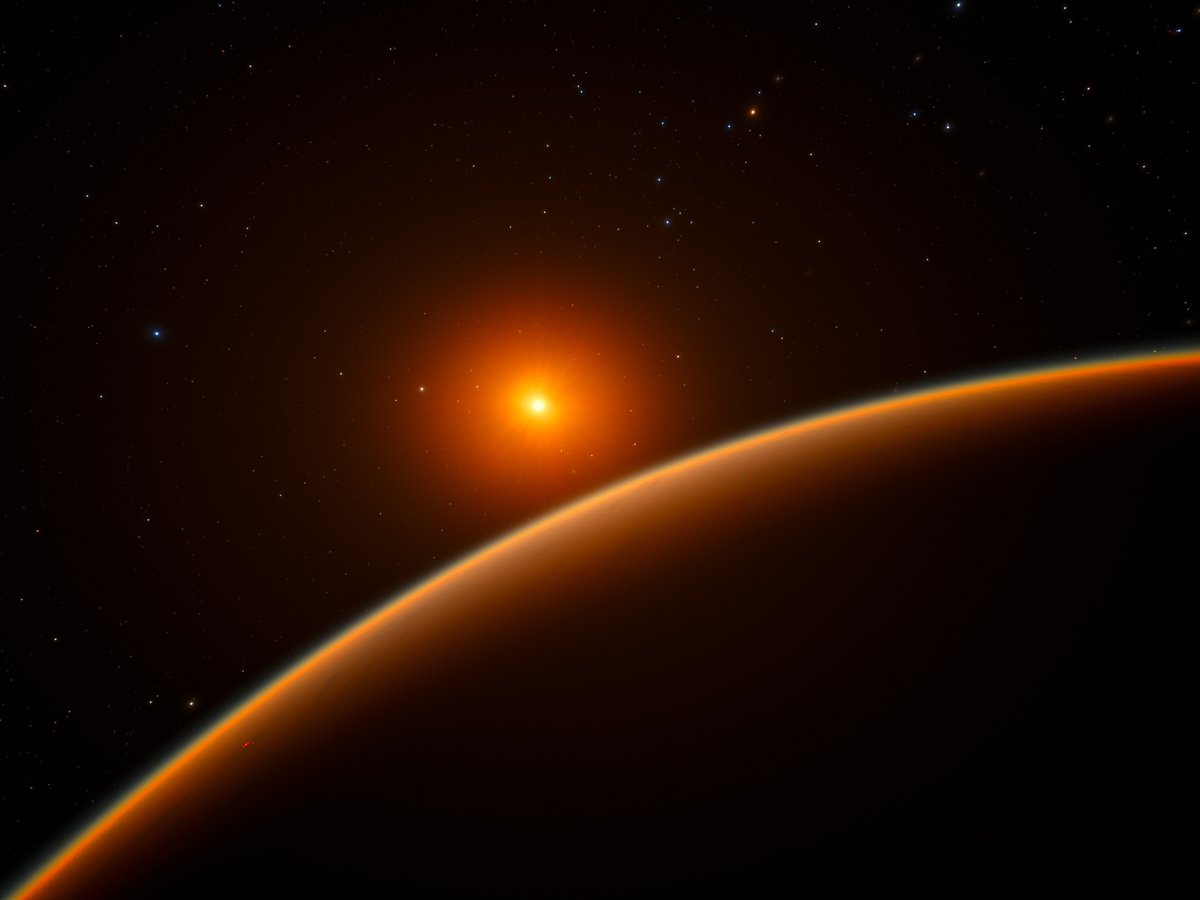
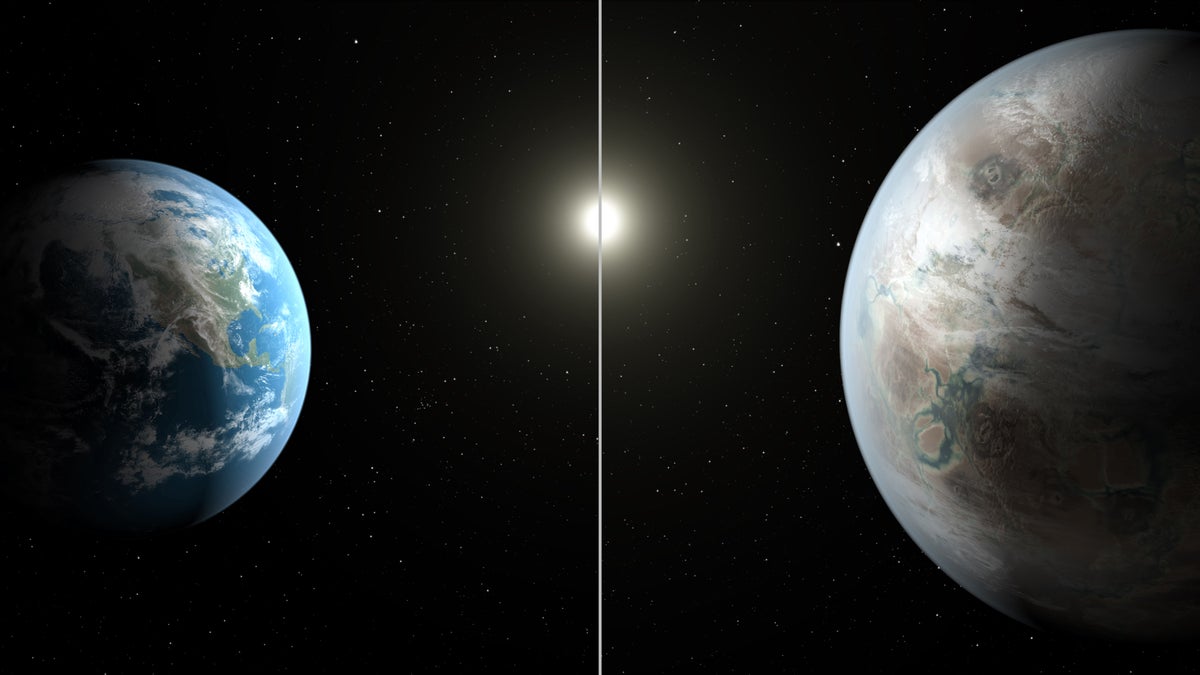
Can we stop calling exoplanets ‘Earth-like,’ please?

Claiming an exoplanet to be “Earth-like” is a trend that needs to bite the dust

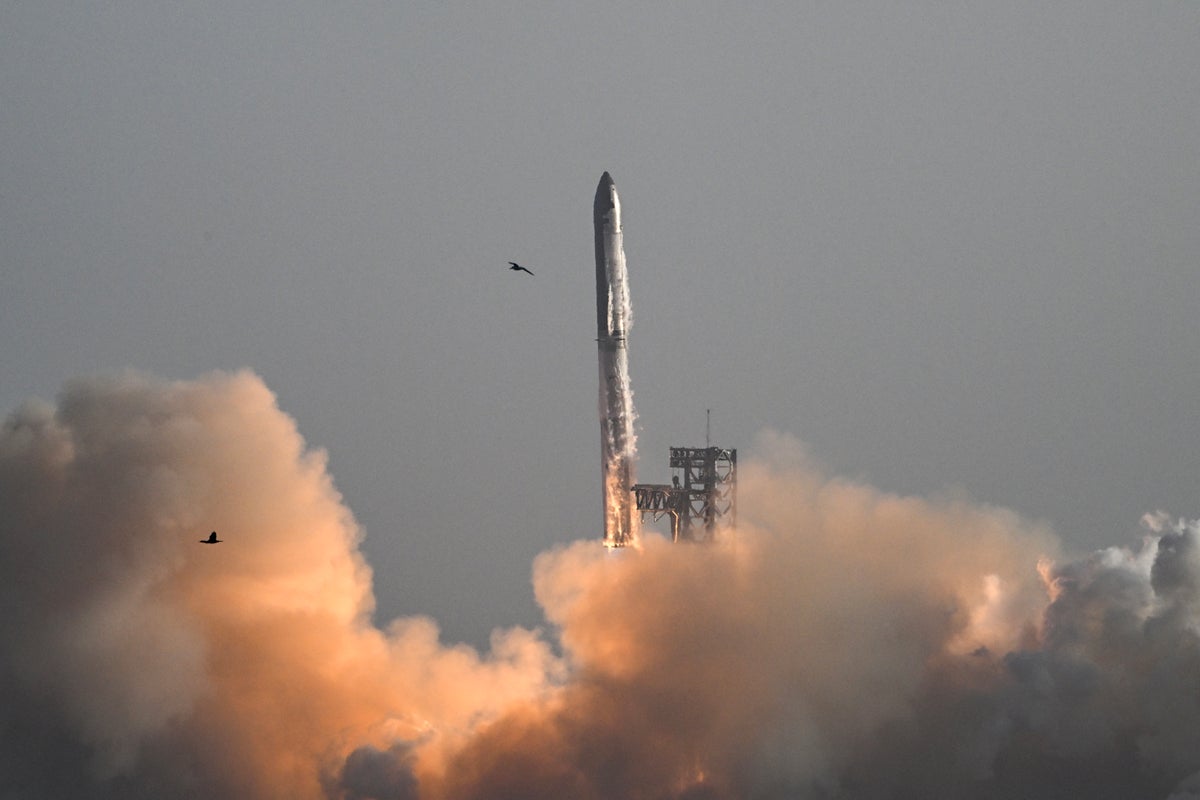
SpaceX to expand beyond Texas Starbase with new Louisiana spaceport dedicated to Starship

The new spaceport will support thousands of launches each year, according to SpaceX

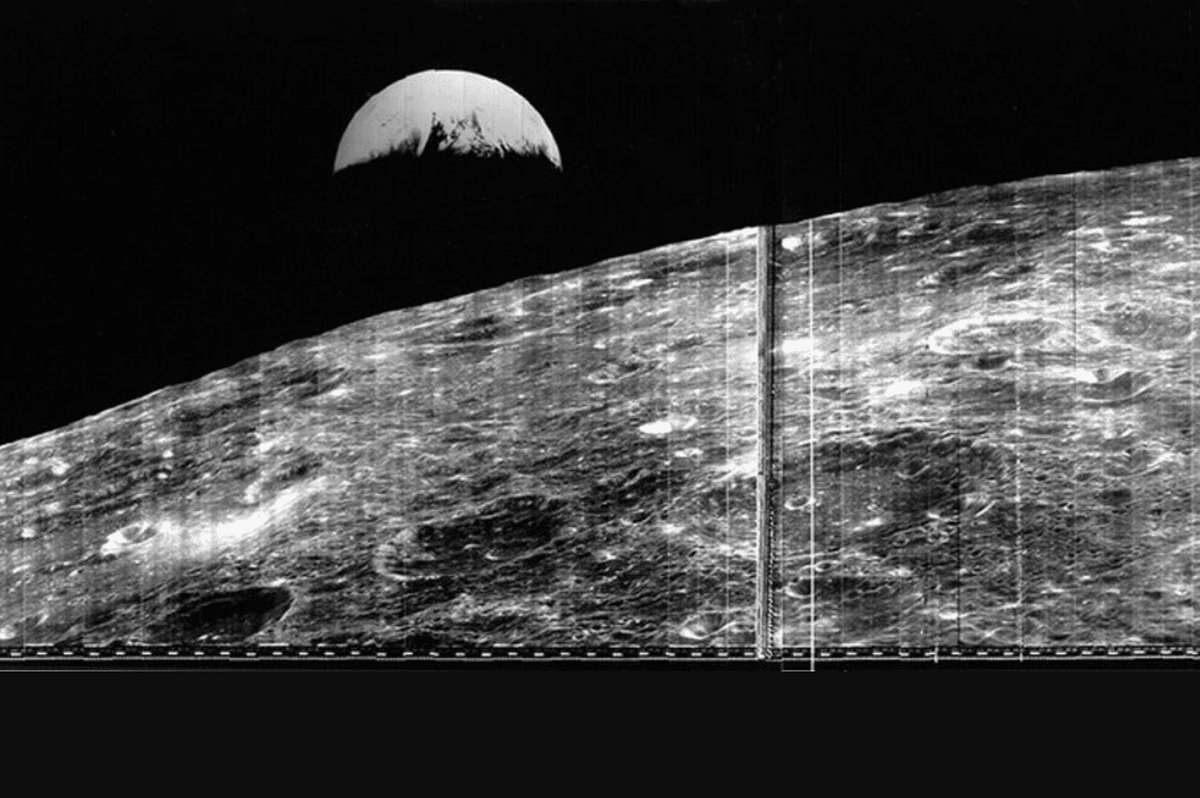
60 years ago NASA took the first ever photo of Earth from the moon

Snapped on August 23, 1966, by the uncrewed Lunar Orbiter 1, the photo’s legacy lives on in the breathtaking images of Earth taken by the Artemis II crew

What We're Reading
  • The world’s busiest spaceport is about to get a lot quieter, at least for now | Ars Technica
  • Fox Business Host Learns NASA’s New Telescope Isn’t Named After That Nancy Grace | Gizmodo
  • Richard Feynman’s 80-year-old quantum postulate has now been validated | New Scientist

From the Archive
In the Search for Life beyond Earth, NASA Dreams Big for a Future Space Telescope

Astronomers are moving ahead in planning NASA’s Habitable Worlds Observatory, a telescope designed to answer the ultimate question: Are we alone in the universe?

Scientist Pankaj

Space & Physics: NASA's latest telescope will explore the "dark" universe

Plus, Pluto’s still not a planet                     ...