Wednesday, August 12, 2026

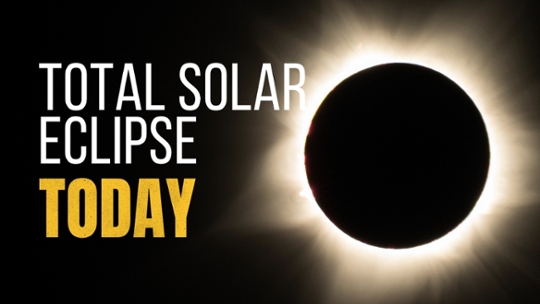
A total solar eclipse will darken the sky today!

A total solar eclipse will darken the sky today! | SpaceX could make $500 billion in 2028 | SpaceX launches 29 Starlink satellites to orbit from Florida
Created for ceo.studentlike.spuniv@blogger.com | Web Version
 
August 12, 2026
FOLLOW US X Facebook Instagram Youtube
 
Space.com
Taking you out of this world, every day SIGN UP ⋅   WEBSITE
 
 
The Launchpad
 
A total solar eclipse will darken the sky today!
Space.com
Happy Wednesday, space fans!

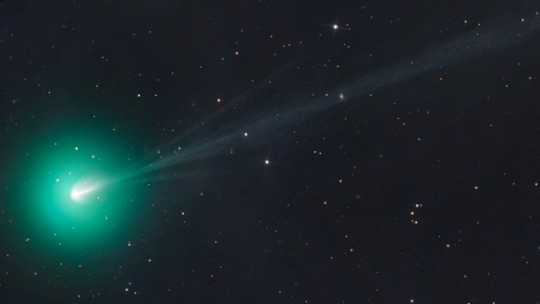
Or should I say: Happy eclipse day! Today we have finally arrived at the day of the total solar eclipse. People around the world will be able to see the eclipse (even partial views of the eclipse will be visible for many), so check out our coverage to see if you'll have a view so you can make an eclipse plan. But the fun doesn't stop there, as today is not only the total solar eclipse but also the peak of the Perseids meteor shower! Will you try and spot the Perseids? Do you think you might be able to catch both the eclipse and a shooting star? Speaking of awesome cosmic spectacles in the sky, two astrophotographers got an incredible view recently, capturing a green comet soaring across the night sky over Namibia, check out their spectacular photo!

Check out what's big in space below:
 
What you need to know


Spaceflight
 
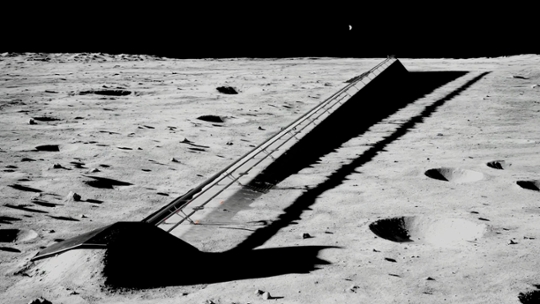
SpaceX could make $500 billion in 2028
Space.com
SpaceX started out as a launch company, but it has been transitioning into an artificial intelligence outfit — one that's poised to make huge profits in the coming years, Elon Musk says.
 
According to Elon
 
SpaceX launches 29 Starlink satellites to orbit from Florida
Space.com
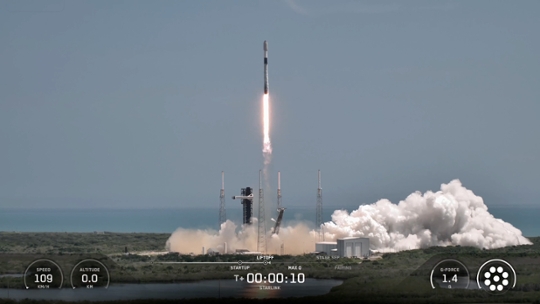
SpaceX launched 29 more of its Starlink internet satellites to orbit from Florida's Space Coast today (Aug. 11).
 
Off they go


Skywatching
 
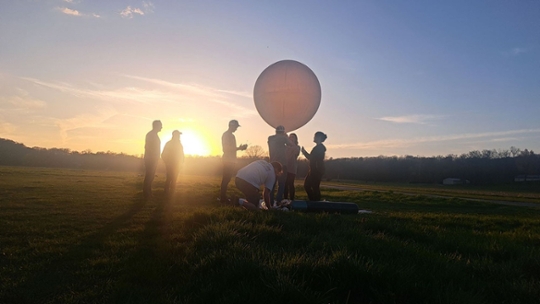
NASA will chase the eclipse with balloons and a jet
Space.com
"Scientists can study the sun's corona in a way we can't from anywhere else in the solar system."
 
But why?
 
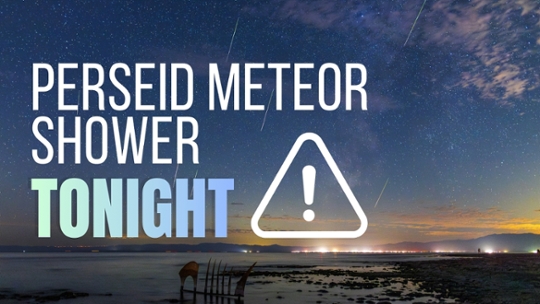
Perseid meteor shower peaks under perfect skies tonight
Space.com
Don't miss the peak of the Perseid meteor shower tonight. Here's when, where and how to see it.
 
What to expect


Science & Astronomy
 
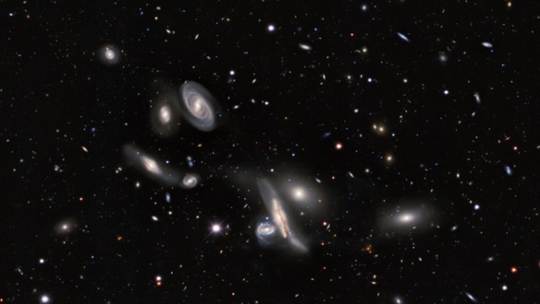
Scientists create largest 2D map of the universe 
Space.com
"It's part of the fabric of astronomy research now."
 
It's magnificent
 
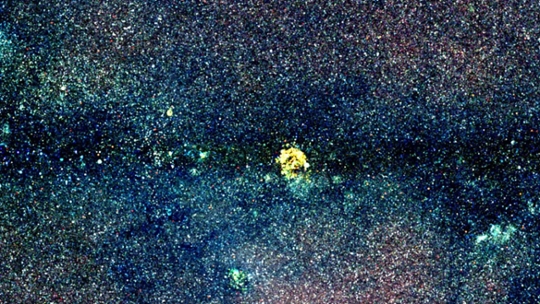
Scientists find 2 million active black holes and more
Space.com
Astronomers have nearly doubled the number of known cosmic X-ray sources.
 
An incredible finding


Today in Space
 
Green comet caught soaring over Namibia 
Space.com
A shot so spectacular it will leave other astrophotographers green with envy.
 
What a sight
 
On this day! Mars Reconnaissance Orbiter launched
Space.com
On Aug. 12, 2005, NASA launched its Mars Reconnaissance Orbiter (MRO) mission.
 
A historic day


Entertainment
 
'Star Trek: Strange New Worlds': Season 4's big leaps
Space.com
"I think the producers had more time to prepare for season 4 and every episode felt incredible on the page"
 
What do you think?


Editor's Note
 
Editor's Note
That's it for our space update today!

We are all eclipse all day today, with just a couple of hours (ish) until people around the world start experiencing totality. However, whether you're getting a view of totality or just a partial eclipse, the timing will be different depending on where you're watching from so make sure to check out our eclipse updates to make sure you don't miss the fun. For those new to eclipses, a total solar eclipse happens when the moon and sun perfectly align and from our view on Earth, causing the the moon to temporarily block the sun from view. We call the moments when the sun is fully blocked "totality," but even a partial eclipse, or partial covering of the sun, can be a strange and fascinating event to witness. 

With the total solar eclipse and the peak of the Perseids meteor shower happening today, there is plenty to look at in the sky (though for those looking to watch the eclipse, proper eclipse eyewear is critical to make sure that you aren't looking at the sun for any period of time). So figure out what will be visible from where you live, gather your friends together, and enjoy the natural sights together! To follow closely along and stay up to date with all things space, you can now get Space.com right in the palm of your hand with our new app available now on iOS and Android.

Ad astra, per aspera
Chelsea Gohd
Content Manager, Space.com


Stay up-to-date on all things space science, news, and entertainment by subscribing to our newsletters.
Sign Up


Future Follow SPACE X Facebook Instagram Youtube
Contact Us: Feedback | Advertise
Sign Up | Update Profile | Unsubscribe
Privacy Policy | Cookies Policy | Terms and Conditions
When you purchase through links in our content, we may earn an affiliate commission.
 
Future US LLC ©
Full 7th Floor, 130 West 42nd Street, New York, NY, 10036

Scientist Pankaj

Space & Physics: The total solar eclipse of 2026

Plus, a newfound ‘black hole star’                     ...