See last night’s ‘blood moon’ eclipse from around the world ͏ ͏ ͏ ͏ ͏ ͏ ͏ ͏ ͏ ͏ ͏ ͏ ͏ ͏ ͏ ͏ ͏ ͏ ͏ ͏ ͏ ͏ ͏ ͏ ͏ ͏ ͏ ͏ ͏ ͏ ͏ ͏ ͏ ͏ ͏ ͏ ͏ ͏ ͏ ͏ ͏ ͏ ͏ ͏ ͏ ͏ ͏ ͏ ͏ ͏ ͏ ͏ ͏ ͏ ͏ ͏ ͏ ͏ ͏ ͏ ͏ ͏ ͏ ͏ ͏ ͏ ͏ ͏ ͏ ͏ ͏ ͏ ͏ ͏ ͏ ͏ ͏ ͏ ͏ ͏ ͏ ͏ ͏ ͏ ͏ ͏ ͏ ͏ ͏ ͏ ͏ ͏ ͏ ͏ ͏ ͏ ͏ ͏ ͏ ͏ ͏ ͏ ͏ ͏ ͏ ͏ ͏ ͏ ͏ ͏ ͏ ͏ ͏ ͏ ͏ ͏ ͏ ͏ ͏ ͏ ͏ ͏ ͏ ͏ ͏ ͏ ͏ ͏ ͏ ͏ ͏ ͏ ͏ ͏ ͏ ͏ ͏ ͏ ͏ ͏ ͏ ͏ ͏ ͏ ͏ ͏ ͏ ͏ ͏ ͏
August 28, 2026—How our brains learn to read, the weird coincidence of Tropical Storm Dolly, and the potential launch of “Hubble on steroids.” Happy Friday, folks! Andrea will be back on Monday.
—Robin Lloyd, Contributing Editor
|
|
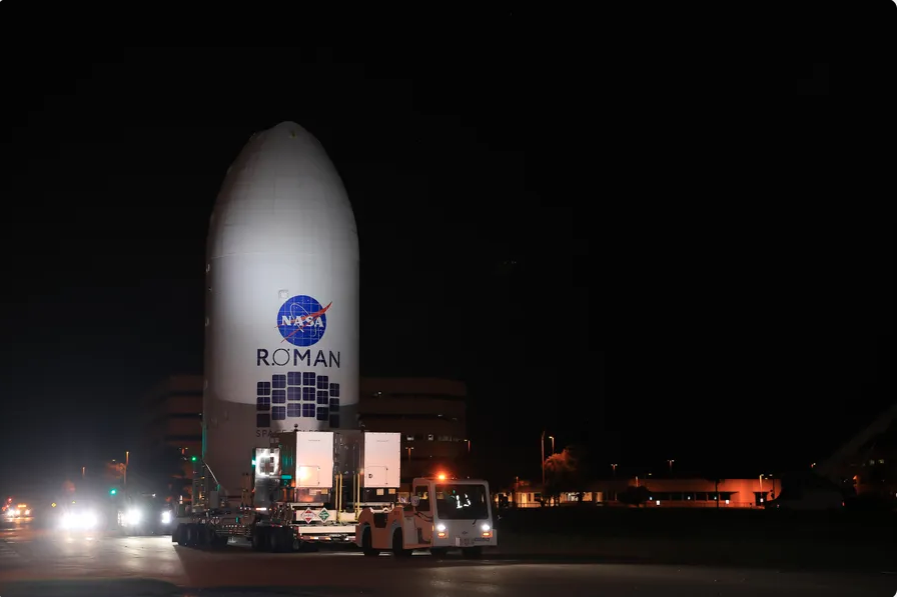
A payload fairing containing NASA’s Nancy Grace Roman Space Telescope is towed to a hangar at NASA’s Kennedy Space Center on Tuesday, Aug. 25, 2026, ahead of mating to a SpaceX Falcon Heavy rocket. NASA/Kim Shiflett
|
|
Today (yes, today!) is Scientific American's 181st birthday! We've been covering the most important developments in science for 176 years. Help us continue on this important mission by subscribing. Just $1 for 90 days. Happy birthday to us!
|
|
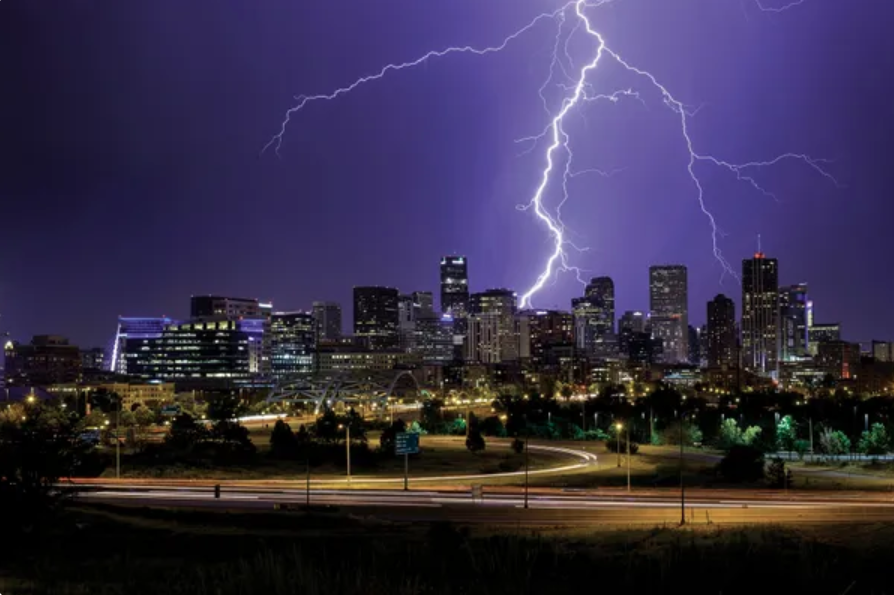
Lightning seen over Denver. Art Escobado/Getty Images
|
|
City Weather
Urban landscapes affect storm types in different ways, helping to explain why the intensity and frequency of rainfall in cities can vary from rainfall in surrounding areas, a new study concludes. Relying on radar data from 40,000 storms in four Texas cities across 23 years, the researchers found that short-lived, localized storms are more frequent and produce more rainfall in cities because city heat intensifies storms. On weekdays, particles of air pollution from workplaces and commuter vehicles may help to form more clouds that produce storms. Cold-front storms, in which cold air moves into and displaces a region’s warmer air, weaken when they pass over cities. The thinking is that densely clustered buildings act like jagged spikes that mix up and heat the incoming cold air.
Why this matters: Urban climate models that factor in storm types could significantly improve efforts to anticipate future flood hazards, helping planners design cityscapes that are more resilient to climate change.
What the experts say: The radar sources made it possible to map rain intensity in 3D. The technique allowed the researchers “see the whole structure of a storm event,” yielding better insights into different storm types and their outcomes in cities, says the study’s lead author Xinxin Sui, a hydroclimatologist at the Colorado School of Mines.
—Emma Gometz, Newsletter Editor
|
|
Deep Fossils
Deep in Canada’s Northwest Territories, researchers recently unearthed a new trove of fossils of strange, soft-bodied creatures from more than half a billion years ago. The find provides a rare glimpse into a geological period called the Ediacaran, which ended just before the Cambrian explosion of biological diversity. The fossils, found on what was an ancient sea floor (and is now a snow-capped mountain range), included remnants of spongelike, tubular organisms known as Funisia, “the Frisbee-like Dickinsonia, which lacked a mouth and hoovered up algae through its underbelly, and Kimberella, a teardrop-shaped creature that scraped the seafloor and may be related to modern mollusks,” writes freelance science writer Jack Tamisiea. The fossils represent some of Earth’s earliest and most mysterious complex life-forms.
Why this matters: Some of these creatures moved around and even reproduced sexually, making them surprisingly complex for their evolutionary time.
What the experts say: The new site also provides evidence that the earliest animals on Earth first emerged in deep-sea environments. Although the ocean’s cold, dark depths can seem inhospitable, the deep sea’s temperature and available oxygen are comparatively stable, providing advantages for life. “That stability might have been a really great place for animals to first show up and evolve,” says Scott Evans, a paleontologist at the American Museum of Natural History. “If you can figure out one temperature, you’re good to go.”
—Emma Gometz, Newsletter Editor
|
|
|
|
|
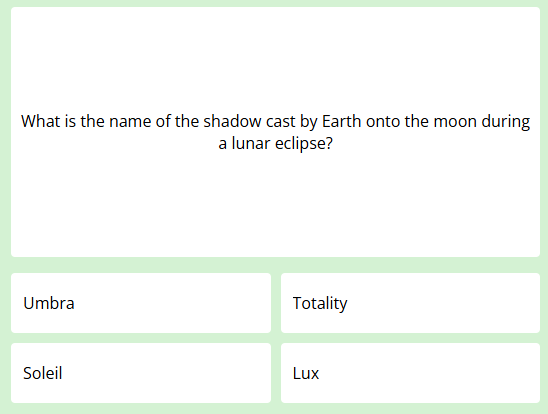
Do you know the answer to the first question in this week's science news quiz? Give it a try. And don't miss today's Spellements. If you spot any science words missing from Spellements, email them to games@sciam.com. In recent days, reader Mitch S. found lahar, Esther G. found capsaicin, and Doug B. found alar.
|
|
Every Friday in summer we're recommending a great, freshly published science-related book. Tell us what you're reading, fill in your bingo card and happy reading! The Summer Reading Challenge ends Sept 1.
|
|
The Savage Landscape: How We Made the Wilderness
by Cal Flyn. Penguin Random House, Jul 28, 2026.
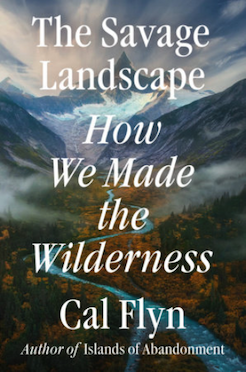 Humans are drawn in by both the beauty and the terror of Earth’s wild places. In this sweeping book, journalist Cal Flyn visits many of the world’s most untouched places and grapples with the very idea of wilderness. The concept, she discovers, has shaped and been shaped by human societies, from the dark Romanian woods where shepherds try to ward off hungry bears to deserts where ascetic monks seek spiritual purity. Her poetic writing transports you to her side as she wrestles with provocative questions of whether true wilderness can really exist, and what it means to preserve it. —Andrea Thompson, Senior Editor Humans are drawn in by both the beauty and the terror of Earth’s wild places. In this sweeping book, journalist Cal Flyn visits many of the world’s most untouched places and grapples with the very idea of wilderness. The concept, she discovers, has shaped and been shaped by human societies, from the dark Romanian woods where shepherds try to ward off hungry bears to deserts where ascetic monks seek spiritual purity. Her poetic writing transports you to her side as she wrestles with provocative questions of whether true wilderness can really exist, and what it means to preserve it. —Andrea Thompson, Senior Editor
|
|
|
|
|
MOST POPULAR STORIES OF THE WEEK
|
|
Scientists just unleashed an army of 130,000 baby octopuses to fight off a blue crab invasion | 2 min read
See states’ kindergarten vaccination rates—from highest to lowest | 4 min read
Keto diets may offer health benefits the Mediterranean and other diets don’t | 4 min read
|
|
We always like to hear from you. Feel free to reach out any time with questions and comments: newsletters@sciam.com.
—Robin Lloyd, Contributing Editor
|
|
|
|
|
Subscribe to this and all of our newsletters here.
|
|
Scientific American
1000 N West Street, Suite 1200
|
|
|
|
|