Friday, August 28, 2026

Week in Science: New dark energy-hunting telescope to launch Sunday

Plus, a breakthrough treatment for pancreatic cancer                    

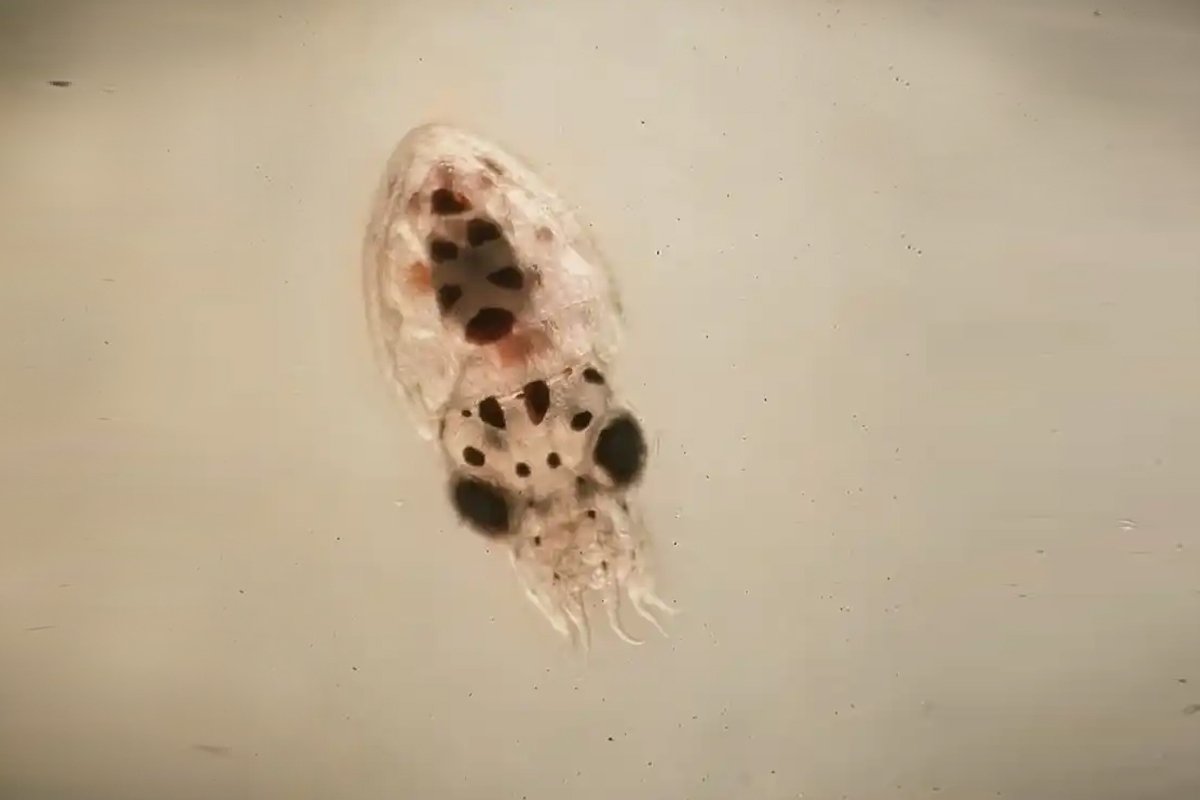
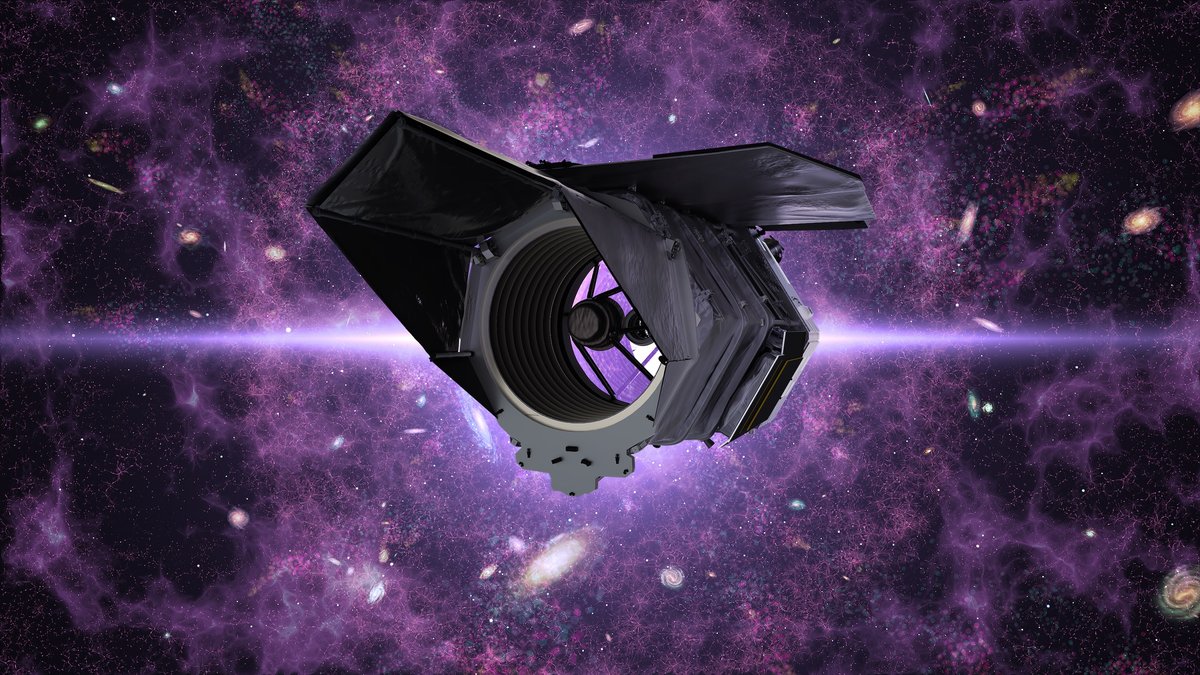
August 28—Invasive blue crabs are plaguing Mediterranean ecosystems and fisheries. So, Italian scientists have released an army of 130,000 baby octopuses into the sea to gobble them up. Plus, the latest on the Nancy Grace Roman Telescope which is set to launch on Sunday, extreme weather updates, and how trauma changes our conscious memory.

A lot happened in the world of science this week! Take our Friday quiz to test your knowledge.

Emma Gometz, Newsletter Editor

How are you liking this newsletter? Email newsletters@sciam.com anytime.

Top Stories
Scientists just unleashed an army of 130,000 baby octopuses to fight off a blue crab invasion

When fully grown, the octopuses that survive could eat up to four blue crabs per day in the Mediterranean Sea

NASA’s newest telescope is about to rewrite how we study the universe

Astronomers are lining up to leverage NASA’s soon-to-launch Nancy Grace Roman Space Telescope, which boasts capabilities unlike any previous off-world observatory

Travel with Scientific American
Experience Yellowstone as a Winter Wonderland

Reservations now open! This January, journey deep into Yellowstone National Park with your guide, Senior Desk Editor Andrea Thompson, for a spectacular week-long exploration of snowy landscapes, steaming geysers and roaming wildlife. Learn More

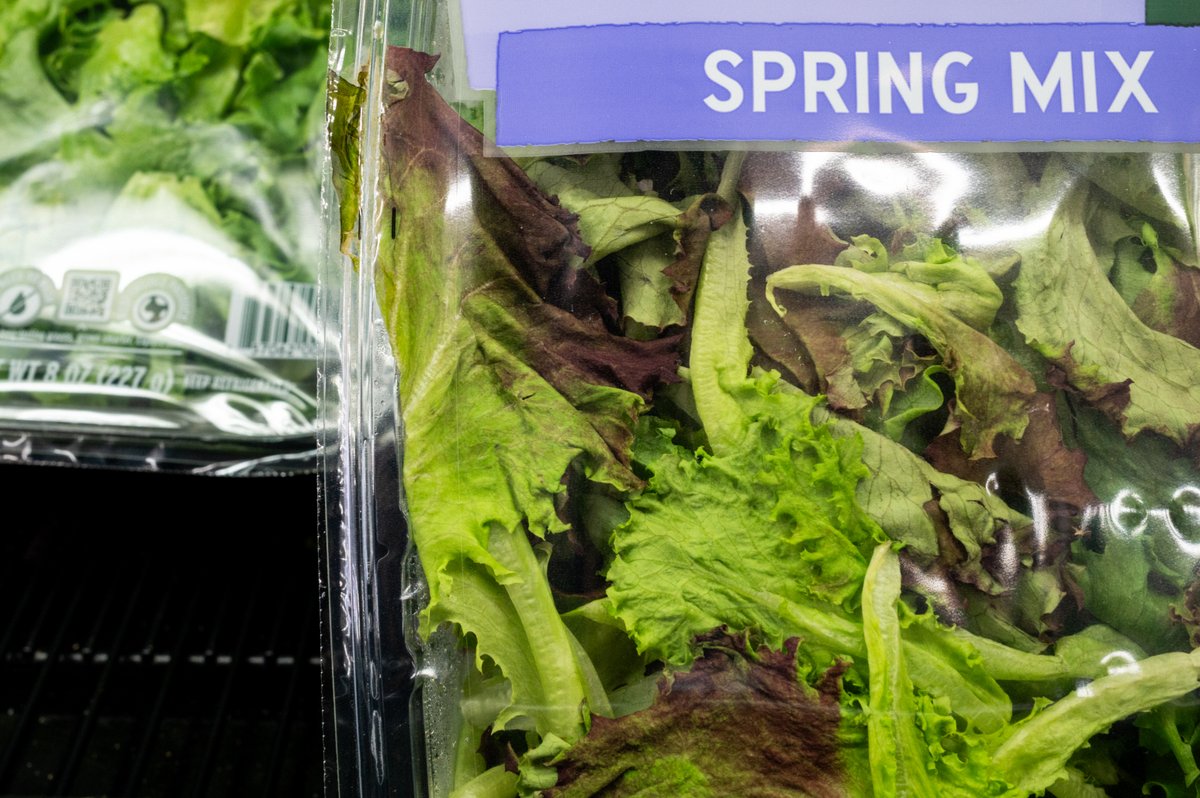
Is lettuce back on the menu? New data suggest cyclosporiasis cases are slowing

After a spike in infections in July, this explosive-diarrhea-causing outbreak may be coming to an end

A subscription to Scientific American helps make this newsletter possible—and gives you full access to the stories that spark your curiosity. Start your subscription today: 90 days for just $1.
See states’ kindergarten vaccination rates—from highest to lowest

Even as cases of diseases such as measles rise, childhood vaccinations are declining, thanks to changes in public health policies and antivaccine sentiment, experts say

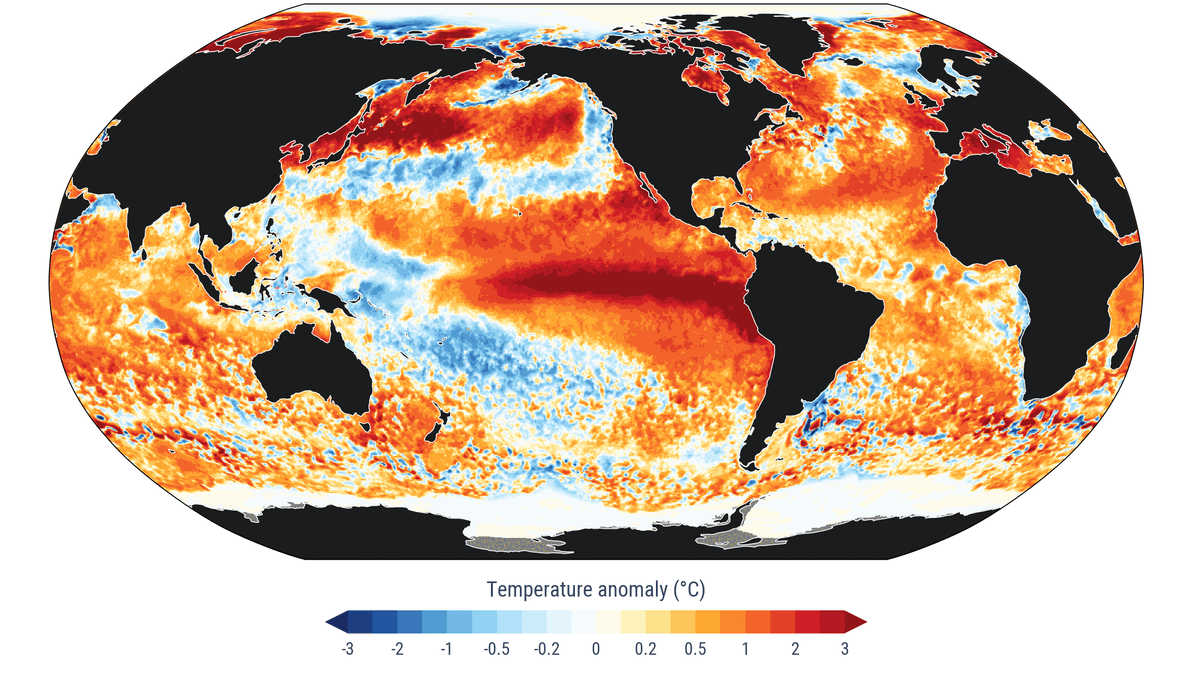
Earth’s oceans just hit their hottest temperature ever—it’s only going to get worse

The world’s oceans hit 21.10 degrees Celsius last Saturday, breaking a record set in 2024

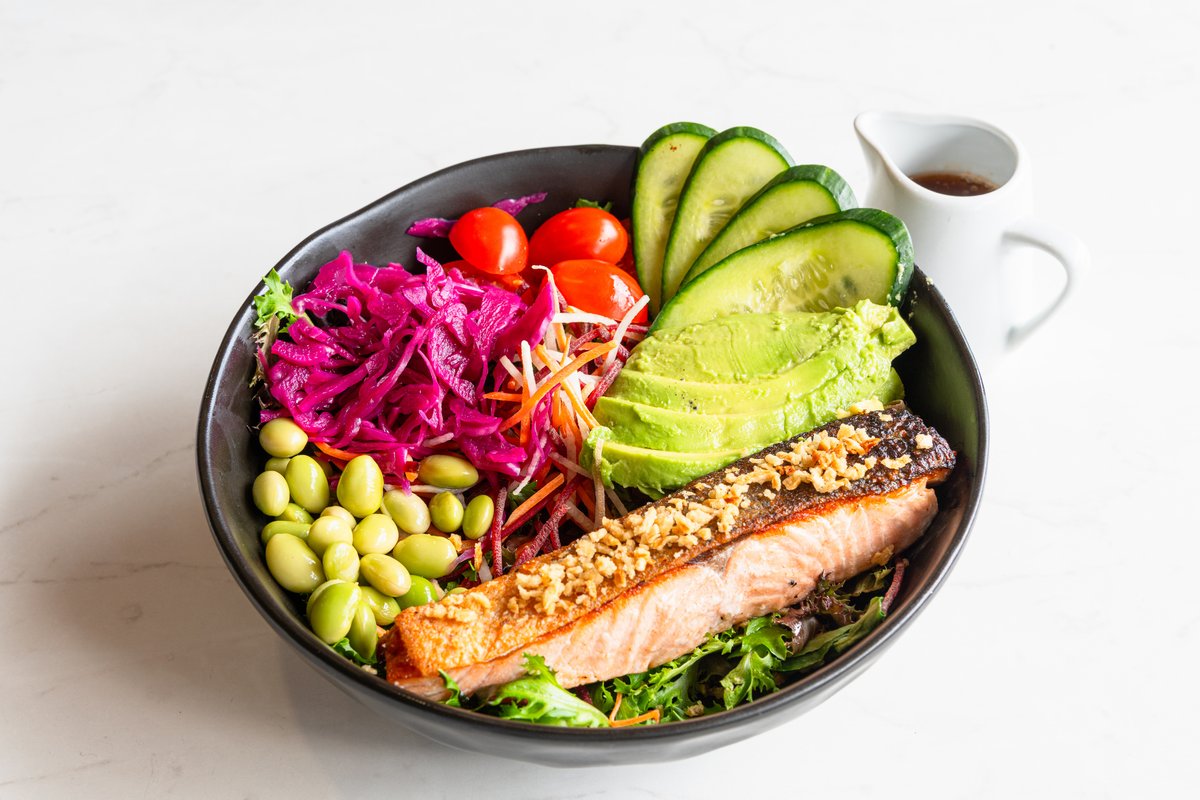
Keto diets may offer health benefits the Mediterranean and other diets don’t

In a clinical trial, people with obesity saw clear health benefits on the keto diet that they didn’t see on two other popular eating regimens

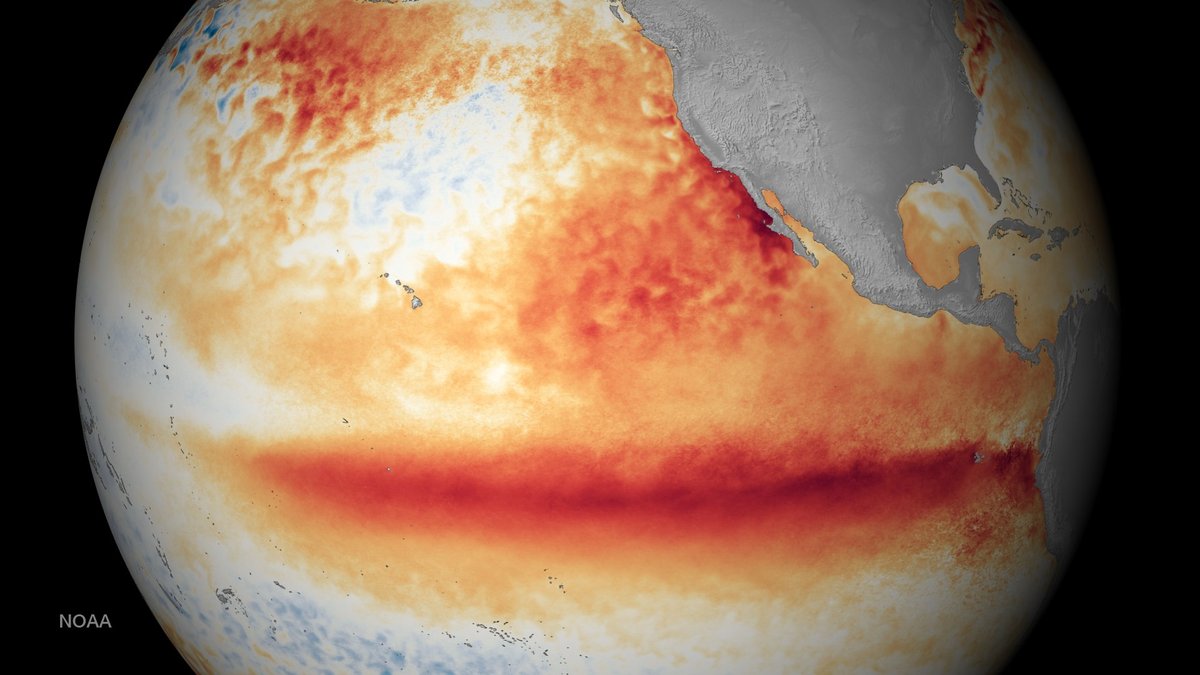
Why this El Niño will be the largest in living memory

A strengthening El Niño may surpass any seen since the 19th century and will usher in another record hot year or two

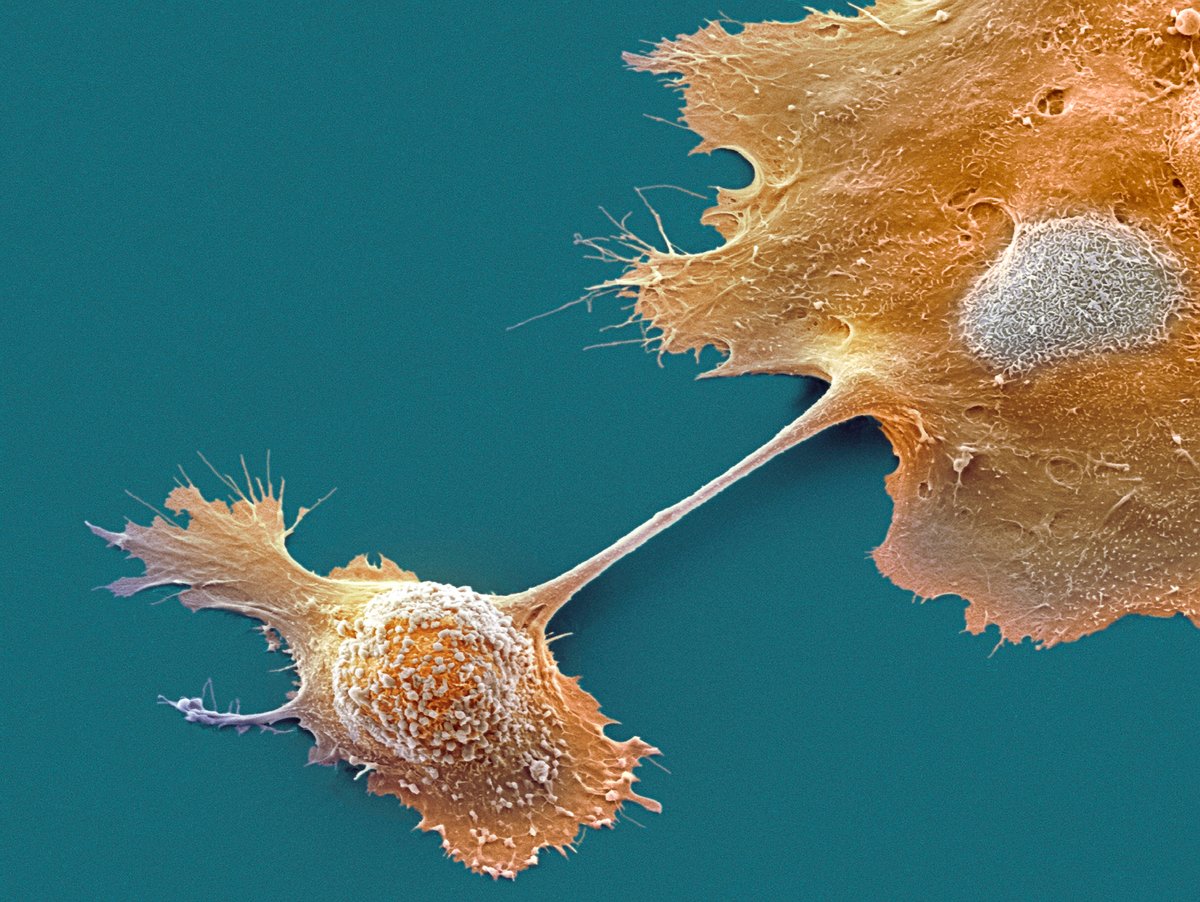
U.S. approves breakthrough pancreatic cancer drug, heralding a new era for an intractable disease

Pancreatic cancer is considered one of the hardest to treat and most serious forms of cancer

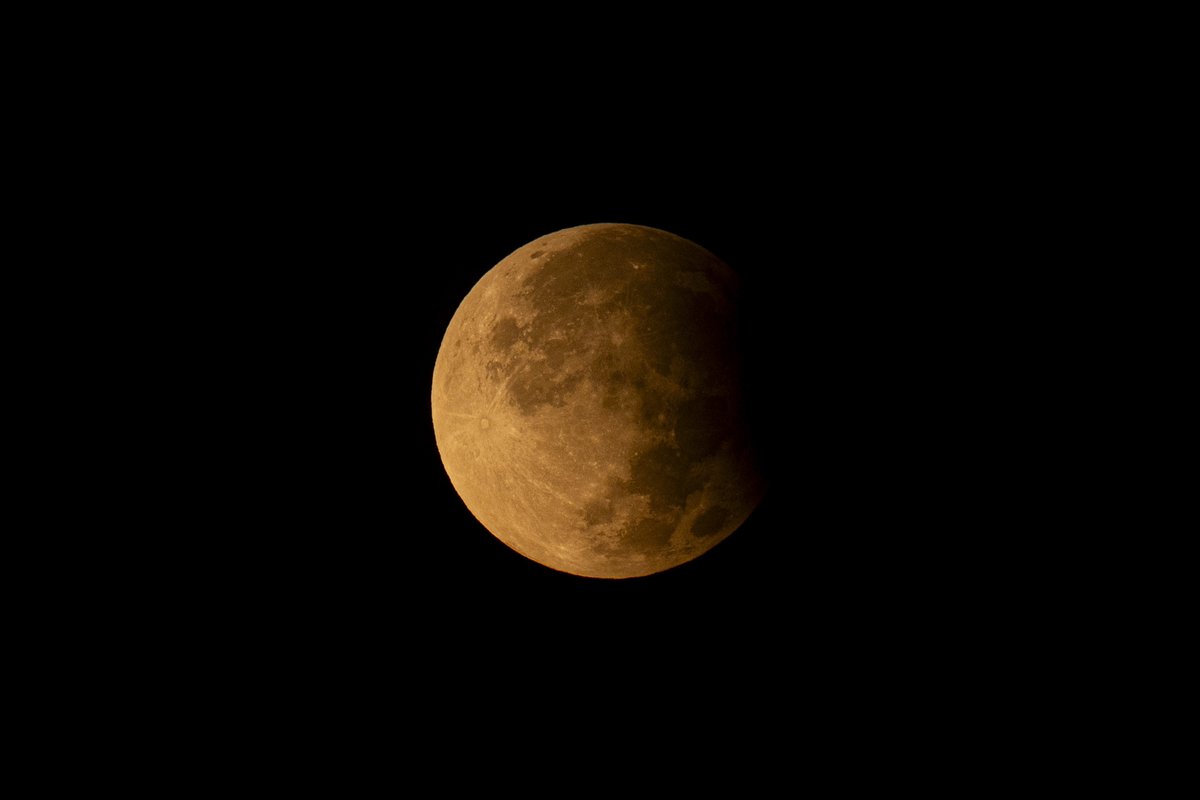
You need to see the ‘blood moon’ lunar eclipse this week

This near-total eclipse will be visible from the Americas, Africa and Europe—here’s how to see it

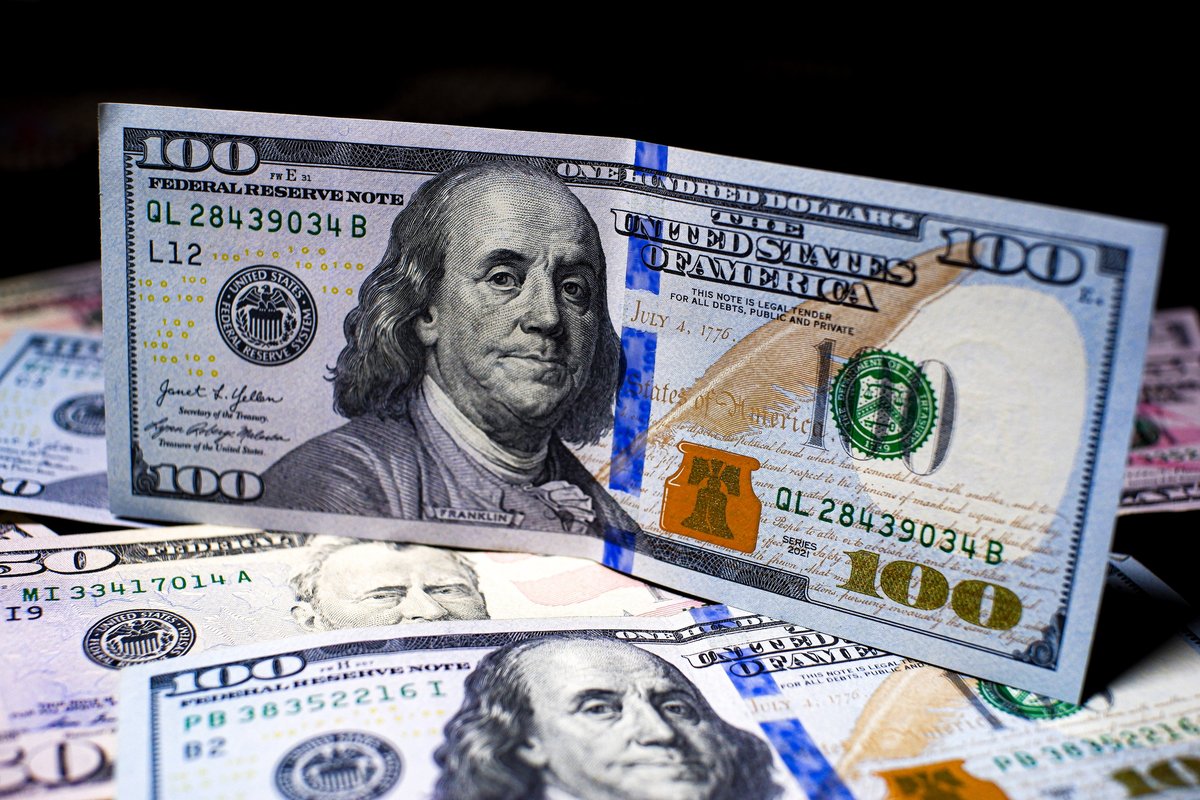
The mathematical reality behind a $40-trillion national debt

An investigation into the incomprehensibly, unfathomably large amount of money the U.S. owes

What caused the Nepal disaster—and why climate change could make these events more likely

The disaster has claimed hundreds of lives, and at least 1,400 people are missing

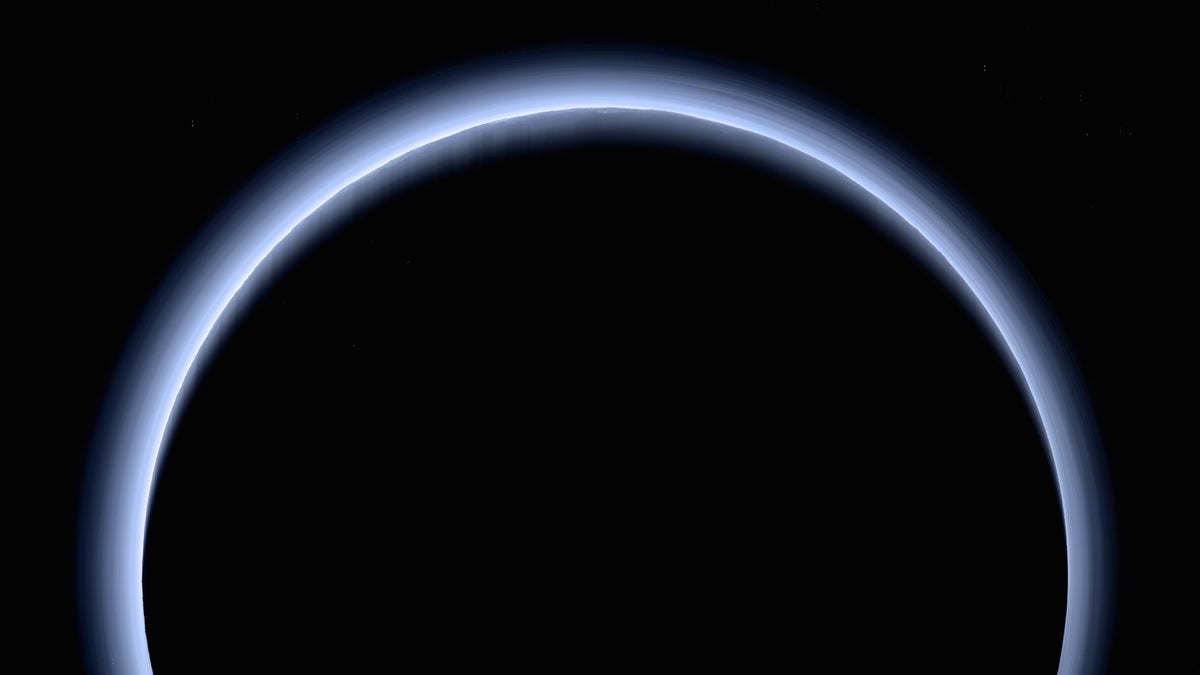
Pluto still isn’t a planet—unless Earth’s moon is, too

On the 20th anniversary of Pluto’s infamous demotion, Mike “Pluto Killer” Brown explains why any reversal of that decision would be driven more by nostalgia than science

Scientist Pankaj

NASA’s new space telescope could launch Sunday

See last night’s ‘blood moon’ eclipse from around the world ͏  ͏  ͏  ͏  ͏  ͏  ͏  ͏  ͏  ͏  ͏  ͏  ͏  ͏  ͏  ͏  ͏  ͏  ͏  ͏  ͏  ͏  ͏  ͏  ͏  ͏  ...