Friday, July 30, 2021

The Crucial Vaccine Benefit We're Not Talking about Enough

Trouble viewing? View in your browser.

View all Scientific American publications.
    

Public Health

The Crucial Vaccine Benefit We're Not Talking about Enough

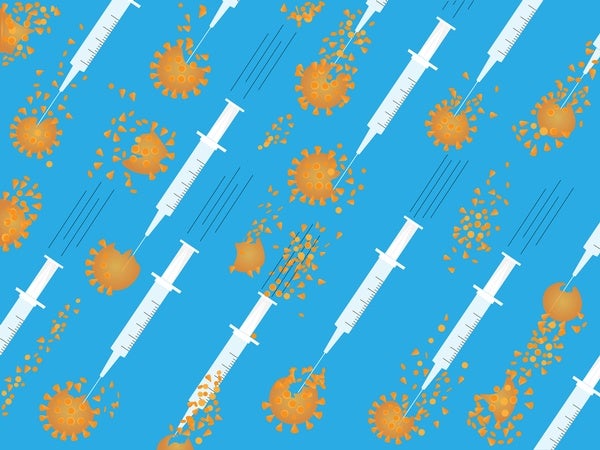
The vaccines not only prevent people from getting sick; they also cut down on transmission by those who get infected after immunization

By Daniel P. Oran,Eric Topol

Space & Physics

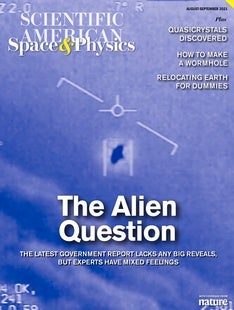
Announcing a New Plan for Solving the Mystery of Unidentified Aerial Phenomena

The newly organized Galileo Project will use a three-pronged approach to replace unreliable eyewitness reports with reproducible scientific observations

By Avi Loeb

Behavior

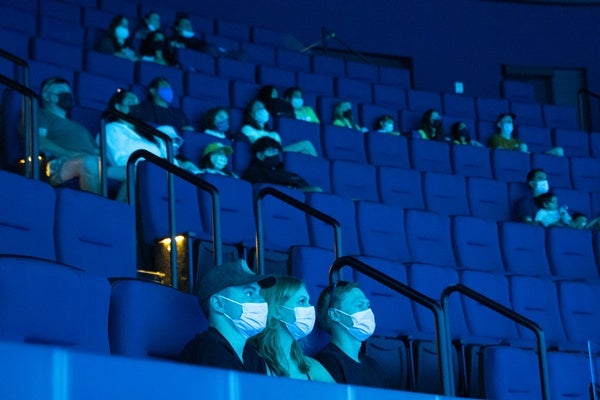
The Olympics without Fans Is Harming Athletes' Performance

Simone Biles drops out of an event, citing the lack of an audience

By Maddie Bender

Medicine

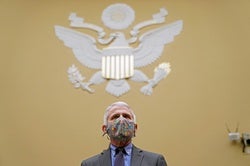
Fauci on COVID Drugs, Vaccines and Getting Back to Normal

The U.S.'s top infectious disease specialist describes a new Biden administration program to develop and test antivirals—and what he's most worried about as the nation reopens

By Charles Schmidt

Cognition

Quantum Mechanics, Plato's Cave and the Blind Piranha

Can we ever really know the world?

By John Horgan

Space & Physics

Learning to Live in Steven Weinberg's Pointless Universe

The late physicist's most infamous statement still beguiles scientists and vexes believers

By Dan Falk

Climate Change

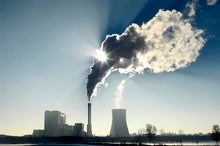
'Advanced' Nuclear Reactors? Don't Hold Your Breath

With little hard evidence, their developers maintain they'll be cheaper, safer and more secure than existing power plants

By Elliott Negin

Space & Physics

Avi Loeb's Galileo Project Will Search for Evidence of Alien Visitation

With nearly $2 million in private funding, the controversial new initiative is targeting unidentified phenomena in Earth's skies and beyond

By Adam Mann

Behavior

Why So Many Young People Hate STEM Courses

Take it from someone who almost gave up on her dream of being a scientist

By Rhea Wanchoo

Animals

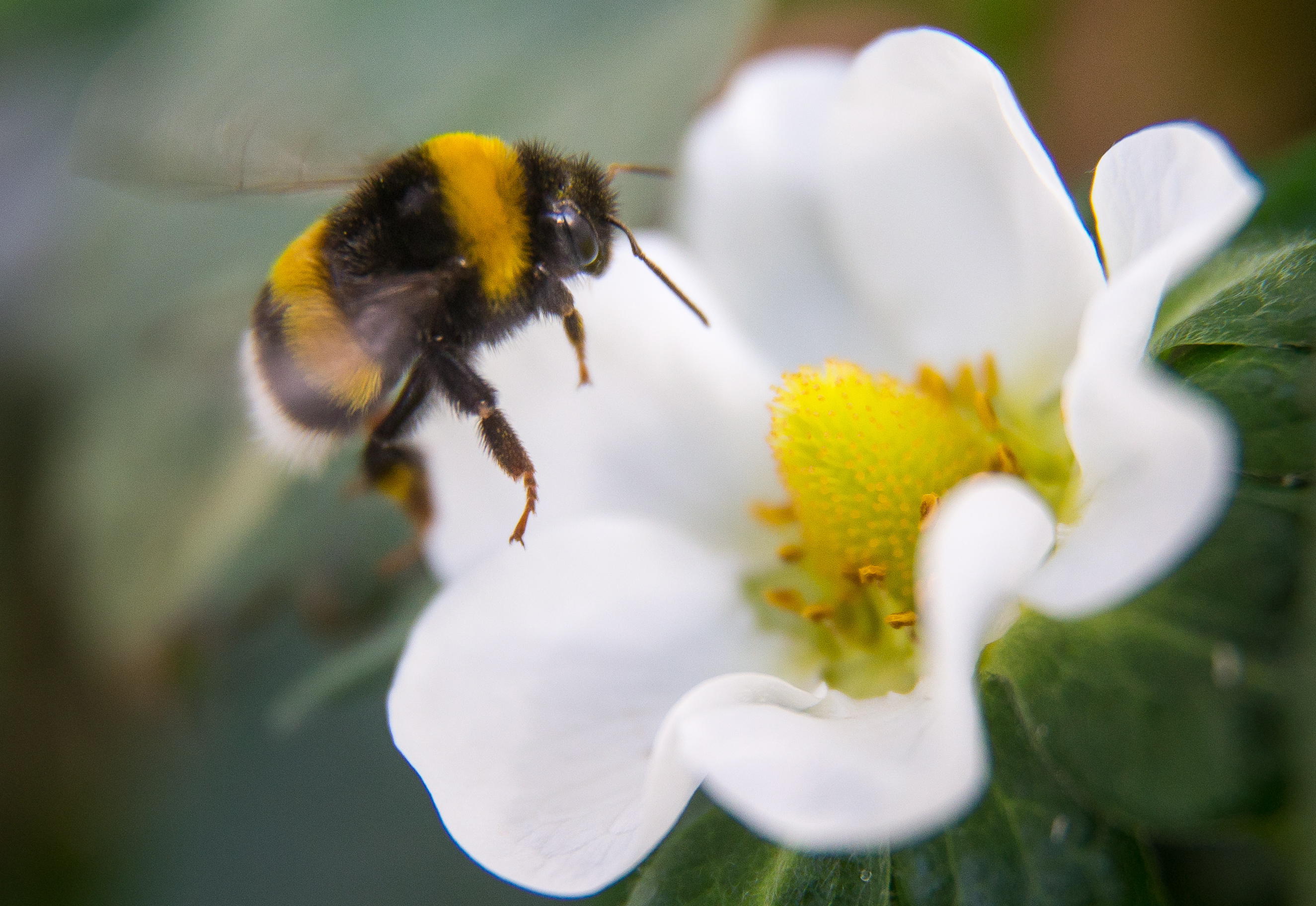
Caffeine Boosts Bees' Focus and Helps Them Learn

By associating caffeinated sugar water and a target scent, researchers teach bumblebees to stay on task

By Tess Joosse

Engineering

Entire Buildings Can Be Wrapped in Jackets to Save Energy

Apartment buildings, or blocks of row houses, can be upgraded in one installation

By Willem Marx

Astronomy

Why an Asteroid Strike Is like a Pandemic

Both are low-probability but catastrophic events—and both can be mitigated if we act early enough

By Casey Dreier

ADVERTISEMENT

BRING SCIENCE HOME
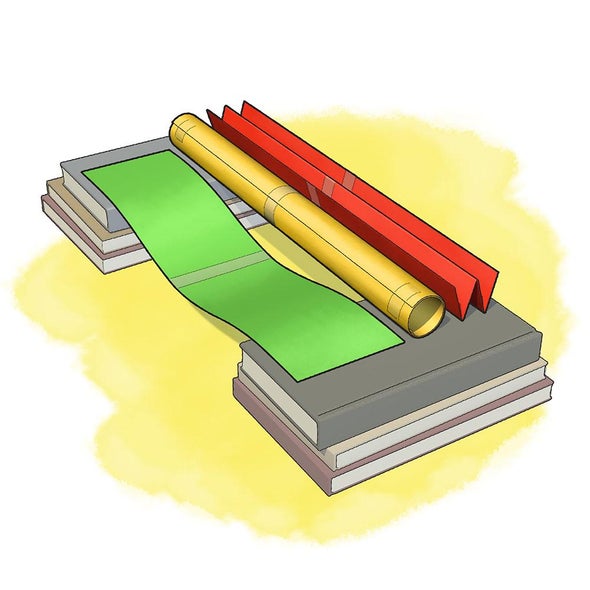
Paper Bridges
What shape makes the best bridge? Become a paper bridge engineer and learn about how shape plays a role in designing sturdy structures. Can you come up with an even stronger shape? Credit: George Retseck

Have you ever walked, ridden your bike or driven in a car over a long bridge? Bridges have to be sturdy enough to support the weight of many people and cars without collapsing. One important part of designing a bridge is selecting the right materials. Another is making sure those materials comprising it are shaped in a way to make them strongest. In this project you will build a simple "bridge" using materials you already have on hand—paper and tape! Can you build a miniature bridge that doesn't collapse?

Try This Experiment
LATEST ISSUES

Questions?   Comments?

Send Us Your Feedback
Download the Scientific American App
Download on the App Store
Download on Google Play

To view this email as a web page, go here.

You received this email because you opted-in to receive email from Scientific American.

To ensure delivery please add news@email.scientificamerican.com to your address book.

Unsubscribe     Manage Email Preferences     Privacy Policy     Contact Us

Why Do Variants Such as Delta Become Dominant?

Trouble viewing? View in your browser.
View all Scientific American publications.
    
July 30, 2021

Epidemiology

Why Do Variants Such as Delta Become Dominant?

Mutations that make a virus more transmissible are only part of the equation

By Sara Reardon

Climate Change

Infrastructure Deal Whittles Down Climate Spending

The bipartisan legislation includes less funding for public transit and electric vehicles

By Adam Aton,E&E News

Public Health

COVID, Quickly, Episode 12: Masking Up Again and Why People Refuse Shots

Today we bring you a new episode in our podcast series COVID, Quickly. Every two weeks, Scientific American's senior health editors Tanya Lewis and Josh Fischman catch you up on the essential developments in the pandemic: from vaccines to new variants and everything in between.

You can listen to all past episodes here.

By Tanya Lewis,Josh Fischman,Maddie Bender | 06:18

Climate Change

Act on Climate Emergency Now to Prevent Millions of Deaths, Study Shows

The human toll of carbon emissions will vastly magnify climate change's economic costs

By Andrea Thompson

Computing

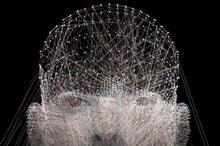
The Question Medical AI Can't Answer

It's unable to tell us why it came to a particular decision—and that's crucial information

By Jason H. Moore

Engineering

Entire Buildings Can Be Wrapped in Jackets to Save Energy

Apartment buildings, or blocks of row houses, can be upgraded in one installation

By Willem Marx

Extraterrestrial Life

Harvard's Avi Loeb Thinks We Should Study UFOs--and He's Not Wrong

As a SETI scientist, I'm grateful that he has the freedom—and the guts—to go where few would dare to go

By Seth Shostak

Energy

The 'Hydrogen Olympics' Lit a Torch for the Clean Fuel's Future

An energy expert explains why Japan—along with much of the rest of the world—is committing to the clean-burning fuel

By Tess Joosse

Animals

Caffeine Boosts Bees' Focus and Helps Them Learn

By associating caffeinated sugar water and a target scent, researchers teach bumblebees to stay on task

By Tess Joosse

Space & Physics

China's Space Station Is Preparing to Host 1,000 Science Experiments

The spaceborne studies will cover diverse topics, from dark matter and gravitational waves to the growth of cancer and pathogenic bacteria

By Smriti Mallapaty,Nature magazine

Computing

AI Creates False Documents That Fake Out Hackers

The algorithm hides sensitive information in a sea of decoys

By Sophie Bushwick

ADVERTISEMENT

FROM THE ARCHIVE

How Dangerous Is the Delta Variant, and Will It Cause a COVID Surge in the U.S.?

A new, more transmissible form of SARS-CoV-2 is rapidly spreading in the country and poses a threat to unvaccinated and partially vaccinated people

QUOTE OF THE DAY

"[Delta's] rate of increase is unlike any other in the history of this pandemic."

Vaughn Cooper, evolutionary biologist at the University of Pittsburgh

LATEST ISSUES

Questions?   Comments?

Send Us Your Feedback
Download the Scientific American App
Download on the App Store
Download on Google Play

To view this email as a web page, go here.

You received this email because you opted-in to receive email from Scientific American.

To ensure delivery please add news@email.scientificamerican.com to your address book.

Unsubscribe     Manage Email Preferences     Privacy Policy     Contact Us

Scientist Pankaj

Superfast plasma is careening toward Earth, astronomers thrilled

It's the first observed microblazar streaming from 12,000 light-years away ͏  ͏  ͏  ͏  ͏  ͏  ͏  ͏  ͏  ͏  ͏  ͏  ͏  ͏  ͏  ͏  ͏  ͏  ͏  ͏ ...