Friday, June 12, 2026

Week in Science: Cats only help you when it benefits them

Unlike dogs and toddlers, cats need to get something out of helping you                    

June 12—This week in science, dogs and toddlers will aid a struggling human, but cats wait until it benefits them, NASA's experimental plane goes supersonic, and the FDA approves the first new sunscreen ingredient in more than 20 years. All that and more below.

Andrea Gawrylewski, Chief Newsletter Editor

How are you liking this newsletter? Email newsletters@sciam.com anytime.

Top Stories
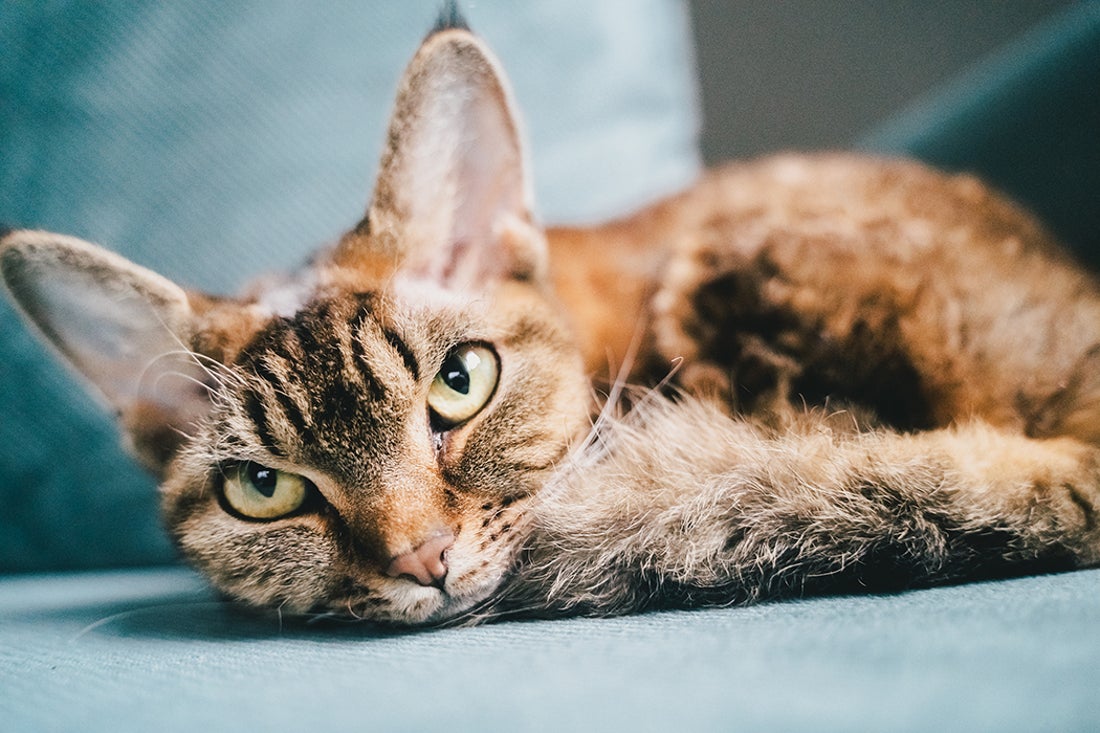
Science confirms: Cats help you only when there’s something in it for them

Dogs spontaneously aid struggling humans the way young children do—whereas cats wait until they stand to benefit

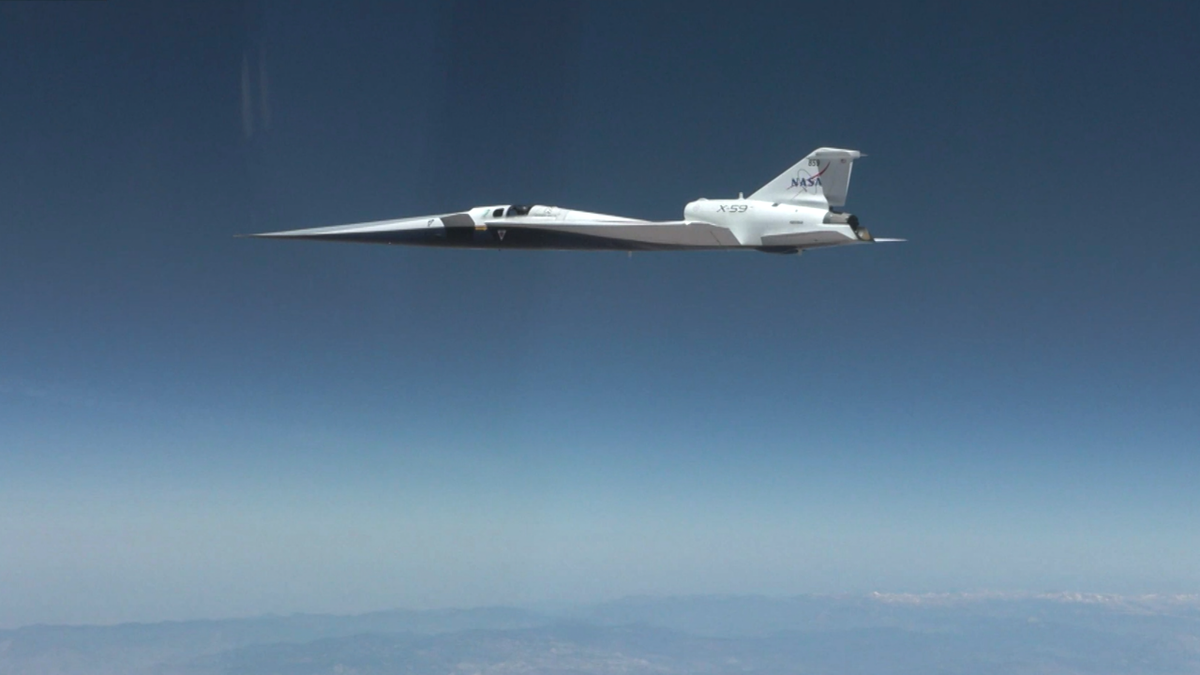
NASA’s X-59 plane goes supersonic for the first time

This experimental plane, which reached supersonic speeds yesterday, is designed to travel faster than the speed of sound without creating bothersome sonic booms

Brought to you by Scientific American
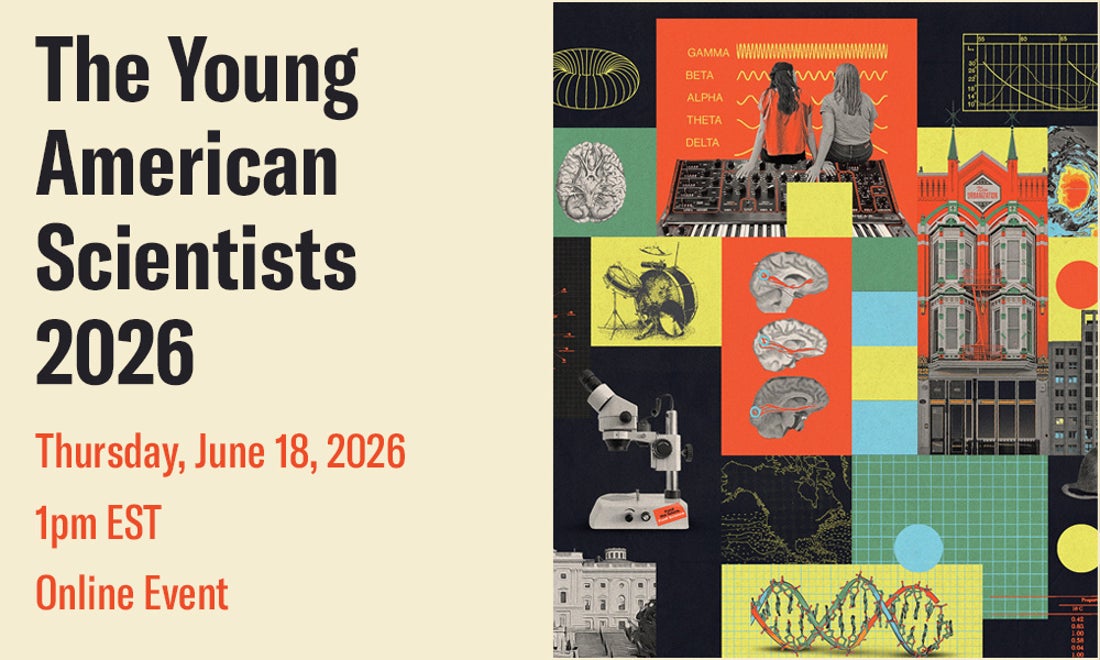
Live event: The Young American Scientists 2026

Scientific American’s first-ever Young American Scientists issue takes an unflinching look at the threats facing science today and offers a hopeful look at what comes next. Join SciAm editors David Ewalt, Megha Satyanarayana, Dan Vergano and Ari Sen for an engaging discussion on the state of American science and how they found the 28 promising young researchers whose work may one day change the world. Learn more and register here.

Support science journalism you can trust with a subscription to Scientific American: Get 90 days of digital access for just $1!
The Philippines earthquake is massive, but it could’ve been bigger—here’s why

The magnitude 7.8 earthquake that hit the Philippines happened at a subduction zone. Such places are capable of producing the largest earthquakes possible

Anthropic warns AI could soon start improving itself. Critics aren’t convinced

The maker of Claude wants AI labs, including itself, to prepare for a coordinated slowdown if models begin building their own successors

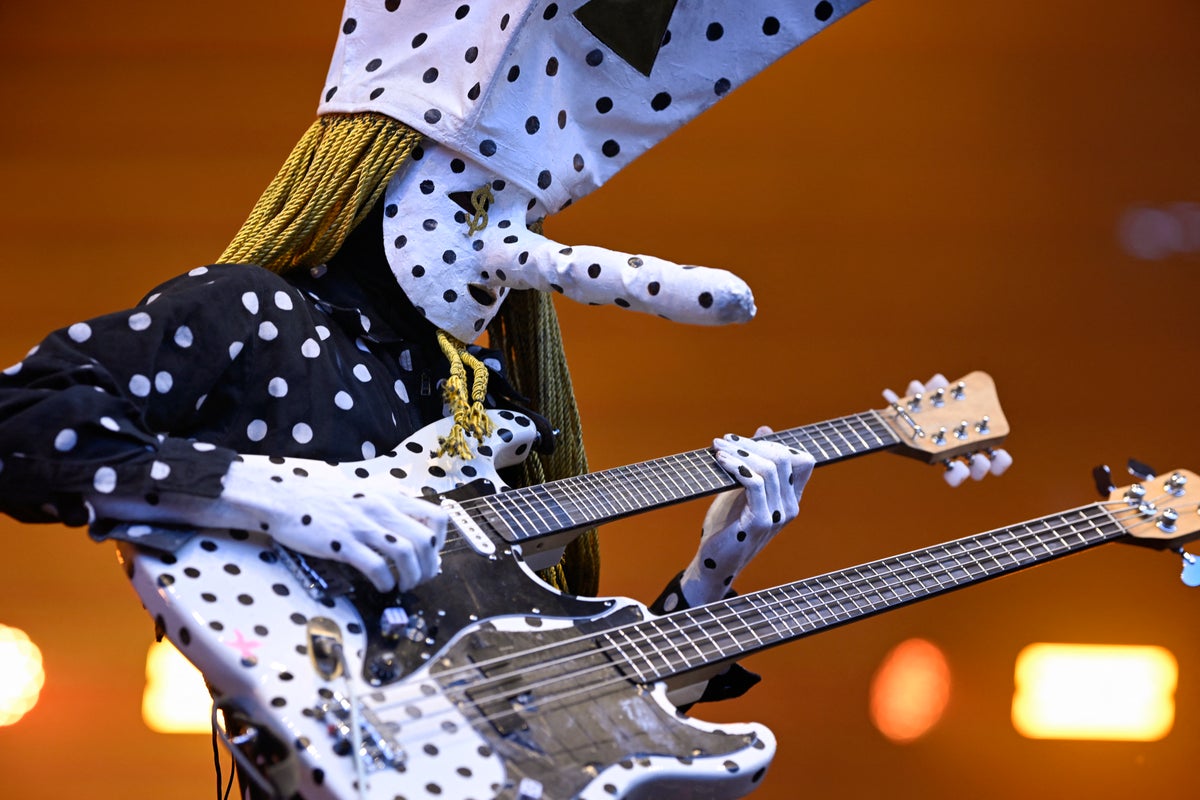
How Canadian rock duo Angine de Poitrine play with neurobiology and physics to make viral music

Angine de Poitrine don't abide by the usual rules of Western music, using their own custom-built guitar to strike notes that shouldn't exist

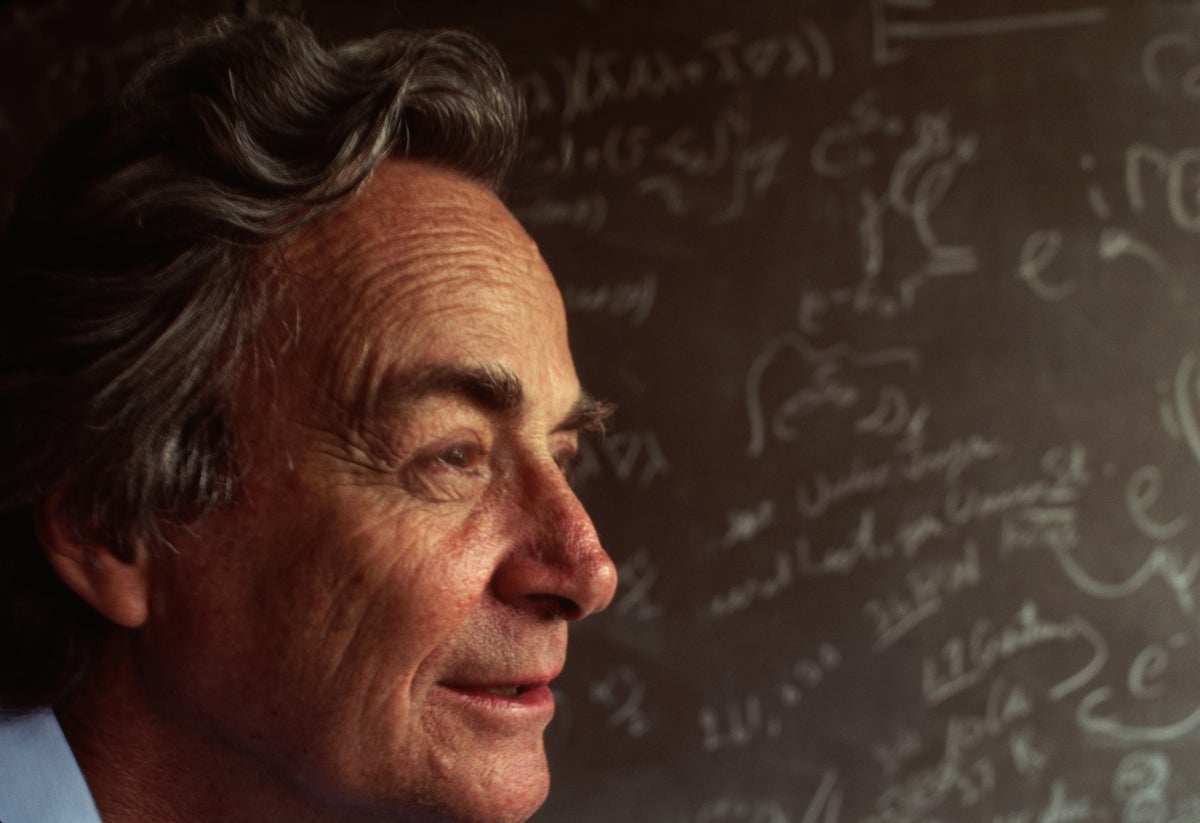
How math can help you decide what to order for dinner

An experiment with 2,520 participants backs Richard Feynman’s answer to every diner’s dilemma: Do I want to try something new?

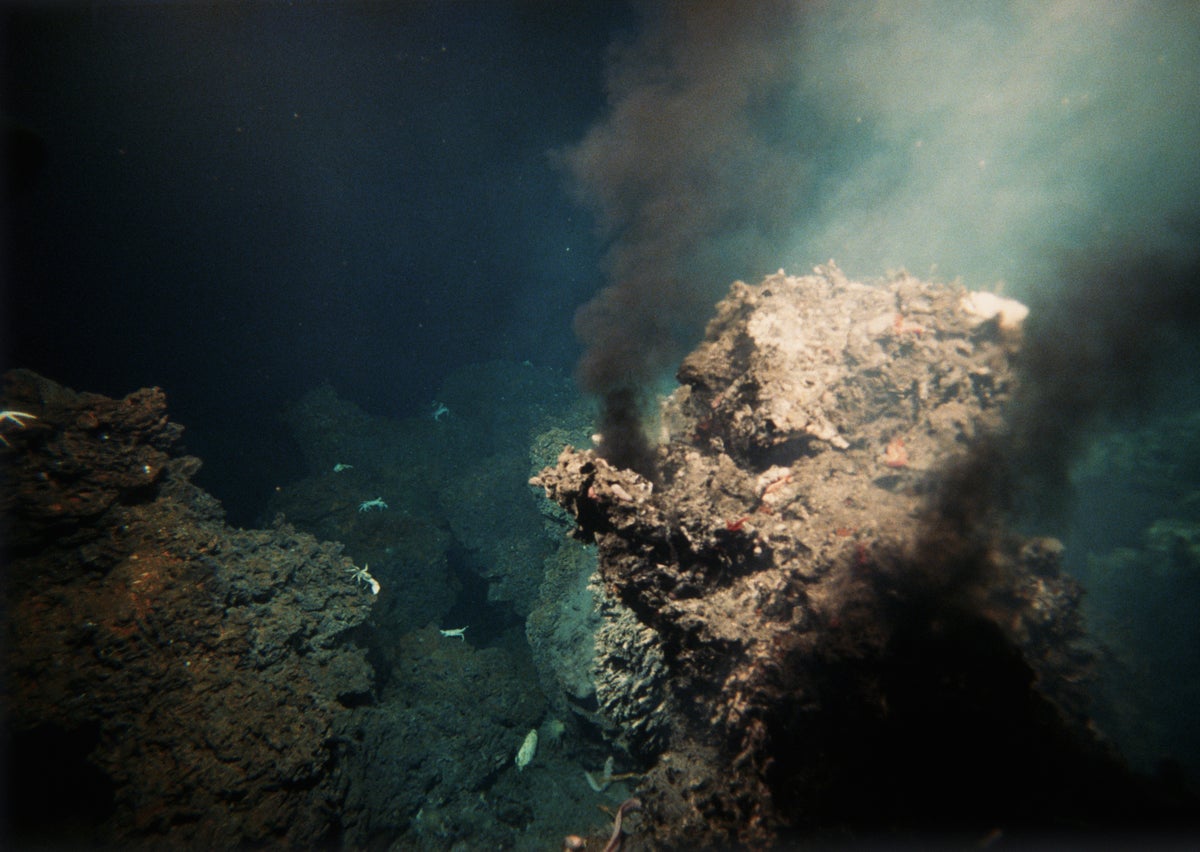
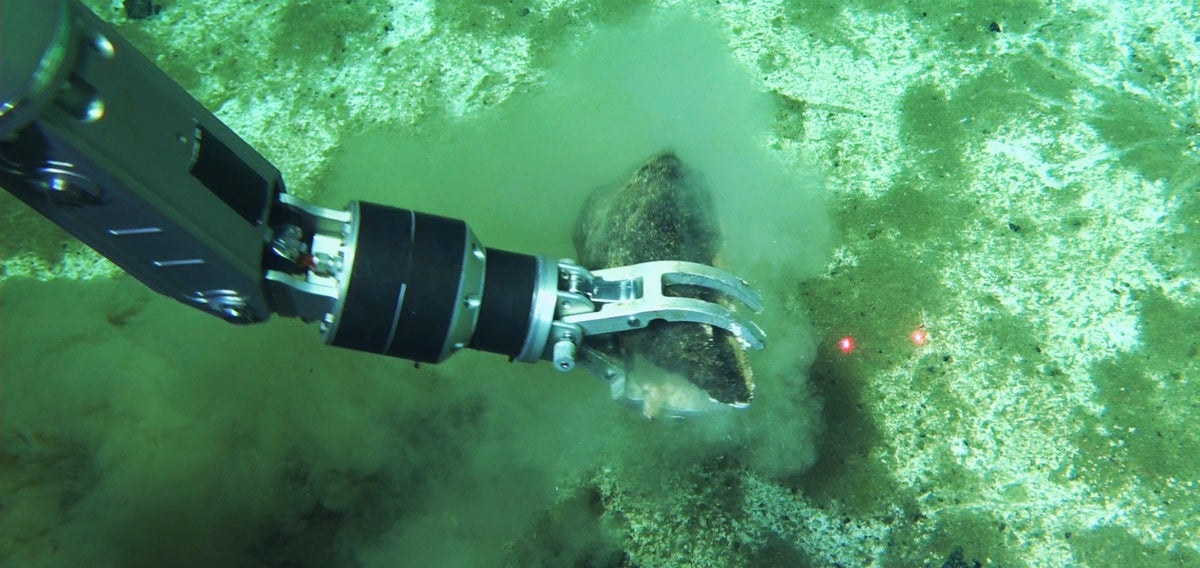
Dino-killing asteroid may have sparked millions of years of hydrothermal life

When asteroids slam into Earth, they can create hydrothermal vent systems

How to tell if your dog is left-pawed or right-pawed, according to science

A step-by-step guide to the “Doginburgh Inventory,” a new pawedness test developed by dog behavior researchers

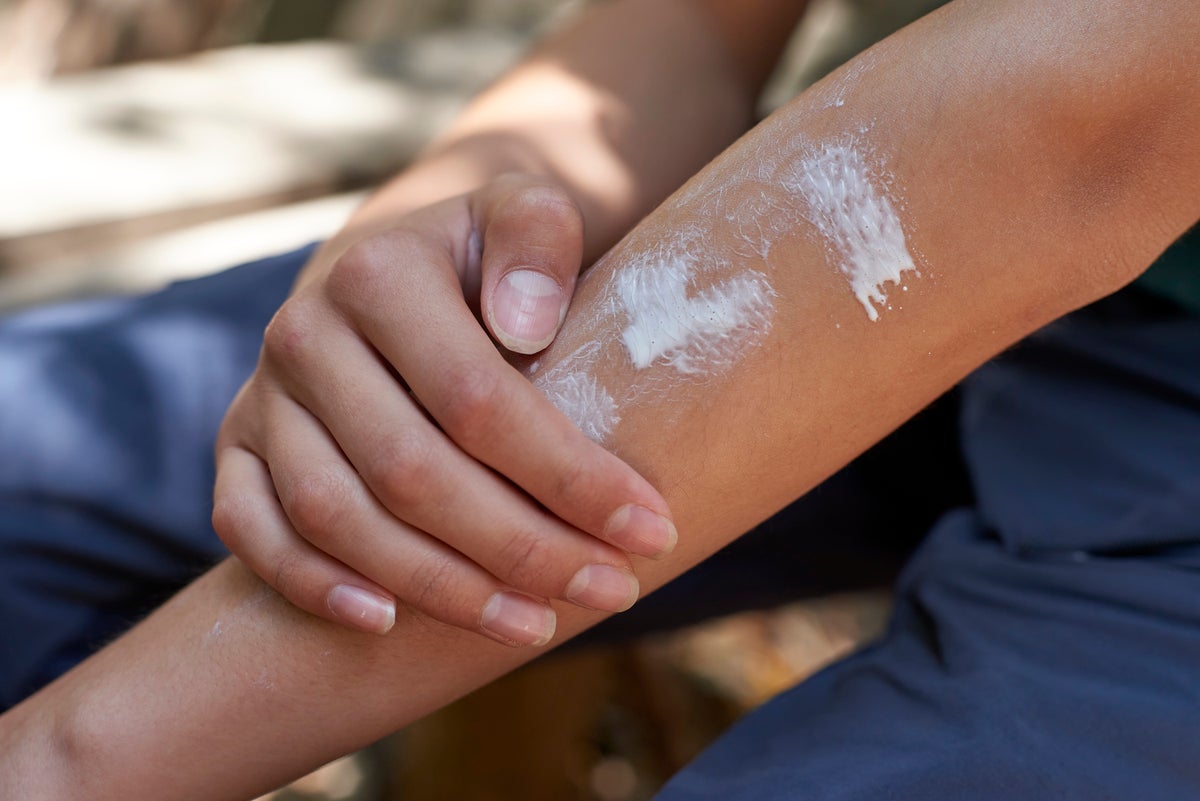
U.S. gets a new sunscreen ingredient after 27 years—here’s how it works

Dermatologists and skincare aficionados are excited for the U.S. to finally get a new, more protective sunscreen filter after more than 20 years of regulatory roadblocks. Here’s how bemotrizinol works

Resistance training may boost longevity. But how much do you need?

Weight lifting and other forms of resistance training can increase bone density, lower diabetes risk and boost mental health

Largest whale ‘graveyard’ discovered, with skeletons spanning 5 million years

The fossilized remains of more than 450 whales have amassed along a 750-mile-long stretch of the Indian Ocean floor

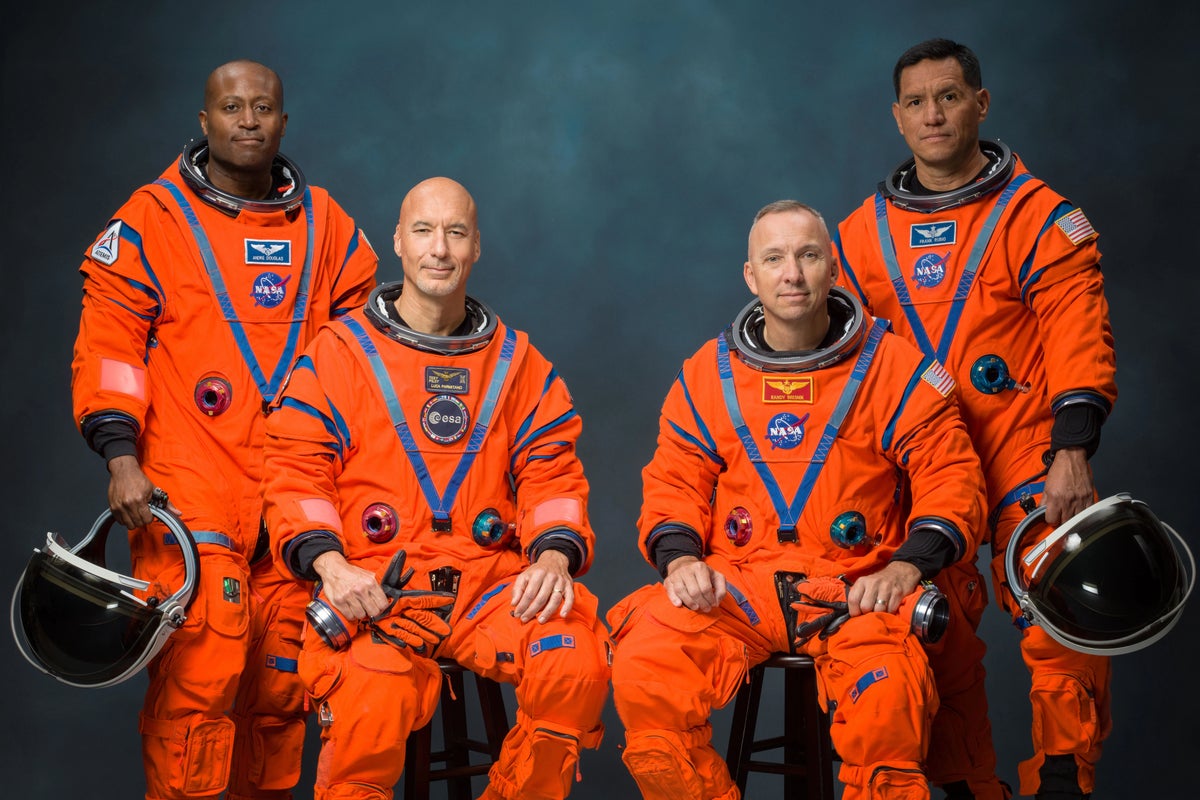
NASA reveals astronauts who will fly Artemis III, its next step toward a moon landing

NASA’s Artemis III crew includes three NASA astronauts and one European Space Agency astronaut

Scientist Pankaj

Week in Science: Cats only help you when it benefits them

Unlike dogs and toddlers, cats need to get something out of helping you                     ...