|
| Created for ceo.studentlike.spuniv@blogger.com | Web Version |
|
|
|

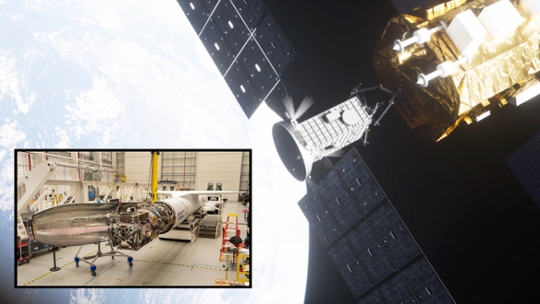 |
As we kick off a new week, all eyes are on NASA's Swift Boost mission. The daring satellite rescue mission is set to lift off on Tuesday (June 30) at 6:23 a.m. EDT (1023 GMT) from Bucholz Army Airfield at Kwajalein Atoll in the Marshall Islands. The mission will see an air-launched Northrop Grumman Pegasus XL rocket deploy from beneath a mothership aircraft known as Stargazer before sending a spacecraft known as LINK into low Earth orbit to meet up with NASA's sinking Neil Gehrels Swift Observatory. From there, if all goes according to plan, LINK will boost Swift back up into a healthy orbit. The observatory is currently sinking towards Earth's atmosphere, but the space telescope still has plenty of science left in it. Aside from the Swift Boost mission, we're also watching out for June's Full Strawberry Moon tonight. In science news, astronomers have used the James Webb Space Telescope to peer back into 'cosmic noon', and they're not sure how the galaxies they saw there were created. We've got all that and more right here at Space.
|
|
|

|
Don't miss June's full Strawberry Moon rise tonight (June 29), marking the first full moon of summer with a golden glow and an eye-catching moon illusion.
|
|
|
|
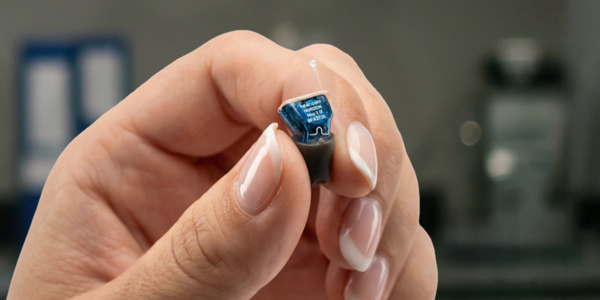
Meet Horizon IX, an innovative hearing aid that leading audiologists call "nothing short of a miracle." With dual processors for sharper speech and less noise, it offers a nearly invisible design for all-day comfort. Try it at no risk for 45 days.
|
|
|
|
|

|
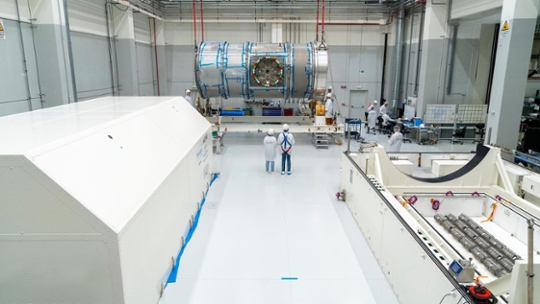
A memo issued by NASA Office of Inspector General highlights huge cost increases and extended timelines for Artemis program hardware that has since been canceled.
|
|
|
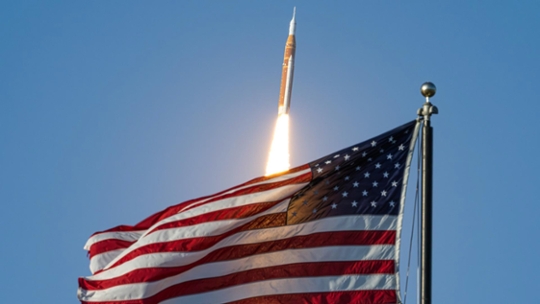
NASA has big plans for July 4 — the 250th anniversary of the ratification of the Declaration of Independence — which involves both aircraft and spacecraft.
|
|
|
|
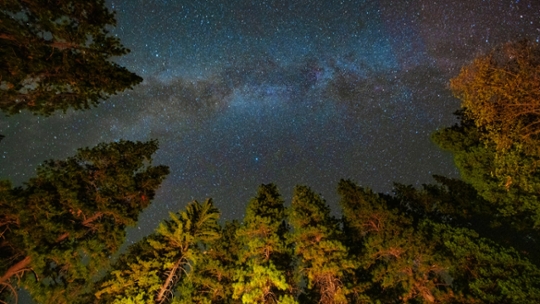
Researchers combined satellite data and visitor surveys at dark-sky parks to quantify the economic value of dark skies amid rising light pollution.
|
|
|
|
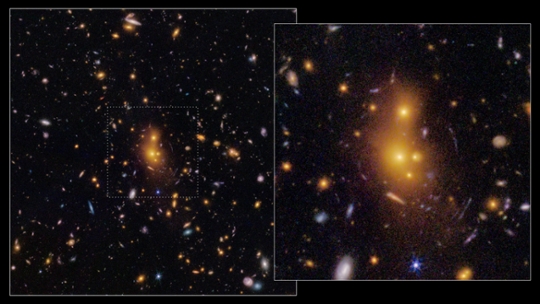
Using the James Webb Space Telescope, astronomers have spotted a massive and densely packed galaxy cluster at "cosmic noon" before such structures were thought to be possible.
|
|
|
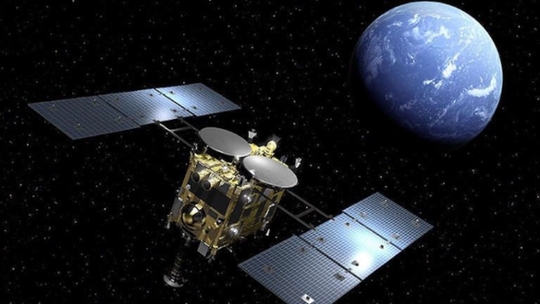
Having already delivered samples of the asteroid Ryugu to Earth, Hayabusa2 will soon attempt one of the closest, riskiest space-rock flybys in spaceflight history.
|
|
|
|
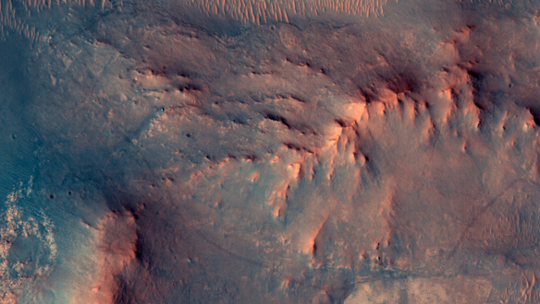
With the speed at which the rover completed this marathon, and how well it continues to explore on Mars, who knows, maybe Perseverance will be the first to manage an ultramarathon on the Red Planet.
|
|
|
|
Check your life-clock crystal and make sure it’s not blinking red!
|
|
|
|
While we eagerly await NASA's Swift Boost mission tomorrow morning, we're also looking ahead at some big news from Rocket Lab (and a launch on July 1), a study about 'oddball' exoplanets, and a look back at the past 250 years of astronomy and spaceflight just in time for America's bisesquicentennial anniversary this week.
Stay tuned right here at Space for more.
Ad astra,
Brett Tingley, Managing Editor
|
|
|
| Stay up-to-date on all things space science, news, and entertainment by subscribing to our newsletters. |
|
 |
|
|
|
|
|
When you purchase through links in our content, we may earn an affiliate commission.
Future US LLC © |
| Full 7th Floor, 130 West 42nd Street, New York, NY, 10036 |
|
|
|
|