Anyone can view anything happening on the planet in nearly real-time ͏ ͏ ͏ ͏ ͏ ͏ ͏ ͏ ͏ ͏ ͏ ͏ ͏ ͏ ͏ ͏ ͏ ͏ ͏ ͏ ͏ ͏ ͏ ͏ ͏ ͏ ͏ ͏ ͏ ͏ ͏ ͏ ͏ ͏ ͏ ͏ ͏ ͏ ͏ ͏ ͏ ͏ ͏ ͏ ͏ ͏ ͏ ͏ ͏ ͏ ͏ ͏ ͏ ͏ ͏ ͏ ͏ ͏ ͏ ͏ ͏ ͏ ͏ ͏ ͏ ͏ ͏ ͏ ͏ ͏ ͏ ͏ ͏ ͏ ͏ ͏ ͏ ͏ ͏ ͏ ͏ ͏ ͏ ͏ ͏ ͏ ͏ ͏ ͏ ͏ ͏ ͏ ͏ ͏ ͏ ͏ ͏ ͏ ͏ ͏ ͏ ͏ ͏ ͏ ͏ ͏ ͏ ͏ ͏ ͏ ͏ ͏ ͏ ͏ ͏ ͏ ͏ ͏ ͏ ͏ ͏ ͏ ͏ ͏ ͏ ͏ ͏ ͏ ͏ ͏ ͏ ͏ ͏ ͏ ͏ ͏ ͏ ͏ ͏ ͏ ͏ ͏ ͏ ͏ ͏ ͏ ͏ ͏ ͏ ͏
June 4, 2026—Satellites see all (or close to all), octopuses have quirky sex, and a moon-size black hole is afloat in the Milky Way.
—Andrea Gawrylewski
Chief Newsletter Editor
|
|
Small “primordial” black holes may be scattered throughout the cosmos, as depicted in this artist’s concept. NASA’s Goddard Space Flight Center
|
|
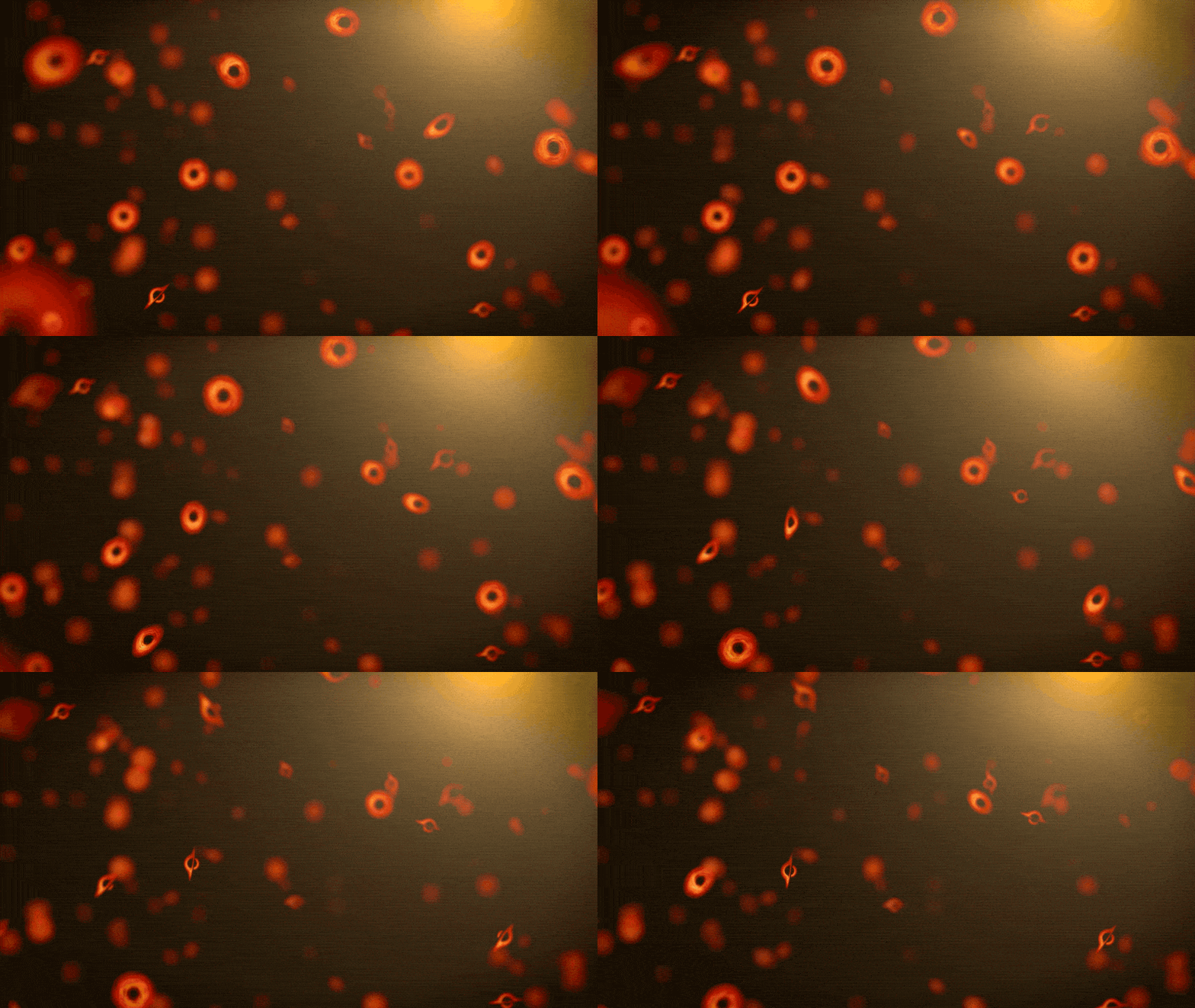
A blip of light in the outer reaches of the Milky Way might be a bizarre moon-size black hole born at the beginning of time itself that's adrift in the galaxy. Astronomers are calling it "Phoebe." | 7 min read
The oldest hominin footprints ever found are in Tanzania and are at risk of destruction. Official organizations in the country have imperiled the country's artifacts and remains at four critical human heritage sites, a new investigation alleges. | 4 min read
An executive order reclassifies federal epidemiologists and other scientists from civil servants to "at-will" hires. This long-anticipated “Schedule F” order strips job protections meant to safeguard federal employees from political interference. | 2 min read
A flesh-eating New World screwworm was just found in a Texas cow—here’s what we know so far. | 2 min read
Astronomers looked for alien radio signals, or technosignatures, coming from the comet 3I/ATLAS, but didn't find any. | 2 min read
In a new study, scientists observed bumblebees using tools to solve complex problems to win a sugary treat, even if they had never been trained to use the tools in any context. Some even cheated. | 3 min read
-
Math is everywhere in everyday life—in elevator timing, food-sharing and card games. We sat down with theoretical physicist Manon Bischoff to discuss some delightful math. (Manon also writes our weekly math newsletter Proof Positive) | 12 min podcast
|
|
Tiny investment, enormous universe: subscribe to Scientific American for 90 days for just $1 and help keep this newsletter going.
|
|
Eyes in the Sky
Of the more than 14,000 satellites in low-Earth orbit, most are commercial, observing nearly every surface of the planet at all times. Governments, journalists and ordinary observers alike can now see what is happening across the globe in real-time. What is the aim of governments and companies that own these satellites? They form a “living globe,”as one CEO puts it, “so they can see their world updated in real-time and can see anything that’s changing within that world.”
What they can see:
One company, Vantor, can make 2D and 3D maps of most of the world, updated the same day new intelligence arrives, based on a mere 10 satellites.
HawkEye360 uses 30 satellites to detect and pinpoint radio transmissions. It can revisit most places every hour or so.
Some spacecraft can sense GPS disruption, showing military officials where someone is jamming or spoofing a signal to make traditional geolocation and navigation unreliable.
Satellite data are used to verify nuclear armament by counting missiles in images taken from above. Or by spotting new military equipment from space.
The catches: Private satellite companies are under no obligation to release their data, making them geopolitical players in their own right. And in the world of military intelligence, nations may use deception or AI to compromise any data collected.
|
|
California two-spot octopus. Windzepher/Getty Images
|
|
Octopus Sex
In lieu of a penis, the male octopus has a special mating arm called a hectocotylus. He feels around with it inside the female’s mantle—a bulbous structure behind the eyes that houses all of an octopus’s organs, including reproductive ones—until he finds her ovary. He then slides a sac of sperm down his arm and deposits it. But the male can’t see what he’s doing. So how does he find the ovary? In a new study, researchers show that the male California two-spot octopus’s mating arm can sense sex hormones emanating from the female’s oviduct, the passage to the ovary.
Why this is interesting: Many animals rely to some extent on the detection of sex hormones for mating. But the organ that senses those hormones is usually separate from the one that delivers the sperm; in male octopuses, the hectocotylus does both.
How it works: Scientists placed a pair of California two-spot octopuses in a tank, and installed a divider with holes drilled into it so that chemicals and the hectocotylus could pass through, but not entire octopuses (they have really aggressive sex, a hinderance to scientific observation). The researchers discovered that the octopus oviduct produces enzymes that are used to make the sex hormone progesterone. This hormone seems to attract the hectocotylus: when the researchers attached tubes to the holes in the tank divider, each coated with a different chemical, males were quickly drawn to the one containing progesterone.
|
|
|
|
|
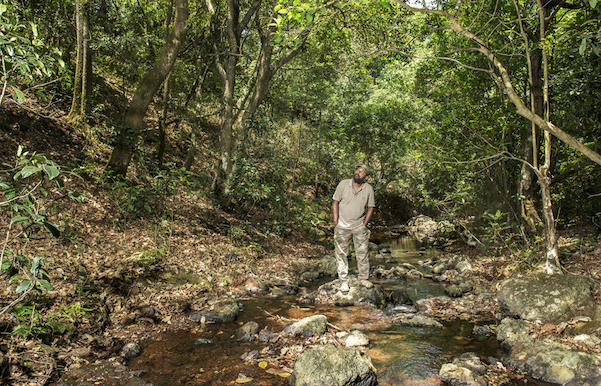
Field botanist N. M. Ganesh Babu conducts botanical surveys in forests all over India with the help of local communities. His team includes doctors in traditional medicine who know the cultural significance of the plants that they work with. “My grandparents and my mother had a tremendous knowledge of plants,” he says. “So much inherited wisdom of this kind has already vanished.” Babu and his colleagues have developed techniques to propagate almost 800 wild species from seed, and have created an ethnomedicinal garden spanning 20 acres that showcases the vast array of plant species used in various traditional health practices—as well as a native-plant landscaping business at the university. Nature | 3 min read
|
|
If you're fascinated by bizarre findings from the beginning of time, I highly recommend you pick up our latest special issue called "Mysteries of the Cosmos." (Look in big bookstores or some grocery checkout lanes.) It digs deep into the science of the earliest black holes, but also dark matter, the search for alien life, the stormy origins of our own galaxy and much more. I don't know if I'd call it a light summer read, but it will certainly expand your mind!
Send any comments and questions to newsletters@sciam.com. I'll be out tomorrow but Emma Gometz will be here to guide you through the latest discoveries.
|
|
—Andrea Gawrylewski, Chief Newsletter Editor
P.S. If this newsletter sparked your curiosity today, consider forwarding it to a friend! Word of mouth is how our little science-loving corner of the Internet grows—thanks for helping us spread the word.
|
|
|
|
|
Subscribe to this and all of our newsletters here.
|
|
|
|
|