|
| Created for ceo.studentlike.spuniv@blogger.com | Web Version |
|
|
|

|
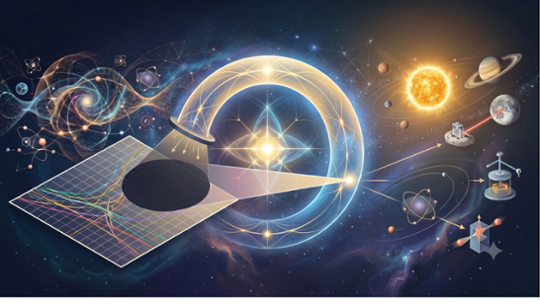
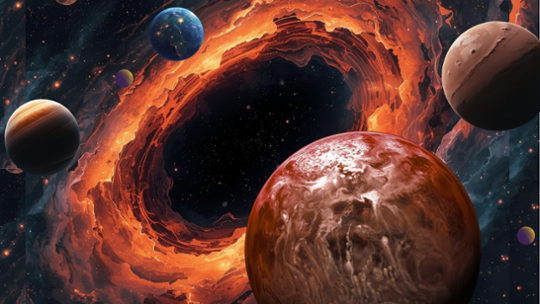
Happy Monday, Space Fans, and welcome to our first space roundup of the week. We're starting this week with something truly wild: the strange hunt for a new fundamental force in our universe. How does quantum gravity fit in? Take a look and find out.
And that's not all! You can watch ISAR Aerospace try again to launch its new Spectrum rocket today, learn about a new sun discovery that could warn of solar storms and don't miss our interview with former NASA chief Jim Bridenstine on This Week In Space! Read on to see it all.
|
|
| Space Quiz: What new tech did NASA's Artemis 2 astronauts use to beam live video from the moon? |
|
|

|
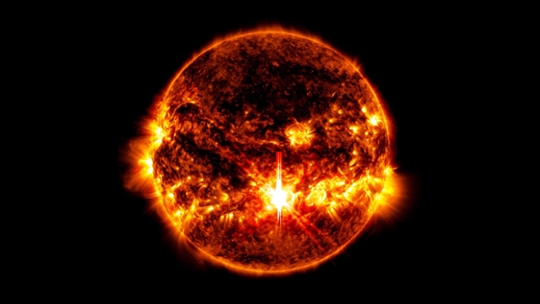
Drawing on a rare dataset collected in the hours leading up to a massive solar flare, scientists identified a series of changes in the sun's atmosphere that offer new clues about how major eruptions begin. What does it mean for space weather forecasting?
|
|
|
|
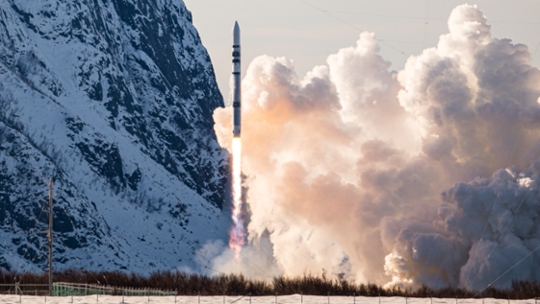
Isar Aerospace's Spectrum rocket will launch from Norway today (June 15), attempting to become the first vehicle ever to reach orbit from European soil. It's a critical test for Isar Aerospace, especially since their last rocket crashed and burned...(by that, I mean it exploded).
|
|
|
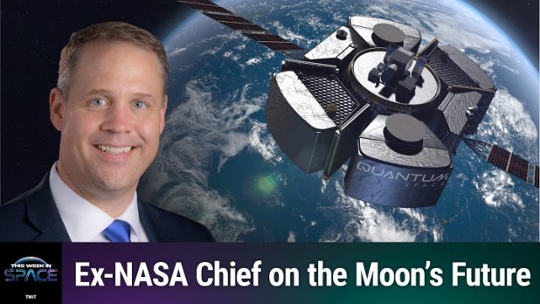
On Episode 214 of This Week In Space, Rod Pyle and Tariq Malik talk with former NASA Administrator Jim Bridenstine about his past and the space agency's future. He is worried about Artemis plans to land on the moon. Why? Find out here.
|
|
|
|
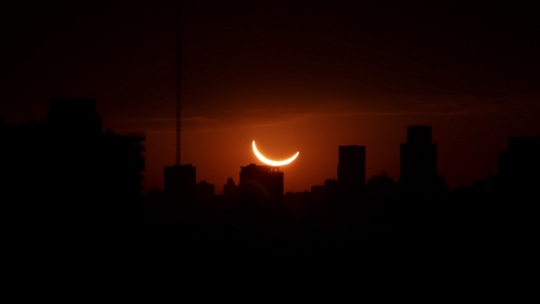
This promises to be a mighty event that millions can view in some form — but do many know about it yet? Here's what you need to know about seeing a rare sunset solar eclipse across Europe on Aug. 12, 2026.
|
|
|
|
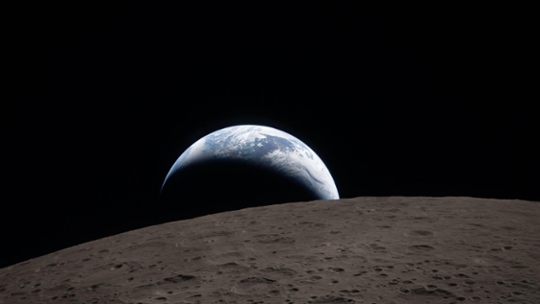
A laser system, previously tested on board the International Space Station, helped to stream video directly from the Artemis 2 mission on its way around the moon. Here's how it worked, but what does it mean for fuure missions?
|
|
|
|
The discovery is so surprising because even though AGNs are rich with gas and dust — the building blocks of planets — the turbulent conditions within the disks wouldn't generally be considered ideal for forming planets. However, the edges of these disks may have temperatures and conditions akin to the planet-forming protoplanetary disks found around infant stars. Over time, could enough dust clump together and grow into planets?
|
|
|
|
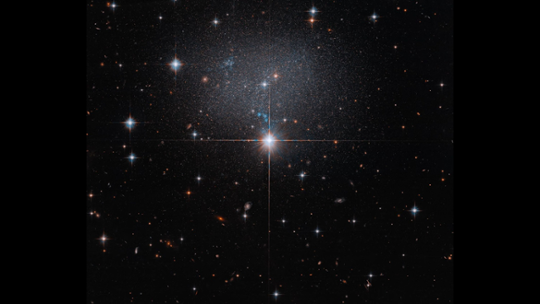
For our first space photo of the week, we're looking at this new view from the Hubble Space Telescope. This irregular dwarf galaxy is ESO 490-017 and is 23 million light-years away. Being a dwarf galaxy, it's only about 12,000 light-years across.
|
|
|
|
We rank these Canon 18x50 IS binoculars as the best for shake-free, high-magnification stargazing. So don't miss your chance to save big on this summer binocular deal for fantastic views of June's moon and Mercury conjunction.
|
|
|
|
Disclosure Day's story is largely what it appeared to be: there's a conspiracy to keep the existence of extraterrestrials secret, and a plucky resistance group trying to expose the truth. But it has nothing much to say.
|
|
|
|
That's wrap for the start of our space week, Space Fans. To be honest, we're all still recovering from the mind-boggling $2 trillion valuation of SpaceX from that company's IPO last week, and we'll be watching for more launches this week.
Stay tuned for some great astronomy news from the American Astronomical Society meeting in Pasadena, California this week. We'll have team coverage throughout the week on our Space.com site and social channels!
Keep Looking Up!
Tariq Malik
Editor-in-Chief, Space.com
|
|
|
| Stay up-to-date on all things space science, news, and entertainment by subscribing to our newsletters. |
|
 |
|
|
|
|
|
When you purchase through links in our content, we may earn an affiliate commission.
Future US LLC © |
| Full 7th Floor, 130 West 42nd Street, New York, NY, 10036 |
|
|
|
|